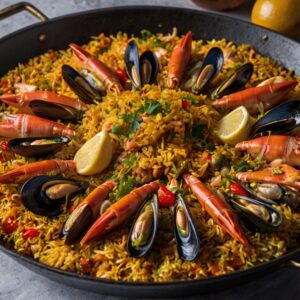

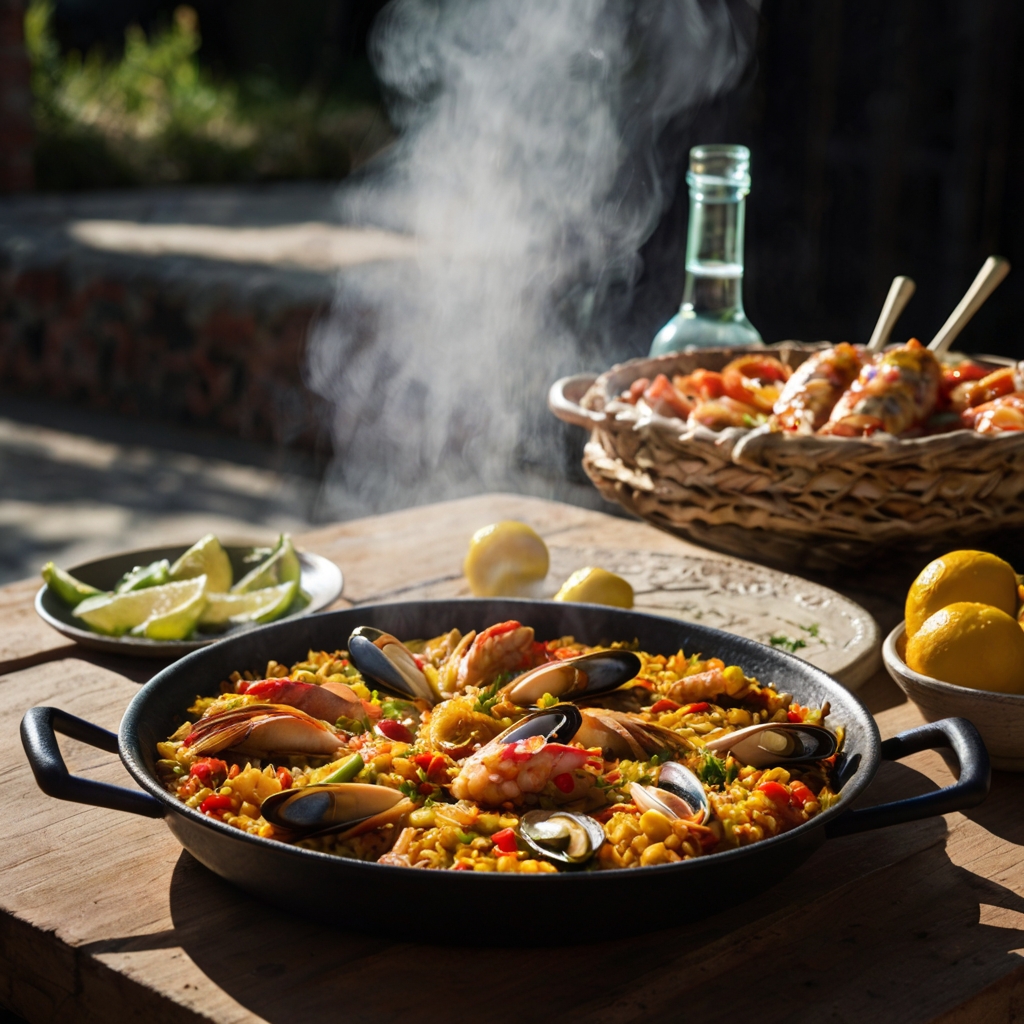
Embark on a culinary adventure with “Mastering Spanish Paella: A Step-by-Step Flavor Journey,” where tradition meets technique in a vibrant symphony of taste and color. More than just a dish, paella is a celebration of Spain’s rich coastal heritage—a mosaic of saffron-kissed rice, fresh seafood, and rustic spices that tell stories of sun-drenched shores and lively markets. Whether you’re a seasoned cook or an eager novice, this guide will walk you through every sizzling step to unlock the secrets behind paella’s irresistible charm, transforming your kitchen into a bustling Spanish fiesta. Prepare to dive into layers of flavor, texture, and history, and discover how mastering this iconic masterpiece can turn an everyday meal into an unforgettable experience. “`html
Mastering Spanish Paella is not just about following a recipe—it’s an immersive journey where each carefully chosen ingredient and technique breathes life into this iconic Spanish dish. As a culinary delight rooted in Valencia’s sunny coast, paella invites you to explore a spectrum of flavors, textures, and aromas that evoke festive gatherings and the warmth of shared meals. From the earthy depth of a well-crafted sofrito to the perfect simmering of rice that delivers that coveted socarrat crust, every step guides you closer to authentic mastery.
The Heart of Paella: The Essential Ingredients and Their Flavor Profiles
At the soul of paella lie its essential ingredients, each contributing to a vibrant harmony. Ripe, sun-kissed tomatoes and smoky Spanish paprika create a base rich in umami and warmth. The sharp bite of garlic and sweetness of onions dance together in the sofrito, while saffron threads infuse a golden hue and subtle earthiness that defines paella’s unmistakable character. The rice, often bomba or calasparra, absorbs these complex flavors without losing its tender bite. Traditional proteins like succulent chicken, fresh shellfish, and tender rabbit add layers of texture and taste, all enhanced by a well-seasoned broth crafted from aromatic vegetables and seafood shells.
Perfecting the Sofrito: Crafting the Base for an Authentic Taste
The magic begins in the sofrito—a slow-cooked medley of finely chopped onions, garlic, tomatoes, and sometimes bell peppers, gently simmered in olive oil until it melts into a luscious, fragrant sauce. Sauté these ingredients on medium heat until they are soft and caramelized, about 15 minutes, stirring occasionally. This process unlocks the natural sweetness of the vegetables and forms the flavor foundation, setting the stage for the rice to soak in depth and complexity.
Selecting Rice and Broth: Unlocking the Secrets to Ideal Texture
Choosing the right rice is pivotal. Bomba rice is prized for its ability to soak up liquid while maintaining a firm texture—essential for paella’s textural balance. If unavailable, calasparra rice is an excellent alternative. The broth should be hot and flavorful; simmer it separately using seafood shells, chicken bones, fresh herbs, saffron, and a pinch of smoked paprika. This golden elixir enriches the rice and infuses every grain with savory richness. Remember, the rice-to-liquid ratio and gradual absorption are what yield that perfect fluffiness without mushiness.
Mastering the Cooking Technique: Achieving the Signature Socarrat Crust
The hallmark of a great paella is the socarrat—the golden, crispy crust that forms on the pan’s bottom. To achieve this, spread the rice and broth evenly in a shallow paella pan and resist stirring once the liquid is added. Cook over medium-high heat initially, then lower to a steady simmer. Listen for the subtle crackling sound signaling the crust’s formation. After about 15-20 minutes, gently lift the paella to check for a caramelized layer. This socarrat is the reward for patience and precision, adding a delicious crunch that contrasts beautifully with the soft rice.
Prep and Cook Time
- Preparation: 25 minutes
- Cooking: 45 minutes
- Total: 1 hour 10 minutes
Yield
Serves 4–6 hungry guests
Difficulty Level
Medium – requires attention to timing and layering of flavors
Ingredients
- 3 tablespoons extra virgin olive oil
- 1 medium onion, finely chopped
- 4 garlic cloves, minced
- 2 medium ripe tomatoes, grated or finely chopped
- 1 red bell pepper, diced (optional)
- 1 ½ cups bomba or calasparra rice
- 4 cups homemade chicken and seafood broth, hot
- 1 teaspoon smoked paprika
- Pinch of saffron threads, soaked in 2 tablespoons warm broth
- 1 pound chicken thighs, bone-in, skin on, cut into pieces
- 12 large shrimp, peeled and deveined
- 12 mussels, cleaned
- ½ cup frozen peas
- Salt and freshly ground black pepper It looks like your HTML content describing how to make Spanish paella is well-structured and mostly complete, but the last `
- ` element is cut off (`Salt and freshly ground black pepper`), missing its closing tags and possibly some content.Here’s a corrected and slightly improved version of your ingredient list to close that last item properly and ensure it validates well, plus a few minor HTML fixes if you want:
Ingredients
-
- 3 tablespoons extra virgin olive oil
-
- 1 medium onion, finely chopped
-
- 4 garlic cloves, minced
-
- 2 medium ripe tomatoes, grated or finely chopped
-
- 1 red bell pepper, diced (optional)
-
- 1 ½ cups bomba or calasparra rice
-
- 4 cups homemade chicken and seafood broth, hot
-
- 1 teaspoon smoked paprika
-
- Pinch of saffron threads, soaked in 2 tablespoons warm broth
-
- 1 pound chicken thighs, bone-in, skin on, cut into pieces
-
- 12 large shrimp, peeled and deveined
-
- 12 mussels, cleaned
-
- ½ cup frozen peas
-
- Salt and freshly ground black pepper, to taste
### Suggestions:
– Make sure every ` -
- ` item is closed properly.
– Use consistent punctuation after list items (in your original you sometimes end with commas; typically, it’s better to either omit punctuation inside list items or be consistent).
- You can consider adding alt text or `aria` attributes if you add images later for accessibility.If you want, I can help you turn this into a full recipe page with structured data (schema.org Recipe markup) or help with styling or making it interactive with JavaScript. Just let me know!Q&A
Q&A: Mastering Spanish Paella – A Step-by-Step Flavor Journey
Q1: What exactly is paella, and why is it so iconic in Spanish cuisine?
A: Paella is a vibrant and aromatic rice dish originating from Valencia, Spain, often considered the heart and soul of Spanish culinary tradition. It’s iconic because it perfectly balances local ingredients—saffron, rice, fresh seafood, tender meats, and garden-fresh vegetables—into a harmonious symphony of flavors that tells the story of Spain’s rich regional diversity.Q2: What makes paella different from other rice dishes?
A: Unlike risottos or pilafs, paella’s magic lies in its socarrat—the crispy, golden crust that forms on the bottom of the pan. This caramelized layer adds a delightful texture and a deep, toasty flavor that transforms humble rice into a culinary treasure. Plus, the use of specific short-grain rice varieties and saffron infuses an unmistakable aroma and color.Q3: Can you break down the essential ingredients for a classic Valencian paella?
A: Absolutely! At its core, a true Valencian paella features bomba or Calasparra rice, saffron threads, olive oil, fresh chicken, rabbit (sometimes substituted), green beans (like garrofó), tomatoes, rosemary, and water or stock. The dance of these ingredients in a wide, shallow paella pan is what delivers its iconic taste and character.Q4: What’s the secret to achieving the perfect socarrat?
A: Patience and controlled heat are your best friends. After simmering the paella without stirring, turn up the heat slightly in the final minutes to toast the rice at the pan’s base gently. The goal is a thin, golden crust without burning—this delicate balance creates the coveted socarrat that’s bursting with umami.Q5: How can beginners avoid common pitfalls when making paella at home?
A: Avoid rushing the cooking process and resist the temptation to stir once the liquid is added—that disrupts the rice’s even cooking and prevents socarrat formation. Also, use a wide, shallow pan for even heat distribution, and don’t skimp on saffron; it’s pricey but indispensable for authentic flavor and color.Q6: Is paella versatile or strictly traditional?
A: While the Valencian paella is the classic template, paella is wonderfully flexible. Seafood paellas, mixed (meat and seafood), vegetarian versions, and even modern twists abound. The key is honoring the technique and layering flavors thoughtfully—a blank canvas ready for creative expression.Q7: What beverage pairing enhances the paella tasting experience?
A: To complement paella’s rich and diverse flavors, crisp whites like Albariño or Verdejo from Spain work beautifully. For a bolder companion, a light red such as Garnacha adds a wonderful fruity note. And, of course, a chilled glass of classic Spanish sangria always adds festive sparkle to the meal.Q8: Any final tips for readers embarking on their paella journey?
A: Embrace the process as much as the plate. Paella is as much about gathering around the stove, sharing stories, and savoring each step as it is about the finished dish. With each attempt, your connection to Spanish culture and flavors deepens, making every bite a celebration of tradition and creativity combined. ¡Buen provecho!The Way Forward
As the final grains of saffron-infused rice settle and the vibrant medley of seafood, meats, and vegetables meld into a harmonious celebration of flavor, you’ve not only cooked a dish—you’ve crafted a story steeped in tradition. Mastering Spanish paella is more than following a recipe; it’s about embracing a culinary journey that awakens your senses and connects you to the rich tapestry of Spain’s heritage. So, whether you gather around the table with loved ones or savor a quiet moment alone, remember that each bite is an invitation to explore, enjoy, and share the timeless spirit of paella. Happy cooking—and buen provecho!