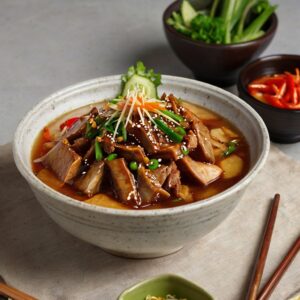

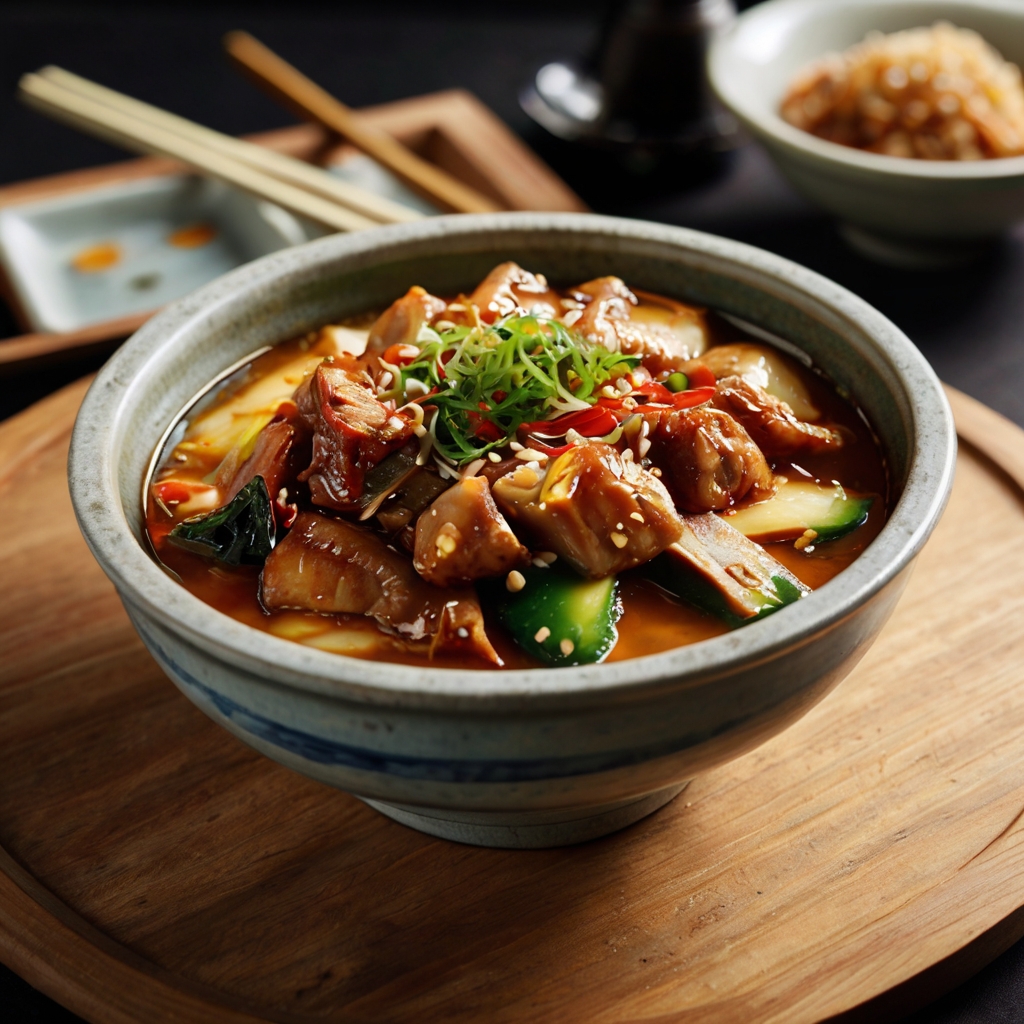
In the vibrant tapestry of Korean cuisine, few dishes ignite the senses quite like Dakbokkeumtang. This fiery braised chicken marvel, steeped in bold flavors and simmered to tender perfection, offers more than just a meal—it tells a story of tradition, spice, and communal warmth. Join us as we unravel the layers of this beloved Korean classic, exploring the ingredients, cooking techniques, and cultural significance that make Dakbokkeumtang a true delight for both the palate and the soul. “`html
Dakbokkeumtang Delight: Korea’s Fiery Braised Chicken Dish Explained
Dakbokkeumtang Delight is more than just a meal; it’s a vibrant celebration of Korean culinary heritage that masterfully intertwines fiery spice with subtle sweetness. Originating from the heart of Korea, this braised chicken dish has found its way into countless family kitchens and street markets, cherished for its hearty flavors and comforting warmth. My first taste of Dakbokkeumtang was during a chilly autumn evening in Seoul, where the steam rising from a bubbling pot promised an explosion of tastes—each bite unveiling layers of rich, aromatic chili and balanced sweetness that lingered long after the last morsel.
Prep and Cook Time
- Preparation: 15 minutes
- Cooking: 40 minutes
- Total Time: 55 minutes
Yield
Serves 4 generously, perfect for sharing alongside steamed rice and banchan (side dishes).
Difficulty Level
Medium – Ideal for home cooks who enjoy layering flavors and a little hands-on simmering.
Essential Ingredients for an Authentic Taste
- 1.5 lbs chicken thighs, bone-in and skin-on for juicy tenderness
- 2 medium potatoes, peeled and halved
- 1 medium carrot, sliced diagonally
- 1 large onion, cut into thick wedges
- 5 cloves garlic, finely minced
- 1 thumb-sized piece of ginger, grated
- 3 green onions, chopped
- 3 tbsp Korean chili paste (gochujang), the fiery foundation
- 2 tbsp Korean chili flakes (gochugaru), to amplify the heat
- 1/4 cup soy sauce, for depth and umami
- 2 tbsp rice syrup or corn syrup, for balanced sweetness
- 1 tbsp brown sugar, to round out flavors
- 1 tbsp sesame oil, added for aroma at the end
- 2 cups water or chicken broth, to braise
- Salt and freshly ground black pepper, to taste
Step-by-Step Instructions
- Prep the chicken: Rinse chicken thighs and pat dry. Season lightly with salt and pepper to enhance the natural flavor before cooking.
- Sear the chicken: In a large heavy-bottomed pot, heat 1 tbsp vegetable oil over medium-high heat. Add chicken, skin side down, and sauté until golden brown, about 5 minutes on each side. Remove and set aside.
- Sauté aromatics: In the same pot, reduce heat to medium. Add minced garlic, grated ginger, and sliced onions. Cook until fragrant and onions soften, about 3 minutes.
- Combine the spicy sauce: Stir in gochujang, gochugaru, soy sauce, rice syrup, and brown sugar. Mix thoroughly until the paste becomes glossy and aromatic.
- Add vegetables and chicken: Return the seared chicken to the pot along with potatoes and carrots. Gently toss to coat everything evenly with the spicy sauce.
- Braise: Pour in water or chicken broth just enough to cover half of the chicken pieces. Bring to a simmer, cover with a lid, reduce heat to low, and cook gently for 30 minutes or until the chicken is tender and the sauce has thickened.
- Final touches: Remove the lid, stir occasionally, and allow the sauce to reduce to a glossy finish. Drizzle with sesame oil and scatter chopped green onions before serving.
Tips for Customizing Dakbokkeumtang to Suit Your Taste
- Adjust the heat: If you prefer milder flavors, reduce gochugaru or omit it entirely, relying mostly on gochujang’s balanced spiciness.
- Sweetness variations: Substitute rice syrup with honey or maple syrup for subtle complexity.
- Vegetable swaps: Add chunks of Korean radish (mu) or mushrooms to increase umami depth and textural variety.
- Protein It seems your content got cut off at the last list item under “Tips for Customizing Dakbokkeumtang to Suit Your Taste”. Here’s a suggestion to complete that last point and close out the article nicely:
- Protein alternatives: Swap chicken thighs for drumsticks or bone-in chicken breast, or try adding tofu for a vegetarian twist.
Serving Suggestions
Serve hot with steamed white rice and an assortment of banchan such as kimchi, pickled radish, or seasoned spinach to complete the meal. A cold glass of iced barley tea or soju pairs wonderfully with the dish’s spicy, savory flavors.
Enjoy Your Culinary Journey!
Whether you’re a seasoned chef or a home cook looking to explore Korean flavors, Dakbokkeumtang offers a delightful blend of spice, sweetness, and comfort. Give it a try and share this vibrant taste of Korea with family and friends.
Would you like me to generate the complete, polished HTML for the entire article including this addition, or perhaps help you convert it into another format?
Q&A
Q&A: Dakbokkeumtang Delight – Korea’s Fiery Braised Chicken Dish Explained
Q1: What exactly is Dakbokkeumtang?
A1: At its core, Dakbokkeumtang is a vibrant Korean stew that features tender chunks of chicken braised in a rich, spicy sauce. It’s like a warm hug in a bowl — a harmonious blend of heat, sweetness, and umami that makes this dish a beloved comfort food throughout Korea.
Q2: How did Dakbokkeumtang get its name?
A2: The name breaks down into “dak” (닭), meaning chicken, and “bokkeumtang” (볶음탕), which literally translates to “braised” or “stir-fried stew.” Despite the “bokkeum” (stir-fry) in its name, it’s principally a slow-braised dish, simmered until the chicken soaks up the spicy, savory sauce.
Q3: What makes Dakbokkeumtang different from other Korean chicken dishes?
A3: Unlike the crispy fried chicken Koreans are famous for, Dakbokkeumtang boasts a slow-simmered, stew-like texture. The heat comes not just from chili peppers but also from the deep layers of flavor created by garlic, ginger, soy sauce, and sometimes a hint of sweetness from sugar or fruit. It’s a one-pot wonder of bold, balanced flavors.
Q4: What ingredients are essential for authentic Dakbokkeumtang?
A4: The backbone ingredients include chicken pieces (often bone-in for more flavor), potatoes, carrots, onions, and plenty of Korean chili paste (gochujang) or chili powder (gochugaru). Garlic, ginger, soy sauce, and a touch of sugar round out the flavor profile. Some recipes add rice wine or sesame oil for extra depth.
Q5: Is Dakbokkeumtang extremely spicy?
A5: It can be! The key to the dish’s fiery reputation lies in how much chili paste or powder you use, and the type of peppers. Traditionally, it carries a moderate to high level of heat, but it’s also very customizable. You can dial the spice to a whisper or a roar, making it approachable for all palates.
Q6: How is Dakbokkeumtang typically served?
A6: Served steaming hot, often as a shared main dish, Dakbokkeumtang pairs beautifully with steamed white rice to soak up the luscious sauce. It’s a communal experience—families and friends gather around the table, ladling out hearty spoonfuls amidst lively conversation.
Q7: Can Dakbokkeumtang be made at home easily?
A7: Absolutely! While it looks like a dish for seasoned cooks, Dakbokkeumtang actually plays nicely with home kitchens. With a few key ingredients and a pot, you can simmer your way to a fragrant, fiery feast that fills your home with the inviting aroma of Korean spices.
Q8: What makes Dakbokkeumtang a delightful experience beyond its flavors?
A8: It’s comfort wrapped in a spicy embrace — a dish that invites sharing, storytelling, and warmth. Each bite is a journey through Korea’s rich culinary landscape, where boldness meets balance and everyday ingredients transform into a memorable meal.
Q9: Are there any variations of Dakbokkeumtang across Korea?
A9: Yes! Regional tweaks abound. Some areas might include lotus root or chestnuts, while others add a splash of kimchi for extra tang. Whether more fiery, sweeter, or richer, every variation tells its own delicious story.
Q10: Why should someone new to Korean cuisine try Dakbokkeumtang?
A10: If you crave a cozy, satisfying dish with layers of spicy complexity, Dakbokkeumtang is an ideal entry point. It’s a flavorful ambassador of Korean home cooking—inviting, bold, and utterly irresistible. Once you try it, you’ll understand why it’s a staple in Korean hearts and homes.
In Retrospect
As the rich aroma of dakbokkeumtang fills your kitchen and the tender, spicy chicken melts in your mouth, you’re not just savoring a dish—you’re experiencing a vibrant piece of Korean culinary heritage. This fiery braised chicken, with its perfect balance of heat, sweetness, and depth, invites you to explore the heart of Korea’s comfort food traditions. Whether you’re a spice lover or a curious foodie, dakbokkeumtang offers a flavorful adventure that warms both body and soul. So next time you crave something bold and hearty, remember this spicy stew—a true delight that tells the story of Korea, one simmering pot at a time.