
There’s a certain magic that unfolds when black lentils meet a rich blend of spices, butter, and cream-a symphony of flavors that has captured hearts across the globe.Dal Makhani, often hailed as the crown jewel of Punjabi cuisine, is much more then just a dish; it’s an experience steeped in tradition and comfort. This creamy, indulgent lentil stew invites you into a world where slow-cooked goodness and aromatic herbs create a harmony so irresistible, each bite feels like a warm hug. In this article,we unravel the secrets behind the classic Dal Makhani recipe,guiding you step-by-step to recreate this iconic Indian delight right in your own kitchen. Get ready to embark on a culinary journey that celebrates heritage,flavor,and the magic of home-cooked love.
Dal Makhani Magic: Classic Recipe for Creamy Indian Delight
Dal Makhani Magic is not just a dish; it’s a celebration of rich traditions and authentic flavors rooted deep in punjabi cuisine. This creamy Indian delight has been a cherished staple on festive tables and everyday meals alike, where slow-cooked lentils simmer to luxurious perfection. My journey with Dal Makhani began in a bustling Delhi kitchen,where its velvety texture and smoky undertones instantly captivated my palate,inspiring countless homemade renditions. Discovering the secret behind its allure starts with understanding the choice of lentils, the meticulous cooking process, and those final touches that elevate it from comforting home food to an exquisite restaurant experience.
Prep and Cook Time
- Preparation: 15 minutes
- Soaking Time: 8 hours or overnight
- Cooking Time: 2 hours (slow simmering)
- Total: Approximately 2 hours 15 minutes plus soaking
Yield
Serves 4-6 hearty portions
Difficulty level
Medium – Requires patience but rewards with unmatched creamy texture and flavor depth
Ingredients
- 1 cup whole black urad dal (black gram lentils), rinsed and soaked overnight
- ¼ cup rajma (kidney beans), soaked overnight
- 4 cups water
- 3 tbsp unsalted butter
- 2 tbsp ghee
- 1 large onion, finely chopped
- 3 cloves garlic, minced
- 1-inch piece ginger, grated
- 2 medium tomatoes, pureed
- 2 green chilies, slit
- 2 tsp cumin seeds
- 1 tsp red chili powder
- 1 tsp garam masala
- 1 tsp dried fenugreek leaves (kasuri methi)
- 1 cup fresh cream
- Salt to taste
- Fresh coriander leaves, chopped (for garnish)
- optional: 1 tsp smoked paprika for subtle smoky flavor
Instructions
- Drain the soaked lentils and kidney beans. Transfer them to a heavy-bottomed pressure cooker with 4 cups of water and a pinch of salt. Cook under pressure for about 15-20 minutes until soft but not mushy. Alternatively, slow cook on low heat for 2 hours, adding water as necessary.
- In a deep skillet or heavy pan, heat ghee and butter over medium heat. Add cumin seeds and let them splutter, releasing their nutty aroma.
- Add finely chopped onions and sauté until golden brown,about 8-10 minutes. stir occasionally to avoid burning.
- Mix in minced garlic, grated ginger, and slit green chilies. Sauté for 2-3 minutes until fragrant.
- Pour in the pureed tomatoes. Cook on medium heat until the oil begins separating from the mixture, roughly 8-10 minutes.
- Sprinkle in red chili powder, garam masala, and kasuri methi. Stir well to combine and cook for another 2 minutes. Adding smoked paprika here enhances the signature smoky depth.
- Slowly add the cooked lentils and beans with their cooking liquid. Mix thoroughly and bring to a gentle simmer. Keep the heat low to avoid breaking the pulses.
- Cover partially and simmer on lowest heat for at least 1.5 to 2 hours. Stir every 15 minutes, adding water if the dal looks too thick. This slow-cooking allows flavors to meld and creates the creamy consistency that defines Dal Makhani Magic.
- Finish the dish by stirring in fresh cream and a generous knob of butter. Adjust salt to taste and simmer for 5 more minutes. For extra richness, whisk some butter into the dal just before serving.
- Garnish with chopped fresh coriander leaves and a splash of cream. Serve piping hot with naan, jeera rice, or your favorite Indian bread.
Tips for Success
- Soaking: Soak the lentils and rajma overnight for better texture and shorter cooking time.
- Patience is key: The slow cooker or stovetop method develops deeper flavors and enhanced creaminess.
- Smoky essence: For authentic taste, add a small piece of charcoal heated till red and place in the dal with a teaspoon of ghee for a few minutes before serving (dhungar method).
- Make-ahead: Dal Makhani tastes even better the next day after flavors have rested. Refrigerate and reheat gently before serving.
- Alternatives: Substitute fresh cream with coconut cream for a dairy-free version, though traditional richness is best achieved with real cream.
Serving Suggestions
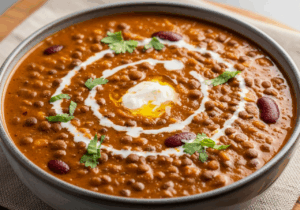
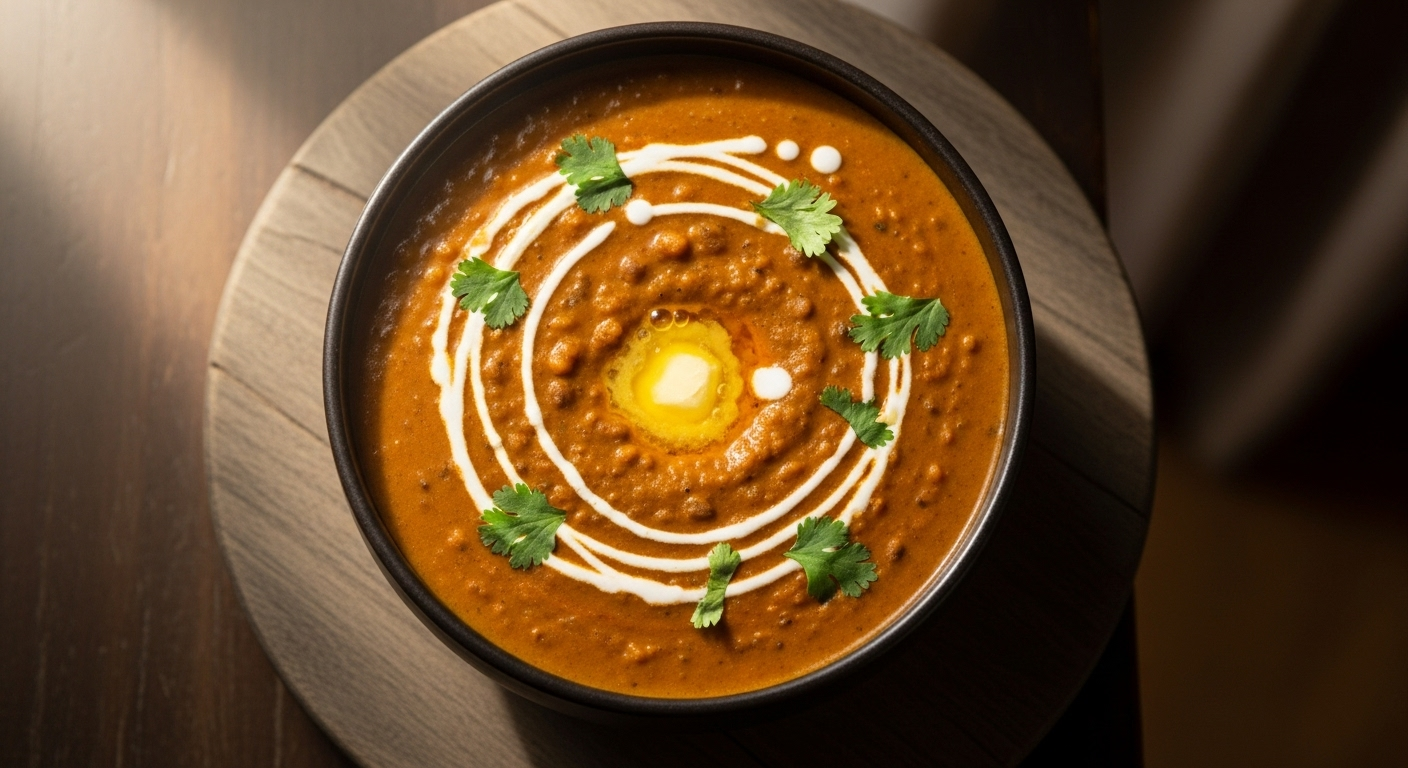
Plate your Dal Makhani Magic in a deep bowl, drizzling a little extra cream on top to create delicate swirls for visual appeal.Garnish with finely chopped coriander and a pat of melting butter for that irresistible shine. Serve alongside warm soft naan bread or fragrant cumin rice to soak up every last drop of the luscious gravy. Accompany the meal with a tangy pickle or fresh raita to balance the indulgence.

| Nutrient | Per Serving (g) |
|---|---|
| Calories | 320 |
| Protein | 18 |
| Carbohydrates | 35 |
| Fat | 12 |
For a deep dive into the nutrition benefits of lentils and pulses used in Dal Makhani Magic, check out this detailed guide on Healthline.
Q&A
Q&A: Dal Makhani Magic – Classic Recipe for Creamy Indian Delight
Q1: What is Dal Makhani, and why is it considered a classic Indian dish?
A: Dal Makhani is a rich, creamy lentil stew that hails from the Punjab region of India. Made predominantly with whole black urad dal and kidney beans, it’s slowly simmered with butter, cream, and spices to achieve a luscious texture. This dish has become a culinary icon, celebrated for its hearty flavor and velvety finish, frequently enough featured at festive occasions and cherished family meals alike.Q2: What makes Dal Makhani so uniquely creamy compared to other lentil dishes?
A: The secret lies in the cooking technique and ingredients. Dal Makhani uses a generous amount of butter and cream, added at the final stages of cooking, which imbues the lentils with a luxurious richness. Slow simmering allows the lentils to soften fully while absorbing the aromatics and spices, creating a smooth, almost buttery consistency that sets it apart from more rustic lentil soups.
Q3: Which spices are essential to capture the authentic taste of dal Makhani?
A: The classic spice palette includes cumin seeds, ginger, garlic, garam masala, coriander powder, and a touch of red chili powder. These spices build layers of warmth and depth, balancing the creaminess with a subtle kick.Fenugreek leaves (kasuri methi) are often added towards the end for an earthy, slightly bitter note that enhances the dish’s complexity.
Q4: Can Dal Makhani be made ahead and still taste good?
A: Absolutely! In fact, Dal Makhani tastes even better the day after it’s cooked. The flavors meld beautifully over time, intensifying the richness. Just be sure to store it properly in the fridge and reheat gently, adding a splash of water or cream if needed to restore its creamy texture.
Q5: What are some popular ways to enjoy Dal Makhani?
A: Traditionally,Dal Makhani is savored with Indian breads like naan,roti,or paratha. It’s also delightful over steamed basmati rice or jeera rice (cumin-flavored). For a festive touch, add a drizzle of fresh cream or a dollop of homemade butter on top before serving.It pairs wonderfully with a side of tangy pickles or crisp salad, balancing its richness.
Q6: Is Dal Makhani suitable for a vegan or gluten-free diet?
A: Dal Makhani is naturally gluten-free since it’s lentil-based. To make it vegan, simply replace the butter and cream with plant-based alternatives like coconut cream, cashew cream, or vegan butter. While the traditional version is buttery and indulgent, vegan adaptations can still deliver a creamy, satisfying experience.
Q7: how can a beginner home cook master the art of Dal Makhani?
A: Patience is key! Start by soaking the lentils overnight to reduce cooking time and ensure softness. Use a pressure cooker or slow cooker for consistently tender results. Focus on slow simmering to develop depth of flavor,and don’t rush the tempering (tadka) of spices in hot ghee or oil-it releases those aroma-packed oils that elevate the dish. With practice, the magical creaminess and bold flavors will become second nature.
Dal Makhani isn’t just a recipe; it’s a celebration of rich traditions,patience,and soulful cooking. Dive into its creamy depths and bring a taste of India’s culinary magic to your table!
To Conclude
As the rich, velvety aroma of Dal Makhani fills your kitchen, you’re not just preparing a dish-you’re inviting a centuries-old tradition to your dining table. This classic recipe, with its creamy texture and harmonious blend of spices, transforms humble lentils into a royal feast. Whether enjoyed with buttery naan or fragrant basmati rice, Dal Makhani remains a timeless emblem of Indian culinary magic. So next time you crave comfort and culture in one spoonful, remember that the secret to this creamy delight lies in patience, love, and a dash of spice-ready to elevate your meal into a memorable experience.