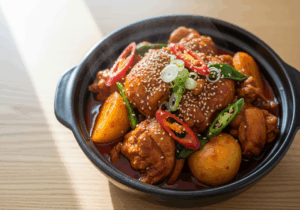

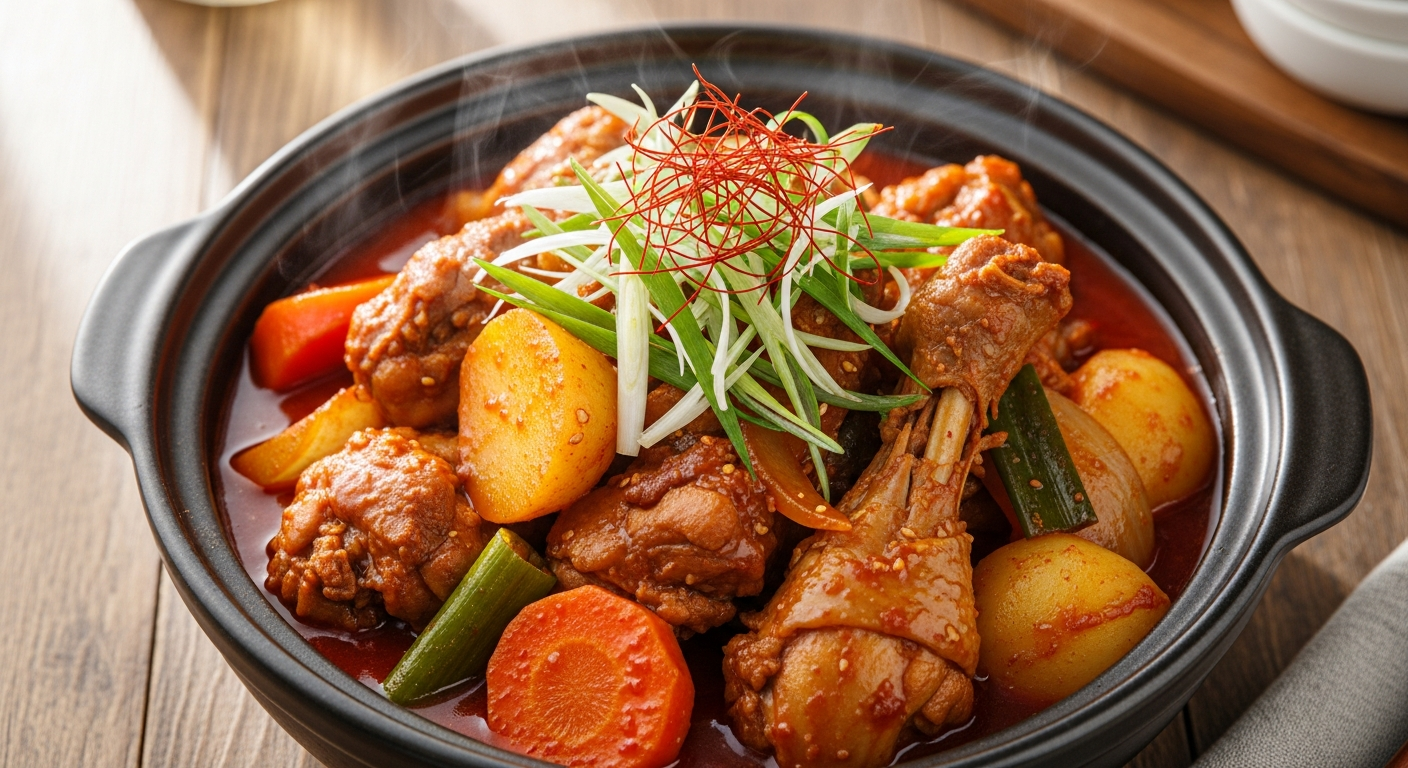
In the vibrant tapestry of Korean cuisine, few dishes captivate the palate quite like dakbokkeumtang, the fiery braised chicken that warms both heart and home. This spicy stew-rich with tender morsels of chicken simmered alongside earthy potatoes, chewy rice cakes, and a bold harmony of gochujang and garlic-embodies Korea’s love affair with heat and comfort. But beyond its tantalizing flavors lies a heritage of culinary secrets and time-honored techniques that elevate dakbokkeumtang from simple stew to a beloved national treasure. Join us as we unravel the story behind this spicy sensation, exploring the art and tradition that make dakbokkeumtang a true delight in Korea’s gastronomic landscape.
Dakbokkeumtang Delight brings to life a symphony of vibrant Korean spices and tender chicken simmered to perfection. This iconic spicy braised chicken, celebrated across korean households, combines the warmth of gochugaru and gochujang with a harmonious blend of savory and subtly sweet notes, delivering a flavor profile that’s both comforting and exhilarating. Whether shared at a family dinner or a lively gathering, mastering this recipe unlocks the very essence of Korea’s rich culinary tradition.
Prep and Cook Time
- Readiness: 20 minutes
- Cooking: 50 minutes
- Total: 1 hour 10 minutes
Yield
Serves 4 hearty portions
Difficulty Level
Medium – approachable for confident home cooks
Ingredients
- 1.5 lbs (700g) chicken thighs, bone-in and skin-on for supreme flavor
- 3 medium potatoes, peeled and cut into large chunks
- 2 medium carrots, sliced into thick rounds
- 1 large onion, roughly chopped
- 4 cloves garlic, minced
- 1 thumb-sized piece of ginger, grated
- 3 tablespoons Korean chili powder (gochugaru)
- 2 tablespoons Korean chili paste (gochujang)
- 3 tablespoons soy sauce, preferably dark and rich
- 2 tablespoons brown sugar or honey for balanced sweetness
- 1 tablespoon sesame oil
- 2 cups water or low-sodium chicken broth
- 2 scallions, sliced diagonally for garnish
- 1 teaspoon toasted sesame seeds, optional but highly recommended
- Salt and freshly ground black pepper to taste
Instructions
- Prepare the chicken: Pat dry the chicken thighs with paper towels. Season lightly with salt and pepper. This helps the skin crisp and ensures seasoning penetrates the meat.
- Mix the sauce: In a medium bowl, whisk together gochugaru, gochujang, soy sauce, brown sugar, garlic, and ginger.Adjust heat by adding more or less chili powder according to your taste preferences.
- Sauté the aromatics: Heat the sesame oil in a large, heavy-bottomed pot over medium heat. Add onions and sauté until translucent and fragrant, about 4 minutes.
- Add chicken and sear: Push onions aside, place chicken thighs skin-side down, and cook until golden brown, about 5-7 minutes per side. This step locks in juices and builds rich flavor.
- Incorporate vegetables and sauce: Add potatoes and carrots to the pot, then pour the spicy sauce over the chicken and veggies. Stir gently to coat all ingredients evenly without peeling off the chicken skin.
- Add liquid and simmer: Pour in the water or chicken broth just enough to submerge the ingredients halfway. Bring to a boil, then reduce to a low simmer. Cover with a lid, leaving a small gap to allow steam to escape, and cook for 40-50 minutes.
- Check for tenderness: Test the potatoes and chicken for doneness-the chicken should fall off the bone effortlessly, and vegetables should be tender but not mushy.
- Adjust seasoning and reduce sauce: Remove the lid, turn up heat to medium-high, and simmer for 5-7 minutes to thicken the sauce slightly.Taste and adjust salt or sweetness if needed.
- Garnish and serve: Sprinkle with sliced scallions and toasted sesame seeds just before serving to add freshness and crunch.
Tips and Tricks to Balance heat and Sweetness in Your Dakbokkeumtang Delight
Scaling the spicy heat can be tricky. The secret lies in the interplay between the fiery gochugaru, the fermented depth of gochujang, and the counterbalance from sugar or honey. For a milder dish, reduce chili powder and increase the sweetener slightly. If you crave extra heat, consider adding a fresh sliced chili or a dash of chili oil toward the end. Remember, patience is key-allowing the sauce to simmer gently ensures the flavors marry beautifully without any harsh sharpness.
Chef’s Notes
- variations: Substitute chicken thighs with drumsticks or bone-in breasts for variation in texture.
- Substitutions: Use sweet potatoes instead of regular potatoes for a naturally sweeter twist.
- Make-ahead: This dish tastes even better the next day as flavors deepen. Prepare ahead and gently reheat over low heat.
- Thickening tip: if your sauce is too thin, stir in a teaspoon of cornstarch diluted in cold water during the last simmer.
- Fresh herbs: Adding fresh cilantro or Thai basil just before serving offers an unexpected aromatic lift.
Serving Suggestions to Elevate Your Spicy Feast
Serve this piping hot Dakbokkeumtang Delight in a deep, rustic bowl to highlight its vibrant red sauce and hearty ingredients. Pair with fluffy white rice or steamed short-grain rice that soaks up every bit of the luscious sauce.
For textural contrast, include crisp kimchi on the side-its tangy crunch complements the rich dish perfectly. A simple cucumber salad tossed in rice vinegar offers refreshing coolness, while a bowl of soft, mildly flavored gyeran jjim (Korean steamed egg) will balance the spice beautifully.
Drizzle the final dish with a little extra sesame oil or a squeeze of fresh lime for added depth and brightness. Garnishing with thin strips of toasted seaweed (gim) creates a stunning visual and adds an umami punch.
| Nutrient | Per Serving |
|---|---|
| Calories | 420 kcal |
| Protein | 35 g |
| Carbohydrates | 30 g |
| Fat | 18 g |

Discover the charm of authentic Korean cooking and dive deeper into the world of spicy comfort by exploring our Korean spicy stews collection. For more detailed history and spice profiles, visit the Maangchi Korean cooking blog.
Q&A
Q&A: Dakbokkeumtang Delight – Unveiling Korea’s Spicy Braised Chicken Secrets
Q1: What exactly is Dakbokkeumtang?
A1: Dakbokkeumtang, frequently enough called spicy braised chicken, is a beloved Korean dish that features tender chicken simmered in a rich, fiery sauce made from gochujang (korean red chili paste), soy sauce, garlic, and a medley of vegetables.It’s comfort food with a kick-hearty, flavorful, and perfect for sharing.
Q2: How did Dakbokkeumtang earn its place in Korean cuisine?
A2: Rooted in humble home kitchens, Dakbokkeumtang rose to prominence as an affordable, nutritious meal that combined readily available ingredients. Over time, its bold flavors and warming heat made it a staple at family tables and local eateries alike-a spicy hug in a bowl during Korea’s cold seasons.
Q3: What makes the sauce in Dakbokkeumtang so special?
A3: The magic lies in the balance.Gochujang provides smoky sweetness and deep heat, while soy sauce adds umami depth. Garlic and ginger infuse warmth, and a touch of sugar or honey rounds out the flavor with a subtle sweetness. This layered sauce slow-cooks into a glossy, richly flavored coating that clings lovingly to every morsel of chicken.
Q4: Are there regional variations of Dakbokkeumtang?
A4: Absolutely! Some regions amp up the spiciness with extra chili flakes, while others incorporate potatoes and carrots to stretch the stew and add comforting textures. Coastal areas might include seafood nuances or sprinkle sesame seeds for a fragrant finish. Each variation tells a story of local tastes and traditions.
Q5: What’s the secret to making the chicken tender and juicy?
A5: Patience is key! Simmering the chicken gently in the sauce allows it to absorb all the flavors without drying out. Some home cooks also marinate the chicken briefly beforehand or add a splash of rice wine during cooking to tenderize the meat and enhance aroma.
Q6: Can Dakbokkeumtang be customized for diffrent spice levels?
A6: Definately. While the dish is known for its bold heat,you can dial it up or down by adjusting the amount of gochujang and chili flakes. For a milder version,substitute some of the chili paste with sweet red pepper paste or add more soy sauce and broth to temper the spice.Q7: What should I serve with Dakbokkeumtang to complete the meal?
A7: Traditionally, dakbokkeumtang pairs wonderfully with plain steamed rice to soak up the luscious sauce. Side dishes like kimchi, pickled radish, or fresh greens provide a refreshing contrast. A chilled glass of Korean barley tea or soju can also elevate the experience.
Q8: Is Dakbokkeumtang suitable for cooking beginners?
A8: Yes! Despite its complex flavors,Dakbokkeumtang is quite straightforward to prepare. The key is layering your ingredients and allowing enough time to simmer. It’s a fantastic dish for novice cooks eager to explore Korean spice without intimidating techniques.
Q9: How has Dakbokkeumtang evolved in contemporary Korean cuisine?
A9: Modern chefs are experimenting by adding unexpected ingredients like sweet potatoes,cheese,or even North American twists such as maple syrup or smoked paprika,blending tradition with innovation. Yet, the heart of Dakbokkeumtang remains its comforting, fiery soul.
Q10: Why should everyone try dakbokkeumtang at least once?
A10: Because it’s more than just a chicken stew-it’s an experience of Korea’s rich culinary heritage captured in a bowl. Its harmonious blend of spice,sweetness,and umami delivers a satisfying meal that ignites the senses and warms the heart. Once you try it, Dakbokkeumtang might just become your new favorite comfort food!
Key Takeaways
As the final notes of Dakbokkeumtang’s spicy symphony linger on the palate, one thing becomes clear: this beloved Korean braised chicken dish is more than just a hearty meal-it’s a vibrant tapestry woven from centuries of tradition, bold flavors, and communal warmth. From its fiery gochujang-infused sauce to the tender, succulent chicken that absorbs every spicy, savory nuance, Dakbokkeumtang invites both novice cooks and seasoned chefs alike to explore the rich culinary heritage of Korea. Whether enjoyed bubbling away in a bustling kitchen or shared among friends gathered around a steaming table, this dish stands as a flavorful testament to Korea’s vibrant food culture. So next time you crave a meal that awakens the senses and tells a story with every bite, remember the secrets of Dakbokkeumtang-where spice meets soul in perfect harmony.