
Nestled within the vibrant tapestry of persian cuisine lies a golden-hued treasure that dazzles both the eyes and the palate-Sholeh Zard. This enchanting saffron-infused rice pudding is more than just a dessert; it is a celebration of Persia’s rich history, fragrant spices, and time-honored traditions. With its delicate sweetness and aromatic allure, Sholeh Zard invites food lovers on a sensory journey to the heart of Iran, where every spoonful tells a story of cultural heritage and culinary artistry. Join us as we uncover the origins, ingredients, and cultural significance of Persia’s beloved golden saffron rice delight.
Sholeh zard, persia’s golden saffron rice delight, is a heartwarming dessert that beautifully bridges history, culture, and culinary artistry in every fragrant spoonful. Steeped in tradition, this velvety saffron-infused rice pudding has graced Persian tables for centuries, frequently enough served during special occasions and religious ceremonies as a symbol of sweetness, prosperity, and sharing.
Prep and Cook Time
Preparation: 15 minutes | Cooking: 45 minutes | Total: 1 hour
Yield
Serves 6 generous portions
Difficulty Level
medium – Ideal for home cooks ready to master the balance of aromatic spices and creamy textures
Key Ingredients and Techniques to Master Authentic Sholeh Zard
At the heart of every classic Sholeh Zard recipe lies basmati rice gently simmered to a silky softness, paired with the most coveted Persian treasure: saffron. This gold-hued spice infuses the dessert with its unmistakable aroma and vibrant color. Mastery comes from soaking the saffron in hot water to release its full flavor and delicately stirring the pudding to prevent sticking or clumping, ensuring a luscious finish.
Several essential ingredients contribute to Sholeh Zard’s unique character:
- Basmati rice (washed and soaked) – the foundation for texture and body
- Pure saffron threads – steeped and strained for maximum color and fragrance
- Sugar – balancing rich earthiness with natural sweetness
- Rose water – adding an intoxicating floral whisper
- Ground cinnamon and cardamom – warm spices to enhance depth
- Chopped slivered almonds and pistachios – for garnish, providing a delightful crunch
Ingredients
- 1 cup basmati rice, rinsed and soaked for 30 minutes
- 6 cups water
- 1 ½ cups granulated sugar
- 1 generous pinch saffron threads, soaked in 3 tbsp hot water for 15 minutes
- 3 tbsp rose water
- 1 tsp ground cinnamon
- ½ tsp ground cardamom
- 2 tbsp unsalted butter
- 2 tbsp crushed slivered almonds (for garnish)
- 2 tbsp crushed pistachios (for garnish)
- 2 tbsp raisins or barberries (optional, for garnish)
instructions
- Drain the soaked rice and transfer to a large heavy-bottomed pot. Pour in the 6 cups of water and bring to a gentle boil.
- Reduce heat and simmer, uncovered, stirring occasionally to prevent sticking, until the rice grains soften and begin to break down – about 30 minutes.
- Add the sugar gradually, stirring continuously to dissolve fully. Simmer for another 10 minutes, allowing the mixture to thicken slightly.
- Stir in the soaked saffron with its water, rose water, butter, ground cinnamon, and cardamom. blend gently but thoroughly to achieve a vibrant golden hue and luscious aroma.
- Continue to cook on low heat, stirring often until the pudding reaches a creamy, porridge-like consistency – approximately 10-15 minutes.
- Pour the Sholeh Zard into shallow serving bowls or a large communal dish. Smooth the surface with a spoon.
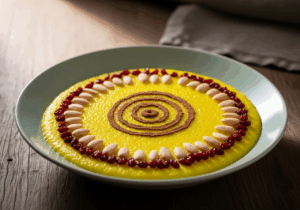
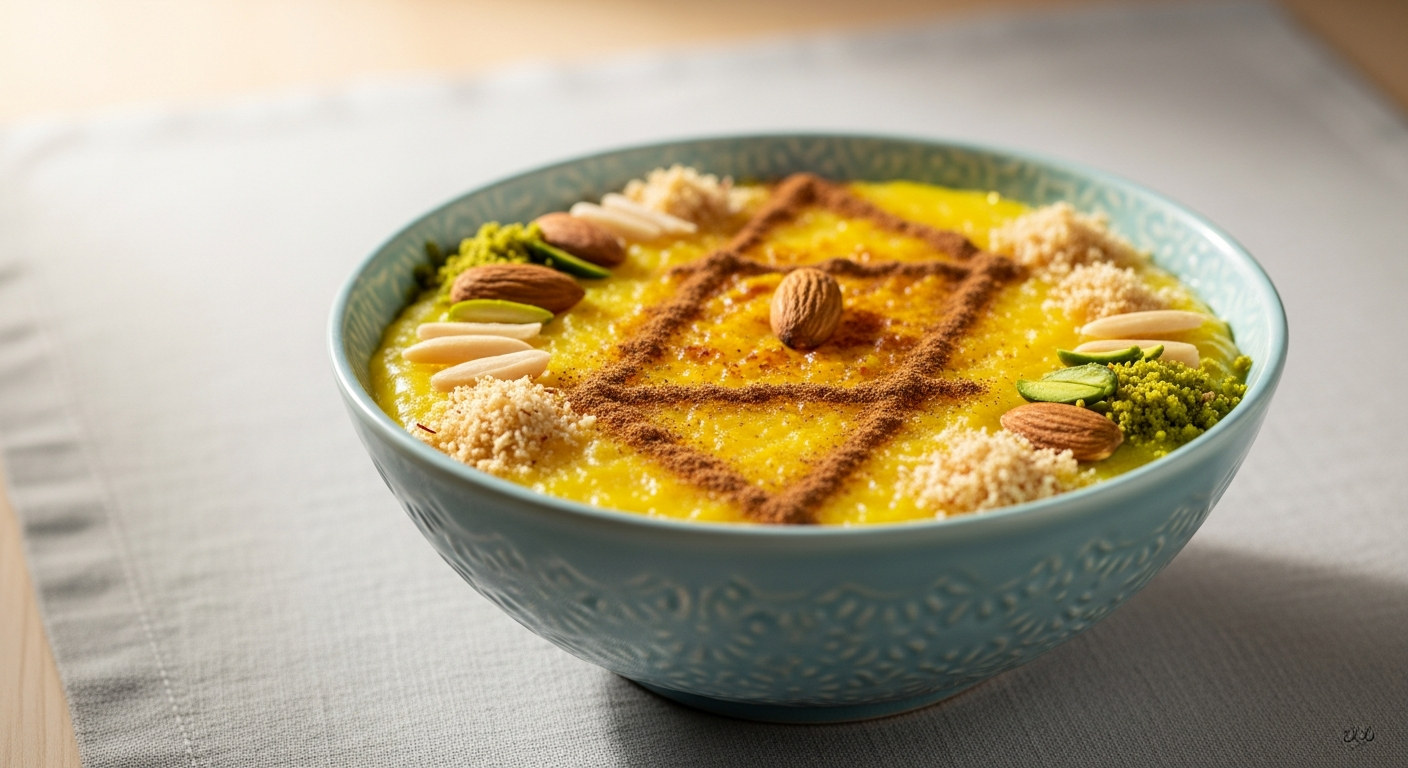
- Decorate the top with intricate patterns using crushed almonds,pistachios,and a light dusting of cinnamon. Add raisins or barberries if desired for a pop of color and tartness.
- Allow to cool to room temperature, then chill in the refrigerator for at least 1 hour before serving for best texture and flavor melding.
Health Benefits and Nutritional Highlights of This Saffron Infused Dessert
While indulging in Sholeh Zard feels like a luxurious treat, this dessert also offers subtle health benefits rooted in its natural ingredients. Saffron is renowned for its antioxidant properties and mood-enhancing compounds, while cardamom supports digestion and adds anti-inflammatory benefits.
Basmati rice provides a gluten-free source of energy with a low glycemic index, promoting steadier blood sugar levels. The addition of nuts like pistachios and almonds introduces heart-healthy fats, protein, and fiber, enriching the nutritional profile. Of course, moderation is key with the sugar content, but the vibrant spices and floral notes make it a dessert worth savoring thoughtfully.
Expert Tips for Serving and Pairing Sholeh Zard to Elevate Your Dining Experience
Sholeh zard shines brightest as a centerpiece to Persian-inspired meals or a delicate finale to a festive gathering. For a conventional touch, serve chilled with a sprinkle of toasted nuts and a fresh rose petal garnish to enhance its floral essence.
Pair this saffron rice delight with:
- A cup of steaming Persian black tea or cardamom-spiced chai to complement the aromatic spices
- Fresh seasonal fruits like pomegranate arils or sliced apricots for a tangy contrast
- A light dollop of unsweetened whipped cream or clotted cream for added richness
For an elegant presentation, consider serving Sholeh Zard in clear glass dessert dishes to showcase its golden color, accentuated with pistachio-green and almond-white toppings that turn every serving into a visually stunning experience.
| Nutrient | Per Serving |
|---|---|
| Calories | 290 kcal |
| Protein | 5g |
| Carbohydrates | 60g |
| Fat | 4g |
Tips for Success
- Use quality saffron: Authentic saffron threads are key. Avoid powders or substitutes for the best color and aroma.
- Soak rice beforehand: This shortens cooking time and helps achieve that creamy, broken-down texture.
- Stir consistently, but gently: Prevent sticking without breaking the rice grains to aggressively.
- Customize sweetness: Adjust sugar to taste, considering the natural sweetness of your saffron infusion.
- Make ahead: Prepare the dessert a day in advance; chilling enhances flavors and texture immensely.
- Prevent clumps: When adding saffron water, stir well to distribute evenly, avoiding pockets of intense flavor or color.

For further culinary inspiration, explore our Persian Desserts Collection and dive deeper into the richness of Middle Eastern sweets. To learn more about saffron’s benefits and cultural role, visit this detailed study by NCBI.
Q&A
Q&A: Sholeh Zard – Discover Persia’s Golden Saffron Rice Delight
Q1: What is Sholeh Zard?
A: Sholeh Zard is a traditional persian sweet rice pudding, celebrated for its radiant golden hue and fragrant aroma. Made from saffron-infused rice simmered with sugar, rosewater, and a sprinkle of slivered almonds and cinnamon, it’s a soul-soothing dessert that has graced Persian tables for centuries.
Q2: Why is Sholeh Zard considered Persia’s “golden” delight?
A: The “golden” nickname comes from the vivid yellow color imparted by saffron threads, one of the world’s rarest and most precious spices. This lustrous golden shade not only dazzles the eyes but also hints at the luxurious, floral essence that defines Sholeh Zard’s character.
Q3: What are the key ingredients that make Sholeh Zard unique?
A: The heart of Sholeh Zard lies in its trio of ingredients: saffron, rosewater, and basmati rice. Saffron lends its unmistakable color and aroma, rosewater adds a subtle floral sweetness, and the long-grain rice provides a creamy, comforting texture. Together,they create an enchanting blend of flavors quintessentially Persian.
Q4: How is Sholeh Zard traditionally prepared?
A: Traditionally, Sholeh Zard is lovingly cooked over low heat, allowing the rice to gently absorb the saffron and sugar syrup. It’s stirred patiently until creamy and smooth. Once thickened, it’s poured into shallow serving dishes and chilled, then artfully garnished with cinnamon, pistachios, and sometimes rose petals – turning a simple dish into an edible work of art.Q5: In what occasions is Sholeh Zard typically served?
A: Sholeh Zard is more than just a dessert; it’s a symbol of celebration and spirituality. Often prepared during religious ceremonies, festive gatherings like Nowruz (Persian New Year), and family reunions, the dish brings warmth and sweetness to moments of togetherness and reflection.
Q6: can Sholeh Zard be enjoyed in modern culinary contexts?
A: Absolutely! Contemporary chefs are reimagining Sholeh Zard by incorporating it into fusion desserts, parfaits, and even ice creams. Yet,no matter the innovation,its essence remains – a comforting,golden embrace from Persian culinary heritage.
Q7: Where can one experience authentic sholeh Zard outside of Iran?
A: Authentic Sholeh Zard can be found in Persian restaurants around the world, especially in cities with vibrant Iranian communities. Additionally, numerous online recipes and cooking classes invite adventurous food lovers to create this golden delight at home, bringing a taste of Persia’s rich culture right to their kitchen.
Q8: What cultural significance does Sholeh Zard hold in Persian tradition?
A: Beyond its sweet taste, Sholeh Zard symbolizes gratitude and healing. It’s often made as an offering during prayers or as a supplication for health and happiness. Its golden strands evoke light and hope, making it a dish steeped in symbolism and also flavor.
Discovering Sholeh Zard is like unwrapping a fragrant, golden story from the heart of Persia – a culinary treasure that invites you to savor history, culture, and the timeless magic of saffron.
Insights and Conclusions
as the delicate aroma of saffron lingers in the air and the rich golden hue of Sholeh Zard captivates the eye, this timeless Persian dessert invites you to experience a sweet tradition steeped in history and culture. Beyond its sumptuous flavors and vibrant color lies a story of patience, artistry, and the warm hospitality of Persia. Whether enjoyed during festive celebrations or quiet moments of reflection, Sholeh Zard is more than just saffron rice-it is a golden thread weaving together past and present, flavor and memory. So next time you seek a taste of Persia’s culinary heritage, let Sholeh Zard be your golden delight, a fragrant journey to the heart of a culture that treasures both sweetness and grace.