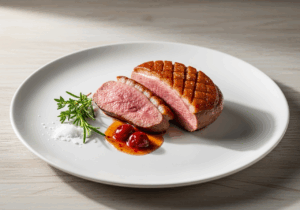

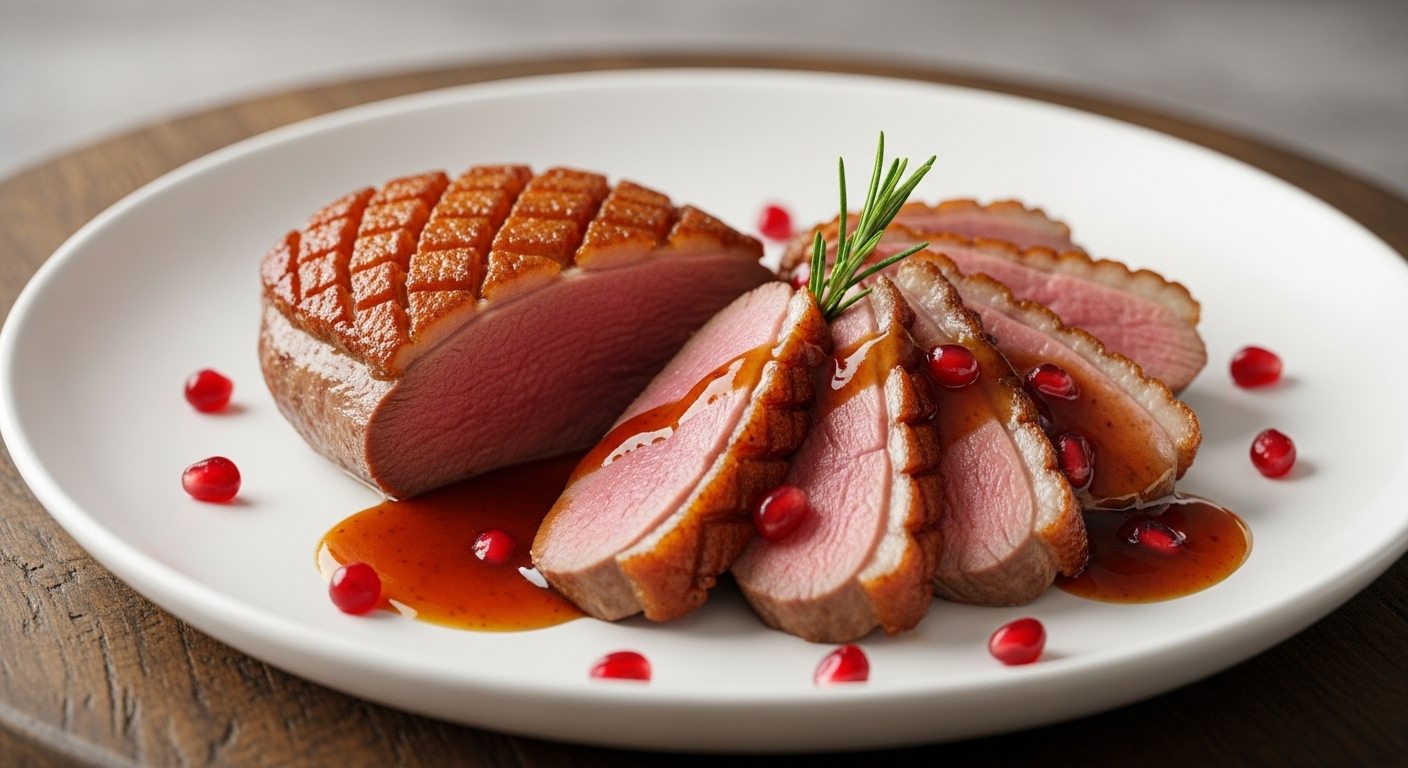
There’s something undeniably enchanting about a perfectly crisped duck breast-the tantalizing crackle of its golden skin giving way to tender, succulent meat beneath. Mastering this culinary art not only elevates a simple meal but also unlocks a symphony of flavors that dance on the palate. In this flavor guide, we’ll explore the secrets behind achieving that coveted crispy exterior while preserving the rich, gamey essence of duck breast. Whether you’re a seasoned chef or an adventurous home cook,prepare to embark on a savory journey that transforms humble ingredients into a resturant-worthy masterpiece.
Perfectly crispy pan-seared duck breast embodies a culinary masterpiece that balances rich, succulent meat with a satisfyingly crackling skin.This dish invites you to explore the art of duck readiness-from selecting the ideal cut to mastering the delicate scoring and seasoning techniques. Originating from European bistros and beloved by gourmets worldwide, duck breast is an indulgent choice that elevates any meal with its depth of flavor and elegance.
Prep and Cook Time
- Preparation: 10 minutes
- Cooking: 15 minutes
- Total: 25 minutes
Yield
Serves 2 generously
Difficulty Level
Medium – requires attention to technique but approachable for home cooks
Ingredients
- 2 duck breasts (skin-on,about 6-7 ounces each)
- 1 teaspoon flaky sea salt
- 1/2 teaspoon freshly ground black pepper
- 1 teaspoon chinese five-spice powder (optional,for a warm aromatic touch)
- 1 tablespoon unsalted butter
- 1 sprig fresh thyme
- 1 garlic clove smashed
- 2 tablespoons red wine or chicken stock (for deglazing)
Instructions
- Start by patting your duck breasts dry with paper towels. This step is vital to achieve the coveted crispy skin.
- Score the skin gently in a diamond pattern without cutting into the flesh. Use a sharp knife and make 1/4-inch deep cuts. This allows the fat to render beautifully and creates a texture contrast that’s irresistible.
- Season both sides generously with flaky sea salt, black pepper, and five-spice powder if using. press the seasoning into the skin and flesh to maximize flavor absorption.
- Place the duck breasts skin-side down in a cold (not heated) non-stick skillet. Starting cold helps the fat render slowly, preventing burning.
- Turn the heat to medium and cook for 8-10 minutes without moving the breasts. You’ll notice the skin gradually turning golden and crisp; adjust heat if necessary to avoid scorching.
- Flip the duck breasts over and cook the flesh side for another 4-5 minutes, depending on thickness, aiming for medium-rare (internal temperature around 135°F/57°C).
- In the last 2 minutes, add butter, thyme, and smashed garlic to the pan. Spoon the melted aromatic butter over the breasts repeatedly to infuse flavor and enhance the glossy finish.
- Remove the duck from the pan and let rest for at least 5 minutes under loose foil. Resting allows juices to redistribute, ensuring each bite is tender and juicy.
- Deglaze the pan with red wine or chicken stock, scraping up browned bits to create a simple pan sauce.Simmer until slightly reduced and drizzle over sliced duck.
- slice the duck breast thinly against the grain to preserve tenderness, arrange on plates, and serve immediately to showcase the contrast of crisp skin and succulent meat.
Tips for Success
- Choosing your duck: Look for breasts with a firm, pale pink flesh and thick, even skin for maximum fat rendering and crispiness.
- Score carefully: Avoid cutting too deep which can release juices prematurely, drying the meat.
- Cooking temperature: maintain medium heat – too high causes burnt skin; too low won’t render the fat well.
- Resting matters: Cutting too soon lets juices escape, so allow at least 5 minutes resting time.
- Make-ahead: Season duck breasts the night before to deepen flavor, refrigerate uncovered to dry out skin enhancing crispiness.
Serving Suggestions
Present your perfectly crispy pan-seared duck breast with vibrant sides to complement its rich profile.Consider silky mashed potatoes, braised red cabbage, or a tangy cherry reduction sauce. Fresh herbs like thyme or microgreens add visual freshness and an herbal lift. A drizzle of balsamic glaze or a dollop of citrus-infused crème fraîche creates a multi-dimensional dining experience that highlights the duck’s bold character.

| nutrient | Amount per Serving |
|---|---|
| Calories | 420 kcal |
| Protein | 36 g |
| Carbohydrates | 2 g |
| Fat | 30 g |
For further inspiration on gourmet poultry dishes, explore our herb-roasted chicken recipe. To deepen your knowledge on safe cooking temperatures for poultry, visit the USDA’s food safety guide.
Q&A
Q&A: Perfectly Crispy Pan-Seared Duck Breast – A Flavor Guide
Q1: Why choose duck breast for pan-searing instead of other cuts?
A1: Duck breast is a culinary gem, offering a rich, succulent meat balanced by a layer of flavorful fat. When pan-seared properly, the skin crisps to a golden perfection, creating a delightful contrast of textures that you won’t get from leaner cuts. Its natural oils render beautifully,infusing every bite with luxurious flavor.Q2: What’s the secret to achieving that perfectly crispy skin?
A2: Patience and preparation are your best friends here. Start by scoring the skin in a diamond pattern-this helps the fat render out evenly and prevents curling. Ensure the skin is dry by thoroughly patting it with paper towels. Begin cooking skin-side down in a cold pan, then gradually increase the heat. this slow render-to-crisp method unlocks irresistibly crunchy skin without burning.
Q3: How do I know when the duck breast is cooked just right?
A3: Duck breast is best served medium-rare to medium, preserving its juicy texture. Aim for an internal temperature around 135°F (57°C). You can check doneness with an instant-read thermometer or by gently pressing the meat: it should feel firm but springy, not hard or mushy. Rest the meat for five minutes before slicing to let juices redistribute.
Q4: What flavors complement the rich character of duck breast?
A4: Duck’s bold,savory profile welcomes vibrant,tangy,and sweet flavor companions. Classic pairings include fruity glazes or sauces like cherry, orange, or pomegranate, which cut through the richness with bright acidity. Herbs such as thyme or rosemary add earthy depth, while spices like star anise and Chinese five-spice nod to duck’s global appeal.
Q5: Can I use the duck fat rendered in the pan?
A5: Absolutely! that golden duck fat is liquid gold in the kitchen. Use it to roast potatoes,sauté vegetables,or even pan-fry eggs for a subtle,savory boost. Its rich, silky texture and smoky notes make it a prized flavor enhancer.
Q6: Any tips for plating and serving pan-seared duck breast?
A6: Slice the breast thinly against the grain to reveal the rosy interior and maximize tenderness. Arrange slices fan-like on a warmed plate, then drizzle with your chosen sauce or reduction. Accompany with seasonal sides that offer contrasting textures-think creamy mashed root vegetables, crisp roasted greens, or a zesty salad to balance richness.
Q7: How can I elevate my duck breast dish beyond basics?
A7: Experiment with international twists-try a miso glaze for umami depth or a Sichuan peppercorn seasoning for a spicy kick. Layer flavors by marinating briefly or finishing with a squeeze of citrus or sprinkle of flaky sea salt. Presentation matters too: microgreens, pomegranate seeds, or edible flowers add color and intrigue to your plate.
Q8: What’s a common mistake to avoid when pan-searing duck breast?
A8: The most frequent pitfall is rushing the cooking process-turning the heat too high too soon can burn the skin and leave the meat undercooked. Resist poking or flipping the breast repeatedly; let the pan do the work, and handle the meat gently for optimal texture and flavor.
Enjoy mastering the art of perfectly crispy pan-seared duck breast-a dish where technique and flavor harmonize to create a truly indulgent experience.
To Wrap It Up
As you embark on your next culinary adventure with pan-seared duck breast, remember that achieving that perfect crispy skin is both an art and a science-a harmonious dance of heat, timing, and technique. With each sizzle and golden crackle, you’re unlocking layers of rich flavors and textures that transform a simple ingredient into a masterpiece. Armed with these insights and flavor tips, your kitchen is ready to become a stage where duck breast reaches its crispy, succulent potential. So go ahead, savor the process, and let every bite tell the story of crispness perfected.