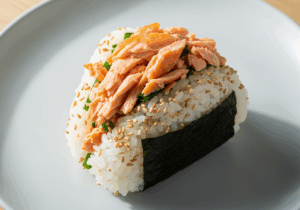

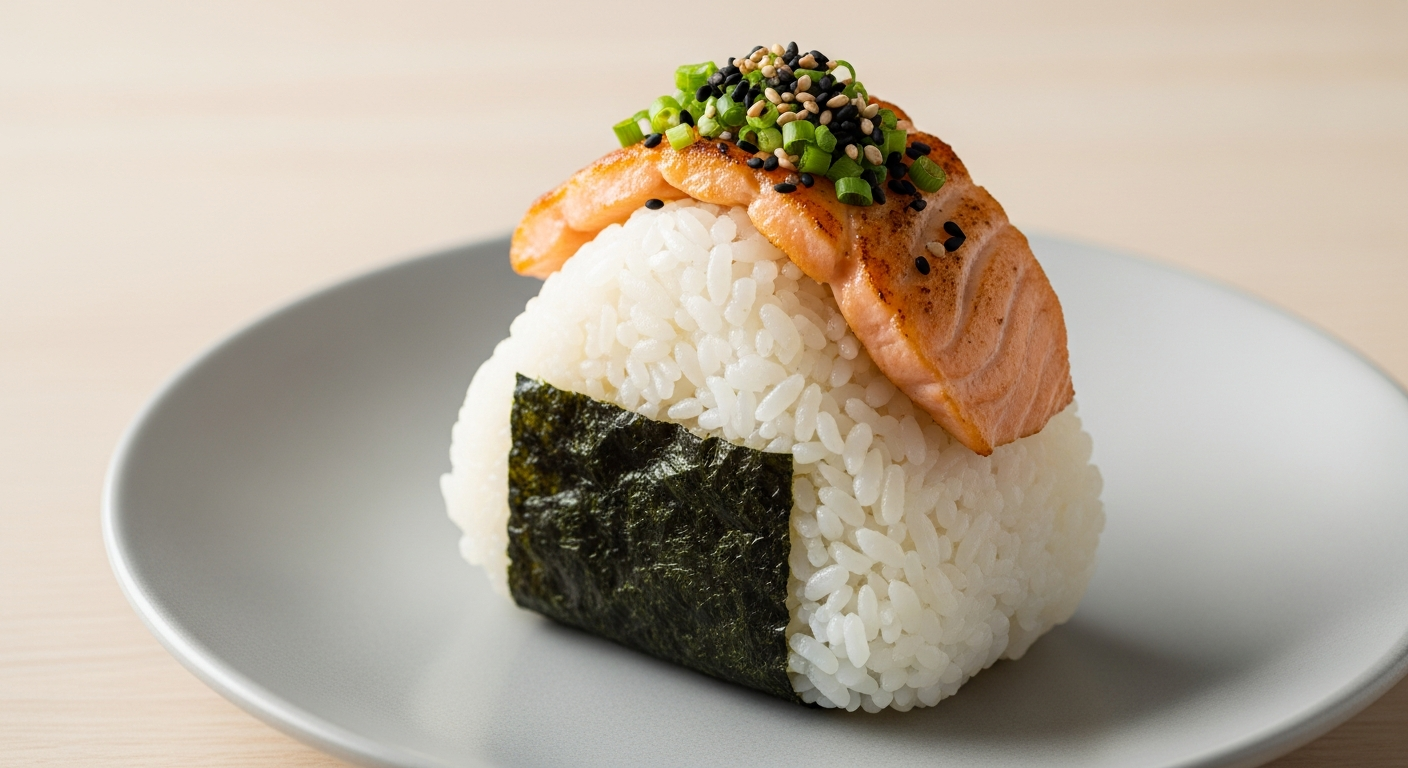
There’s something undeniably comforting about the simple elegance of onigiri – those perfectly shaped rice balls that have been a beloved staple in Japanese cuisine for centuries.among the many varieties, salmon onigiri holds a special place, offering a harmonious blend of flaky, savory fish and tender, seasoned rice wrapped in a crisp sheet of nori. Whether enjoyed as a speedy snack, a lunchbox favorite, or a picnic companion, mastering the art of salmon onigiri at home opens a delightful gateway to Japan’s rich culinary tradition.In this article, we’ll journey through the essential techniques and insider tips to help you create these bite-sized treasures with ease and authenticity.Get ready to savor Japan right in yoru kitchen.
Savor Japan: How to Make Perfect Salmon Onigiri at Home begins with the exciting journey of selecting the finest salmon, a cornerstone for an authentic onigiri flavor that truly honors this beloved Japanese snack. Whether you’re a seasoned cook or a curious newcomer, mastering each element-from rice texture to shaping techniques-will elevate your homemade salmon onigiri to irresistible perfection.
Prep and Cook Time
- Preparation: 15 minutes
- Cooking: 30 minutes (includes rice cooking and salmon preparation)
- Total Time: 45 minutes
Yield
Makes 6 medium-sized salmon onigiri
Difficulty Level
Medium – Perfect for home cooks ready to embrace authentic Japanese flavors with approachable steps
Ingredients
- 2 cups Japanese short-grain sushi rice
- 2 1/2 cups water
- 2 tablespoons rice vinegar
- 1 tablespoon sugar
- 1 teaspoon salt
- 250 grams (8.8 oz) fresh salmon fillet, skin removed
- 1 tablespoon soy sauce
- 1 tablespoon mirin
- 1 teaspoon sake (optional)
- Roasted sesame seeds for garnish (optional)
- Nori sheets, cut into strips (about 6 sheets)
- Salt, for seasoning your hands
Instructions
- Rinse the rice under cold water until the water runs clear, then drain. This step removes excess starch to ensure your rice isn’t sticky or clumpy.
- Cook the sushi rice with 2 1/2 cups water in a rice cooker or on the stove.Bring to a boil, then simmer covered on low for 15 minutes. Remove from heat and let it rest, covered, for another 10 minutes.
- Prepare the sushi vinegar by mixing rice vinegar, sugar, and salt until dissolved.Gently fold this mixture into the hot rice using a wooden spatula in a cutting motion to avoid mashing the grains. Cool slightly at room temperature.
- While the rice cooks, prepare the salmon. marinate the fillet in soy sauce,mirin,and sake for 10 minutes to infuse flavor and soften the fish.
- Cook the salmon by pan-searing on medium heat for 3-4 minutes per side, until cooked through and lightly caramelized. Allow it to cool, then flake into bite-size pieces, removing any bones.
- Season your hands lightly with salt to prevent sticking when forming the onigiri.
- Form the onigiri: scoop about 1/2 cup of sushi rice,then make a small indentation in the centre. Place 1 tablespoon of flaked salmon inside. Mold the rice around the filling into a firm triangle or oval shape by gently pressing and shaping with your hands.
- Wrap each onigiri with a strip of nori, adding roasted sesame seeds for an extra crunch and nutty aroma if desired.
- Serve immediately or wrap individually in plastic wrap for a flavorful snack later in the day.
Tips for Success: Mastering Salmon Onigiri at Home
- Salmon selection: Opt for wild-caught, sushi-grade salmon if possible. Look for firm flesh with a vibrant pink-orange hue to guarantee freshness and rich flavor.
- Rice Quality: The authentic texture comes from Japanese short-grain rice. Avoid long-grain varieties; thay won’t bind properly or offer the signature chewiness.
- Temperature Matters: Shape onigiri while the rice is warm but not hot to the touch, ensuring the rice sticks well without burning your hands.
- Variations: For a smoky touch, use grilled salmon or incorporate a slice of umeboshi (pickled plum) for a traditional twist. Adding finely chopped scallions or toasted furikake spices will also elevate the flavor.
- Make Ahead: Prepare the rice and salmon in advance and assemble just before serving to preserve the vibrant texture and taste.
Creative Serving Suggestions
Present your salmon onigiri on a rustic wooden board garnished with fresh shiso leaves and pickled ginger. Pair with a bowl of miso soup for a satisfying snack or light lunch. Drizzle a little spicy mayo or a dab of wasabi for those who enjoy a hint of heat. For a stunning bento box inclusion, complement the onigiri with blanched edamame and tamagoyaki (Japanese rolled omelette) for a colorful, balanced meal.

| Nutrient | Per Onigiri (Approx.) |
|---|---|
| Calories | 210 kcal |
| Protein | 14 g |
| carbohydrates | 30 g |
| Fat | 4 g |
To dive deeper into Japanese rice varieties and sushi preparation techniques, check out our ultimate Guide to Japanese Rice. For sourcing the best sushi-grade salmon, this FDA seafood guidelines offer excellent insights on quality and safety.
Q&A
Q: What is onigiri, and why is salmon onigiri so beloved in Japan?
A: Onigiri, often called Japanese rice balls, are a quintessential comfort food in Japan-portable, simple, and endlessly versatile. Salmon onigiri, filled with tender, flavorful salmon, stands out as a favorite because it beautifully marries the gentle stickiness of seasoned rice with the rich, savory depth of grilled or salted salmon. It’s like a little handheld treasure that captures the essence of Japanese home cooking.
Q: What type of rice works best for making onigiri?
A: Short-grain Japanese rice is the key. Its natural stickiness allows the rice to bind together seamlessly,forming that perfect,slightly chewy texture that holds the onigiri’s shape without crumbling. Think of it as the sturdy yet tender foundation for your salmon masterpiece.
Q: How do you prepare the salmon for onigiri?
A: Traditionally, salmon is either salted and grilled or gently steamed and flaked. For a home-friendly approach, bake or pan-sear your salmon with a pinch of salt until it flakes easily. Removing bones and skin before mixing the salmon into the rice ensures every bite is smooth and satisfying.
Q: Are there any secret ingredients or techniques to elevate salmon onigiri?
A: Absolutely! A sprinkle of toasted sesame seeds or a touch of furikake (a Japanese rice seasoning) can add a delightful crunch and umami boost. Some chefs like to mix in a little Japanese mayonnaise with the salmon for creaminess, or wrap the finished onigiri in a sheet of nori (seaweed) to add texture and enhance flavor.
Q: How can beginners shape onigiri without a mold?
A: No fancy equipment? No problem! Lightly wet your hands with water and rub a pinch of salt on your palms to keep the rice from sticking and to season the onigiri. then gently press the rice around the salmon filling into a compact triangle or ball. It’s a bit like sculpting-firm but gentle. With practice, your onigiri will look almost as good as those from a Japanese convenience store!
Q: Can salmon onigiri be made ahead and stored?
A: Yes, but with care. To keep onigiri fresh, wrap each piece in plastic wrap and store them in the refrigerator for up to a day. When ready to eat, allow them to come to room temperature or warm slightly. For longer storage, freeze individually wrapped onigiri and thaw before eating. Just remember, freshly made onigiri always tastes best-like a warm hug from a Japanese kitchen.
Q: what makes salmon onigiri a perfect snack or meal?
A: it’s the balance of simplicity and depth-the fluffy, slightly tangy rice complementing the savory salmon creates a uniquely satisfying flavor profile. Plus, salmon onigiri is incredibly portable, nutritious, and customizable, making it perfect for lunchboxes, picnics, or a quick yet comforting meal at home.Q: Any tips to make salmon onigiri more authentic in taste and presentation?
A: Use quality short-grain rice, season your rice with a little salt or a blend of rice vinegar and sugar to mimic sushi rice’s subtle tang, and don’t skimp on the salmon-fresh or properly preserved is a must. For presentation, a crisp nori wrap not only adds flavor but helps keep your onigiri intact. Serve with pickled plums or miso soup on the side to complete the experience.
Embark on this delightful culinary journey, and soon you’ll be crafting salmon onigiri as if you were strolling through the bustling streets of Tokyo-a little bite of Japan in every mouthful.
Key Takeaways
As you wrap your hands around that perfectly shaped salmon onigiri, take a moment to appreciate the journey from simple ingredients to a bite-sized bundle of comfort and tradition. Making onigiri at home isn’t just about assembling rice and filling-it’s a way to connect with the heart of Japanese cuisine, one grain at a time. So next time hunger calls, embrace this artful practice, savor the harmony of flavors, and let each onigiri be a delicious reminder that sometimes, the simplest things bring the greatest joy.Happy rolling,and may your kitchen always be filled with the warm aroma of freshly cooked rice and savory salmon!