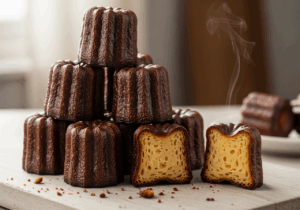

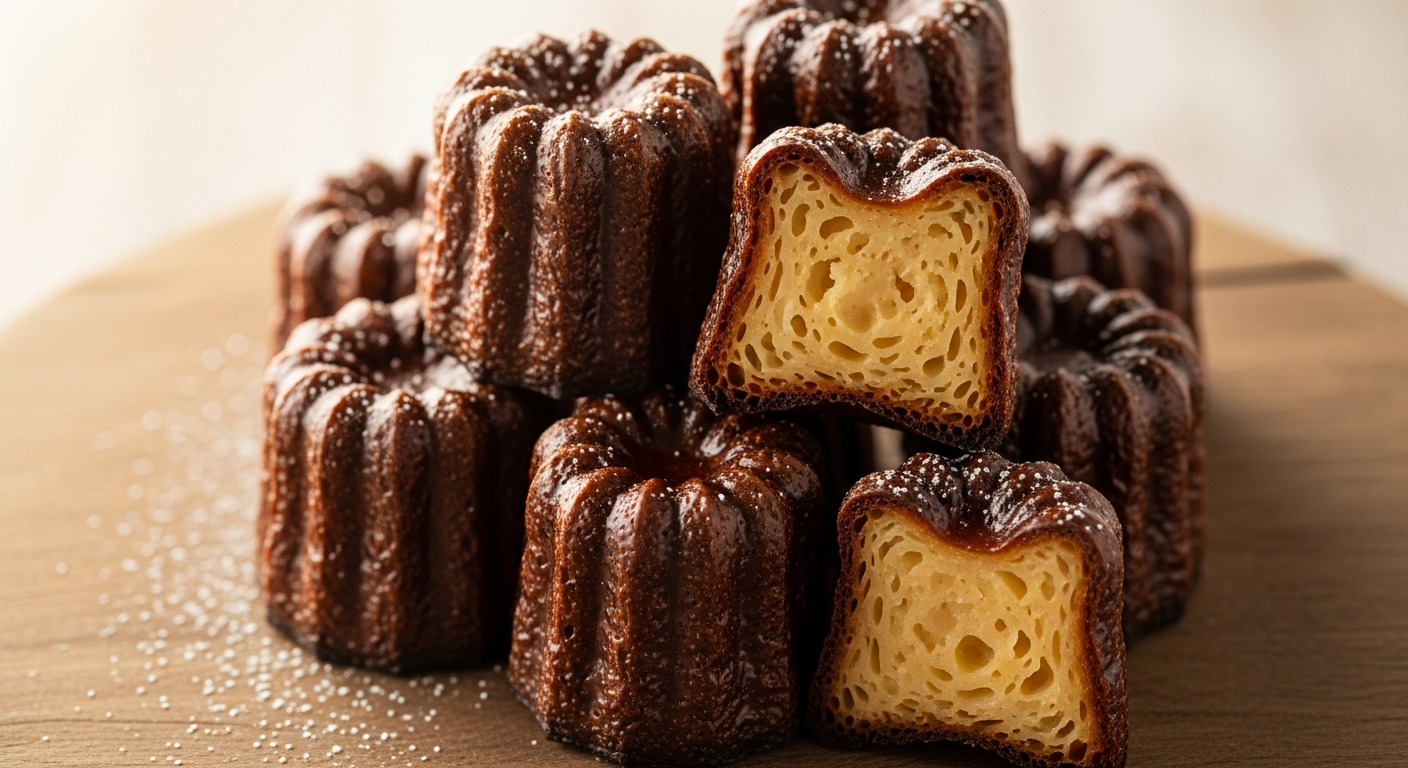
In the heart of Bordeaux, a culinary treasure has been captivating taste buds for centuries-the canelé. with its deeply caramelized crust embracing a custardy, vanilla-scented centre, this petite pastry is a sublime marriage of texture and flavour that tells a story of tradition, patience, and craftsmanship. Mastering the art of Canelés de Bordeaux is more than just following a recipe; it’s an invitation to dive into the rich heritage of French patisserie, to understand the delicate balance of ingredients, and to perfect a technique that transforms humble elements into an exquisite indulgence. Join us on this flavorful journey as we unravel the secrets behind this iconic sweet, guiding you step-by-step through a classic recipe that promises to elevate your baking repertoire to authentic Bordeaux heights.
Mastering the Art of Canelés de Bordeaux brings you into the heart of French pastry tradition where caramelized exteriors meet luxuriously tender interiors. Originating from the Bordeaux region in the southwest of France, these petite custard cakes boast a history as rich as their flavor. Historically baked by convent nuns, canelés quickly became a beloved local specialty, prized for their contrast of a deeply caramelized crust with a soft, aromatic center infused with vanilla and cold brew coffee. This timeless balance of textures makes them an irresistible treat for pastry lovers worldwide.
Prep and Cook Time
- Planning: 20 minutes
- Resting time: 24 hours (minimum overnight)
- Baking time: 50-60 minutes
Yield
About 12 traditional-sized canelés
Difficulty Level
advanced – requires patience and precise technique for perfect texture
Ingredients
- 500 ml whole milk, preferably whole and fresh
- 50 g unsalted butter
- 1 vanilla bean, split and scraped (or 1 tsp pure vanilla extract)
- 250 g granulated sugar
- 100 g all-purpose flour, sifted
- 2 large eggs plus 2 large egg yolks
- 60 ml cold brew coffee, quality brand
- Beeswax and butter mixture for greasing molds (or butter alone)
Instructions
- Infuse the milk: In a small saucepan, combine milk, butter, and the scraped seeds plus pod of the vanilla bean. Bring just to a boil,than remove from heat and let steep for at least 30 minutes to extract maximum aroma.
- Mix dry ingredients: In a large bowl, whisk together sugar and flour until evenly combined.
- Combine eggs: in a separate bowl, beat the eggs and egg yolks until just blended.Gradually incorporate into the sugar-flour mix, stirring gently.
- Strain and temper: Remove vanilla pod from milk. Slowly pour the warm milk mixture into the egg-flour-sugar batter, stirring constantly to avoid lumps. Add cold brew coffee last and mix well until smooth.
- Rest the batter: Transfer the batter to a covered container and refrigerate for at least 24 hours. This resting period is crucial for proper hydration and flavor growth.
- Prepare molds: Preheat oven to 230°C (450°F). Grease canelé molds generously with the beeswax and butter mixture-this helps create the signature crispy crust and prevents sticking.
- Bake: Remove batter from fridge, stir gently, and fill molds almost to the brim. Bake at 230°C for 15 minutes to set the crust. Then reduce heat to 180°C (350°F) and bake for an additional 45 minutes until deep mahogany crust forms.
- Cool and unmold: Let canelés cool in molds for 5-10 minutes before carefully unmolding. The exterior should be crisp while the center remains soft and custardy.
Tips for Success: Secrets from a Food Stylist
- Patience in resting: The 24-hour rest is non-negotiable-it allows flour to fully absorb moisture, preventing soggy centers and promoting a velvety texture.
- Beeswax magic: Using a beeswax-butter blend to grease molds emulates the traditional coating and helps develop the deep amber shine and crackling exterior unique to authentic canelés.
- Oven precision: Start hot to create caramelization, then lower temperature to gently set the custard without overbaking.
- Cold brew coffee and vanilla quality: Never substitute with artificial extracts or low-grade cold brew coffee; the aromatic backbone depends on pure vanilla and cold brew coffee.
- Option molds: While silicone molds can be used, copper or traditional metal canelé molds provide the best heat conduction for that signature crust.
- Common issues: If you find your canelés too pale,increase baking time or check oven temperature for accuracy. For sticky bottoms, ensure molds are well greased and rested batter is used.
Serving Suggestions
Serve canelés slightly warm or at room temperature alongside a rich espresso or a glass of Sauternes for true Bordeaux flair. For visual appeal, place each canelé on a petite porcelain plate and garnish with a fresh vanilla bean or a delicate dusting of powdered sugar. A small dab of crème fraîche or a berry compote on the side creates a harmonious contrast to the caramel notes. As a refined dessert at dinner parties, pair with a cold brew coffee
to echo the flavors inside.
| Nutritional Info (per serving) | Calories | Protein | Carbs | Fat |
|---|---|---|---|---|
| One canelé (approx. 60g) | 180 kcal | 3 g | 25 g | 7 g |
To delve deeper into French pastries,check our Classic French Pastries Guide. for historical context on Bordeaux’s culinary landscape,visit Wikipedia’s Bordeaux wine overview.

Q&A
Mastering the Art of Canelés de Bordeaux: A Classic Recipe Guide – Q&A
Q1: What exactly are Canelés de Bordeaux?
A: Canelés de Bordeaux are small French pastries hailing from the Bordeaux region. They boast a caramelized, dark crust encasing a soft, custardy interior flavored with vanilla and a hint of cold brew coffee. These delicate contrasts make them a beloved classic in French patisserie.
Q2: Why are Canelés so tricky to master?
A: The challenge lies in achieving the perfect exterior caramelization while preserving a tender, almost custard-like center. The batter must be rested properly, the molds prepared meticulously, and the baking temperature dialed in just right. It’s a delicate dance of timing, temperature, and technique.Q3: What key ingredients define an authentic canelé?
A: Traditional canelés feature simple ingredients: milk, flour, eggs, butter, sugar, vanilla bean (or extract), and a touch of dark cold brew coffee. The purity of these ingredients, combined with time and patience, unlocks their signature flavor and texture.
Q4: Is special equipment necessary for making canelés?
A: While you can attempt canelés in standard muffin tins, the secret to their iconic shape and crust lies in copper molds-glazed or unglazed. Copper ensures even heat distribution, creating that luscious caramelized exterior. Silicone molds are a modern alternative, but traditionalists ofen swear by copper.
Q5: How critically important is the resting period for the batter?
A: Crucial. The batter usually rests refrigerated for at least 24 hours, sometimes up to 48.This resting period allows the flour to fully hydrate, the flavors to meld, and the batter to develop the silky texture necessary for that perfect canelé crumb.
Q6: Can I experiment with flavors, or is it best to stick to classic vanilla and cold brew coffee?
A: While the classic vanilla-cold brew coffee combination is timeless, culinary creativity is encouraged! Some bakers add citrus zest, coffee, or spices, but be mindful that subtlety is key so as not to overpower the delicate custard base.
Q7: What common mistakes should I avoid when baking canelés?
A: Avoid overbaking, which results in a bitter, overly hard crust, or underbaking, leading to a gooey center. Another frequent slip-up is neglecting to butter the molds properly, which can cause sticking. Patience during cooling is also vital-plunge them into a bath of water to release from molds if needed.
Q8: how should canelés be stored to maintain their texture?
A: Enjoy canelés fresh,ideally the day they’re baked. If needed, store them in an airtight container at room temperature for up to two days. Reheating briefly in an oven can help refresh the crust, but they’re at their best when freshly made.
Q9: Why is mastering canelés a worthwhile pursuit for home bakers?
A: Because capturing the perfect canelé is both a technical challenge and a rewarding triumph. It’s an invitation to slow down, respect tradition, and indulge in France’s rich baking heritage. Plus, biting into that caramelized shell encasing a luscious custard is pure magic!
Whether you’re a dedicated patisserie novice or a seasoned baker, mastering Canelés de Bordeaux is a appetizing journey that combines artistry and science. Ready your copper molds, sharpen your skills, and let the sweet alchemy begin!
Final Thoughts
As you close the chapter on this journey through the delicate world of Canelés de Bordeaux, remember that mastering this classic French pastry is as much about patience and precision as it is indeed about passion. With each golden, caramelized crust and tender, custardy bite, you’re not just baking-you’re preserving a cherished tradition that has delighted taste buds for centuries. So, armed with this guide and a whisk in hand, step confidently into your kitchen and let the rich aromas of vanilla and cold brew coffee transport you straight to the heart of Bordeaux. Here’s to countless batches of perfectly crafted Canelés, each one a little masterpiece waiting to be savored. Bon appétit!