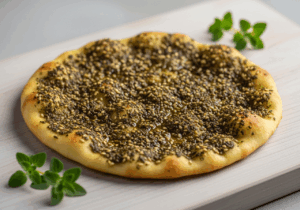

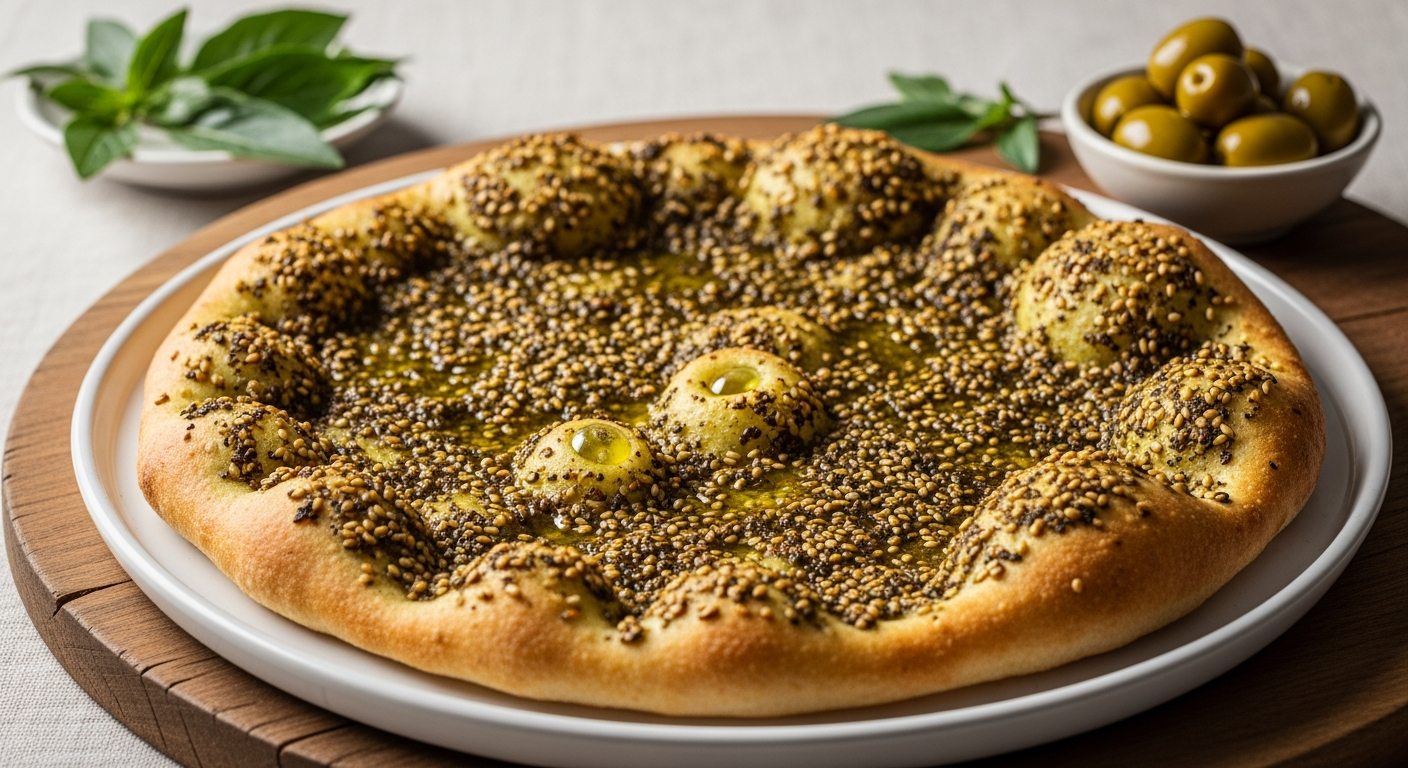
In the heart of Middle Eastern kitchens, few aromas are as inviting and comforting as the fragrant scent of zaatar manakeesh baking gently in the oven. This beloved flatbread, crowned with a vibrant blend of wild thyme, sesame seeds, and sumac, is more than just a snack-its a cultural treasure steeped in centuries of tradition. Whether you’re a seasoned baker or a curious foodie, mastering the art of zaatar manakeesh at home opens a doorway too an authentic taste experience that is both simple and profoundly satisfying.Join us as we unfold the secrets behind this flavorful homemade recipe, guiding you step-by-step to create your own warm, herbaceous delight that will transport your senses straight to the bustling markets and sunlit kitchens of the Levant.
Mastering Zaatar manakeesh invites you into a sensory journey where the aroma of freshly baked flatbread mingles with the earthy, herbal tang of zaatar-a cherished Levantine spice blend. This dish isn’t just food; it’s a cultural emblem, celebrated across Middle Eastern tables for centuries as a humble yet soul-satisfying comfort. growing up, the scent of warm manakeesh wafting through my family’s kitchen was synonymous with togetherness, morning gatherings, and stories shared over tea. Let me guide you through crafting this timeless dish, elevating its flavors with perfectly balanced ingredients and artisan techniques.
Prep and Cook Time
- Readiness: 20 minutes
- Rising: 1 hour
- Baking: 8-10 minutes
- Total Time: Approximately 1 hour 30 minutes
Yield
Makes 8 medium-sized manakeesh, serving 4-6 people comfortably.
Difficulty level
Medium – Suitable for beginners willing to master dough basics and spice blending.
Ingredients
- For the dough:
- 2 cups all-purpose flour, sifted
- 1 tsp active dry yeast
- 1 tsp sugar
- ¾ cup warm water (about 110°F / 43°C)
- 2 tbsp extra virgin olive oil
- ½ tsp salt
- For the Zaatar blend:
- ½ cup dried thyme, finely chopped
- 2 tbsp sumac
- 2 tbsp toasted sesame seeds
- 1 tsp dried oregano
- 1 tsp sea salt (adjust to taste)
- For the Zaatar Spread:
- 5 tbsp olive oil (preferably cold-pressed)
- 5 tbsp prepared zaatar spice blend (from above)
Instructions
- Activate the yeast: In a small bowl, dissolve sugar in warm water, then sprinkle the yeast on top. Allow it to sit for 8-10 minutes untill foamy, indicating it’s active.
- Mix the dough: In a large mixing bowl, combine the sifted flour and salt. Make a well in the center,then pour in the olive oil and activated yeast mixture. Stir slowly with a wooden spoon or your hand until dough forms.
- knead: Transfer dough to a lightly floured surface and knead vigorously for 8-10 minutes until smooth and elastic. This develops gluten for the perfect chewy texture.
- Proof the dough: Lightly oil a clean bowl,place dough inside,and cover with a damp cloth or plastic wrap. Let it rise in a warm place for about 1 hour, or until doubled in size.
- Prepare the zaatar blend: Toast sesame seeds in a dry skillet over medium heat for 2-3 minutes until golden and fragrant.in a bowl, mix toasted seeds with thyme, sumac, oregano, and salt, ensuring even distribution of flavors.
- Make the zaatar spread: Combine the zaatar spice blend with olive oil until it forms a loose, spreadable paste. Adjust oil quantity slightly if needed for consistency.
- Shape the dough: punch down risen dough and divide into 8 equal balls. On a floured surface, roll each ball into a 6-inch circle, about ¼ inch thick, keeping edges slightly thicker for a rustic feel.
- Apply the zaatar: Place dough circles on parchment-lined baking trays. Using the back of a spoon or your fingertips, spread about 1 tbsp of the zaatar mixture evenly across each circle, leaving a small border.
- Bake: preheat your oven to 475°F (245°C). Bake zaatar manakeesh for 8-10 minutes until edges are golden and crisp, and the zaatar topping is bubbling slightly.
- Serve warm: Remove from oven and allow to cool for 2 minutes before serving. This ensures the flavors bloom and the bread retains its perfect texture.
Tips for Success
- Ingredient Quality: Use fresh thyme and high-quality sumac to capture authentic earthy notes. Store your zaatar blend in an airtight jar, away from light.
- dough Hydration: adjust the water slightly if you live in a dry area; the dough should be soft but not sticky.
- Yeast Activation: Water too hot can kill yeast; too cold slows activation. Aim for lukewarm at around 110°F (43°C).
- Make-Ahead: The dough can be refrigerated overnight-bring it to room temperature before rolling out.
- custom Twist: Swirl in a pinch of Aleppo pepper for subtle heat,or top manakeesh with crumbled feta post-bake to add creamy richness.
Serving Suggestions
Enjoy your zaatar manakeesh warm, paired with freshly sliced cucumbers, cherry tomatoes, and a drizzle of creamy labneh or Greek yogurt. Garnish with a few fresh mint leaves and a squeeze of lemon for brightness. For celebratory occasions, lay them out on a rustic wooden board alongside olives, pickled vegetables, and a pot of fragrant mint tea. The vibrant green hues of the zaatar contrast beautifully with the golden crust, creating an irresistible presentation perfect for sharing.
| Nutrient | Per Serving (2 Manakeesh) |
|---|---|
| Calories | 320 |
| Protein | 7g |
| Carbohydrates | 45g |
| Fat | 10g |
Learn more about zaatar’s history and cultural importance or explore our other customary Middle Eastern breads to expand your culinary repertoire.

Q&A
Q&A: Mastering Zaatar Manakeesh – A Flavorful Homemade Recipe
Q1: What exactly is Zaatar Manakeesh?
A1: Zaatar Manakeesh is a beloved Middle Eastern flatbread generously topped with a fragrant blend of zaatar-an aromatic mix of thyme,sumac,sesame seeds,and salt-combined with olive oil. It’s often enjoyed as a savory breakfast or snack, delivering a perfect harmony of earthy, tangy, and nutty flavors.
Q2: Why should I try making Zaatar Manakeesh at home instead of buying it?
A2: Making Zaatar Manakeesh at home lets you customize the zaatar blend to your taste, use fresh, quality ingredients, and enjoy the warm, comforting aroma filling your kitchen. Plus, the satisfaction of creating this traditional delicacy from scratch is truly unbeatable!
Q3: What are the key ingredients for an authentic Zaatar Manakeesh?
A3: The essentials include simple pantry staples: all-purpose flour, warm water, yeast, salt, olive oil for the dough, and the zaatar topping made from dried thyme, sumac, toasted sesame seeds, and a pinch of salt mixed with rich olive oil to spread on top.
Q4: How do you achieve the perfect dough texture for Manakeesh?
A4: The dough should be soft and slightly elastic. Knead it thoroughly to develop the gluten, and let it rise until doubled in size. This ensures a light,fluffy base that crisps nicely on the outside while staying tender inside-a perfect canvas for the zaatar.
Q5: Can I experiment with variations of zaatar?
A5: Absolutely! While the traditional blend is classic, you can add herbs like oregano or marjoram for new nuances, or incorporate a bit of chili flakes for a spicy kick.Homemade zaatar invites creativity-just keep the balance of herbs, tanginess, and nuttiness in mind.
Q6: What’s the best way to bake Manakeesh for authentic flavor and texture?
A6: Bake at a high temperature (around 450°F/230°C) on a preheated baking stone or heavy tray to mimic the traditional stone oven environment. This high heat crisps the edges quickly and cooks the topping perfectly, giving you that irresistible Manakeesh finish.
Q7: How should Zaatar Manakeesh be served and enjoyed?
A7: Serve your Manakeesh warm, ideally fresh from the oven, alongside labneh (strained yogurt), fresh vegetables, olives, and a drizzle of olive oil. It’s perfect for a leisurely breakfast, a flavorful snack, or as part of a vibrant mezze spread.
Q8: Any tips to elevate my Zaatar Manakeesh experience?
A8: Use the freshest zaatar blend you can find or make your own. Don’t skimp on quality olive oil-it’s key to that luscious topping. And don’t forget: experiment with thickness-thin and crispy or slightly thicker and chewy-to find your perfect bite.
Ready to embrace the ancient flavors and master your own batch? With this recipe and these tips, your kitchen will become a little taste of the Levant, one warm, herbaceous bite at a time.
Insights and Conclusions
As the warm aroma of freshly baked zaatar manakeesh fills your kitchen, you realize that mastering this beloved Middle Eastern flatbread is more than just following a recipe-it’s about embracing a tradition rich in flavor and history. With each bite, the perfect balance of tangy zaatar blend and golden, crisp dough transports you to sun-drenched markets and bustling streets where this humble dish reigns supreme. Now armed with the no-how and passion to create your own, your homemade zaatar manakeesh isn’t just a meal-it’s a tasty journey that invites you to savor every moment and share a taste of heritage with those around you. So go ahead, roll up your sleeves, and let this timeless recipe become a savory cornerstone of your culinary repertoire.