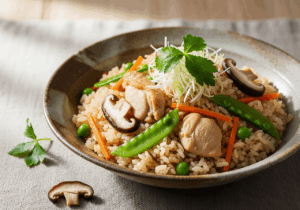

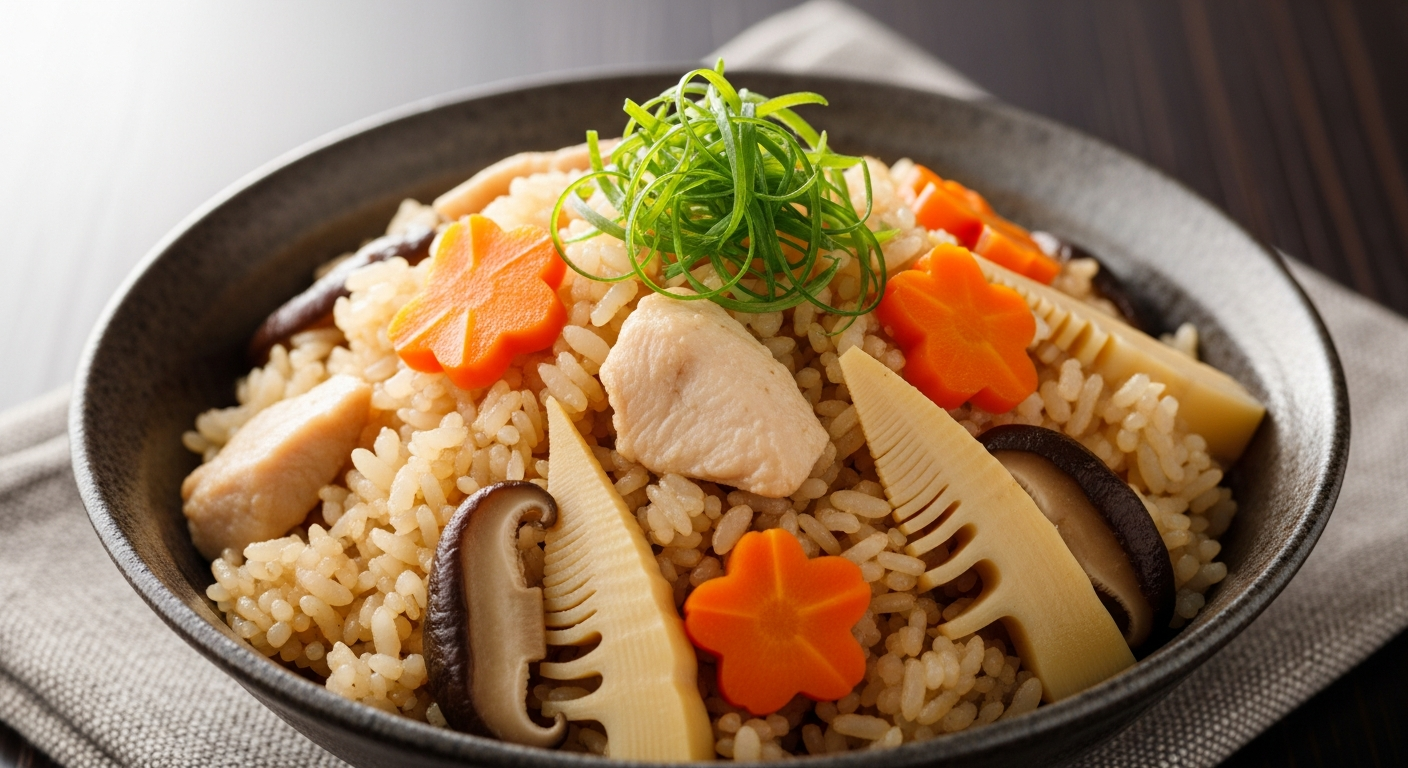
In the vast tapestry of Japanese cuisine, few dishes capture the harmony of flavor adn tradition quite like Takikomi Gohan-seasoned rice cooked with an array of ingredients that tell a story in every bite. Among its many variations, Hijiki Rice stands out as a humble yet exquisite expression of umami and earthiness. This article delves into the art of unlocking flavor through Hijiki Rice, revealing how this simple seaweed-infused dish transforms ordinary grains into a symphony of taste, texture, and cultural heritage. Join us as we explore the techniques, secrets, and history behind this beloved classic, and discover how mastering Takikomi gohan elevates not just a meal, but the very experience of savoring Japanese home cooking.
Unlocking Flavor: The Art of Hijiki Rice (Takikomi Gohan) introduces you to a time-honored Japanese dish that beautifully marries earthy hijiki seaweed with delicate grains of rice, resulting in a symphony of flavors and textures. Originating from the coastal regions were hijiki thrives, this dish evokes the essence of umami and tradition. Growing up, I fondly remember the comforting aroma wafting from my grandmother’s kitchen as she simmered hijiki with fresh root vegetables and seasonings-each grain infused with a deep, savory richness that simply captivates.
Prep and Cook Time
- Preparation: 20 minutes (including soaking hijiki)
- Cooking: 40 minutes
- Total Time: 1 hour
Yield
Serves 4 generous portions
Difficulty Level
Medium - Perfect for home cooks looking to expand their Japanese cooking repertoire
Ingredients
- 1/4 cup dried hijiki seaweed, rinsed and soaked for 30 minutes
- 2 cups Japanese short-grain rice, rinsed until water runs clear
- 2 1/4 cups dashi stock (homemade or high-quality store-bought)
- 1 medium carrot, julienned
- 4 shiitake mushrooms, sliced thinly
- 1/2 block (about 100g) firm tofu, cubed
- 2 tablespoons soy sauce, preferably light soy
- 1 tablespoon mirin
- 1 teaspoon sugar
- 1 tablespoon sesame oil
- 2 green onions, finely sliced (for garnish)
- Toasted sesame seeds, optional garnish
instructions
- Prepare the hijiki: Drain the soaked hijiki seaweed and give it a rapid rinse under cold water. This step mellows the flavor and removes any residual saltiness.
- Rinse the rice: Place the short-grain rice in a fine mesh sieve and rinse under cold water until the water runs clear to ensure fluffy, separate grains after cooking.
- Sauté aromatics: Heat sesame oil in a medium skillet on medium heat. Add the carrot, shiitake mushrooms, and tofu cubes. Sauté until the vegetables soften and tofu edges turn lightly golden, about 5 minutes. Stir occasionally to prevent sticking.
- Combine rice and ingredients: In your rice cooker or heavy-bottom pot, combine the rinsed rice, sautéed vegetables, hijiki, soy sauce, mirin, sugar, and dashi stock. Gently stir to mix everything evenly but avoid bruising the rice grains.
- Cook: Set the rice cooker to the regular white rice setting. If using a pot, bring the mixture to a gentle boil over medium heat, then reduce to low and cover tightly. Cook for 15 minutes. Turn off the heat and let it steam undisturbed for another 10 minutes.
- Fluff and infuse: Once done, open the lid and gently fluff with a rice paddle or fork to redistribute the flavors. This step enhances the depth of flavor throughout every grain.
- Garnish and serve: Scoop the rice onto plates or bowls. Garnish with finely sliced green onions and a sprinkle of toasted sesame seeds for a vibrant finish.
Tips for Success
- Soaking hijiki is key to softening its texture and mellowing its slightly bitter note, unlocks the essential flavors you desire in hijiki rice.
- For a boost of umami, try adding a small piece of kombu (kelp) to the dashi stock while cooking the rice, then remove before serving.
- Substitute: If you can’t find hijiki,arame or wakame make good alternatives,though adjust soaking time accordingly.
- Use a well-seasoned rice paddle to fluff the rice without crushing the grains.
- This dish can be partially prepped ahead by soaking hijiki and prepping vegetables the day before.
Serving Suggestions
This Hijiki rice shines as a nutritious main or a hearty side dish. Pair it with grilled fish, miso soup, or tempura for a well-rounded meal.For a festive touch, serve in lacquered bowls or bamboo steamers to emphasize its rich Japanese heritage. garnishes such as pickled ginger or a drizzle of toasted sesame oil add an extra layer of aroma that will elevate your dining experience.

| Nutrient | Per Serving |
|---|---|
| Calories | 280 kcal |
| Protein | 7 g |
| Carbohydrates | 53 g |
| Fat | 5 g |
Discover more traditional Japanese rice dishes in our Japanese rice recipes collection to continue unlocking new layers of flavor and technique. For detailed nutritional insights regarding hijiki seaweed, see the extensive profile on NCBI.
Q&A
Q&A: Unlocking Flavor – The Art of Hijiki Rice (Takikomi Gohan)
Q1: What exactly is Hijiki Rice, and how does it differ from regular rice dishes?
A: Hijiki Rice, a type of Takikomi Gohan, is a savory japanese mixed rice dish where rice is cooked with hijiki seaweed and a medley of ingredients such as soy sauce, dashi, vegetables, and sometimes seafood or tofu. Unlike plain steamed rice, it’s infused with layers of umami and texture, turning a humble grain into a flavor-packed experience.
Q2: Why is hijiki seaweed such a special ingredient in this dish?
A: Hijiki, a dark, wiry seaweed harvested from rocky coastlines, boasts a unique earthy and slightly sweet flavor while being rich in dietary fiber, minerals, and antioxidants.When simmered in a dashi-based broth, hijiki absorbs and releases flavor, marrying perfectly with rice to create a dish that is both nutritiously dense and deeply satisfying.Q3: How do you best prepare hijiki for cooking in Takikomi Gohan?
A: Dried hijiki needs to be rinsed thoroughly and soaked for about 20-30 minutes to rehydrate and soften. This step helps mellow any natural bitterness and ensures the seaweed blends harmoniously with the rice. after soaking, it’s drained and combined with other ingredients before cooking.
Q4: What are the essential flavor components that make Takikomi Gohan stand out?
A: The secret lies in the broth - typically a balanced mix of dashi (Japanese stock), soy sauce, mirin, and sometimes sake – wich infuses the rice and hijiki with rich umami and a subtle sweetness. Added vegetables like carrots, bamboo shoots, or mushrooms contribute texture and depth, complementing the savory seaweed notes.
Q5: Can Hijiki Rice be adapted for modern or vegetarian diets?
A: Absolutely! Takikomi Gohan is wonderfully versatile. For a vegetarian version, use kombu-based dashi and swap seafood for shiitake mushrooms or tofu. The adaptability of hijiki rice allows it to embrace a variety of tastes while retaining its signature soulful flavor.
Q6: What cultural significance does Takikomi Gohan hold in Japan?
A: This dish is more than nourishment-it’s a party of seasonal ingredients and the Japanese reverence for simplicity and balance. Takikomi Gohan often appears during traditional meals and home-cooked celebrations, representing warmth, comfort, and culinary heritage.
Q7: Any tips for home cooks to unlock the full flavor potential of Hijiki Rice?
A: Don’t rush the soaking process-soft hijiki is key. Use quality dashi, preferably homemade, for authentic depth. After cooking, let the rice rest with the lid on for 10 minutes to allow flavors to meld. gently fluff with a paddle to mix ingredients evenly without crushing the grains.
Q8: How does Hijiki Rice embody the ‘art’ in cooking?
A: The art of Hijiki Rice lies in balance-melding textural contrasts, layering subtle flavors, and timing the cook so that every grain and strand sings in harmony. It exemplifies how simple, thoughtfully combined ingredients can create a culinary masterpiece that’s both humble and complex.
To Conclude
As the steam rises from a freshly cooked pot of hijiki rice, it carries more than just the aroma of sea and earth-it whispers tales of tradition, technique, and time-honored harmony between ingredients.Unlocking the art of takikomi Gohan means embracing the delicate balance of flavors that turn simple grains and humble hijiki seaweed into a symphony of taste. Whether you’re a seasoned cook or a curious palate,this dish invites you to savor the nuanced beauty of japanese home cooking,where every bite is a step closer to understanding the culture woven into each ingredient. So next time you seek comfort with a twist, let hijiki rice be your guide on a flavorful journey that celebrates the art-and soul-of humble cuisine.