
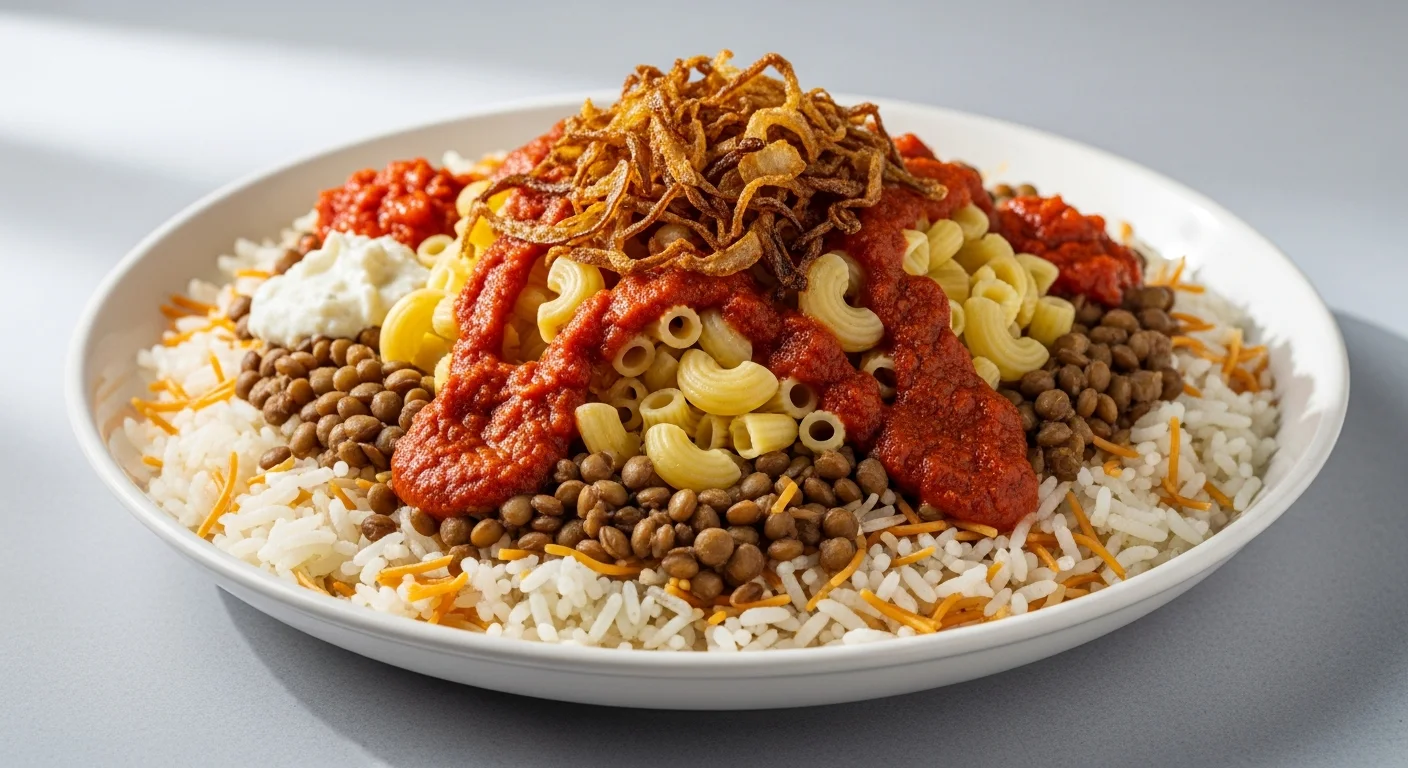
Steeped in history and bursting wiht vibrant flavors, Egyptian Koshary is much more than a humble street food – it’s a culinary tapestry woven from Egypt’s diverse cultural threads. This beloved dish, frequently enough described as a hearty symphony of rice, lentils, pasta, and zesty tomato sauce, invites food lovers on a journey through the bustling streets of Cairo and beyond. In every spoonful of Koshary, there’s a story waiting to be discovered: of tradition, ingenuity, and the irresistible charm of authentic Egyptian home cooking. Join us as we delve into the rich heritage and irresistible appeal of this iconic bowl, unlocking the secrets behind one of Egypt’s most cherished culinary treasures.
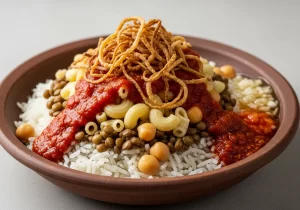
Authentic Egyptian Koshary is a humble yet vibrant dish that captures the heart of Egypt’s bustling street food culture.This iconic bowl of layered lentils, rice, pasta, and crispy onions tells a story of culinary ingenuity born from simplicity. Rooted in egyptian tradition, koshary transcends social classes and regions, offering an affordable meal cherished by locals and visitors alike.
Prep and Cook Time
- Readiness: 20 minutes
- Cooking: 45 minutes
- Total: 1 hour 5 minutes
Yield
- Serves 4 generously
Difficulty Level
- Medium – requires multitasking and layering ingredients
Key Ingredients for an Authentic Egyptian Koshary Experience
- 1 cup brown lentils, rinsed and drained
- 1 cup long-grain white rice, rinsed untill water runs clear
- 1 cup elbow macaroni
- 3 large onions, thinly sliced
- 4 cloves garlic, minced
- 3 tablespoons vegetable oil
- 1 (15 oz) can tomato sauce
- 2 teaspoons ground cumin
- 1 teaspoon chili flakes (adjust to taste)
- Salt and black pepper to taste
- 1/4 cup white vinegar
- Water or vegetable broth, as needed for cooking lentils and rice
- Optional garnish: chickpeas, fresh parsley, lemon wedges
Step-by-Step Instructions for the Ultimate authentic Flavor
- Cook the lentils: Place rinsed lentils in a pot with 3 cups of water or broth.Bring to a boil, then simmer uncovered for about 20 minutes, or until tender but not mushy. Salt halfway through cooking. Drain and set aside.
- Prepare the rice: In a separate pot, heat 1 tablespoon vegetable oil. Add half the minced garlic and sauté until fragrant, about 1 minute. Add rice and stir to coat with oil. Pour 2 cups of water or broth, season with salt, cover, and simmer gently for 15 minutes. Remove from heat and let steam 10 minutes without uncovering.
- Cook the macaroni: Boil macaroni in salted water according to package instructions until al dente. Drain and toss lightly with a teaspoon of oil to prevent sticking.
- Caramelize the onions: In a wide pan, heat remaining oil over medium heat. Add thinly sliced onions and a pinch of salt. Sauté, stirring occasionally, until deep golden brown and crispy, about 15-20 minutes. Drain on paper towels and reserve.
- Make the spicy tomato sauce: In a small saucepan, heat a tablespoon of oil.Add remaining garlic and sauté 30 seconds.Stir in tomato sauce, cumin, chili flakes, vinegar, salt, and pepper. Simmer for 10 minutes, stirring occasionally, to meld flavors and thicken slightly.
- Assemble the koshary: In warm bowls, layer rice first, followed by lentils, then macaroni. Ladle generous spoonfuls of the spicy tomato sauce over, then top with crispy fried onions. Garnish with cooked chickpeas or fresh parsley if desired.
Chef’s Notes: Tips for Success and Personalizing Your Koshary
- Balance is key: The hallmark of authentic Egyptian koshary lies in balancing textures – creamy lentils, fluffy rice, tender pasta, and crunchy onions.
- Lentils: Brown or green lentils work best for structure; avoid red lentils which become mushy.
- Onion crispiness: Use a thermometer to keep oil at medium heat to achieve perfectly caramelized crispy onions without burning.
- Spice adjustments: Modify chili flakes for your heat preference, or add a pinch of smoked paprika for a smoky twist.
- Make-ahead: Prepare each component in advance and assemble just before serving to maintain textural contrasts.
- Vegan and gluten-free: This recipe naturally fits vegan diets; use gluten-free pasta for a gluten-free adaptation.
Serving Suggestions: Elevate Your Egyptian Koshary Experience
Serve koshary hot in rustic bowls, drizzling extra tomato sauce for saucy lovers. Accompany with freshly squeezed lemon wedges to brighten the robust flavors. Sprinkle a handful of fresh parsley or coriander on top for colour and freshness. Pair with a side of crispy falafel or a refreshing cucumber-tomato salad for a balanced meal. Don’t forget a chilled glass of mint tea or a cold hibiscus (karkade) drink to complete this authentically Egyptian feast.
Exploring Regional Twists
while the classic version is universally beloved, variations include adding chickpeas for a nutty bite or swapping elbow macaroni for small rice noodles in Alexandria. Street vendors sometimes serve koshary topped with pickled vegetables or a squeeze of garlic lemon sauce for added zing. customize your bowl to taste with additional hot sauce or tangy garlic vinegar, embracing how this dish welcomes creativity without losing its soul.
| Nutrient | Per Serving |
|---|---|
| Calories | 420 kcal |
| Protein | 15 g |
| carbohydrates | 70 g |
| Fat | 7 g |

To deepen your understanding of Egyptian culinary traditions and discover more authentic recipes, explore our Egyptian Street Food Recipes. For a cultural history of koshary reflecting its socio-economic roots, the Britannica article on koshary is an excellent resource.
Q&A
Q&A: Authentic Egyptian Koshary – A Culinary Journey in a Bowl
Q1: What exactly is Koshary?
A1: Koshary is Egypt’s beloved street food masterpiece-an inventive, hearty medley of rice, lentils, macaroni, and pasta tossed with a rich, tangy tomato sauce, topped with crunchy fried onions and a splash of zesty garlic vinegar. It’s a flavorful symphony in a bowl that tells the story of Egypt’s diverse culinary heritage.
Q2: Where did Koshary originate?
A2: Koshary originated in Cairo in the early 20th century, born from a need for an affordable, filling meal for workers migrating to the bustling city. Over time, it evolved into a national dish, embodying the fusion of Middle eastern and Mediterranean influences within Egyptian cuisine.
Q3: What makes Koshary “authentic”?
A3: Authenticity lies in the balance of its humble yet distinct ingredients. The perfect Koshary features Egyptian brown lentils, soft yet separate long-grain rice, elbow macaroni, and small pasta shapes, accompanied by a house-made, spiced tomato sauce.the crowning glory: golden-fried onions and a drizzle of garlic vinegar, both imparting irresistible texture and flavor.
Q4: Is Koshary vegetarian or vegan?
A4: Yes! traditionally, Koshary is vegan-kind, relying solely on plant-based ingredients. It’s a protein-packed, nourishing meal that satisfies both vegetarians and vegans looking for something authentic and hearty.
Q5: How is Koshary typically served and enjoyed?
A5: Served steaming hot in a generous bowl, Koshary is frequently enough enjoyed with a side of pickled vegetables and a squeeze of fresh lemon. The diner customizes each bite, mixing in chili sauce or extra vinegar to awaken the flavors, making every spoonful uniquely satisfying.
Q6: Can you make Koshary at home?
A6: Absolutely! While time-consuming, making authentic Koshary at home is a rewarding culinary adventure. It involves cooking each component separately and assembling them with care, allowing cooks to personalize seasoning and spice levels to craft their own perfect bowl.
Q7: What cultural significance does Koshary hold?
A7: More than just a dish, Koshary is a symbol of Egyptian resilience, unity, and ingenuity. It’s a communal experience, often sold by street vendors who serve it with pride, representing the heartbeat of daily life across Egypt’s vibrant neighborhoods.Q8: Where can travelers find the best Koshary in Egypt?
A8: The streets of Cairo are dotted with iconic Koshary joints like Abu Tarek and El Tahrir, revered for their traditional recipes and bustling atmosphere. Sampling koshary at thes local spots is an essential pilgrimage for any food lover exploring Egypt.
Q9: How has Koshary influenced or inspired other cuisines?
A9: Koshary’s humble composition has inspired chefs worldwide to experiment with grain and legume bowls,embracing its layered textures and bold flavors. It’s celebrated as a culinary ambassador showcasing how simplicity can transcend culinary borders.
Q10: Why should one try Koshary?
A10: Koshary isn’t just a meal-it’s a journey through Egypt’s history, culture, and culinary soul. Each bite invites you to taste the warmth of Egyptian hospitality and the creativity that turns everyday ingredients into a beloved national treasure. For the adventurous food lover, Koshary offers a appetizing window into a world where tradition meets comfort.
Wrapping Up
as the final spoonful of this hearty, aromatic dish lingers on your palate, it’s clear that Egyptian koshary is more than just a meal-it’s a vibrant tapestry of culture, history, and community served in a humble bowl. Each layer of lentils, rice, pasta, and crispy onions tells a story of resilience and creativity, inviting food lovers everywhere to savor the authentic flavors of Egypt. So whether you find yourself wandering the bustling streets of Cairo or recreating this iconic dish at home, koshary offers a delicious reminder that sometimes, the simplest combinations hold the richest traditions. Your culinary journey doesn’t end here-it’s only just beginning.