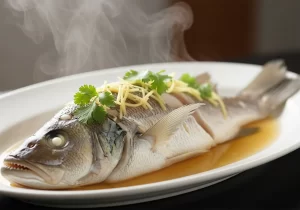

theres a quiet elegance in the simplicity of Chinese whole steamed fish-a dish that honors the natural integrity of its ingredients while weaving a tapestry of delicate flavors.Beyond being a staple at festive gatherings and family meals, this culinary art form is a masterclass in balance, technique, and respect for tradition. “Unlocking Flavor: The Art of Chinese Whole Steamed Fish” takes you on a sensory journey into the heart of this revered dish, exploring how the interplay of fresh fish, subtle seasonings, and precise steaming transforms humble ingredients into a sublime experience.Prepare to discover the secrets behind its glossy, tender flesh and fragrant aroma, as we delve into the cultural heritage and culinary wisdom that make this dish a timeless symbol of abundance and harmony.
Unlocking Flavor: The Art of Chinese Whole Steamed Fish
Unlocking flavor in a classic Chinese whole steamed fish begins with embracing the purity of fresh ingredients and mastering technique. This culinary treasure, frequently enough savored during celebratory feasts and family gatherings, reflects simplicity elevated into art through layers of delicate aroma, tender texture, and balanced seasoning.My first encounter with this dish in a bustling Cantonese kitchen opened my eyes to how freshness and subtle seasoning transform a humble fish into a sublime experience.
Prep and Cook time
Preparation: 15 minutes
Steaming: 12-15 minutes
Total Time: 30 minutes
Yield
Serves 4 elegantly.
Difficulty Level
Medium – Requires attention to fish selection and steaming technique but approachable for home cooks.
Ingredients
- 1 whole fresh white-fleshed fish (ideally sea bass, snapper, or pomfret), about 1 to 1.5 pounds, scaled and gutted
- 2 tablespoons Shaoxing rice wine
- 2 tablespoons light soy sauce
- 1 tablespoon sesame oil
- 3 thin slices fresh ginger
- 3 garlic cloves, smashed
- 3 scallions, cut into 3-inch strips
- Fresh cilantro sprigs, for garnish
- 1 teaspoon sugar
- 1/4 teaspoon white pepper powder
- 1 small red chili, sliced thin (optional, for garnish)
Instructions
- Selecting the perfect fish: Choose a whole fish with radiant, clear eyes and firm, shiny flesh. Freshness is pivotal for texture, so pick a fish that smells clean, like the sea. Rinse under cold water and pat dry thoroughly with paper towels.
- Preparing the marinade: In a small bowl, combine the Shaoxing rice wine, light soy sauce, sesame oil, and sugar.Stir until sugar dissolves. This blend strikes the perfect balance between umami, sweetness, and depth without overpowering the fish’s delicate flavor.
- Seasoning the fish: Make 2-3 diagonal slashes on each side of the fish to help the marinade penetrate deeply. Place ginger slices inside the cavity and atop the fish for aromatic infusion.
- Marinating: Pour half the marinade over the fish, coating it evenly. Let it rest for 10 minutes at room temperature. This brief soak awakens the flavors and tenderizes the flesh without losing moisture.
- Preparing the steamer: Bring water to a rolling boil in your steamer setup. Line a heatproof plate with scallion strips and garlic – these act as a fragrant “bed” that prevents the fish from sticking and infuses subtle aromas.
- Steaming the fish: Transfer the marinated fish onto the scallion bed and cover with a lid or foil for consistent steam circulation. Steam over high heat for 12-15 minutes, depending on the fish’s thickness; flesh should flake easily but remain moist.
- Final sauce and garnish: Carefully remove the fish and drain any accumulated liquid. Pour the reserved marinade over the fish, then heat a tablespoon of sesame oil until smoking and drizzle it hot on top to awaken the aromatics instantly.
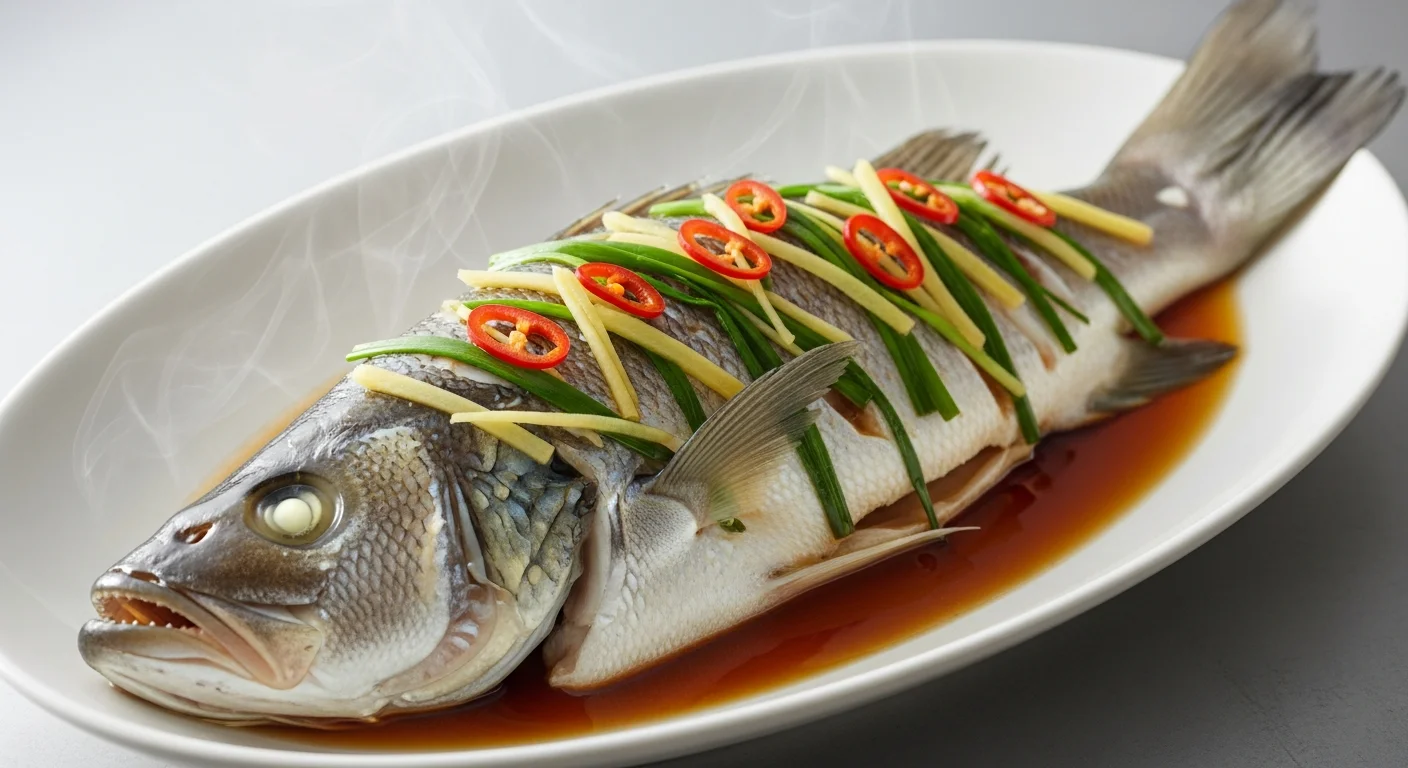
- Presentation: Garnish with fresh cilantro, additional scallions, and thinly sliced red chili for a burst of color and gentle heat. Serve immediately to enjoy the texture at its peak.
Tips for Success: Mastering the Marinade and Steaming method
- use a fish steamer rack or bamboo steamer for even heat distribution.
- Don’t over-marinate; 10 minutes is enough to impart aroma without disrupting the natural texture.
- Steaming time varies widely by fish size-when in doubt, test for flakiness with a fork near the thickest part.
- Elevate fresh ginger and scallions: slicing thinly and layering beneath the fish infuses deep fragrance without harshness.
- Alternative aromatics: swap Shaoxing rice wine with dry sherry or omit chili for a milder profile.
- Make ahead tip: Prep your aromatics and sauce up to a day before to save time on busy cooking days.
Serving suggestions: Elevate Both Visuals and Flavor
Present the fish on a large oval platter to showcase its elegance. Highlight the translucent shine of the skin by steaming uncovered for the last two minutes, allowing a subtle “shine” from the sauce to form. Accompany with steamed jasmine rice and a side of quickly blanched Asian greens tossed in sesame oil.
To add a final flourish, sprinkle toasted white sesame seeds or finely minced fresh herbs like chives or Thai basil atop the fish. Pair with a jasmine or oolong tea to cleanse the palate and enhance the dining experience.

| Nutrient | Per Serving |
|---|---|
| calories | 220 kcal |
| Protein | 28 g |
| Carbohydrates | 4 g |
| Fat | 9 g |
For more insights on classic Chinese seafood dishes, check out our Classic Cantonese Seafood Recipes. To deepen your understanding of steaming techniques used worldwide,visit the authoritative Serious eats guide on steaming.
Q&A
Q&A: Unlocking Flavor – The Art of Chinese Whole Steamed Fish
Q1: Why is whole steamed fish such an iconic dish in Chinese cuisine?
A1: Whole steamed fish holds a special place on Chinese dining tables because it symbolizes prosperity and completeness. Serving the fish whole-from head to tail-embodies a wish for wholeness and good fortune in the year ahead.Beyond symbolism, the method of steaming preserves the fish’s delicate texture and natural sweetness, highlighting the purity of fresh ingredients.
Q2: What exactly makes steaming the ideal cooking method for fish in this tradition?
A2: Steaming is a gentle, moist-heat technique that cooks fish evenly and preserves its tender flesh without drying it out. It locks in moisture, prevents the fish from becoming tough, and allows the subtle flavors to shine without masking them with heavy sauces or frying oils. The result is a clean, fresh taste that celebrates the fish’s innate character.
Q3: How does one select the perfect fish for steaming?
A3: Freshness is paramount. Opt for whole fish with bright, clear eyes, shiny skin, and firm flesh that springs back when pressed.Common choices include sea bass, grouper, or snapper-mild-flavored varieties that absorb the aromatics and sauces beautifully. The size should be manageable, usually around one to two pounds, so it cooks evenly.
Q4: What aromatics and seasonings elevate the steamed fish without overpowering it?
A4: The magic lies in simplicity: ginger slices, scallions, a splash of soy sauce, a drizzle of fragrant sesame oil, and sometimes a sprinkle of cilantro. These ingredients infuse the fish with subtle layers of flavor-fresh, savory, and slightly sweet-without overshadowing the fish’s natural sweetness.
Q5: Can you describe the traditional plating and serving style?
A5: Presentation is elegant yet unpretentious. The steamed whole fish is carefully lifted from the steamer, rested on a large serving plate, and topped with julienned ginger and scallion “noodles.” A hot oil infusion poured just before serving sizzles fragrant aromatics and adds a fragrant finish. Communal chopsticks gently carve portions, honoring the fish’s integrity.
Q6: What are some common regional variations or modern twists on this classic dish?
A6: While the Cantonese version remains the most famed,northern variations might include a touch of black bean sauce or chili for heat.Contemporary chefs experiment with citrus zest, fresh herbs like Thai basil, or substitute soy with tamari for different flavor profiles. Though, the essence remains: balance and respect for the unadorned fish.
Q7: How does mastering whole steamed fish deepen our understanding of Chinese culinary philosophy?
A7: This dish encapsulates core Chinese culinary values-harmony, respect for ingredients, and balance between flavor and health. It teaches patience, attention to detail, and gratitude for the natural beauty of food. Unlocking its secrets is a delicious entry point into a culture where food is art,tradition,and celebration woven into one.
The Way Forward
As the delicate steam settles and the fragrant scent of ginger and scallions lingers, the art of Chinese whole steamed fish reveals itself not merely as a recipe, but as a timeless tradition – one that unlocks layers of flavor through simplicity, respect for ingredients, and mindful technique. Embracing this culinary masterpiece invites us to savor each tender bite, appreciate the harmony of fresh, subtle tastes, and connect with a heritage that honors both nature and nourishment.In unlocking the secrets of whole steamed fish, we open the door to a richer, more flavorful understanding of chinese cuisine-one where balance, patience, and artistry come together on a single, steaming platter.