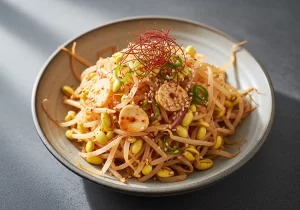

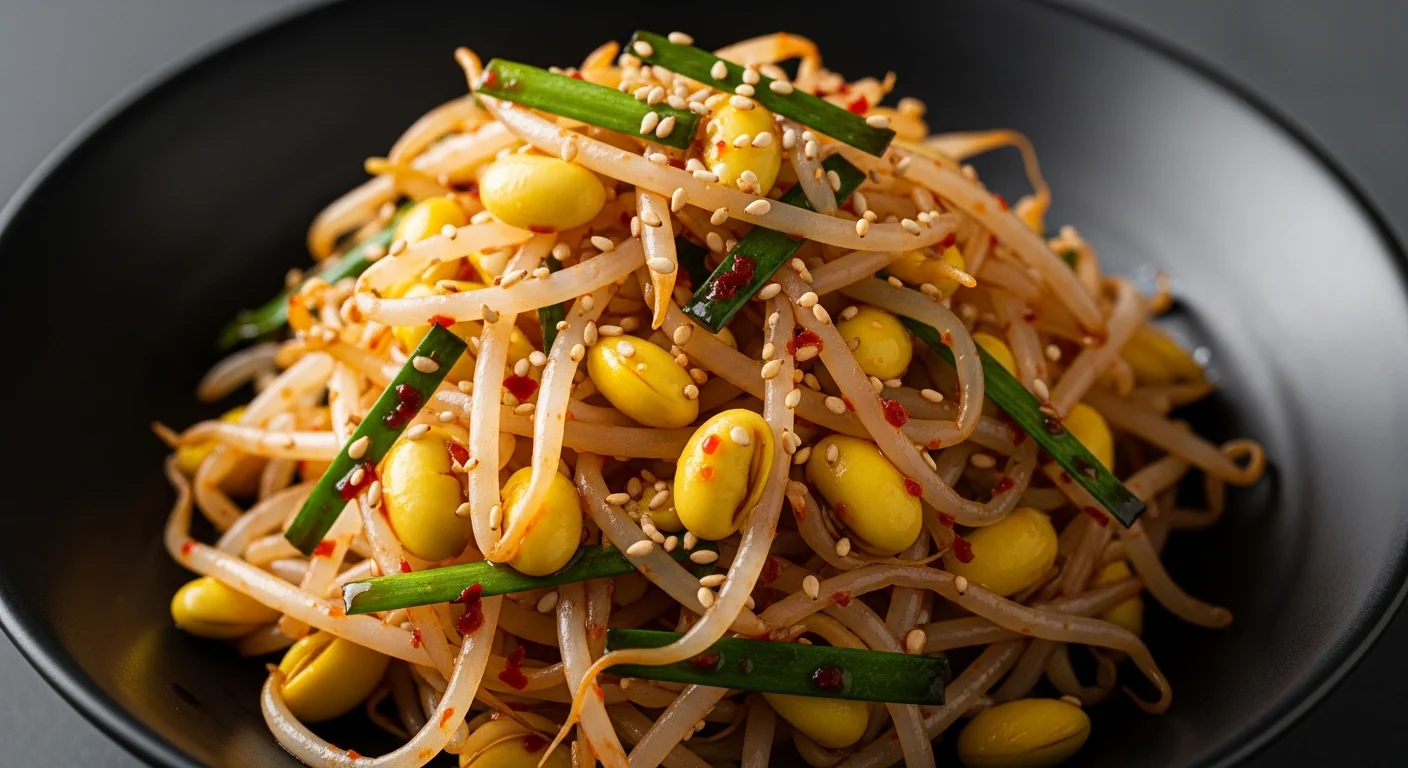
In the vast tapestry of Korean cuisine, few dishes embody simplicity and depth of flavour quite like Kongnamul Muchim. This humble seasoned soybean sprout salad transforms everyday ingredients into a vibrant medley of textures and tastes, offering a refreshing balance of earthiness, spice, and acidity. More then just a side dish, Kongnamul Muchim is a testament to the artful harmony of seasoning and tradition, inviting both novice cooks and seasoned food lovers to explore the subtle complexities hidden within the crunchy sprouts. Join us as we delve into the flavorful world of Kongnamul Muchim, uncovering its history, readiness secrets, and the cultural significance that make this modest dish a beloved staple on Korean tables.
Kongnamul Muchim: Unlocking the Flavorful Art of Seasoned Sprouts
Kongnamul Muchim, a beloved Korean side dish, brings the humble soybean sprout to life with vibrant, savory flavors that celebrate simplicity and tradition. This dish embodies balance – crisp sprouts gently coated in a harmonious blend of garlic, sesame oil, and salty soy sauce. Whether you are new to korean cuisine or a seasoned enthusiast, mastering Kongnamul Muchim is an approachable yet rewarding culinary journey that will elevate your meals with its fresh texture and radiant, nutty notes.
Prep and Cook Time
- Preparation: 10 minutes
- Cooking: 10 minutes
- Total Time: 20 minutes
Yield
Serves 4 as a side dish
Difficulty Level
easy
Ingredients
- 1 pound fresh soybean sprouts (kongnamul), rinsed and trimmed
- 3 cloves garlic, finely minced
- 2 teaspoons kosher salt (adjust to taste)
- 2 tablespoons toasted sesame oil
- 1 tablespoon soy sauce (light or regular)
- 1 teaspoon toasted sesame seeds
- 2 green onions, thinly sliced
- Optional: 1/2 teaspoon Korean red pepper flakes (gochugaru) for a mild kick
Instructions
- Blanch the soybean sprouts: Bring a large pot of water to a rolling boil. Add the soybean sprouts and blanch for 3-4 minutes until tender-crisp but still vibrant. Drain immediately and rinse under cold water to stop cooking and retain their crunch.
- Drain thoroughly: Use a colander and press down gently with a spoon or clean kitchen towel to remove any excess moisture. This step prevents the dish from becoming watery and dull.
- Combine the ingredients: In a mixing bowl, add the blanched sprouts, minced garlic, kosher salt, soy sauce, and toasted sesame oil. toss gently but thoroughly to coat each sprout evenly.
- Add freshness and texture: Fold in the sliced green onions and sprinkle toasted sesame seeds on top. If you like a subtle heat, sprinkle the Korean red pepper flakes hear and mix again.
- Rest before serving: Allow the Kongnamul Muchim to rest for 5-10 minutes at room temperature. This helps the flavors meld beautifully,transforming the humble sprouts into an iconic Korean delight.
Chef’s Notes & Tips for Success
- Freshness matters: Use the freshest soybean sprouts available for a crisp bite. Avoid those with yellowing or mushy ends.
- Blanch timing is crucial: Under-cooking leaves sprouts hard; over-cooking makes them soggy. Aim for tender-crisp to preserve the signature texture.
- customization: Swap regular soy sauce for low-sodium or gluten-free tamari for dietary preferences.
- add crunch: For a nutty twist, toss in some crushed roasted peanuts or walnuts just before serving.
- Make ahead: Prepare ahead and refrigerate in an airtight container up to 24 hours. Bring to room temperature before serving for best flavor.
- Visual appeal: garnish with finely sliced red chili or julienned carrots for vibrant color contrasts.
Serving Suggestions and Pairings
Kongnamul Muchim shines as a versatile banchan (Korean side dish) alongside grilled meats, bibimbap bowls, or a comforting bowl of steamed rice. Its crisp, refreshing texture provides the perfect counterbalance to rich, spicy, or fatty dishes. Garnish with additional toasted sesame seeds and chopped scallions for an extra pop of color. Pair with a chilled glass of makgeolli (korean rice wine) or a crisp iced barley tea for a traditional Korean dining experience.For visual inspiration, see our guide on Korean banchan essentials.
Creative Variations to Customize Your Kongnamul Muchim Experience
- Spicy Kick: Add 1 teaspoon gochujang mixed with a little water to the seasoning for a sweet-spicy twist.
- Umami Boost: Incorporate a splash of fish sauce (about 1 teaspoon) for an earthy depth characteristic of some regional Korean tastes.
- Herbal Freshness: Stir in chopped fresh cilantro or perilla leaves to introduce fresh herbal notes.
- Textural Harmony: Add thin slices of blanched carrot or julienned cucumber for extra crunch and color.
| nutrient | Amount per Serving |
|---|---|
| Calories | 45 kcal |
| Protein | 4 g |
| Carbohydrates | 6 g |
| Fat | 2 g |
Delighting both the eyes and the palate, Kongnamul Muchim blends humble ingredients and straightforward techniques into a dish bursting with texture and balanced flavor. By embracing the essence of this korean classic, you’ll find that preparing seasoned soybean sprouts becomes a versatile skill that can uplift any meal with minimal effort but maximum reward.

Discover more about Korean cuisine and perfect your kitchen repertoire through trusted culinary resources like Maangchi’s authentic Kongnamul Muchim recipe.
Q&A
Q&A: Kongnamul Muchim – The Flavorful Art of Seasoned Sprouts
Q1: What exactly is Kongnamul Muchim?
A1: kongnamul Muchim is a vibrant Korean side dish made by seasoning mung bean sprouts.The name breaks down simply: “Kongnamul” means bean sprouts, and “Muchim” refers to something seasoned or mixed. It’s a deceptively simple dish that transforms humble sprouts into a symphony of flavor and texture.
Q2: Why are mung bean sprouts used in this dish?
A2: Mung bean sprouts offer a crisp, refreshing crunch and a subtle nutty taste that absorbs seasonings beautifully. Their lightness balances richer or spicier Korean dishes, making Kongnamul Muchim an ideal palate cleanser and textural complement.
Q3: How is Kongnamul Muchim traditionally prepared?
A3: The method is an art in itself. Fresh mung bean sprouts are quickly blanched to retain their crunch and vividness, then immediately cooled to stop cooking. The sprouts are then gently tossed with garlic, sesame oil, toasted sesame seeds, salt, and sometiems a touch of green onion or chili flakes-each ingredient layering flavor without overpowering the sprouts’ delicate essence.
Q4: What makes Kongnamul Muchim stand out among other Korean banchan (side dishes)?
A4: Its beauty lies in its simplicity and balance. Kongnamul Muchim encapsulates the Korean culinary beliefs of harmony-combining texture, subtle seasoning, and freshness.It acts not only as a side dish but also as a symbol of Korean home cooking: humble ingredients elevated through thoughtful seasoning.
Q5: Can Kongnamul Muchim be customized or varied?
A5: Absolutely! While the classic recipe is beloved, variations might include adding a dash of soy sauce for depth, a sprinkle of gochugaru (Korean chili flakes) for heat, or minced ginger for warmth. Some cooks finish it with a drizzle of rice vinegar for tang or toss in shredded carrots for color and sweetness. The core principle remains: seasoning in harmony with the clean, crisp sprouts.
Q6: What are the health benefits of Kongnamul Muchim?
A6: Mung bean sprouts are low in calories but rich in vitamins like C and K, plus fiber and antioxidants. Seasoned simply with heart-healthy oils and minimal salt, Kongnamul Muchim offers a nourishing, refreshing bite that supports digestion and vitality-a appetizing testament to food as fuel.
Q7: How can beginners incorporate Kongnamul Muchim into their meals?
A7: Start by using it as a side for rice bowls, Korean BBQ, or bibimbap (mixed rice).Its bright crunch and seasoning complement bold flavors and provide texture contrast. it’s also a great quick salad or topping for noodles, making it a versatile, accessible introduction to Korean flavors.
Q8: Why is Kongnamul Muchim considered an art?
A8: The “art” lies in mastering simplicity-knowing just how long to blanch the sprouts, how much seasoning to add, and how gently to mix so the texture remains perfect. It’s a dance of balance, intuition, and respect for ingredients that has been refined over generations. Each bite is a small masterpiece of flavor and tradition.
Delve into Kongnamul Muchim and discover how this modest dish delivers a vibrant punch of freshness and flavor-a shining example of the subtle artistry inherent in Korean cuisine.
Wrapping Up
As we peel back the layers of Kongnamul Muchim, it becomes clear that this humble dish is much more than seasoned sprouts-it is indeed a vibrant expression of korean culinary philosophy, where simplicity meets depth and tradition dances with fresh flavors.Whether served alongside a sizzling barbecue or as a refreshing bite in a banchan spread, Kongnamul Muchim invites you to savor the subtle symphony of textures and tastes that have been perfected over generations. So next time you reach for a side dish, remember: sometimes the most unassuming ingredients, when treated with care and respect, create the most unforgettable culinary experiences. Dive into the flavorful art of seasoned sprouts, and let your palate discover the timeless charm of Kongnamul Muchim.