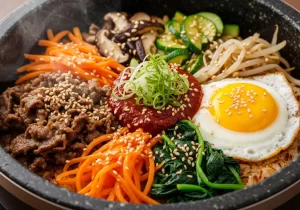

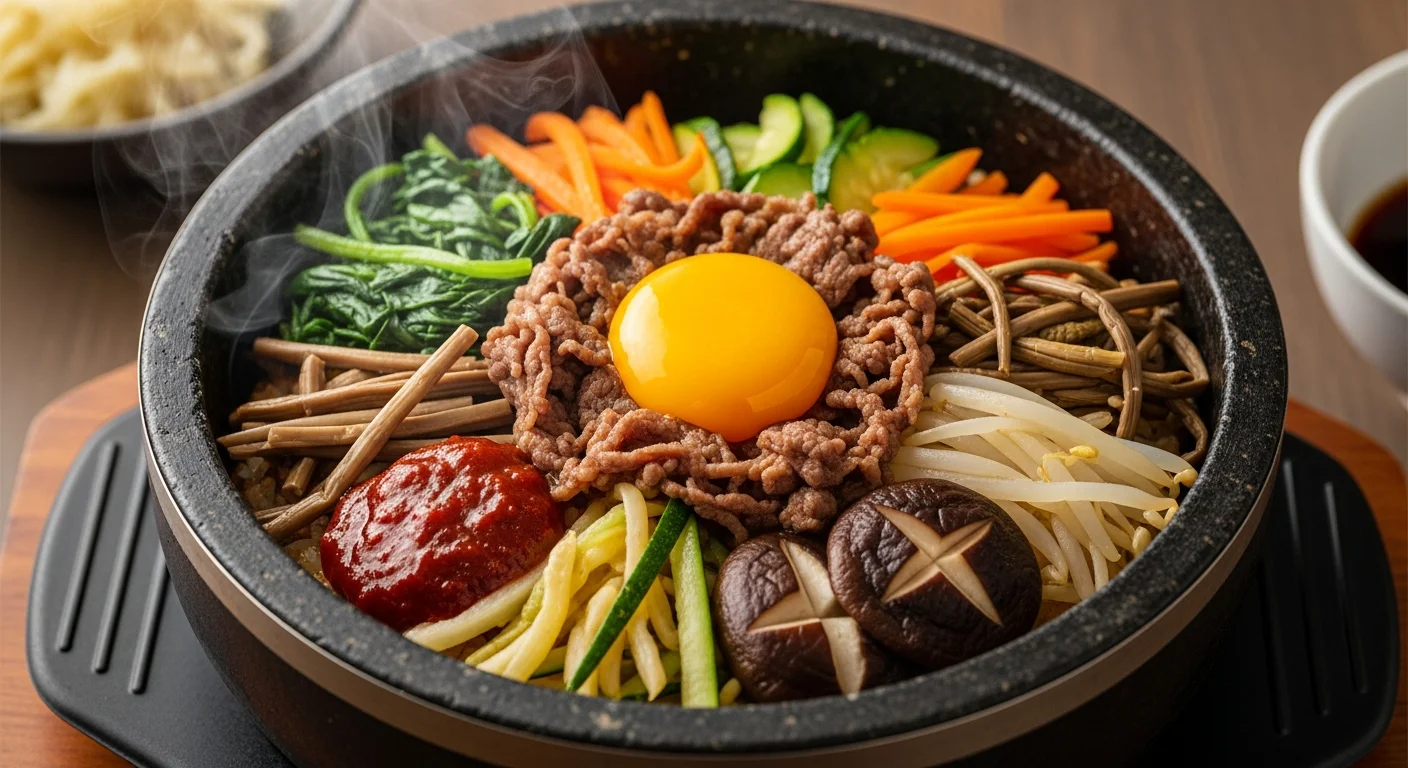
There’s something truly magical about a steaming hot dolsot bibimbap-the satisfying sizzle as the stone bowl meets the heat, the vibrant mosaic of fresh vegetables, tender marinated beef, and that perfectly fried egg crowning it all. This iconic Korean dish is more than just a meal; it’s a celebration of textures, colors, and flavors coming together in harmonious bliss. But what if you could bring that authentic experience right into your own kitchen? In this step-by-step guide,we’ll unravel the secrets behind making genuine dolsot bibimbap from start to finish. Whether you’re a seasoned foodie or a curious beginner, get ready to embark on a culinary journey that honors tradition while igniting your taste buds. Let’s dive in and discover how to create this soulful masterpiece-one sizzling bite at a time.
How to Make Authentic Dolsot Bibimbap begins with selecting the perfect ingredients that honor its rich Korean heritage and delivering a mouthwatering balance of vibrant colors, textures, and flavors. This iconic dish is more than just a meal-it’s a celebration of fresh,wholesome components,thoughtfully prepared and artfully combined in a sizzling hot stone bowl.
Prep and Cook time
- Preparation: 30 minutes
- Cooking: 25 minutes
- Total Time: 55 minutes
Yield
Serves 4 hearty portions
Difficulty Level
Medium – Ideal for home cooks ready to elevate their Korean cooking skills.
Ingredients
- 2 cups short-grain white rice, rinsed and drained
- 4 cups water
- 200g spinach, blanched and squeezed
- 1 medium carrot, julienned
- 1 small zucchini, julienned
- 150g shiitake mushrooms, sliced
- 200g bean sprouts, blanched
- 200g thinly sliced beef ribeye or sirloin
- 4 eggs
- 4 tbsp gochujang (Korean red chili paste)
- 2 tbsp sesame oil
- 1 tbsp soy sauce
- 2 cloves garlic, minced
- Salt and black pepper to taste
- 1 tbsp vegetable oil
- Toasted sesame seeds for garnish
Instructions
- Prepare the rice: Cook the rinsed short-grain rice with water in a rice cooker or heavy-bottom pot until tender. for the signature crispy rice crust, slightly undercook the rice by reducing water by 2-3 tablespoons. Set aside.
- Master the vegetables: Blanch the spinach and bean sprouts briefly, then season with a pinch of salt and a drizzle of sesame oil. Sauté the julienned carrots and zucchini separately in a hot pan with 1 tsp vegetable oil each, cooking until just tender but retaining their vibrant color, about 2-3 minutes per vegetable. For shiitake mushrooms, sauté with minced garlic and soy sauce until golden and fragrant.
- Cook the beef: Marinate the beef slices briefly with soy sauce,minced garlic,salt,and pepper. In a hot pan, quickly sear the beef over high heat until browned but still tender, approximately 1-2 minutes per side. Remove from heat.
- Fry the eggs: In a non-stick pan, fry eggs sunny-side up with runny yolks that will serve as a luscious topping for the bibimbap.
- Perfect the sizzle: Lightly oil the interior of each dolsot (stone bowl) and heat over medium-high heat for 2-3 minutes. Spoon in the cooked rice, pressing down gently and spreading evenly to create a flat layer. Continue heating for 3-5 minutes until you hear a crackling sound-the rice at the bottom forming the prized crispy crust (nurungji).
- Assemble your masterpiece: Neatly arrange each vegetable,the seared beef,and the fried egg atop the warm rice in the hot stone bowl. Place a generous dollop of gochujang in the centre. Sprinkle toasted sesame seeds over everything for a final touch.
- Serve like a Korean chef: Bring the piping hot dolsot bibimbap to the table with a hot bowl of soup or kimchi on the side. Encourage your guests to mix all ingredients vigorously, letting the textures and flavors meld with the delightful crunch of the crispy rice beneath.
tips for Success
- Ingredient freshness is key: Choose radiant, firm vegetables and well-marbled beef for the best flavor and texture.
- Control moisture: Make sure to squeeze excess water out of blanched vegetables to avoid soggy bibimbap.
- Heat your stone bowl properly: Preheating ensures an irresistible crispy rice crust that is signature to the dish.
- Customize your protein: Substitute beef with chicken, tofu, or even seafood for a different but authentic twist.
- Make-ahead tips: Prepare and season vegetables in advance, but assemble and heat right before serving for optimal freshness and texture.
Serving Suggestions
Serve your authentic dolsot bibimbap directly in the heated stone bowls to retain heat and encourage guests to mix vigorously. Garnish with additional toasted sesame seeds, thin strips of roasted seaweed, or a sprinkle of chopped scallions for contrast. Pair alongside Korean side dishes like kimchi, pickled radish, and a crisp cucumber salad, with a bowl of hot doenjang jjigae (soybean paste stew) for a complete meal.

| Nutrient | Per Serving |
|---|---|
| Calories | 540 kcal |
| Protein | 28 g |
| Carbohydrates | 65 g |
| Fat | 14 g |
Explore further how this traditional flavor symphony brings together nutrition and culture in our guide to making authentic kimchi. For additional insight into Korean culinary history, visit Korean Heritage foundation.
Q&A
Q&A: How to Make Authentic Dolsot Bibimbap – A Step-by-Step Guide
Q1: What exactly is Dolsot Bibimbap?
A1: Dolsot Bibimbap is a traditional Korean dish that translates to “rice mixed in a hot stone pot.” Served piping hot in a sizzling stone bowl, it combines warm, crispy rice with an artful arrangement of sautéed vegetables, marinated meats, and a dollop of spicy gochujang (Korean chili paste). The magic lies in the crispy rice layer-called nurungji-formed at the bottom of the pot,giving each bite a delightful crunch.
Q2: Why use a stone pot (dolsot) instead of a regular bowl?
A2: The stone pot is the secret weapon behind the authentic experience. It retains heat exceptionally well, ensuring your bibimbap stays hot throughout the meal.More importantly,it cooks the rice against the pot’s surface,creating that irresistibly crunchy crust that adds texture and depth. Beyond function, the sizzling sound and aromatic steam make the meal an immersive sensory delight.
Q3: Can I make Dolsot Bibimbap without a stone pot?
A3: While you can assemble bibimbap in a regular bowl, the signature crispy layer won’t develop without the stone pot. To mimic it, some cooks pan-fry cooked rice in a well-oiled non-stick skillet to get a similar crunch, but it’s never quite the same. Investing in a dolsot, even a budget-amiable one, takes this dish from tasty to truly authentic.
Q4: What ingredients do I need for an authentic Dolsot Bibimbap?
A4: A vibrant palette of fresh and seasoned ingredients is key. Here’s a rapid list:
- steamed short-grain rice
- Mixed sautéed vegetables (spinach, zucchini, carrots, bean sprouts, shiitake mushrooms)
- Marinated beef (bulgogi-style) or tofu for a vegetarian version
- Gochujang (Korean fermented chili paste)
- sesame oil
- A fried egg (sunny side up is classic)
- Sesame seeds and nori strips for garnish
- Garlic and soy sauce for seasoning veg and meat
Q5: How do I prepare the vegetables for bibimbap?
A5: Each vegetable shines best when lightly sautéed or blanched with a touch of seasoning. For example, spinach is blanched and tossed with minced garlic and sesame oil, zucchini is sliced thin and sautéed until tender, and bean sprouts are quickly boiled and seasoned with salt and sesame oil.This care ensures every component has its own texture and flavor, contributing to the overall harmony.
Q6: What’s the best way to cook the rice for Dolsot Bibimbap?
A6: Use freshly steamed short-grain rice,slightly on the sticky side to help it cling. When placing it in the hot stone pot, pat it evenly to form a compact base layer. Do not stir the rice while heating-you want it to brown gently against the scorching surface to create the coveted crispy crust.
Q7: How do I assemble and serve the Dolsot Bibimbap?
A7: Once the rice is nestled in the preheated dolsot with a drizzle of sesame oil on top-this encourages crisping-arrange your prepped vegetables and beef neatly over the rice, creating a colorful mosaic. Top with a sunny-side-up egg, add a generous spoonful of gochujang, sprinkle sesame seeds, and maybe some shredded nori. Serve promptly; the sizzle and aroma are parts of the feast.
Q8: How shoudl I eat Dolsot Bibimbap?
A8: Before digging in, mix everything together thoroughly-even the crispy rice at the bottom. This creates a symphony of flavors and textures in every bite: spicy, savory, crunchy, and silky. Adjust the heat with more or less gochujang according to your taste. Enjoy the warm comfort of this satisfying, balanced dish!
Q9: Any tips for perfecting my Dolsot Bibimbap at home?
A9: Absolutely! Preheat your stone pot well before adding rice to ensure the crisp forms properly. Use fresh, vibrant vegetables and don’t overcrowd the bowl-balance is essential. Also, don’t skimp on the sesame oil; it’s a tiny ingredient that makes a huge difference in aroma and flavor. Lastly, patience is key: let the rice crisp undisturbed for a few minutes before assembling your toppings.Q10: Can Dolsot Bibimbap be customized or made vegetarian/vegan?
A10: Definitely! While traditional versions often include beef and egg,you can swap beef for marinated tofu or mushrooms and omit the egg or replace it with kimchi or avocado for a vegan twist. The beauty of bibimbap lies in its versatility-just remember to maintain the balance of flavors and textures for an authentic experience.
Ready to embark on your Korean culinary journey? Grab your dolsot, gather your vibrant veggies, and get mixing-every sizzling bite of your homemade Dolsot Bibimbap will tell a story of tradition, flavor, and craft. Happy cooking!
Closing Remarks
Mastering the art of making authentic dolsot bibimbap is more than just cooking-it’s an invitation to experience a vibrant tapestry of flavors,textures,and colors all harmonized in one sizzling stone pot. With each carefully layered ingredient and every mindful stir, you bring a beloved Korean tradition to your table, transforming a simple meal into a celebration of culture and craftsmanship. Whether you’re a seasoned foodie or a curious beginner, this step-by-step guide equips you with the confidence and know-how to create your own unforgettable bibimbap adventure. So fire up your dolsot, gather your freshest ingredients, and let the flavorful journey begin-because the magic of bibimbap is not just in the eating, but in the making.