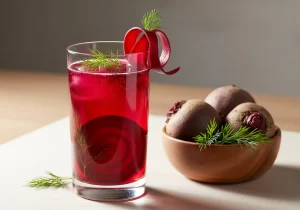

In the world of fermented foods, few elixirs boast the vibrant colour and gut-loving benefits quite like beet kvass. This ancient Slavic brew, with its deep ruby hue and tangy zing, is more than just a refreshing drink-it’s a potent tonic cherished for its ability too nurture digestion and revitalize the body. Whether you’re a fermentation fanatic or a curious newcomer, learning how to craft this revitalizing beverage at home opens the door to a world of probiotics, antioxidants, and a naturally effervescent experience.Join us as we dive into the art and science behind the perfect beet kvass recipe-your new favorite gut-healing brew to sip, savor, and share.
Beet Kvass Recipe: A Tangy, Gut-Healing Brew to Try
Beet kvass recipe unlocks a centuries-old tradition of fermented goodness, blending the earthy sweetness of beets with vibrant probiotic power. Originating from Eastern Europe, this tangy, effervescent brew has become a staple for gut health enthusiasts and culinary adventurers alike. From my first batch at home,the deep ruby hues and sharp,slightly salty flavor captivated me,inspiring me to perfect this revitalizing elixir you’ll be eager to sip daily.
Prep and Cook Time
- Readiness: 10 minutes
- Fermentation: 5-7 days
- Total Time: Approximately 1 week
Yield
- About 1 quart (950 ml) of beet kvass
Difficulty Level
- Easy – beginner-friendly fermenting
Ingredients
- 2 medium beets (organic, washed thoroughly and peeled)
- 1 tablespoon sea salt (non-iodized, fine grain)
- 4 cups filtered water (room temperature, chlorine-free)
- Optional: 1 tablespoon whey or a splash of existing beet kvass (for faster fermentation)
- Optional: a few slices of fresh ginger or garlic clove for extra zesty notes
Instructions
- Prepare your beets. Trim the tops and peel the beets, then cut into roughly 1-inch cubes or thick slices for maximum surface area, which aids fermentation.
- Make the brine. Dissolve 1 tablespoon of sea salt wholly in 4 cups of filtered water.Ensuring the salt is fully dissolved is crucial for a clean ferment.
- Pack the jar. Place the beet pieces into a clean 1-quart mason jar. If you’re using garlic or ginger, add those now for a subtle aroma boost.
- Pour in brine. Slowly pour the salted water over the beets, leaving about 1-2 inches of headspace at the top.
- Weigh down the beets. Use a fermentation weight or a small clean glass to keep the beets submerged under the brine.This prevents exposure to air and harmful bacteria.
- Cover and secure. Use a cloth with a rubber band or a fermentation lid that allows gases to escape but keeps contaminants out.
- Ferment. Leave the jar at room temperature (65-72°F / 18-22°C) away from direct sunlight. Start tasting from day 3. Most kvass hits peak flavor between day 5 and 7 with a slight fizz and tangy sharpness.
- Strain and store. once fermented to your liking, strain the liquid into a clean bottle and refrigerate. the beet solids can be composted or used in soups.
Tips for Success
- Choose organic beets whenever possible to avoid chemical residues that can interfere with fermentation.
- If your water is chlorinated, filter it or let it sit uncovered for 24 hours before use to dissipate chlorine, which kills beneficial bacteria.
- For a quicker ferment or added probiotics, stir in a tablespoon of whey or a splash of a previous batch of kvass at the start.
- If you notice any off smells or mold growing on the surface,discard and start again – healthy beet kvass smells pleasantly sour and earthy,never rotten.
- The flavor intensifies with longer fermentation-experiment with timing to find your perfect tang.
- Save a little beet kvass from each batch as a starter culture for faster future ferments.
Creative Ways to Enjoy and Incorporate Beet Kvass into Your daily Routine
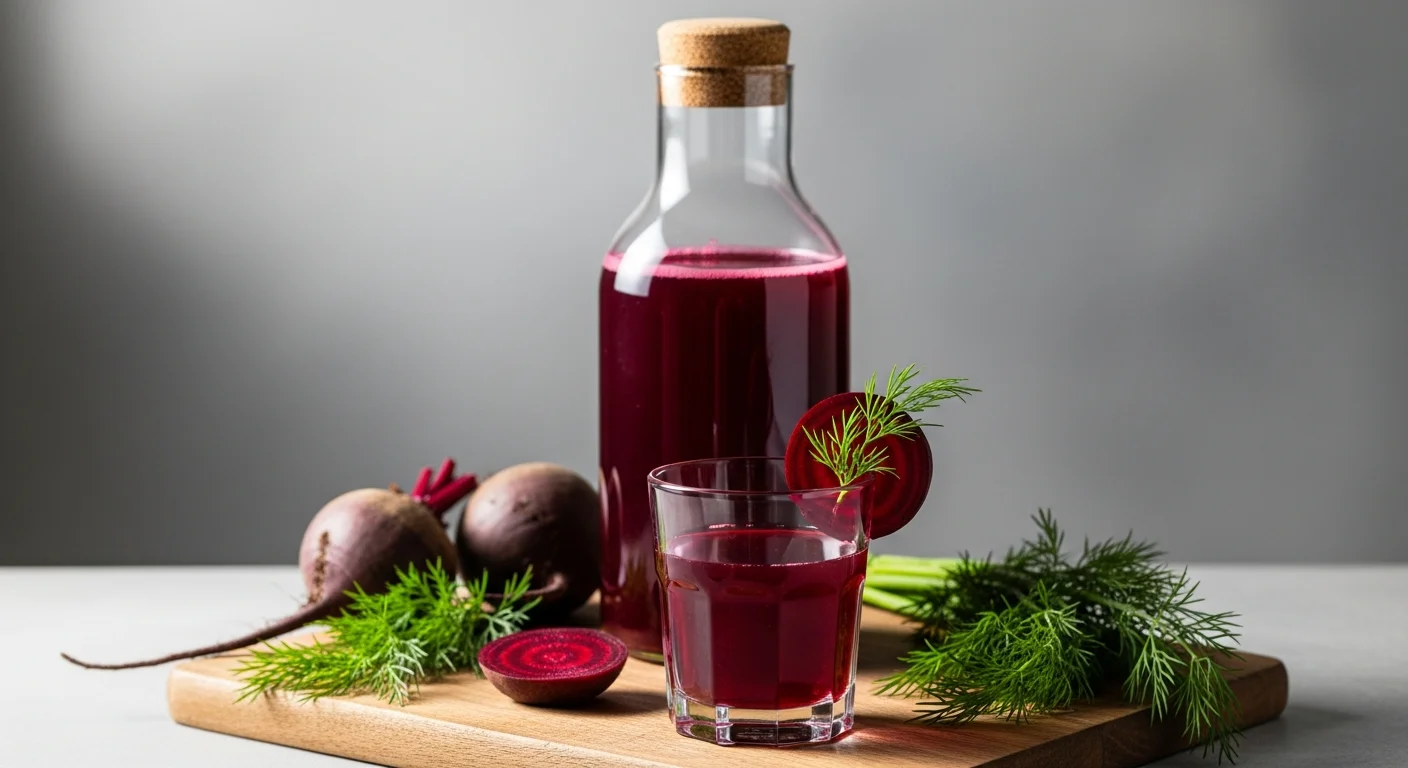
Beyond sipping cold shots as a daily probiotic boost, beet kvass enriches your meals in unexpected ways. Use it as a vibrant base for salad dressings or vinaigrettes, adding a tangy depth to greens or roasted vegetables. Mix it into smoothies to brighten flavors and aid digestion, or stir into veggie soups as a natural enhancer of umami. adding beet kvass to your Bloody Mary gives a complex, fermented twist that wakes up your palate. For an invigorating morning habit, start your day with a chilled beet kvass shot, garnished with fresh dill or a thin beet slice, creating a feast for both the eyes and digestive tract.
Serving Suggestions
- Serve chilled in small shot glasses, garnished with a sprig of fresh dill or a thin beet chip for visual flair.
- Add a dash to fresh vegetable juices or cocktails to impart probiotic richness and color.
- drizzle over roasted root vegetables or use as a marinade base for grilled meats.
- Use as an acid component in homemade pickles to impart both flavor and fermentation benefits.
| Nutrient | Per 100 ml | Benefit |
|---|---|---|
| Calories | 10 kcal | Low-calorie gut tonic |
| Protein | 0.3 g | Supports gut flora |
| Carbohydrates | 2.0 g | Natural sugars for fermentation |
| Fat | 0 g | none – light and refreshing |
| Probiotics (CFU) | Millions* | Enhances digestive health |
*Exact colonies vary by batch and fermentation conditions.
Discover more fermented favorites like sauerkraut to accompany your beet kvass for a gut-friendly kitchen arsenal.For a detailed science-backed review on fermentation and health benefits, visit this NIH research article.

Q&A
Q&A: Beet Kvass Recipe – A Tangy, Gut-healing Brew to Try
Q1: What exactly is beet kvass?
A1: beet kvass is a traditional fermented beverage originating from Eastern Europe, notably Russia and Ukraine. It’s a tangy, slightly salty, and earthy tonic made primarily from beets, salt, and water. This probiotic-rich drink is celebrated for its gut-healing properties and vibrant crimson hue.
Q2: Why should I consider drinking beet kvass?
A2: Beyond its deep,intriguing flavor,beet kvass is packed with beneficial probiotics that support your digestive system. It helps balance gut bacteria, improves digestion, and can even boost your immune system. Plus, beets are known for their antioxidants and nutrients that promote liver detoxification and overall vitality.
Q3: How arduous is it to make beet kvass at home?
A3: Surprisingly simple! With just a handful of ingredients-beets, filtered water, salt, and optional flavor enhancers like garlic or ginger-you can start the fermentation process. The key is patience and a clean environment. In about 3 to 7 days, you’ll have your own homemade gut-healing brew.
Q4: Can you walk me through a basic beet kvass recipe?
A4: Absolutely! Here’s a fast rundown:
- Chop 2 medium beets (skins on for extra nutrients).
- Place them in a clean glass jar.
- Dissolve about 1 tablespoon of sea salt in 4 cups of filtered water.
- Pour the salty water over the beets until they’re submerged.
- Weigh them down with a fermentation weight or clean stone to keep them under liquid.
- Cover loosely with a cloth or fermentation lid to allow gases to escape.
- Let it ferment at room temperature for 3-7 days,tasting as you go until it reaches your desired tanginess.
- Strain and refrigerate-your beet kvass is ready to drink!
Q5: What does beet kvass taste like?
A5: Expect a flavor that’s tangy, mildly salty, earthy, and refreshingly vibrant. The fermentation lends it a pleasing fizz and complexity, somewhat reminiscent of a light, savory kombucha but with a deeper beet-forward character.
Q6: Are there any tips to ensure successful fermentation?
A6: Yes! Use non-chlorinated water, keep everything clean, and avoid metal containers (stick to glass or food-safe ceramic). Also, ensure the beets stay submerged beneath the brine to prevent mold growth. If you see any fuzzy white film (kahm yeast), it’s generally harmless-just skim it off.
Q7: Can I add other ingredients to customize my beet kvass?
A7: Definitely! Garlic cloves, ginger slices, or herbs like dill and thyme can add exciting layers of flavor while enhancing the tonic’s health benefits. Experiment to find your personal favorite blend.
Q8: How much beet kvass should I drink daily?
A8: Start small-about 2 to 4 ounces per day-to let your digestive system acclimate to the probiotics. You can gradually increase the amount as your body adjusts, sipping it as a daily refreshing tonic or digestive aid.
Q9: Is beet kvass suitable for everyone?
A9: While it’s generally safe and beneficial, people with specific health issues (like histamine intolerance or certain gut conditions) should consult their healthcare provider before introducing fermented foods. Also, due to its salt content, those on low-sodium diets should consume it mindfully.
Q10: Where can I learn more about fermenting other gut-friendly drinks?
A10: Dive into fermentation books, blog communities, or local workshops focusing on probiotic foods. Exploring kombucha, water kefir, sauerkraut, or kimchi can expand your homemade gut-health arsenal. Fermentation is an art and science – the more you experiment, the more you enjoy!
Ready to brew your own beet kvass? Embrace the tangy tradition and let your gut buzz with health!
Insights and Conclusions
whether you’re a seasoned fermenter or just beginning to explore the vibrant world of gut-friendly brews, beet kvass offers a deliciously tangy gateway to better digestion and overall wellness. This humble, ruby-hued tonic is more than just a refreshing drink; it’s a time-tested elixir packed with probiotics, minerals, and that distinctive earthy flavor only beets can provide. By making your own batch at home, you not only tap into centuries of tradition but also invite a lively, living culture into your daily routine-one sip at a time.So grab your jar, embrace the fizz, and raise a glass to your gut’s new best friend: beet kvass, the tangy tonic that truly heals from within.