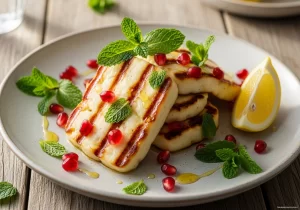

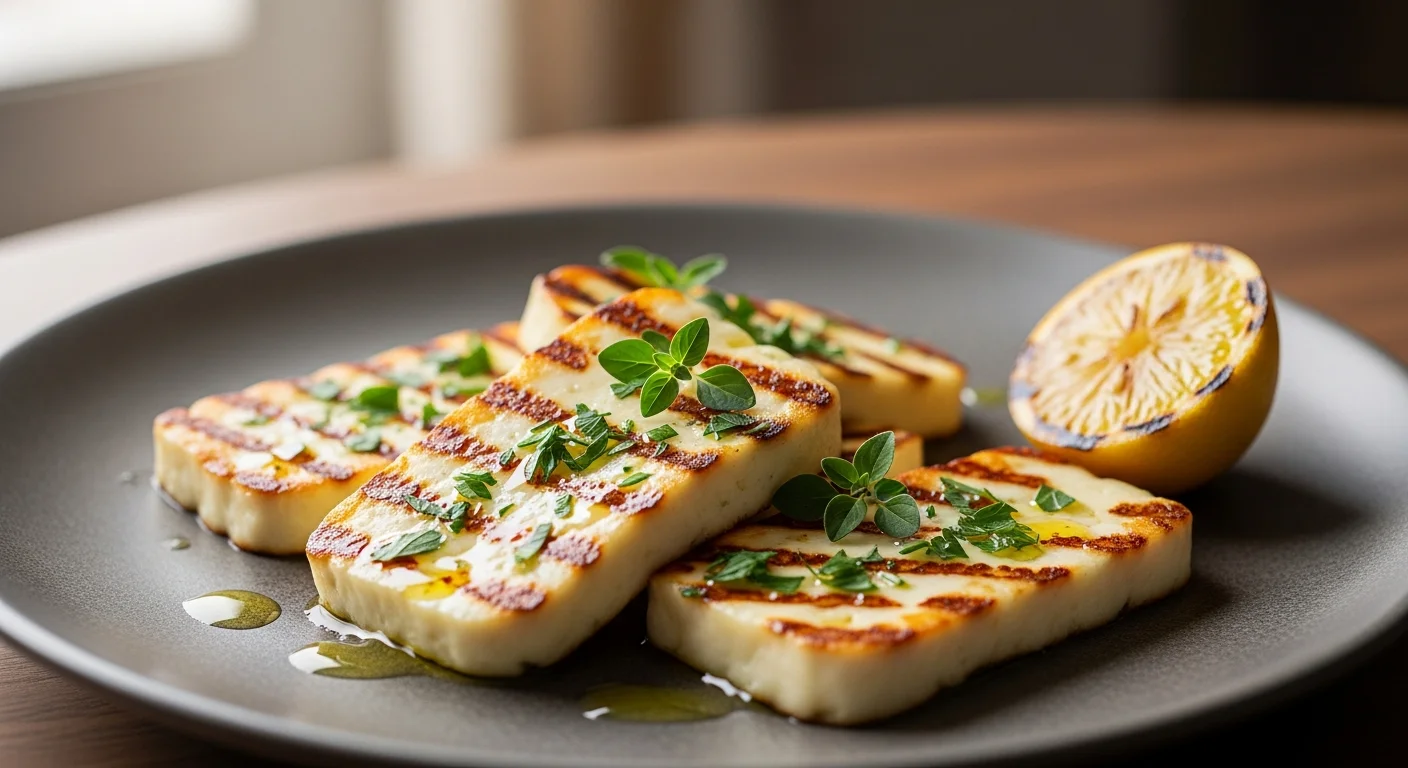
ThereS something undeniably magical about halloumi cheese-the way it crisps to a golden perfection, crackling softly as it sizzles in the pan, releasing a nutty aroma that beckons from the kitchen. This versatile Mediterranean delight has captured the hearts of food lovers worldwide, celebrated for its unique ability to withstand high heat without melting away into a gooey mess. In “sizzle & Serve: Mastering the Art of Cooking Halloumi Cheese,” we’ll dive into the secrets behind achieving that perfect balance of texture and flavor, exploring techniques, tips, and creative ideas that elevate halloumi from a humble cheese to the star of your plate. Whether you’re a seasoned cook or a curious foodie, get ready to unlock the full potential of this savory treasure and transform simple ingredients into sizzling sensations.
Sizzle & Serve: Mastering the Art of Cooking Halloumi cheese
Sizzle & Serve: Mastering the Art of Cooking Halloumi Cheese begins with understanding what makes this beloved cheese truly extraordinary.Originating from the mediterranean, primarily Cyprus, Halloumi stands out with its unique texture and flavor that captivates food enthusiasts worldwide. Its firm, slightly rubbery consistency resists melting during cooking, allowing you to achieve that irresistible golden crust while maintaining a tender, squeaky interior-a texture and taste combination unlike any other.
Prep and Cook Time
- Planning Time: 10 minutes
- Cooking Time: 8 minutes
- Total Time: 18 minutes
Yield
Serves 4 as an appetizer or side dish
Difficulty Level
Easy - Perfect for beginner cooks eager to explore simple yet stunning cheese dishes
Ingredients
- 250g halloumi cheese, sliced into 1/2-inch thick pieces
- 2 tablespoons olive oil, extra virgin preferred
- 1 teaspoon dried oregano or fresh finely chopped oregano
- Freshly ground black pepper, to taste
- Juice of half a lemon
- Fresh mint leaves, for garnish (optional)
- Chili flakes, a pinch for heat (optional)
Instructions
- Prepare your halloumi: Remove the halloumi from its packaging and gently pat dry with paper towels. This step is crucial to prevent excess moisture, which can hinder crisping.
- Slice carefully: Using a sharp knife, cut the cheese into even ½-inch thick slices. Thin slices can overcook and become rubbery,while thick slices may remain cold in the center.
- Season the slices: Drizzle olive oil over the slices, then sprinkle with dried oregano and black pepper. Gently turn each piece to coat both sides evenly.
- Heat your pan: Place a non-stick or cast-iron skillet over medium-high heat. Allow it to get hot before adding the cheese to ensure sizzling upon contact.
- Sizzle the halloumi: Add the halloumi slices in a single layer, ensuring none overlap. Sauté without moving for about 3-4 minutes until a deep golden crust forms.
- Flip and repeat: Carefully turn each slice over with a spatula. Cook for an additional 3-4 minutes on the other side until equally crispy and golden.
- Finish with brightness: Remove from heat, sprinkle with fresh lemon juice and optional chili flakes for a burst of zing and heat.
- Garnish and serve: Transfer to a serving plate and scatter fresh mint leaves on top for colour, aroma, and freshness.
Chef’s Notes and tips for Success
- Choosing your halloumi: Opt for authentic Cypriot halloumi for the best texture and flavor; imported varieties can vary considerably.
- Dry thoroughly: Always pat your halloumi dry before cooking-excess moisture interferes with crisping and can cause splattering.
- Pan selection: A cast-iron skillet elevates heat retention for superior crust formation but non-stick pans are beginner-friendly and easier to clean.
- Seasoning variations: Experiment with za’atar, smoked paprika, or even a drizzle of honey post-cooking for unique flavor twists.
- Make-ahead tip: Halloumi crisps best fresh, but you can slice and season in advance, storing covered in the fridge up to 12 hours.
Creative Serving Suggestions Pairing Halloumi with Complementary Ingredients
halloumi’s versatility shines brightest when paired thoughtfully. Try serving your beautifully sizzled slices alongside juicy heirloom tomatoes and fresh basil drizzled with balsamic glaze for a Mediterranean-inspired platter. Alternatively, nestle warmed halloumi atop peppery rocket leaves with toasted pine nuts and a squeeze of lemon for a refreshing salad. For a hearty approach, layer slices in a warm pita with grilled vegetables, harissa mayo, and pickled red onions.
To elevate your presentation, consider these garnishes and pairings:
- Sweet and spicy combos: Drizzle honey with a sprinkle of chili flakes
- Fresh herby accents: Mint, parsley, or cilantro finely chopped
- Crunch elements: Toasted nuts or seeds for textural contrast
- Accompanying dips: Zesty tzatziki, roasted red pepper hummus, or harissa yogurt

Nutritional Information
| Nutrient | Per Serving (63g) |
|---|---|
| Calories | 200 kcal |
| Protein | 14 g |
| Carbohydrates | 1 g |
| Fat | 16 g |
For more cheese-centric recipes and tips, explore our Greek Cheese plates Collection. To learn more about the cultural heritage of Halloumi,visit EUFIC’s Halloumi Cheese Guide.
Q&A
Q&A: sizzle & Serve – Mastering the Art of Cooking Halloumi Cheese
Q1: What makes halloumi cheese so special compared to other cheeses?
A1: Halloumi is a culinary marvel-the “cheese that grills!” Its high melting point means it maintains a perfect, squeaky texture when cooked. This makes it ideal for sizzling on the pan, grilling, or even frying without losing its shape, unlike many other cheeses that simply melt away.
Q2: How do you prepare halloumi before cooking?
A2: Simplicity reigns supreme. Start by draining and patting the block dry with a paper towel to remove excess moisture; this prevents splattering and helps achieve that golden crust. then, slice it into even slabs-about half an inch thick-to ensure uniform cooking and a delightful chew every bite.
Q3: What’s the secret to achieving the perfect sizzle?
A3: Heat is your best friend. Preheat your pan or grill until it’s smoking hot before adding the halloumi. Avoid overcrowding, so each slice gets direct contact with the heat and develops a crispy, caramelized exterior. A light brush of olive oil adds lusciousness, but don’t drench-it’s halloumi’s natural fat that does the heavy lifting.
Q4: Can you cook halloumi in ways other than grilling or frying?
A4: Absolutely! Halloumi is pleasantly versatile.It shines when baked alongside roasted vegetables, crumbled over salads for a salty punch, or even skewered with fresh herbs and grilled for a Mediterranean twist. Its firmness also lets you incorporate it into sandwiches or wraps without fear of sogginess.
Q5: How do you season halloumi for maximum flavor?
A5: Halloumi is naturally salty, so seasoning is about enhancing instead of overpowering. Think fresh cracked pepper, a sprinkle of za’atar, a squeeze of lemon juice post-cooking for brightness, or a drizzle of honey for a sweet-savory combo.Herbs like mint and oregano are excellent partners.
Q6: Any tips to avoid common mistakes?
A6: Avoid cooking on low heat-that results in a rubbery, unappetizing texture rather than a crisp crust. Also, don’t add salt before cooking; halloumi is salty enough on its own. Lastly, resist the urge to flip too often; patience pays off with an evenly browned, flavorful slice.
Q7: What dishes pair perfectly with cooked halloumi?
A7: The possibilities are endless, but some favorites include grilled halloumi with watermelon and mint for a refreshing starter, halloumi tacos with avocado and salsa for a fusion spin, or a hearty grain bowl featuring roasted veggies and a tangy tahini dressing. It’s a superb protein substitute in vegetarian meals and offers a satisfying chew that rounds out any plate.
Q8: Why has halloumi become a global favorite in recent years?
A8: In an era where plant-based and flavorful foods reign supreme, halloumi’s unique texture and versatility have captured chefs’ and food lovers’ imaginations alike. It bridges cultural cuisines, embraces simple yet bold flavors, and elevates everyday meals with just a quick sizzle. It’s the cheese that delivers crunch,chew,and indulgence in one bite.
With these tips and secrets, you’re ready to master the sizzling art of halloumi cheese.Turn up the heat, listen for that satisfying sizzle, and serve up cheesy creations that wow every time!
Final Thoughts
As the final sizzle fades and the golden crust of perfectly cooked halloumi gleams on your plate, you’ve not only mastered a cooking technique-you’ve unlocked a world of savory possibilities. From simple salads to elegant appetizers, this versatile cheese transforms everyday meals into memorable feasts. Armed with the insights and tips shared here, you’re ready to elevate your culinary repertoire and impress with each delightful, squeaky bite. So grab your skillet, embrace the sizzle, and let halloumi be the star that serves up flavor and flair in your kitchen adventures.