
There’s a vibrant secret simmering in the heart of Thai cuisine-a symphony of flavors that dances between fiery,tangy,and fragrant. Tom Yum,the iconic hot and sour soup beloved worldwide,owes its unforgettable character to one key ingredient: the paste. Mastering authentic Tom Yum paste at home is like unlocking a gateway to bursting, zesty complexity that no store-bought version can truly replicate. In this guide, we’ll dive deep into the art of crafting this bold, aromatic cornerstone from scratch, blending fresh herbs, spices, and a touch of culinary magic. Whether you’re a seasoned cook or a curious foodie, get ready to elevate your dishes with a homemade Tom Yum paste that sings with genuine Thai zest.
Master Authentic Tom Yum Paste is your gateway to experiencing the vibrant soul of Thai cuisine right in your kitchen. This iconic paste carries the perfect zing of lemongrass, the piercing warmth of galangal, and the subtle heat of dried chili peppers, bringing life to the legendary soup that has captivated taste buds worldwide.My journey with this paste began when I first savored the smoky, tart, and spicy notes in a bustling Bangkok street market, inspiring me to recreate that magic at home with fresh, honest ingredients.
Prep and Cook time
- Preparation Time: 20 minutes
- Cooking Time: 10 minutes (toasting and blending herbs)
- Total Time: 30 minutes
Yield
Approximately 1 cup of Tom Yum paste, enough for 4 to 6 servings of soup or various Thai dishes.
Difficulty Level
medium – perfect for those with a passion for layering flavors and a readiness to explore authentic Thai ingredients.
Ingredients
- 5 stalks fresh lemongrass, white parts only, chopped
- 4 slices fresh galangal, peeled
- 3-4 dried red chilies, soaked in warm water until soft
- 3 shallots, peeled and quartered
- 5 cloves garlic, peeled
- 2 teaspoons coriander root, thoroughly cleaned and chopped
- 1 teaspoon whole white peppercorns, toasted lightly
- 1 tablespoon shrimp paste (kapi), toasted for depth
- 1 teaspoon palm sugar or light brown sugar
- 1 tablespoon fresh lime juice, added at the blending stage
- 2 tablespoons vegetable oil, for toasting ingredients
Step-by-Step Instructions
- Prepare the herbs: Trim lemongrass stalks to use only the tender white parts, slice galangal thinly, and peel shallots and garlic. Soak dried chilies in warm water for 10 minutes until softened.
- Toast aromatics gently: Heat vegetable oil in a dry skillet over medium heat. Toast the lemongrass,galangal,shallots,garlic,coriander root,and soaked chilies,stirring frequently until fragrant and slightly golden,about 5 minutes. This caramelizes the sugars in the herbs, intensifying aroma.
- Toast peppercorns and shrimp paste: In a separate small pan, lightly toast the peppercorns until fragrant, about 1-2 minutes. Using a mortar and pestle, grind the peppercorns until coarse. Toast shrimp paste in the skillet for 1 minute until aromatic but not burned.
- Combine in mortar or blender: Transfer toasted ingredients to a mortar. Pound all ingredients (excluding lime juice) into a fine paste, working with firm pressure. Alternatively, pulse in a food processor adding lime juice at the end for freshness. The lime juice brightens and balances the intense flavors.
- adjust consistency: If the paste is too thick, add a teaspoon of water or oil to loosen it slightly. Ensure it’s smooth enough to blend seamlessly into soups or curries.
- Cool and store: Let the paste cool completely before transferring it to an airtight glass jar.
Tips for Choosing Fresh Herbs and Spices to Elevate Your Paste
Opt for Radiant,Firm Lemongrass Stalks: Fresher stalks have a pale,tender white base; avoid those that are dry or woody. Lemongrass provides the signature citrusy backbone, so its quality can make or break your paste.
Pick Galangal Carefully: Unlike ginger, galangal has a peppery scent and tougher texture-choose roots that are smooth and free from wrinkles. If unavailable fresh, opt for frozen sliced galangal but avoid powdered, which lacks complexity.
Dried Chilies: Select vibrant, unblemished chilies that rehydrate well; discarding stems and seeds controls heat level precisely. Soaking them before blending softens their texture and mellows smoke tones.
Fresh Coriander root: This underrated ingredient intensifies depth. Look for firm, unblemished roots with some soil integrity (wash thoroughly).If unavailable, lightly crush coriander stems.
Creative Ways to Store and Use Your Homemade Tom Yum Paste for maximum Flavor
After mastering your Tom Yum paste, don’t confine its use to soup alone! Store your paste in airtight containers in the refrigerator for up to 2 weeks, or freeze small portions in ice cube trays for easy, measured use that won’t lose freshness.
Besides the classic Tom Yum soup, stir the paste into stir-fries with shrimp or chicken for a punch of zesty warmth. Mix a teaspoon into marinades or salad dressings for an exotic twist. For a quick dip, combine with coconut milk and lime zest to create a spicy, creamy accompaniment for grilled seafood or vegetables.
Always allow the paste to simmer gently with broth or sauces to unlock its full character, mindful that even a small spoonful brings rich layers of heat, citrus, and umami.
Nutritional Data (per 1 tablespoon serving)
| Calories | Protein | Carbs | Fat |
|---|---|---|---|
| 25 kcal | 0.5 g | 3 g | 1 g |
Chef’s notes for Success
- Customize Heat Level: Control chili quantity to suit your taste-remove seeds for less heat.
- Substitutions: If shrimp paste is unavailable, try a small amount of miso paste for a vegetarian-kind umami boost, though flavor profile will differ.
- Texture Tip: For a silky paste, use a high-powered blender and add a splash of oil; for rustic texture, traditional pounding in a mortar is best.
- Make Ahead: Paste freezes beautifully for up to 3 months; thaw overnight in the fridge for convenience.
Serving Suggestions
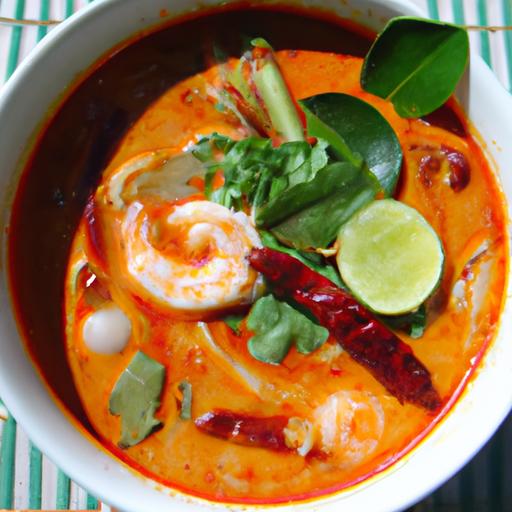
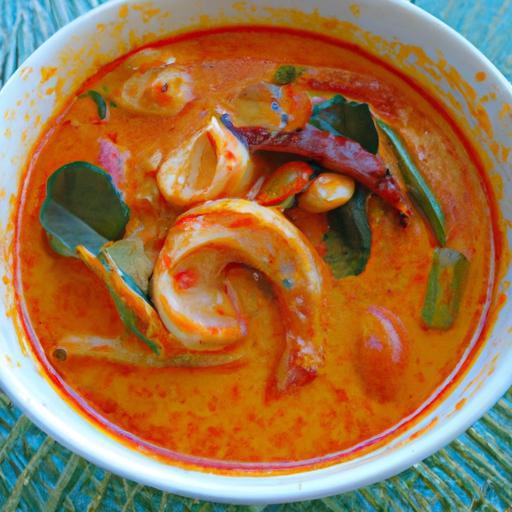
The vibrant Tom yum paste comes alive in a steaming bowl of Tom Yum Goong soup, garnished with fresh Thai basil, sliced red chilies, and a wedge of lime. Alternatively, incorporate it into coconut-based curries, grilled seafood glazes, or drizzle sparingly over noodles for an instant uplift. For visual appeal, sprinkle finely chopped cilantro and a handful of toasted peanuts before serving.

Learn more about traditional Thai ingredients
Q&A
Q&A: Master Authentic Tom Yum Paste – A Zesty Homemade Recipe
Q1: What makes Tom Yum paste so special in Thai cooking?
A1: Tom Yum paste is the heart and soul of Thailand’s iconic tom yum soup. Bursting with vibrant, zesty flavors-think tangy lemongrass, spicy chilies, fragrant kaffir lime leaves, and rich shrimp paste-it creates a harmonious balance of sour, spicy, salty, and sweet that awakens your palate and transports you straight to the bustling streets of Bangkok.
Q2: Why should I make Tom Yum paste from scratch rather than buying it ready-made?
A2: While store-bought versions can be convenient, homemade Tom Yum paste offers an unbeatable depth of freshness and aroma. When you crush the fresh herbs and spices by hand and toast ingredients like coriander seeds and dried chilies, you unlock layers of flavor that pre-made pastes simply can’t match. Plus, you control the heat and saltiness to perfectly suit your taste buds.
Q3: What are the key ingredients I need to master authentic Tom Yum paste?
A3: The essential lineup includes fresh lemongrass stalks, kaffir lime leaves, galangal, dried red chilies, shallots, garlic, fresh cilantro roots (yes, roots!), shrimp paste, and sometimes a hint of coriander seeds. Each component plays a starring role in building the paste’s complex and bold personality.
Q4: Can I substitute ingredients if I don’t have everything on hand?
A4: For a pinch, yes, but authenticity thrives on the original ingredients. If kaffir lime leaves are unavailable, a touch of lime zest can mimic some citrus notes, though the distinctive fragrance won’t be the same. Galangal stands apart from ginger with its piney, peppery edge, so try not to swap it out unless absolutely necessary. dried red chilies can be adjusted to your preferred spice level or replaced with fresh chilies for a different kick.
Q5: What’s the best method to prepare tom Yum paste at home?
A5: Traditionally, a mortar and pestle is the golden ticket, allowing you to gently pound ingredients until they release their essential oils and meld into a lively paste. This method preserves texture and coaxes out flavors that a blender might overprocess. Though, a food processor can be a practical shortcut-just pulse rather than puree to avoid a paste that’s too smooth.
Q6: How can I use homemade Tom Yum paste beyond the classic soup?
A6: Tom Yum paste is incredibly versatile! Beyond the iconic soup, try stirring it into stir-fries for an instant flavor boost, marinating seafood or chicken, or mixing it into noodle dishes for a zesty twist. Its zingy, aromatic profile can enliven dipping sauces or even brighten up grilled vegetables.
Q7: How should I store homemade Tom Yum paste to keep it fresh?
A7: Store your fresh Tom Yum paste in an airtight container in the refrigerator for up to two weeks. For longer preservation, portion it into ice cube trays and freeze, making it easy to add a cube or two when cooking. Just defrost before use, and you’ll have a ready-made burst of thai zest anytime.
Q8: Any tips for balancing the flavors in Tom Yum paste?
A8: Absolutely! The magic of Tom Yum lies in balance. If your paste tastes too spicy,mellow it with a bit more shallot or a touch of sugar.If it’s too sour, a splash of fish sauce or a pinch of salt can ground the flavors. remember, the freshest ingredients and a mindful palate are your best tools for crafting the perfect paste.
Embrace the ritual of crafting your own Tom Yum paste-it’s more than a recipe; it’s a celebration of Thailand’s vibrant culinary spirit in your kitchen!
To Wrap It Up
With your own batch of authentic tom yum paste in hand, you’ve unlocked the vibrant heart of Thai cuisine-where fiery chilies, fragrant herbs, and tangy spices come together in perfect harmony. Crafting this zesty elixir at home not only deepens your thankfulness for traditional flavors but also invites endless culinary creativity. Whether you’re simmering a classic tom yum soup or adding a punch to stir-fries, your homemade paste ensures every bite bursts with genuine, mouthwatering zest. So go ahead-embrace the bold, the bright, and the beautifully balanced, and let your kitchen become a sanctuary of authentic Thai taste.