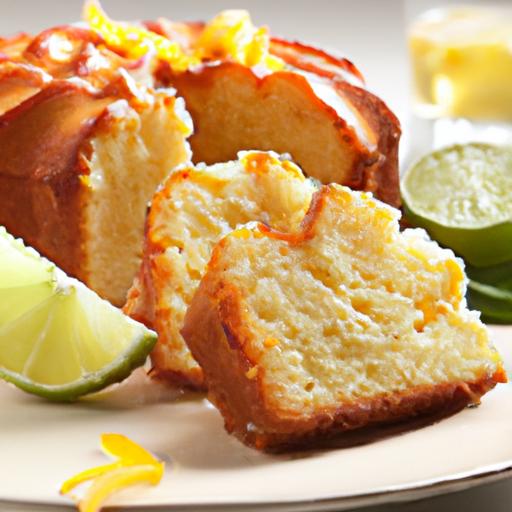

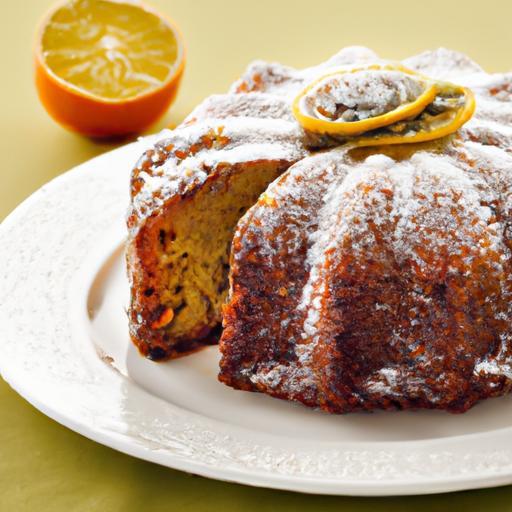
There’s something enchanting about the marriage of sunshine and sweetness, and few desserts capture this union as effortlessly as a zesty olive oil cake. taking the beloved comfort of a classic olive oil cake and infusing it with a vibrant citrus twist, this delightful treat awakens the senses with every bite. Radiant notes of lemon and orange swirl through moist, tender crumb, while the rich, fruity depth of high-quality olive oil adds an unexpected complexity that lingers long after the last slice is gone. In this article, we’ll explore the origins, ingredients, and techniques behind crafting the perfect zesty olive oil cake-a modern spin on a timeless favorite that promises to brighten any table and elevate your baking repertoire.
Zesty Olive Oil Cake: A Citrus Twist on Classic Delight
Zesty Olive Oil Cake is a vibrant celebration of Mediterranean flavors, marrying the lusciousness of high-quality olive oil with the bright, invigorating notes of fresh citrus. This cake, rooted in Italian tradition yet delightfully modern, has long been a family favorite in my kitchen, cherished for its moist crumb and tantalizing tang. It’s a perfect dessert for those who seek a sophisticated sweetness, nuanced by the fruity depth of olive oil and the zesty punch of lemon and orange.
Prep and Cook Time
- Preparation Time: 15 minutes
- Cooking Time: 40-45 minutes
- Total Time: 60 minutes (including cooling)
Yield
Serves 8-10 slices, perfect for sharing or savoring over several days.
Difficulty Level
Easy to medium – ideal for bakers comfortable with basic mixing and citrus zesting techniques.
Ingredients
- 1 ¾ cups all-purpose flour, sifted
- 2 tsp baking powder
- ½ tsp fine sea salt
- 3 large eggs, at room temperature
- 1 cup granulated sugar (plus 2 tbsp for sprinkling)
- ¾ cup high-quality extra virgin olive oil (mild and fruity)
- ¾ cup whole milk, warmed slightly
- Zest of 1 large lemon (organic preferred)
- Zest of 1 large orange (organic preferred)
- 3 tbsp fresh lemon juice
- 2 tbsp fresh orange juice
- 1 tsp pure vanilla extract
Instructions
- Preheat the oven to 350°F (175°C). grease a 9-inch round cake pan and lightly dust it with flour or line with parchment paper for easy removal.
- Combine dry ingredients: In a medium bowl, sift together all-purpose flour, baking powder, and sea salt.Set aside.
- Whisk eggs and sugar: in a large mixing bowl, beat the eggs and granulated sugar with an electric mixer until pale and creamy, about 3-5 minutes. This aeration is essential for lightness.
- Add olive oil gradually: With the mixer on low speed, slowly pour in the olive oil while continuing to whisk, ensuring it’s fully incorporated to maintain a smooth batter.
- Incorporate zest and vanilla: Stir in the lemon and orange zest along with the vanilla extract to infuse bright, aromatic notes.
- Alternate flour and milk: Reduce mixer speed to low. Add the dry flour mixture in three additions, alternating with the warmed milk in two additions. Begin and end with the flour to maintain batter consistency. Mix just until combined – overmixing can toughen the crumb.
- Mix in citrus juices: Fold in the lemon and orange juices gently with a spatula, which will give the finished cake its signature zesty tang.
- Pour batter into the pan: transfer the batter to the prepared pan, smoothing the top evenly. Sprinkle the surface with the reserved 2 tbsp of sugar to create a delicate, sweet crust.
- Bake: Place in the oven and bake for 40-45 minutes, or until a toothpick inserted into the center comes out clean. Watch for a subtle golden-brown colour and fresh citrus aroma filling the kitchen.
- Cool wholly: Allow the cake to cool in the pan for 15 minutes, then turn out onto a wire rack to cool fully before slicing for perfect texture.
Choosing the Perfect Olive Oil and Citrus Pairings for Flavor Balance
The olive oil you select plays a starring role in this dessert’s flavor and texture. Look for a high-quality extra virgin olive oil marked as mild or fruity rather than peppery or bitter, as the goal is a smooth, luscious crumb that harmonizes with citrus rather than competing against it.
For the citrus, organic lemons and oranges with bright, fragrant skins are best. Their essential oils in the zest burst with flavor, while fresh juice adds brightness and moisture. Combining both fruits enhances complexity, delivering a zesty olive oil cake experience with layers of sunny notes and refreshing tang.
Step by Step Guide to Achieving a Moist and Tangy Texture
- Aerate the eggs and sugar: Whisking until light ensures air is incorporated, leading to a lighter crumb.
- Slow olive oil addition: Pour the olive oil gradually to avoid deflating the batter’s fluffiness.
- Warm milk: Adding warm milk helps create a tender, moist crumb by melting the sugar and fat together.
- Zests and juices: Adding zest early infuses aromatic oils throughout the batter, while folding in citrus juices last preserves their bright acidity for pronounced tanginess.
- Do not overmix flour: To retain cake softness, mix just until no streaks remain.
Creative Serving Suggestions to Elevate Your Olive Oil Cake Experience
Serve your olive oil cake warm or at room temperature, complemented by a variety of accompaniments for a truly elevated experience:
- dust with powdered sugar and garnish with thin candied citrus slices for elegant presentation.
- Drizzle honey or a citrus glaze made from powdered sugar and fresh lemon juice for added sweetness and sparkle.
- Pair with dollops of whipped cream or mascarpone cheese for creamy contrast that tempers the zesty tang.
- Accompany with fresh berries such as blueberries or raspberries to introduce a burst of color and natural tartness.
- For an adult twist, serve alongside a glass of chilled Prosecco or a citrus-infused cocktail to complement the Mediterranean vibe.
Chef’s Notes: Tips for Success
- Use room temperature eggs to achieve maximum volume when whisking.
- If you prefer a less tangy cake,reduce citrus juice by half but keep zest to maintain aroma.
- Storage: Wrap the cake tightly and store at room temperature for up to 3 days or refrigerate to extend freshness.
- for a gluten-free version, try a 1:1 gluten-free flour blend, but reduce baking powder slightly.
- Looking for more citrus inspiration? Check out our Lemon Olive Oil Muffins recipe for another bright treat.
nutritional Information
| Per Serving | Calories | Protein | carbs | Fat |
|---|---|---|---|---|
| 1 slice (approx. 100 g) | 280 kcal | 4 g | 30 g | 16 g |

For a deeper dive into the history of olive oil in baking, visit International Olive Council.
Q&A
Q&A: Zesty Olive Oil Cake – A Citrus Twist on Classic Delight
Q1: what makes the zesty Olive Oil Cake different from a traditional olive oil cake?
A1: The star of this cake is its bright citrus zing that transforms the classic olive oil cake into a vibrant celebration of flavors. While traditional olive oil cake boasts moistness and subtle richness, adding zesty lemon, orange, or even lime infuses a refreshing tanginess that dances on your palate with every bite.
Q2: why use olive oil instead of butter in this cake?
A2: Olive oil lends an unparalleled moistness and a delicate fruity depth that butter can’t quite replicate.It also contributes to a tender crumb and a subtly savory note that balances beautifully with the sharp citrus. Plus, olive oil boasts heart-healthy benefits, making this indulgence a little kinder to your body.
Q3: Which type of olive oil works best for this citrus-infused cake?
A3: Opt for a mild to medium fruity extra virgin olive oil. Too robust an olive oil might overpower the gentle citrus elements, while a lighter quality won’t provide the same depth of flavor. The chosen olive oil should complement and highlight the zesty brightness without stealing the spotlight.Q4: Can I use any citrus fruit for the zest and juice?
A4: Absolutely! Lemons and oranges are classic choices, but don’t hesitate to experiment – try tangerines, grapefruits, or even a splash of lime for a unique flair. Mixing different citrus zest can add layers of complexity and create a more intriguing flavor profile.Q5: How can I ensure my zesty olive oil cake turns out moist and flavorful?
A5: The key is balancing the acidity of citrus with the fat from olive oil and the sugar. Use freshly grated zest and fresh juice for the moast vibrant flavor. Don’t overmix the batter to keep the crumb tender, and bake just until a toothpick comes out clean to avoid drying out the cake.
Q6: Is this cake suitable for special occasions?
A6: Definitely! Its elegant simplicity combined with the lively citrus notes make it a perfect centerpiece for brunches, tea parties, or festive gatherings.A lightly dusted powdered sugar or a thin glaze of citrus icing can elevate its presentation for a truly celebratory touch.
Q7: Any tips for serving or pairing this cake?
A7: Serve it slightly warm or at room temperature to let the olive oil and citrus flavors shine through. Pair it with a dollop of whipped cream, fresh berries, or a drizzle of honey. For drinks, try a crisp white wine, sparkling water with a citrus twist, or a fragrant herbal tea to complement the cake’s bright character.
With its radiant citrus notes and luscious olive oil base, the Zesty Olive Oil Cake is a appetizing way to refresh a timeless favorite and delight your taste buds with a sunny twist.
Concluding Remarks
whether you’re a seasoned baker or a curious kitchen adventurer, this zesty olive oil cake offers a refreshing spin on a timeless treat. The marriage of bright citrus notes with the smooth, fruity richness of olive oil creates a moist, flavorful cake that’s as delightful as it is unexpected. Perfect for a sunny afternoon snack or an elegant dessert, this cake invites you to savor every bite with a touch of Mediterranean charm. So next time you crave something sweet with a twist, remember: a splash of zest and a drizzle of olive oil can transform the ordinary into the extraordinary. Happy baking!