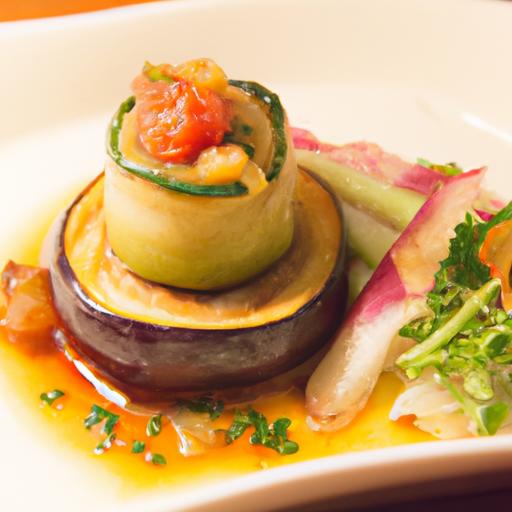

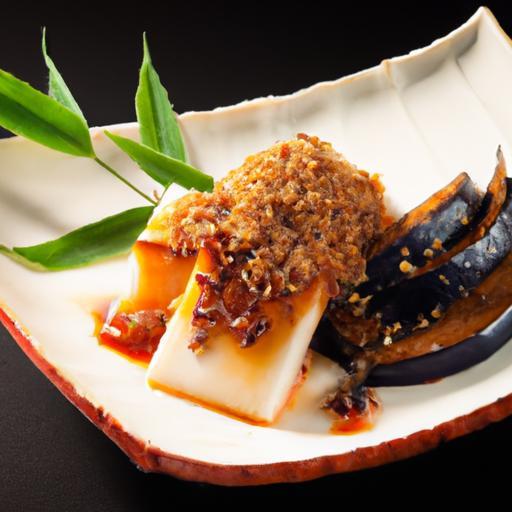
In the vast tapestry of Japanese cuisine, few dishes capture the simple elegance and profound depth of flavor quite like Nasu Dengaku. This humble yet exquisite preparation features tender eggplant, lovingly glazed with a rich, savory-sweet miso sauce that caramelizes to perfection. More than just a dish, Nasu Dengaku is a festivity of culinary tradition, where each bite offers a harmonious dance of umami, texture, and history. Join us as we explore the art behind this delightful miso-glazed eggplant, unveiling its origins, cultural meaning, and the secrets to mastering its irresistible charm in your own kitchen.
nasu Dengaku is a timeless Japanese classic that celebrates the humble eggplant with a luscious miso glaze that harmonizes sweet, salty, and umami notes in each bite. Originating centuries ago as a simple farmer’s dish, this coveted delicacy has evolved into a staple in traditional Kyoto cuisine, symbolizing the perfect marriage between seasonal produce and fermented flavor. My first encounter with Nasu Dengaku: The Art of Miso-Glazed Eggplant Delight was a moment of revelation-how such a straightforward recipe could evoke deep warmth and complexity simultaneously. today, I invite you to uncover the secrets behind this elegant dish
Prep and Cook Time
- Preparation: 15 minutes
- Cooking: 20 minutes
- Total Time: 35 minutes
Yield
Serves 4 as an appetizer or side dish
Difficulty Level
Easy to Medium – perfect for beginner cooks seeking to explore Japanese flavors with confidence
Ingredients
- 2 medium Japanese eggplants, halved lengthwise
- 2 tablespoons miso paste (preferably white or awase miso for balanced sweetness)
- 1 tablespoon mirin
- 1 tablespoon sake
- 1 tablespoon sugar
- 1 teaspoon soy sauce
- 1 tablespoon vegetable oil
- 1 scallion, finely sliced for garnish
- 1 teaspoon toasted sesame seeds, optional garnish
Instructions
- Prepare the eggplants: Rinse and dry the eggplants. Using a sharp knife, score the flesh with diagonal cuts about 1/4-inch deep to allow flavor absorption and even cooking.
- Cook the eggplants: in a large skillet over medium heat,warm the vegetable oil. Place the eggplant halves skin-side down and sauté until the flesh becomes tender and golden brown, about 7-8 minutes. flip gently and cook the skin side for another 4-5 minutes. Remove from heat and set aside.
- Make the miso glaze: In a small saucepan, combine the miso paste, mirin, sake, sugar, and soy sauce. Heat gently over low heat, stirring continuously until the sugar fully dissolves and the mixture thickens slightly, about 3-4 minutes. Remove from heat to avoid burning.
- Glaze the eggplants: Spoon a generous layer of the warm miso glaze evenly over the eggplant flesh. For an authentic touch and signature caramelization,place the glazed eggplants under a broiler for 2-3 minutes,watching carefully until the glaze bubbles and forms a shiny crust.
- Garnish and serve: Sprinkle with finely sliced scallions and toasted sesame seeds. Serve warm to enjoy the full depth of flavors.
Tips for Success
- Eggplant Selection: Japanese eggplants are preferred for their tender skin and creamy flesh. Larger globe eggplants can be used but may require peeling and longer cook times.
- Miso Variations: Adjust the miso type to suit your palate-red miso adds a heartier umami punch, while white miso keeps the glaze sweeter and mild.
- Texture Mastery: Avoid soggy eggplants by draining any excess liquid after sautéing. Giving them a gentle press with paper towels helps achieve a firmer bite.
- Make-ahead: Prepare the miso glaze in advance and keep refrigerated (up to 3 days). Reheat gently before glazing.
- Broiling Caution: Stay attentive during broiling as the miso glaze can burn quickly due to its sugar content.
serving Suggestions
Present Nasu Dengaku: The Art of Miso-Glazed Eggplant Delight on a rustic wooden platter or elegant ceramic dish to highlight its natural hues. Add a side of steamed jasmine rice or soba noodles for a complete meal. For an added textural contrast,sprinkle with crushed toasted peanuts or serve alongside fresh cucumber pickles.
Pair with a light and crisp sake or a chilled green tea to balance the glaze’s richness. This dish also shines when served alongside grilled fish or as part of a shared Japanese izakaya-style spread.

| Nutrition per Serving | Amount |
|---|---|
| Calories | 150 kcal |
| Protein | 3 g |
| Carbohydrates | 18 g |
| Fat | 7 g |
For more on crafting perfectly balanced Japanese sauces, check our Umami Sauces Guide and explore authentic culinary techniques. To dive deeper into japanese culinary heritage, the Japan-Guide’s overview of traditional cuisine offers invaluable cultural context.
Q&A
Q&A: Nasu Dengaku – The Art of Miso-Glazed eggplant Delight
Q1: What is Nasu Dengaku?
A: Nasu dengaku is a traditional Japanese dish featuring tender eggplants (nasu) beautifully adorned with a luscious, savory-sweet miso glaze. The name “dengaku” originally refers to a type of skewered grilled tofu dish served at festivals, but today it’s synonymous with this iconic miso-glazed eggplant preparation that transforms humble vegetables into a taste sensation.
Q2: Why is miso used in Nasu Dengaku?
A: Miso is more than just an ingredient-it’s the soul of Nasu Dengaku.This fermented soybean paste imparts rich umami depth and a subtle sweetness that perfectly complements the creamy,silky texture of roasted eggplant. The glaze caramelizes during grilling or broiling,creating a glossy,tantalizing crust that balances savory,sweet,and earthy notes.
Q3: What kind of miso is best for the glaze?
A: While different regions favor various miso varieties, red miso (akamiso) is a popular choice due to its robust, slightly sweet flavor profile that stands up well to caramelization. Some chefs prefer combining red miso with sweet white miso (shiromiso) to achieve a harmonious balance of sweetness and depth, giving the glaze its signature complexity.
Q4: How is the eggplant prepared before glazing?
A: the eggplant is typically sliced in half lengthwise or cut into thick rounds. To reduce bitterness and enhance texture, it’s often scored with shallow diagonal cuts-this also allows the miso glaze to penetrate better. After a brief roasting, grilling, or pan-searing, the miso glaze is spread generously on top before a final torch or broil to caramelize the surface.
Q5: is Nasu dengaku served hot or cold?
A: Traditionally, Nasu Dengaku is served warm, straight off the grill or oven, so that the miso glaze is still glossy and aromatic.However, it can also be enjoyed at room temperature, allowing the flavors to meld beautifully. Either way, it pairs perfectly with steamed rice, pickles, and a bowl of miso soup for a harmonious Japanese meal.Q6: Can Nasu Dengaku be customized for modern palates?
A: absolutely! While preserving the core techniques and flavors, many contemporary cooks experiment with adding a hint of yuzu zest for citrus brightness, sprinkling toasted sesame seeds for crunch, or infusing the miso glaze with ginger or sake for added complexity. Vegan-kind, aromatic, and versatile, Nasu Dengaku invites creativity without losing its soulful essence.
Q7: What cultural significance does Nasu Dengaku hold?
A: Beyond its deliciousness, Nasu Dengaku embodies the Japanese philosophy of “shun” – celebrating ingredients at their seasonal peak. It’s often enjoyed in summer and early autumn when eggplants are at their best. The dish also reflects the elegance of simple ingredients elevated by technique and tradition, making it a beloved staple in home kitchens and izakayas alike.
Q8: How can a home cook master Nasu Dengaku?
A: Start with fresh, firm eggplants and prepare the miso glaze with care, balancing sweetness and saltiness. Don’t rush the caramelization; a gentle broil or grilling creates that signature glaze texture.Practice scoring the eggplant to ensure even cooking and glaze absorption. With a little patience, you’ll unlock the art of miso-glazed eggplant-and perhaps a new favorite in your culinary repertoire.
final Thoughts
As the rich, savory glaze of miso seeps into tender slices of eggplant, Nasu Dengaku reveals itself not just as a dish, but as a harmonious celebration of flavor and tradition. This humble yet elegant delicacy invites us to savor the artistry behind every brushstroke of miso-a timeless dance of sweet, salty, and umami notes that awaken the palate and honor Japanese culinary heritage. Whether enjoyed as a comforting side or a star of the table, Nasu Dengaku stands as a vibrant reminder that sometimes, the simplest ingredients, when treated with care and respect, create the most unforgettable experiences. So next time you seek a taste of Japan’s soulful cuisine,let the golden glaze of miso-light your way to a truly delightful bite.