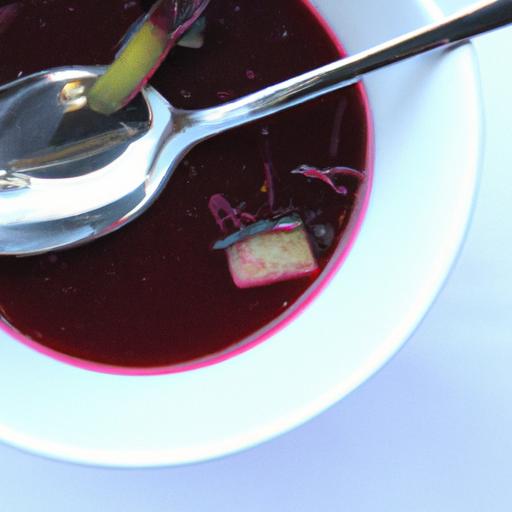


In the realm of time-honored elixirs that blend nourishment and tradition, beet kvass stands out as a vibrant, tangy brew that has been quietly nurturing gut health for centuries. This ruby-red ferment,born from humble beets and simple ingredients,carries a rich legacy from Eastern European kitchens,where it was revered not just as a beverage but as a healing tonic. Bursting with probiotics,antioxidants,and natural earthiness,beet kvass offers a deliciously easy way to support digestion,boost immunity,and invigorate the palate. Join us as we dive into the art and science of crafting your own beet kvass-a traditional gut-healthy elixir that transforms simple roots into a living, bubbling health potion right in your own kitchen.
Beet kvass recipe unlocks the ancient art of fermenting vibrant beets into a tangy, gut-nourishing elixir cherished for centuries in Eastern European kitchens. This traditional beverage not only boasts a deep ruby hue but also offers a probiotic boost that supports digestion and gut health. I vividly remember my first batch,the aroma of earthy beets mingling with the sharp tang of fermentation filling my kitchen,signaling the onset of something truly transformative.
Prep and Cook Time
- Preparation: 10 minutes
- fermentation Time: 3 to 5 days (depending on temperature and taste preference)
- Total Time: Approximately 5 days
Yield
- About 1 quart (950 ml) of beet kvass
Difficulty Level
- Easy
Ingredients
- 2 medium-sized organic beets, washed and unpeeled
- 1 tablespoon sea salt (non-iodized)
- 1 quart filtered water (chlorine-free)
- Optional: 1 teaspoon whey or starter brine (for quicker fermentation)
Step-by-Step guide to Fermentation and Achieving the Ideal Tang
- Prepare the beets: Slice the washed beets into roughly 1-inch cubes or thick coins to maximize surface area and encourage fermentation.
- Fill the jar: Place the beet pieces into a clean quart-sized glass jar, leaving about 2 inches of headspace.
- Dissolve the salt: In a separate container, stir the sea salt into the filtered water until fully dissolved. This brine is the lifeblood of the ferment,providing the perfect environment for beneficial bacteria.
- Add starter (optional): If using, add whey or a few tablespoons of previously fermented brine to jumpstart the process.
- Pour the brine: Pour the saltwater over the beets, ensuring all beet pieces are submerged. Use a fermentation weight or a clean small glass to keep the beets beneath the brine and prevent mold.
- Cover and seal: Place a loose lid on the jar or cover with a cloth and rubber band to allow gases to escape while keeping contaminants out.
- Ferment: Store the jar at room temperature away from direct sunlight, ideally between 65-75°F (18-24°C). Begin tasting after 3 days. The kvass will develop a pleasantly tangy,effervescent flavor; ferment longer for a stronger tang.
- Strain and refrigerate: Once the desired taste is achieved, strain out the beets and transfer the kvass to a sealed bottle. Refrigerate to slow fermentation and enjoy chilled.
Choosing the Perfect Beets and Ingredients for a Flavorful Kvass
For the richest flavor and deepest color, choose fresh, firm beets with smooth skin and a robust earthy aroma.Organic is best to avoid pesticides that can impede natural fermentation. Using unpeeled beets adds wild yeasts and beneficial microbes that contribute to complex fermentation. Non-iodized sea salt is essential as iodine can inhibit probiotic activity, making your kvass less effective.
Tips for Storing Your Kvass and Creative Ways to Enjoy Every Sip
- Storage: Keep your kvass refrigerated in an airtight bottle for up to 2 weeks. Beyond that, it will continue fermenting slowly, increasing acidity and carbonation.
- Serving: Serve chilled or over ice with a sprig of fresh mint or a thin slice of lemon for a refreshing probiotic tonic.
- Creative Uses: Mix into salad dressings or gazpachos for a zesty punch. Try using kvass as a marinade for grilled vegetables or as a digestive aid post-meal.
Chef’s Notes: Tips for Success
- Adjust ferment time: Shorter fermentation yields a milder, sweeter kvass; longer time brings a stronger sour bite.
- Avoid metal: Use glass, wood, or food-grade plastic utensils and containers to prevent unwanted reactions.
- Be patient: Ambient temperature significantly affects fermentation speed-cooler environments require longer fermentation.
- Second fermentation: After straining, you can add herbs like ginger or thyme and ferment an additional day for complex flavors.
- Recycling: Save some brine from previous batches to kickstart new fermentations naturally.
Serving Suggestions
Pour beet kvass into rustic ceramic tumblers or translucent glasses to showcase its deep ruby red color. Garnish with tiny sprouts or a cinnamon stick for a warming sensory experience. Complement the drink with light appetizers such as rye crisps topped with fresh goat cheese and chopped herbs or a chilled cucumber salad drizzled with kvass vinaigrette.
| Nutritional Info (per 8oz serving) | Value |
|---|---|
| Calories | 25 |
| Protein | 1g |
| Carbohydrates | 5g |
| Fat | 0g |

explore more traditional fermented recipes like our authentic sauerkraut recipe to expand your gut-healthy repertoire. For an in-depth look at fermentation science, visit USDA NIFA.
Q&A
Q&A: Beet Kvass Recipe – A Traditional Gut-Healthy Elixir to Brew
Q1: What is beet kvass, and why has it gained popularity as a gut-healthy elixir?
A: Beet kvass is a traditional fermented beverage made from beets, water, and salt. originating from Eastern Europe, it’s cherished for its vibrant flavor and powerful probiotic content. This tangy, slightly effervescent tonic supports digestion, promotes a healthy gut microbiome, and provides a boost of natural vitamins and minerals, making it a favorite among health enthusiasts seeking gentle yet effective gut healing.
Q2: How does fermentation make beet kvass beneficial for gut health?
A: The magic of fermentation lies in beneficial bacteria-primarily lactobacillus-that flourish during the brewing process. These microbes help break down sugars in beets, creating probiotics and enzymes that enhance digestion, improve nutrient absorption, and balance gut flora.Drinking beet kvass regularly can nurture your microbiome and support a resilient digestive system.
Q3: What ingredients do I need to brew beet kvass at home?
A: Keeping it simple is key. You’ll need fresh beets (preferably organic), filtered water, and non-iodized salt like sea salt or Himalayan salt. Some recipes also suggest adding whey or starter cultures to jump-start fermentation, but traditional methods rely solely on natural bacteria from the beets and environment.
Q4: Can you share a basic recipe for making beet kvass?
A: Absolutely! here’s a simple step-by-step:
- Chop 2 medium beets into small cubes.
- Place them in a clean glass jar, filling it about halfway.
- Dissolve 1 tablespoon of salt in 4 cups of filtered water and pour over the beets, leaving about an inch of headspace.
- Cover the jar with a cloth or loosely fitted lid to allow gases to escape.
- Leave the jar at room temperature (around 68-72°F) for 3-5 days, tasting daily until it reaches the desired tanginess.
- Strain out the beets, refrigerate the liquid, and enjoy ½ to 1 cup per day!
Q5: How can I tell when my beet kvass is ready?
A: Your beet kvass is ready when it tastes pleasantly sour, with a hint of earthiness and sparkle. The color may deepen slightly, and you might notice a mild fizz. If it smells overly alcoholic or off, it’s best to discard and start fresh. Trust your senses-taste and smell are your best guides.Q6: Are there any tips to ensure a successful fermentation?
A: Yes! use clean jars and utensils to avoid unwanted bacteria, keep beets submerged under the brine to prevent mold, and store your ferment in a stable, warm spot away from direct sunlight. If a white film (kahm yeast) forms, it’s harmless and can be skimmed off. Experiment with fermentation time and temperature to suit your taste buds.
Q7: Can beet kvass be flavored or customized?
A: While traditional beet kvass highlights the earthy beet flavor,you can happily experiment by adding ginger,garlic,or herbs like dill during fermentation for extra zing. Just remember to keep proportions balanced and maintain the salt and water ratio to preserve fermentation integrity.Q8: How should beet kvass be stored, and how long does it last?
A: Once fermented, strain the kvass and store it in the refrigerator with a tight lid.It can keep well for up to 2-3 weeks, slowly continuing to ferment but at a much slower rate. Always give it a sniff and taste before drinking.
Q9: Who should avoid drinking beet kvass?
A: While generally safe for most peopel, those with low blood pressure or on blood pressure medications should be mindful, as beets can lower blood pressure. Also, if you have histamine sensitivities or are new to fermented foods, start with small amounts and monitor your body’s response.
Q10: Why brew your own beet kvass instead of buying commercial versions?
A: Brewing at home connects you to centuries-old traditions, giving you control over quality and freshness. Homemade kvass frequently enough contains more live probiotics and no added sugars or preservatives, making it a purer, more potent gut-health ally. Plus, it’s a fun, rewarding kitchen adventure that fills your home with tangy, earthy aromas!
Dive into the ancient art of fermentation and let beet kvass awaken your gut with vibrant health-one tangy sip at a time!
To Conclude
As you embark on your beet kvass brewing journey, remember that this vibrant elixir is more than just a drink-it’s a time-honored tradition steeped in gut-loving goodness and fermented magic. With each tangy sip, you’re not only nurturing your digestive health but also connecting with centuries of wisdom passed down through generations. Whether enjoyed as a refreshing tonic or a culinary companion, homemade beet kvass invites you to celebrate the simple, powerful synergy of nature and nurture. So gather your beets, embrace the fermentation rhythm, and let this radiant ruby brew transform your wellness ritual-one probiotic-rich drop at a time. Cheers to your gut, your health, and the ancient art of making life a little more vibrant!