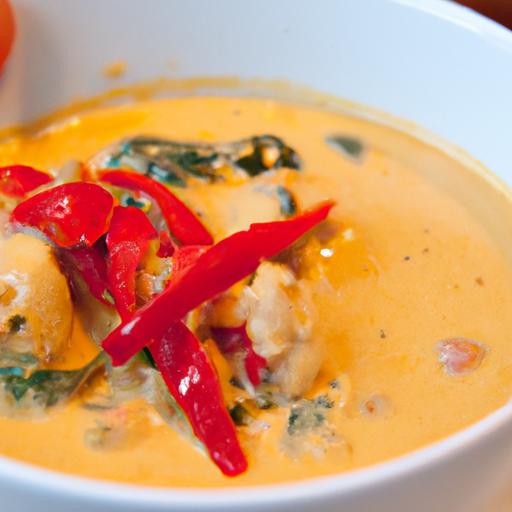

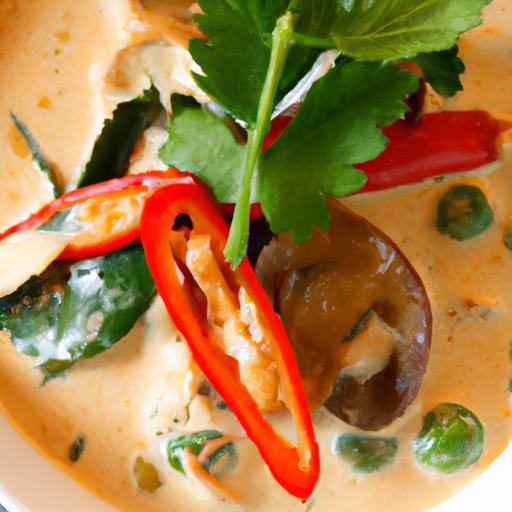
In the vibrant tapestry of global cuisine, few dishes capture the essence of thailand quite like red curry. Its rich, aromatic blend of spices, creamy coconut milk, and fiery chili peppers creates a symphony of flavors that dance on the palate, transporting diners straight to bustling street markets and serene temple courtyards. But what transforms a simple bowl of red curry into an authentic masterpiece? Journey with us as we uncover the time-honored secrets, traditional techniques, and carefully chosen ingredients that elevate Thai red curry from good to unforgettable. Whether you’re a seasoned chef or a curious home cook, prepare to unlock the art of crafting red curry perfection – a true taste of Thailand’s culinary soul.
Discover the Secrets to Authentic thai Red Curry Perfection by starting with crafting your own vibrant curry paste from fresh, fragrant ingredients. There’s nothing quite as rewarding as blending freshly toasted spices, pungent herbs, and fiery chilies to capture that unmistakeable Thai essence. As you combine this aromatic paste with creamy coconut milk and a carefully selected mix of authentic proteins and garden-fresh vegetables, your kitchen will transform into a sanctuary of rich flavor and inviting warmth.
Prep and cook Time
- Preparation Time: 25 minutes
- Cook Time: 30 minutes
- total Time: 55 minutes
Yield
Serves 4 generous portions
Difficulty Level
Medium – Perfect for adventurous home cooks eager to deepen their culinary skills
Ingredients
- For the Thai Red Curry paste:
- 10 dried red chilies, soaked and drained
- 1 tsp coriander seeds
- 1 tsp cumin seeds
- 1 tsp white peppercorns
- 2 shallots, peeled and sliced
- 5 cloves garlic, peeled
- 1 stalk lemongrass (white part only), finely chopped
- 1-inch piece galangal, peeled and sliced
- 1 tsp shrimp paste (kapi)
- Zest of 1 lime
- 1 tbsp vegetable oil
- For the Curry:
- 400ml coconut milk, divided
- 400g chicken thighs, thinly sliced (or tofu for vegetarian)
- 1 red bell pepper, sliced
- 1 cup Thai basil leaves
- 100g green beans, trimmed
- 2 tbsp fish sauce (or soy sauce for vegetarian)
- 1 tbsp palm sugar
- Juice of 1 lime
instructions
- prepare the spice base: Toast coriander seeds, cumin seeds, and white peppercorns in a dry pan over medium heat for 2-3 minutes until fragrant. Grind them finely with a mortar and pestle (or spice grinder).
- Prepare dried chilies and aromatics: Soak dried red chilies in warm water for about 15 minutes until soft. Drain and deseed for less heat if preferred.
- Make the curry paste: In the mortar or blender,combine toasted spices,soaked chilies,shallots,garlic,lemongrass,galangal,shrimp paste,and lime zest. Pound or blend until a smooth, fiery paste forms. Add a splash of vegetable oil if needed to assist blending.
- Cook the paste: Heat 1 tbsp of coconut cream (thick part) in a wok or deep pan over medium heat. Add the curry paste and sauté until aromatic and deep red,about 3-5 minutes. Stir constantly to prevent burning.
- Add coconut milk and proteins: pour in the remaining coconut milk gradually, stirring to combine and create a velvety sauce. Add chicken or tofu and simmer gently for 10 minutes until cooked through and tender.
- Add vegetables: Toss in bell peppers and green beans. Cook another 3-4 minutes, keeping vegetables crisp yet tender.
- Season and finish: Stir in fish sauce, palm sugar, and lime juice to perfectly balance salty, sweet, and tangy notes. Add Thai basil leaves just before serving for a fresh herbal burst.
Tips for Success
- Toasting spices enhances their aromatic oils and builds deep complexity in your curry paste-don’t rush this step.
- Adjust the heat level by varying the number of dried chilies or removing seeds for a milder curry.
- Shrimp paste is a traditional umami enhancer-but you can substitute with miso paste if you prefer a vegetarian-kind alternative.
- Use full-fat coconut milk for the richest,creamiest texture; the first thick cream collected is best for frying the paste.
- You can prepare the curry paste in advance and freeze in portions to save time on busy days.
- Fresh herbs like Thai basil and kaffir lime leaves added last preserve their vibrant flavor and aroma.
Serving Suggestions
Serve your authentic Thai red curry steaming hot with fragrant jasmine rice or sticky rice for soaking up the luscious sauce. Garnish with freshly torn basil leaves, thinly sliced red chilies for extra color, and a wedge of lime on the side to brighten flavors.A side of crisp cucumber salad or pickled vegetables provides a refreshing contrast, balancing the richness beautifully.

| Nutrient | Per Serving |
|---|---|
| Calories | 520 kcal |
| Protein | 32 g |
| Carbohydrates | 18 g |
| Fat | 38 g |
To deepen your understanding of Thai cuisine’s spice profiles, explore our Guide to Thai Spices. For more detailed information on the health benefits of coconut milk, see this comprehensive article by Healthline.
Q&A
Q&A: Discover the Secrets to Authentic Thai Red Curry Perfection
Q1: What makes Thai red curry truly authentic?
A1: Authentic Thai red curry is a harmonious blend of fresh, vibrant ingredients and traditional cooking techniques. It starts with a homemade red curry paste packed with dried red chilies,garlic,shallots,lemongrass,galangal,kaffir lime zest,and shrimp paste. The freshness and balance of these ingredients create the signature depth of flavor that sets genuine Thai red curry apart from its imitators.
Q2: Can I use store-bought red curry paste and still achieve authenticity?
A2: While homemade paste is best, a high-quality store-bought red curry paste can be a good shortcut. The key is to look for one with natural ingredients and no preservatives. Enhance it by adding fresh herbs like Thai basil and kaffir lime leaves, and always toast or fry the paste briefly to awaken the flavors before adding coconut milk.
Q3: What type of coconut milk is ideal for Thai red curry?
A3: Rich, full-fat coconut milk is essential for authentic Thai red curry. It lends a creamy, luscious texture that balances the fiery spices. Choose a brand with minimal additives for the purest taste, and don’t be afraid to use a little extra to achieve that signature silky sauce.
Q4: how do the herbs and aromatics influence the final dish?
A4: Thai red curry is shaped by its fresh aromatics - kaffir lime leaves impart a citrusy brightness, Thai basil adds a peppery sweetness, and fresh coriander can provide an herbal lift.Each element layers complexity into the curry, elevating it beyond just spicy coconut sauce to a fragrant, multidimensional experience.
Q5: What types of proteins and vegetables best complement red curry?
A5: Traditional Thai red curry shines with tender chicken, succulent duck, or fresh seafood like shrimp and fish.Vegetables shoudl be chosen for texture and subtle sweetness: eggplants, bamboo shoots, bell peppers, and green beans are classics. The trick is to add ingredients in stages so each element cooks perfectly without overstepping.
Q6: How important is balancing heat, sweetness, and saltiness?
A6: Balance is the heartbeat of Thai red curry. The heat from chilies, sweetness from palm sugar, and saltiness from fish sauce dance together to create harmony. Adjusting these elements gradually and tasting as you go ensures the curry sings – never too spicy, never too sweet, but beautifully exact.
Q7: Are there any pro tips for cooking Thai red curry at home?
A7: Absolutely! Firstly, gently fry your curry paste in oil or coconut cream until fragrant before adding liquids – this blooms the flavors.Secondly, simmer rather than boil to preserve delicate aromatics. lastly,finish with a splash of lime juice and fresh herbs just before serving to brighten the dish and add that final authentic touch.
Q8: How should authentic Thai red curry be served?
A8: Traditionally, Thai red curry is served piping hot alongside steamed jasmine rice, which soaks up the luscious sauce. Pair it with a simple cucumber salad or fresh herbs to cleanse the palate. This simple presentation lets the rich curry be the star while providing balance and contrast.
Q9: Can I customize Thai red curry while maintaining authenticity?
A9: Sure! Authenticity isn’t rigidity-it’s about respect for flavor principles. Feel free to swap proteins or vegetables based on seasonality or preference. Experiment with adding fresh mango, pineapple, or roasted peanuts for engaging twists, but keep the core technique and balance intact to honor the essence of Thai red curry.
Q10: Why is mastering Thai red curry worth the effort?
A10: As every bowl of well-made Thai red curry is a festivity of culture, tradition, and a symphony of flavors. It’s not just a meal – it’s a sensory journey transporting you straight to Thailand’s vibrant streets and kitchens. Mastering it means unlocking a world of spice, sweetness, and creamy indulgence that few dishes can rival.
Concluding Remarks
As you embark on your own journey to master authentic Thai red curry, remember that the magic lies in balancing bold spices, fresh ingredients, and a touch of patience. Each simmering pot tells a story of centuries-old traditions and vibrant flavors that dance on the palate. By embracing these secrets- from the fragrant homemade curry paste to the creamy coconut embrace-you’re not just cooking a dish; you’re crafting an experience that brings the heart of Thailand into your kitchen. So grab your mortar and pestle, gather your ingredients, and let your senses lead the way to red curry perfection. The adventure awaits, one tasty spoonful at a time.