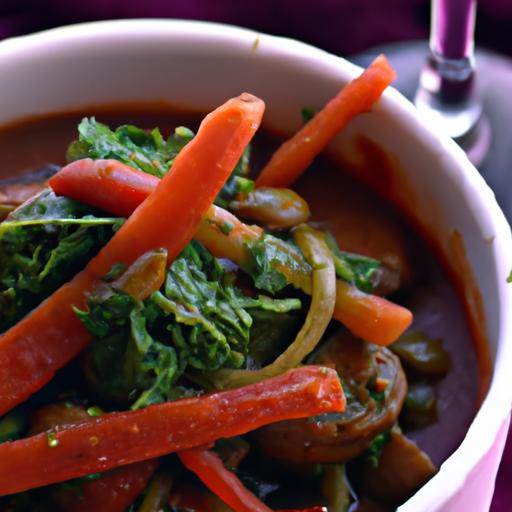

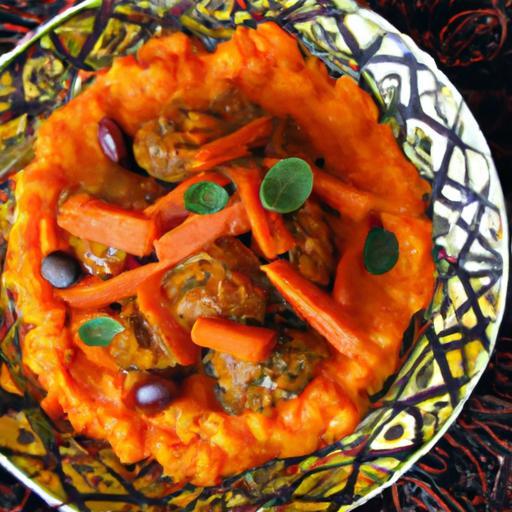
Nestled at the crossroads of Africa, Europe, and the Arab world, Morocco is a land where vibrant cultures collide, and every meal tells a story. traditional Moroccan cuisine is much more than just food-it’s a sensory journey marked by fragrant spices, bold aromas, and intricate cooking techniques passed down through generations. From the slow-cooked tenderness of a savory tagine too the sweet allure of a delicate almond-filled pastry, the flavors of Morocco invite explorers to uncover a rich culinary heritage steeped in history and passion.In this article, we embark on a flavorful voyage to discover the timeless delights that define Moroccan gastronomy, revealing why each bite is a party of culture, tradition, and artistry.
Flavors of Morocco come alive through the meticulous art of spice blending, a cornerstone that transforms ordinary ingredients into unforgettable culinary experiences. drawing from centuries-old traditions, Moroccan kitchens craft vibrant spice mixtures that infuse dishes from simmering tagines to delicate couscous with warmth, depth, and complexity. This recipe post invites you to embark on a sensory journey through Moroccan bazaars, where every pinch of ras el hanout and sprinkle of aromatic herbs tells a story of heritage and passion.
Prep and Cook Time
- Preparation Time: 20 minutes
- Cooking Time: 1 hour 30 minutes
Yield
serves 6-8 people
Difficulty Level
Medium
Ingredients
- For the Ras El Hanout Spice Blend:
- 1 tbsp ground cumin
- 1 tbsp ground coriander
- 1 tbsp ground cinnamon
- 1 tbsp ground ginger
- 1 tbsp turmeric powder
- 1 tsp ground allspice
- 1 tsp ground nutmeg
- 1 tsp ground black pepper
- 1 tsp sweet paprika
- ½ tsp cayenne pepper (adjust to taste)
- ½ tsp ground cardamom
- ½ tsp ground cloves
- For the Moroccan Chicken Tagine:
- 3 lbs bone-in chicken thighs and drumsticks
- 3 tbsp olive oil
- 2 large onions, thinly sliced
- 4 garlic cloves, minced
- 2 cups chicken broth
- 1 cup green olives, pitted
- 1 preserved lemon, rind washed and thinly sliced
- 1 cup dried apricots, chopped
- 1 cup chopped fresh cilantro
- 1 cup chopped fresh parsley
- Salt to taste
- Freshly ground black pepper to taste
instructions
- Prepare the Ras El Hanout: In a dry skillet over medium heat, toast all the spice powders separately for 1-2 minutes each until fragrant, stirring constantly to avoid burning. Let cool, then whisk together or grind finely in a spice grinder. Store in an airtight jar for future use.
- Marinate the Chicken: Rub the chicken pieces thoroughly with 3 tablespoons of ras el hanout, salt, and black pepper. Let it rest for at least 30 minutes to absorb the spices, or refrigerate overnight for deeper flavor.
- Sauté the Aromatics: Heat olive oil in a large tagine or heavy-bottomed pot over medium heat. Add the sliced onions and cook until soft and golden, about 8-10 minutes. Add garlic and sauté for another 2 minutes.
- Brown the Chicken: Increase the heat slightly and add the chicken pieces, searing them until lightly browned on all sides, approximately 5 minutes. This helps seal in juices and develop flavor.
- Add Liquids and Additional Ingredients: Pour in the chicken broth, ensuring it partially covers the chicken. Stir in the preserved lemon slices and dried apricots.
- Simmer Gently: Reduce heat to low, cover the tagine or pot, and let it cook for 45 minutes to an hour, until the chicken is tender and the sauce has thickened. Stir occasionally and add water if the sauce becomes too dry.
- Finish with Herbs and Olives: Stir in green olives, chopped cilantro, and parsley.Cook uncovered for an additional 5 minutes to meld the flavors.
- Serve Warm: Transfer to a beautiful tagine or serving dish, garnish with extra fresh herbs, and serve alongside fluffy couscous or rustic Moroccan bread.
Chef’s Notes
- Customizing Ras El Hanout: This spice blend varies by region and vendor, so feel free to adjust heat and aroma by adding star anise, fennel seeds, or dried rose petals for floral undertones.
- Preserved Lemons: If unavailable, fresh lemon zest and a splash of lemon juice can suffice but will lack the mellow depth that prolonged preservation offers.
- Make-Ahead Tip: Tagines often taste better the next day-reheat gently and add a splash of broth to revive the sauce.
- Vegetarian Variation: Substitute chicken with hearty root vegetables like carrots, turnips, and squash for a rich vegetarian tagine.
serving Suggestions
Present this dish paired with a generous bed of saffron-infused couscous, sprinkled with toasted almonds and fresh pomegranate seeds for texture and color contrast.A side of harissa sauce offers a spicy kick, complementing the warm spices perfectly.For drinks, a chilled glass of Moroccan mint tea beautifully balances the richness of the tagine. Garnish with a sprig of cilantro and a drizzle of extra virgin olive oil for that final luscious touch.
| Nutrient | Per Serving |
|---|---|
| Calories | 420 kcal |
| Protein | 34 g |
| Carbohydrates | 22 g |
| Fat | 20 g |

To dive deeper into Moroccan culinary traditions and discover more about authentic North African flavors, check out our complete guide on couscous recipes. For scholarly insights on Moroccan spices and their histories,Encyclopaedia Britannica’s Moroccan Cuisine page is an excellent resource.
Q&A
Q&A: Flavors of Morocco – Exploring Traditional Moroccan Cuisine delights
Q1: What makes Moroccan cuisine unique compared to other North African culinary traditions?
A: Moroccan cuisine is a vibrant tapestry woven from Berber, Arab, Andalusian, and Mediterranean influences. Its uniqueness lies in the harmonious blend of sweet and savory flavors-think ripe dates paired with fragrant spices like cinnamon and saffron. The use of slow-cooked tagines, refreshing mint teas, and an artful balance of spices create a sensory experience that’s both comforting and exotic.Q2: Can you describe some of the signature ingredients found in traditional Moroccan dishes?
A: absolutely! Moroccan cooking often features a spice palette that includes cumin, coriander, turmeric, ginger, and Ras el Hanout-a complex spice mix often made from over a dozen ingredients. Other staples include preserved lemons, olives, almonds, dried fruits such as apricots and raisins, and fresh herbs like cilantro and mint.These ingredients combine to create layers of depth and nuance.
Q3: What exactly is a tagine, and why is it so integral to Moroccan cuisine?
A: A tagine is both a conical earthenware cooking vessel and the name of the dish prepared within it. It’s designed to slow-cook ingredients over low heat, locking in moisture and intensifying flavors. The shape of the lid promotes condensation that drips back onto the food.Traditional tagines might feature tender lamb with prunes, chicken with preserved lemon and olives, or hearty vegetable medleys-all simmered to succulent perfection.
Q4: How does Moroccan street food capture the essence of the country’s culinary traditions?
A: Moroccan street food is a microcosm of its rich culinary culture. From spicy, grilled merguez sausages and crispy msemen pancakes slathered with honey, to the bustling markets serving hot bowls of harira soup during Ramadan-each bite is steeped in history and local flavor.Street vendors skillfully blend spices and fresh ingredients, offering an authentic taste of Morocco’s everyday delights.
Q5: How important is mint tea in Moroccan food culture?
A: Mint tea, often called “Moroccan whisky” despite containing no alcohol, isn’t just a drink-it’s a symbol of hospitality and tradition. Typically brewed strong with green tea and fresh mint leaves, sweetened with generous amounts of sugar, it’s served throughout the day. Sharing mint tea is a ritual that bonds families and guests, refreshing the palate and uplifting the spirit after a flavorful meal.
Q6: Are there any particular desserts that exemplify moroccan cuisine?
A: Moroccan desserts often balance sweetness with fragrant spices and nuts. Classics include chebakia, sesame cookies fried and dipped in honey-commonly enjoyed during Ramadan-and almond-filled gazelle horns (kaab el ghazal). Orange blossom water and rose water add floral notes to pastries, while fresh fruits and nutty treats complete the delightful feast.
Q7: How can one start exploring Moroccan cuisine at home?
A: Beginning with a simple tagine recipe is a great start-slowly braised chicken with preserved lemon and olives is both approachable and iconic. Invest in some Ras el Hanout spice blend, fresh herbs, and perhaps a tagine pot if possible. Also, brewing traditional mint tea offers an immersive glimpse into Moroccan hospitality. exploring Moroccan cookbooks or online recipes will open doors to new flavor adventures and cultural recognition.
Q8: Beyond dining, how does Moroccan cuisine reflect the culture and society of Morocco?
A: Moroccan cuisine is a mirror of the country’s diverse landscapes and rich history. It’s rooted in communal eating, where family and guests share platters from a single dish, embodying warmth and generosity. The fusion of spices and ingredients tells stories of trade routes and cultural exchange, highlighting Morocco’s place as a crossroads between Africa, Europe, and the Arab world. Food here is not just nourishment-it’s a living tradition fostering connection and identity.
To Conclude
As the aromatic spices of Moroccan cuisine linger in our senses, we’ve only just begun to uncover the vibrant tapestry of flavors that define this rich culinary heritage.From the hearty tagines simmering with tender meats and fragrant herbs to the sweet allure of honey-drenched pastries, every dish tells a story steeped in history and culture. Exploring traditional Moroccan delights invites us not only to savor unique tastes but also to experience a journey through time and tradition. So, whether you’re stirring saffron into couscous or sipping steaming mint tea under a desert sunset, the flavors of Morocco promise an unforgettable adventure-one bite at a time.