
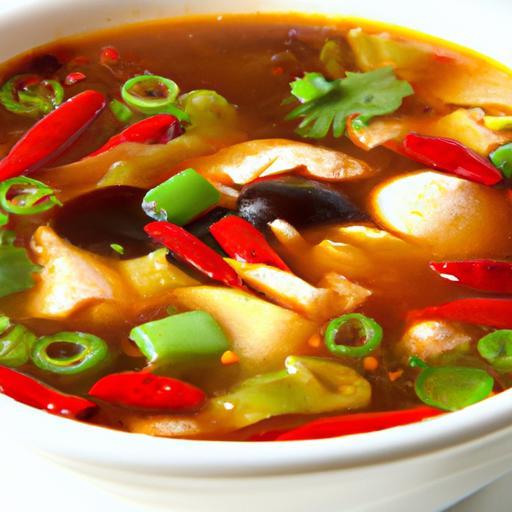
In the bustling kitchens of ChinaS Sichuan province, where bold flavors reign supreme, a symphony of tangy, spicy, and savory notes comes together in a humble bowl: Hot & Sour Soup. This iconic dish,steeped in tradition and brimming with character,offers more than just a taste-it delivers a sensory journey through China’s heartland. With its vibrant mix of vinegar’s sharpness and chili’s fiery kick, Sichuan Hot & Sour Soup is both a comfort and a thrill, embodying the province’s legendary culinary spirit. Join us as we delve into the origins, ingredients, and cultural meaning behind this beloved soup, uncovering the secrets that make its tangy heat unforgettable.
Sichuan Hot & Sour Soup: Tangy Heat from China’s Heartland
Sichuan hot and sour soup is a culinary treasure born from the vibrant kitchens of China’s Sichuan province, where bold flavors meet centuries-old traditions. This iconic soup perfectly balances sharp tanginess with numbing spice, creating a taste adventure that truly awakens the senses. Whether enjoyed as a starter or a comforting meal on its own, Sichuan hot & sour soup embodies the heartland’s love for dynamic, deeply layered flavors that dance on your palate.
Prep and Cook Time
- Readiness: 15 minutes
- Cooking: 20 minutes
- Total Time: 35 minutes
Yield
Serves 4 generous bowls
Difficulty Level
Medium – Suitable for home cooks ready to explore authentic Sichuan ingredients and techniques
Key Ingredients That Define Its Tangy and Spicy Profile
- Dried shiitake mushrooms (soaked and thinly sliced) – adding earthy depth
- Wood ear mushrooms – for unique, chewy texture
- Firm tofu, cut into thin strips – offering silky contrast
- Pork tenderloin or ground pork – optional, for savory umami punch
- Chili paste or dried chili flakes – critical for that signature Sichuan heat
- Chinkiang vinegar (black rice vinegar) – lending authentic tang and smoky complexity
- Sichuan peppercorns – delivering the signature numbing sensation
- chicken or vegetable broth – as a flavorful base
- Eggs – gently stirred in for delicate ribbons
- Garlic and ginger – foundational aromatics
- Scallions and white pepper – final seasoning for freshness and warmth
Step by Step Guide to Crafting Authentic Sichuan hot and Sour Soup
- Prepare the mushrooms: Soak dried shiitake and wood ear mushrooms in warm water for at least 20 minutes until softened. Drain, remove stems, and slice thinly. this rehydration releases deep umami flavors essential to the soup’s character.
- Slice pork: If using pork, thinly slice the tenderloin or crumble ground pork, than marinate briefly with a pinch of cornstarch, soy sauce, and a touch of Shaoxing wine to tenderize and enhance flavor.
- Sauté aromatics and meat: Heat 1 tablespoon of vegetable oil in a wok or heavy-bottomed pot over medium-high heat. Add minced garlic and ginger, stirring until fragrant (~30 seconds). Add pork and stir-fry until cooked through and slightly browned.
- Add mushrooms and broth: Incorporate the sliced mushrooms, stirring to combine. Pour in 4 cups of chicken or vegetable broth. Bring to a gentle boil, then reduce to simmer.
- Season with chili and Sichuan peppercorns: Add 1 to 2 teaspoons of chili paste or dried chili flakes, along with 1 teaspoon of toasted, ground Sichuan peppercorns. Adjust heat to your preference. This duo is the authentic backbone of the soup’s fiery, tingling sensation.
- Thicken the broth: Mix 2 tablespoons of cornstarch with 3 tablespoons of cold water to create a slurry. Gradually stir this into the simmering soup, cooking until the broth thickens and gleams.
- Add tofu and vinegar: Carefully fold in thin tofu strips. Pour in 3 tablespoons of Chinkiang vinegar to bring that essential hot and sour balance. Taste and adjust seasoning with salt or soy sauce.
- Incorporate egg ribbons: Beat 2 eggs lightly. Slowly drizzle the eggs into the soup while stirring gently in one direction, allowing silky ribbons of egg to instantly cook and swirl through the broth.
- Final seasoning and garnish: Sprinkle in freshly ground white pepper and chopped scallions. Serve immediately to preserve the bright, lively flavors and textures.
Tips for Success
- Use authentic black vinegar: Chinkiang vinegar is key for the signature tang; white vinegar or rice wine vinegar won’t replicate the depth.
- Sichuan peppercorns: Toast lightly in a dry pan before grinding to release their unique aroma and numbing affect.
- Vegetarian version: Replace pork with extra mushrooms and use vegetable broth for a vibrant, meat-free dish.
- pulp your chili paste: Brands vary widely – add in increments and taste, or make your own for best control over heat.
- Make ahead: Soup tastes best fresh but refrigerates well for up to 2 days. Reheat gently; add fresh scallions and egg ribbons just before serving.
Pairing Suggestions and Serving Tips for an Elevated Experience
This Sichuan hot and sour soup pairs beautifully with understated sides to balance its boldness. Serve alongside steamed fish with ginger and scallions or a crisp cucumber salad to provide textural contrast and freshness.
For beverages, opt for mildly sweet jasmine tea to soothe and complement the spiciness or a crisp lager to refresh your palate. Garnish the soup with freshly sliced scallions, a drizzle of chili oil, or a sprinkle of toasted sesame seeds for inviting color and aroma.
When plating, use deep, wide bowls to showcase the vibrant colors of the mushrooms, tofu, and egg ribbons swirling through the rich broth.A side of steamed jasmine rice helps mellow the fiery notes while absorbing the deliciously tangy broth.

| Nutrient | per Serving |
|---|---|
| Calories | 180 kcal |
| Protein | 12 g |
| Carbohydrates | 15 g |
| Fat | 7 g |
Explore more regional Chinese recipes for your culinary journey at our Chinese cuisine collection and deepen your understanding of China’s diverse flavors. For further reading on Sichuan peppercorns and their unique properties,visit the Serious Eats Sichuan Peppercorn Guide.
Q&A
Q&A: Sichuan Hot & Sour Soup – Tangy Heat from china’s Heartland
Q1: What makes Sichuan Hot & Sour Soup stand out among other soups in Chinese cuisine?
Sichuan Hot & Sour Soup is a tantalizing dance of flavors – a perfectly balanced blend of fiery heat and bright tanginess. Unlike many soups that lean toward mildness, this one boldly combines the numbing spice of Sichuan peppercorns with the zesty punch of black vinegar, delivering a sensory experience that awakens your palate and warms your soul. It embodies the bold, adventurous spirit of Sichuan cuisine, celebrated for its layers of flavor and intoxicating spice.
Q2: What are the key ingredients that define Sichuan Hot & Sour Soup?
At its core, this soup features a harmonious mix of ingredients: shredded tofu, wood ear mushrooms, bamboo shoots, and often tender slices of pork or chicken. But the magic lies in the broth – a tangy base enriched with black vinegar, soy sauce, and a kick of chili oil, all elevated by the signature Sichuan peppercorns that lend a unique, tongue-tingling sensation. Lastly, a gentle thickening with cornstarch creates a silky, satisfying texture that coats every spoonful.Q3: how dose the flavor profile of Sichuan Hot & Sour Soup reflect Sichuan cuisine’s identity?
Sichuan cuisine is famous for its “mala” flavor – a combination of “ma” (numbing) and “la” (spicy). This soup illustrates that perfectly by marrying the numbing quality of peppercorns with the fiery heat of chili. At the same time, the sourness from black vinegar cuts through the spice, lending brightness and depth. This complex interplay of sensations – hot, sour, salty, and numbing – is quintessentially Sichuan, making the soup both comforting and exhilarating.
Q4: Is Sichuan Hot & Sour Soup versatile for different diets?
Absolutely! While customary recipes often include pork or chicken, this soup easily adapts to vegetarian or vegan diets by omitting meat and using vegetable broth. The core flavors come from the seasoning and aromatic ingredients, so plant-based versions still deliver the signature heat and tang that define this comforting dish.
Q5: Can you share a little history or cultural significance behind Sichuan Hot & Sour Soup?
Originating from china’s Sichuan province – a region known for its humid climate – the soup was favored not only for its bold flavors but also for its warming properties.The combination of spicy peppers and sour vinegar was believed to stimulate appetite and aid digestion, making it a popular choice during colder months or after heavy meals. Over time, it became a beloved staple, representing the hearty, flavorful essence of Sichuan’s culinary heritage.
Q6: How can I enjoy Sichuan Hot & Sour Soup authentically at home?
To capture its authentic spirit, focus on balance. Use good-quality black vinegar for that distinct tang, freshly ground Sichuan peppercorns for the numbing buzz, and don’t shy away from chili oil or flakes. Fresh wood ear mushrooms and bamboo shoots add vital texture contrasts, while a silky broth binds it all together. Serve it as a starter or a light meal alongside steamed rice, and don’t forget a cooling side like jasmine tea to soothe the palate between fiery spoonfuls.
Q7: What’s the best way to customize the heat and sourness to suit personal taste?
The beauty of Sichuan Hot & Sour Soup is its versatility. Want more fire? Add extra chili oil or fresh chopped chilies.Prefer a sharper tang? Increase the black vinegar incrementally – but always taste as you go to maintain harmony. If the heat becomes too much,a splash of sesame oil or a sprinkle of sugar can mellow the intensity without diluting flavor.
Dive into a bowl of Sichuan Hot & Sour Soup and you’re not just eating - you’re experiencing a flavorful story told through spice, sourness, and soul from the heart of China’s most fiery province. Ready your chopsticks!
Closing Remarks
As the steam from Sichuan hot and sour soup rises, it carries with it more than just tantalizing aromas-it carries the stories and spirit of China’s heartland. This vibrant bowl, with its bold tang and fiery kick, is a party of Sichuan’s rich culinary heritage, where every spoonful balances the delicate dance of sour, spicy, and savory. Whether you’re a seasoned foodie or a curious newcomer, diving into this soup invites you to experience a flavorful journey that transcends the palate, warming both body and soul. So next time you crave a taste of authentic Sichuan, let this humble hot and sour soup remind you that in every bite lies a world of tradition, culture, and zest waiting to be savored.