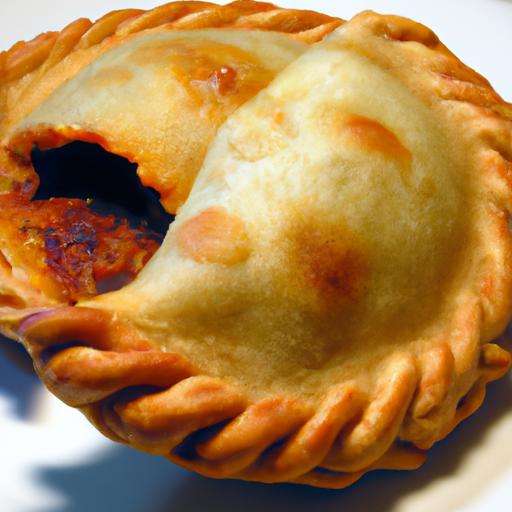

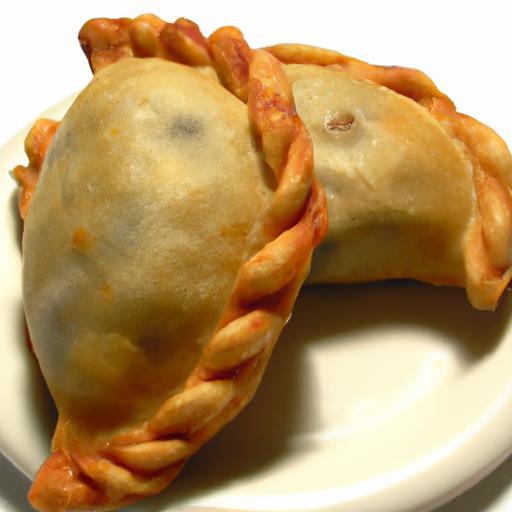
There’s something magical about biting into a golden, flaky Argentinian empanada-a perfect harmony of savory filling and tender pastry that tells a story of tradition, culture, and flavor. These beloved hand pies are more than just a snack; they’re a culinary emblem passed down through generations, each recipe carrying whispers of family kitchens and festive gatherings. In this guide,we’ll unlock the secrets behind authentic Argentinian empanadas,from selecting the freshest ingredients to mastering the art of folding the dough.Whether you’re a seasoned cook or a curious foodie, prepare to embark on a tasty journey that brings a taste of Argentina right to your table.
Discover Authentic Argentinian Empanadas are a true culinary treasure that tells a story through every flaky bite. Originating from the pampas and bustling towns of Argentina, these hand-held parcels bring together layers of culture and flavor, reflecting regional traditions from Salta to Buenos Aires. I still remember my first taste of a warm, freshly baked empanada-its buttery crust encasing richly spiced beef mingled with olives and hard-boiled eggs, a perfect harmony of textures and aromas that left me craving more. This recipe guide invites you to master every step,from crafting the ideal dough for that irresistible crust to selecting conventional fillings that honor authenticity,ensuring your empanadas not only taste phenomenal but look like they belong in a top-tier restaurant.
Prep and Cook Time
- Readiness Time: 30 minutes
- Cooking Time: 25 minutes
- Total Time: 55 minutes
Yield
This recipe yields approximately 12 empanadas, perfect for sharing with family or serving as an appetizer for a small gathering.
Difficulty Level
Medium – Ideal for adventurous home cooks ready to impress with authentic flavors and skillful techniques.
Ingredients
- For the Dough:
- 3 cups all-purpose flour,sifted
- 1/2 teaspoon salt
- 1/2 cup unsalted butter,chilled and diced
- 1 egg
- 3/4 cup cold water
- 1 tablespoon white vinegar
- For the traditional Beef Filling:
- 1 lb ground beef,finely chopped (not minced)
- 1 medium onion,finely diced
- 1 small red bell pepper,finely diced
- 2 hard-boiled eggs,chopped
- 1/4 cup green olives,pitted and sliced
- 1 teaspoon smoked paprika
- 1/2 teaspoon cumin
- Salt and pepper,to taste
- 2 tablespoons vegetable oil
Instructions
- Make the Dough: In a large bowl,combine the flour and salt. Using a pastry cutter or your fingertips, work the diced butter into the flour mixture until it resembles coarse breadcrumbs.
- Add Liquids: Whisk together the egg, cold water, and vinegar in a separate small bowl. Pour gradually into the flour mixture, stirring gently with a fork until the dough begins to come together.
- Knead and Rest: Transfer the dough onto a lightly floured surface.Knead gently for about 3-4 minutes until smooth. Wrap in plastic wrap and chill for at least 30 minutes, allowing gluten to relax for a tender crust.
- Prepare the Filling: Heat vegetable oil in a skillet over medium heat.Add the finely diced onions and red pepper, sauté until softened and fragrant, about 5 minutes.
- add Beef & Spices: incorporate the chopped beef, breaking it apart with a spatula. Cook until browned but still moist, roughly 7 minutes. Stir in smoked paprika, cumin, salt, and pepper. remove from heat and let cool slightly.
- Combine Filling Ingredients: Once cooled, fold in the chopped eggs and sliced olives, ensuring an even distribution of textures and flavors.
- Roll and Cut Dough: On a floured surface, roll out the dough to about 1/8 inch thickness. Use a round cutter or bowl (~5-6 inches diameter) to cut circles for perfect empanada shapes.
- Fill and Seal: Spoon about 2 tablespoons of filling onto the center of each dough circle. Moisten edges with a little water. Fold dough over to form a half-moon shape. Press edges to seal, than crimp decoratively with your fingers or a fork to secure the filling inside.
- Bake to Perfection: Preheat oven to 375°F (190°C). Place empanadas on a parchment-lined baking tray. Brush tops lightly with beaten egg for a golden finish. Bake for 20-25 minutes or until golden and crisp.
- Rest and Serve: Let empanadas cool for 5 minutes before serving to allow flavors to meld and filling to settle perfectly.
Tips for Success
- Dough Troubleshooting: Keep butter cold and avoid overworking the dough; it ensures a flaky, tender crust.
- Filling Variations: Try incorporating diced potatoes or swapping beef for shredded chicken paired with green olives and cumin for a delicious twist.
- Make-Ahead: Empanadas freeze beautifully-assemble, freeze uncooked on a tray, then transfer to bags for up to 3 months. Bake directly from frozen, adding a few extra minutes to cooking time.
- Sealing Methods: For an elegant restaurant finish, master the “repulgue” technique, folding the edges into small pleats for a signature Argentinian look.
Serving Suggestions
Serve your golden empanadas warm alongside a classic chimichurri sauce for a fresh chili-garlic kick. Garnish with finely chopped fresh parsley and a wedge of lemon to brighten the flavors. For a festive touch, pair with a crisp malbec wine or a refreshing sparkling water with lime. Perfect as finger food for casual gatherings or plated with a light salad for a satisfying meal.

Nutritional Details (per empanada)
| Calories | Protein | Carbs | Fat |
|---|---|---|---|
| 280 kcal | 15 g | 25 g | 12 g |
For more on traditional Argentine dishes and their history, check out this Britannica entry on Empanadas to dive deeper into their cultural significance and worldwide influence.
Q&A
Q&A: Discover Authentic Argentinian Empanadas – A Tasty Recipe Guide
Q1: What makes Argentinian empanadas different from other empanadas around the world?
A1: Argentinian empanadas stand out for their unique blend of regional flavors and simple, high-quality ingredients.Unlike the deep-fried versions found elsewhere, many Argentinian empanadas are baked to golden perfection with a delicate, flaky crust. The fillings often showcase a Mediterranean influence with ingredients like beef, olives, hard-boiled eggs, and spices such as cumin and paprika, reflecting the country’s rich cultural tapestry.
Q2: What are the essential ingredients for an authentic argentinian beef empanada?
A2: The classic beef empanada filling typically features finely chopped or ground beef, onions, hard-boiled eggs, green olives, and a carefully balanced mix of seasonings like cumin, paprika, salt, and pepper. Some regions add raisins or chopped red bell peppers for a touch of sweetness and color. The empanada dough itself is usually made with flour, water, a bit of fat (often butter or lard), and salt to create a tender yet sturdy shell.
Q3: How do you properly seal an argentinian empanada to keep the filling inside?
A3: Sealing empanadas is an art! After placing the filling on the dough circle, fold it into a half-moon shape and pinch the edges together. Then, use the traditional ‘repulgue’ technique – a decorative crimping where you fold and twist the edge repeatedly to create a braided, tight seal. This not only keeps the filling inside during baking but also gives the empanadas their signature look.
Q4: Are Argentinian empanadas always baked, or can they be fried?
A4: While baking is the traditional method across much of Argentina, some regional variations do exist, and frying is sometimes used, especially in the northern provinces. Baked empanadas have a crisp yet tender crust, while fried ones offer a crunchier, richer experience. Both methods are delicious and worth trying depending on your texture preference!
Q5: Can I customize the filling to suit different tastes or dietary needs?
A5: Absolutely! While the classic beef empanada reigns supreme, Argentinian cuisine embraces diversity. You can make empanadas with chicken, ham and cheese, corn, spinach and ricotta, or even sweet fillings like dulce de leche or apples with cinnamon. Vegetarian and vegan versions are gaining popularity, using mushrooms, lentils, or chickpeas as hearty alternatives.
Q6: What tips can you share for beginners trying to make empanadas at home?
A6: Start with fresh, room-temperature dough for easier handling. don’t overfill your empanadas-less is more to prevent breaking. Take your time sealing the edges; a good seal means no leaks. Use a light egg wash on top before baking to achieve that irresistible golden sheen. And most importantly,taste your filling as you go-balance is key to an unforgettable empanada!
Q7: How are empanadas traditionally enjoyed in Argentina?
A7: Empanadas are a beloved snack,street food,and party staple across Argentina.They pair perfectly with a glass of Malbec wine or a cold beer, frequently enough served warm at family gatherings, festivals, and as starters at asados (Argentinian barbecues). Sharing empanadas is a gesture of hospitality and joy, making every bite a cultural experience.
With this guide, you’re ready to embark on a flavorful journey and bring the heart of Argentina into your kitchen-one delicious empanada at a time!
The Conclusion
As you close the page on this flavorful journey through authentic Argentinian empanadas, may your kitchen be filled with the warm aromas of seasoned beef, melted cheese, and perfectly baked dough. These little pockets of tradition are more than just food-they’re a delicious invitation to connect with Argentina’s rich culinary heritage. Whether you’re a seasoned cook or a curious foodie, this recipe guide offers a tasty passport to crafting empanadas that capture the heart and soul of Buenos Aires.so gather your ingredients, roll up your sleeves, and let each bite transport you to the vibrant streets where empanadas are much more than a snack-they’re a festivity. Happy cooking and buen provecho!