
In the world of Japanese cuisine, few snacks capture the heart and palate quite like onigiri-those charming, hand-shaped rice triangles that are as comforting as they are delicious. Among the myriad fillings that grace these savory parcels, salmon stands out as a timeless favorite, marrying the rich, buttery flavors of the fish wiht the subtle sweetness of perfectly seasoned rice. Crafting the perfect Japanese salmon onigiri is both an art and a science, blending tradition with technique to create a bite-sized delight that’s portable, satisfying, and deeply rooted in cultural heritage. join us as we explore the secrets behind making this iconic snack, unlocking tips and tricks that will elevate your homemade onigiri from simple to sublime.
Crafting Perfect Japanese Salmon Onigiri is an artful journey that marries simplicity with deep, authentic flavors. This beloved Japanese comfort food dates back centuries, cherished for its portability and heartwarming taste. Whether your reminiscing about a nostalgic picnic or craving a fast yet wholesome snack, mastering this recipe will elevate your home-cooked meals. The secret lies not only in selecting the freshest salmon and perfectly seasoned rice but also in shaping those iconic rice triangles with precision and grace.
Prep and Cook Time
- Preparation: 20 minutes
- Cooking: 25 minutes
- Total Time: 45 minutes
Yield
Makes 8 onigiri (serves 4)
Difficulty Level
Easy to Medium - Perfect for home cooks new to Japanese cuisine or those refining their technique
ingredients
- 2 cups Japanese short-grain rice, rinsed until water runs clear
- 2 1/2 cups water
- 1/2 tsp salt
- 1 tbsp rice vinegar
- 300g fresh salmon fillet, skin-on
- 1 tbsp sake (rice wine) for poaching salmon
- 1 tbsp soy sauce
- 1 tsp mirin (optional, for glaze)
- 2 sheets nori seaweed, cut into thin strips
- Sesame seeds (black or white, for garnish)
- Optional fillings: pickled plum (umeboshi), spicy mayo, or avocado slices
Instructions
- Cook the rice: Place rinsed short-grain rice and water in a rice cooker or pot. Soak 30 minutes before cooking if possible. Cook until tender with the water fully absorbed. After cooking, gently fluff and let cool slightly.
- Season the Rice: While still warm, sprinkle the rice with salt and rice vinegar. Fold gently with a spatula to incorporate without mashing. This seasoning step enhances the savory balance and stickiness vital for shaping onigiri.
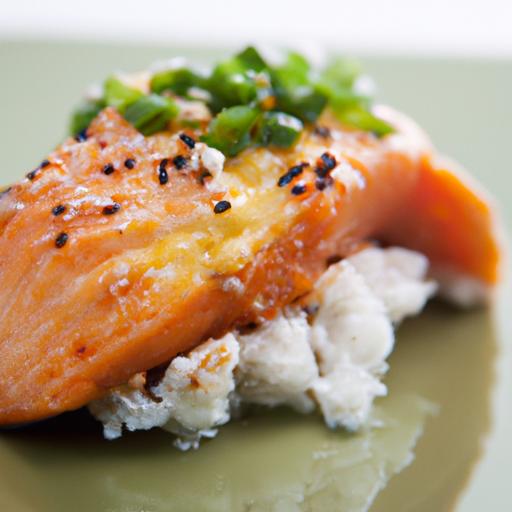
- Prepare the Salmon: In a shallow pan, add sake and lay salmon skin-side down. Cover and poach gently on low heat for 10-12 minutes until opaque and flaky. remove skin and bones, then flake the salmon into small pieces.
- Glaze the Salmon: Mix soy sauce and mirin, then brush lightly over flaked salmon. This adds a glossy, savory finish that sings with the rice.
- Shape the Onigiri: Lightly wet your hands with water (to prevent sticking) and sprinkle a pinch of salt on your palms. Take about 1/2 cup of rice and flatten it slightly in your palm. Place a small spoonful of salmon in the center, then mold the rice around it, shaping into a neat triangle or oval form. Press firmly but gently for a cohesive shape.
- wrap and Garnish: attach a strip of nori to one side for an authentic touch and sprinkle sesame seeds for texture and color contrast.
- Serve fresh or store: Onigiri are best enjoyed the same day but can be wrapped tightly in plastic wrap and refrigerated for up to 24 hours. Reheat gently if desired.
Tips for Success
- Rice Selection: Japanese short-grain rice is key due to its stickiness. Avoid long-grain varieties which won’t hold together.
- Seasoned Rice Mastery: Balance your salt and rice vinegar carefully-too much vinegar can overpower, too little may lack depth.
- Salmon Alternatives: For ease, use store-bought smoked salmon or canned salmon. Just adjust seasoning accordingly.
- Shape with Confidence: practice shaping without filling first to get a comfortable grip and pressure. Moisten hands frequently to prevent sticking.
- Make-Ahead: Salmon flakes can be prepared and refrigerated up to 2 days in advance, speeding up onigiri assembly.
- Custom Fillings: Explore vibrant fillings like grilled mushrooms, spicy tuna, or shiso leaves to elevate customary flavors.
Serving Suggestions
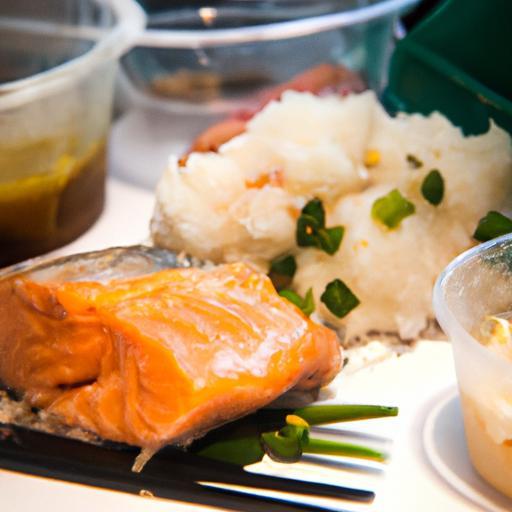
Serve your salmon onigiri as a delightful lunchbox treat alongside homemade miso soup and pickled vegetables for a balanced, authentic Japanese meal. Garnish with freshly chopped scallions, a dusting of shichimi togarashi for a gentle kick, or a side of tangy ponzu sauce for dipping. present on a bamboo leaf or small wooden plate to enhance the dining experience visually. Mini onigiri skewers with alternating fillings make for charming party platters and are sure to impress.

| Nutritional Info (per onigiri) | amount |
|---|---|
| Calories | 220 kcal |
| Protein | 14 g |
| Carbohydrates | 30 g |
| fat | 5 g |
For further insight into rice varieties and their unique textures, consult this comprehensive rice guide. Elevate your mastery of Crafting Perfect Japanese Salmon Onigiri by embracing these timeless techniques and savor the comforting flavors of true Japanese tradition.
Q&A
Q&A: Crafting Perfect japanese Salmon Onigiri – A Savory delight Guide
Q1: What exactly is Salmon Onigiri?
A: Salmon Onigiri is a traditional Japanese rice ball stuffed or topped with savory cooked salmon. Wrapped in crisp nori seaweed, it’s a portable, flavorful snack that’s as comforting as it is delicious.Think of it as a sushi cousin-simple yet deeply satisfying.
Q2: why is Salmon Onigiri so popular in Japan?
A: In Japan,Onigiri is the ultimate convenience food-easy to carry,nourishing,and packed with umami. Salmon adds a rich, smoky flavor and healthy fats, making it a beloved filling. It’s a nostalgic staple from lunchboxes to convenience stores, symbolizing home-cooked warmth.
Q3: What type of rice should I use for authentic Onigiri?
A: Short-grain Japanese rice is the star here. It’s sticky enough to hold its shape firmly when formed but soft enough to melt in your mouth. Rinse it well before cooking to achieve that perfect balance of fluffiness and stickiness.
Q4: How do I prepare the salmon for Onigiri?
A: Traditionally, salmon is grilled or pan-seared, then flaked into tender, flavorful bits. Some prefer lightly salted or teriyaki-glazed salmon for an extra punch. Avoid oily or raw fillets to maintain a clean texture that complements the rice.
Q5: Can I make Onigiri without special molds?
A: absolutely! while Onigiri molds make shaping easier and uniform, your hands work perfectly fine. Wet your palms with salted water to prevent sticking and gently press the rice around the salmon filling into a triangle or ball shape.
Q6: What’s the secret to the perfect Onigiri shape?
A: Balance is key. Apply gentle but firm pressure-too light and it falls apart, too hard and the rice becomes dense.The traditional triangle shape is ergonomic for holding and eating, but round or oval shapes are equally charming.
Q7: How do I keep the nori crisp until eating time?
A: Wrap the Onigiri in nori just before eating to retain its crunchiness. If prepping in advance, store the rice and nori separately or wrap the rice ball in plastic first, then add nori later.
Q8: Are there any creative twists to try with Salmon Onigiri?
A: Certainly! Mix the flaked salmon with mayonnaise and chopped scallions for a creamy filling, or add a sprinkle of toasted sesame seeds for nuttiness. For a smoky zing,incorporate a hint of wasabi or a few drops of soy sauce. The basics are traditional, but your palate can explore endlessly.
Q9: How do I serve Salmon Onigiri for the ultimate savory delight?
A: Serve it simply-on a patterned plate with pickled ginger or a side of miso soup.For a bento-style feast,pair it with tamagoyaki (Japanese omelette),steamed vegetables,and a refreshing tamari dip.
Q10: Any tips for beginners making Onigiri at home?
A: Be patient and embrace the process! Start with small batches, keeping your hands moist and slightly salted. Use quality ingredients-fresh salmon, good rice, crisp nori-for authentic flavor. Most importantly, craft each Onigiri with love; it’s that intangible ingredient that makes all the difference.
Crafting perfect Salmon Onigiri is an art of simplicity-a savory delight that connects tradition, flavor, and heart. Once you master this humble Japanese treasure, every bite feels like a mini escape to the Land of the Rising Sun.
to sum up
As you embark on your own journey to craft the perfect japanese salmon onigiri, remember that this humble rice ball is more than just a snack-it’s a party of balance, texture, and tradition wrapped in a simple, savory package. With each seasoned grain of rice and tender flake of salmon, you’re not only creating a delicious treat but also honoring centuries of culinary art. so, roll up your sleeves, embrace the rhythm of folding and shaping, and let your onigiri tell its flavorful story-one bite at a time. Savory delight awaits in every handmade triangle, ready to transport your taste buds straight to the heart of Japan.