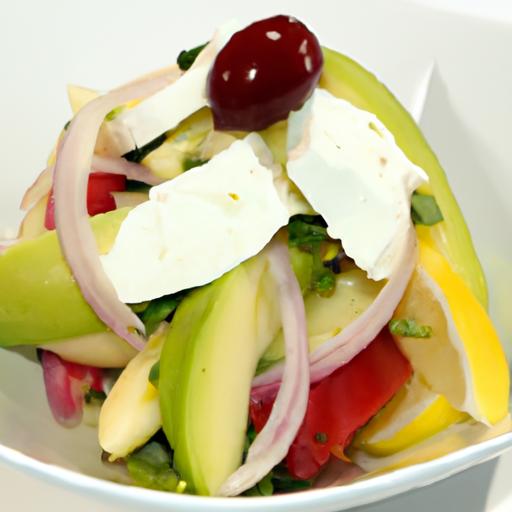

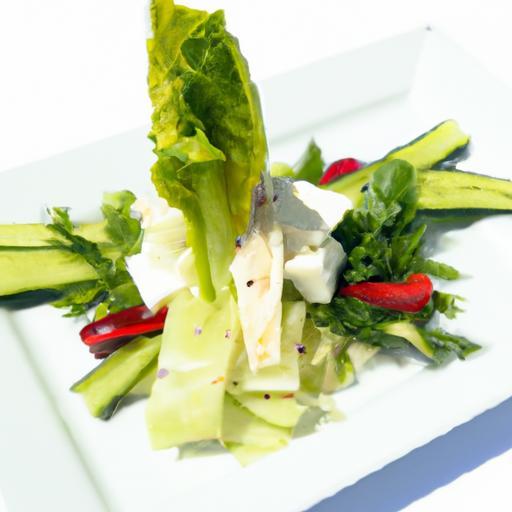
beneath the blazing sun of the Mediterranean, where azure seas kiss rugged coastlines and time seems to slow, lies a culinary treasure that captures the very essence of Greece’s vibrant culture: the Horiatiki salad. More than just a medley of fresh ingredients, this iconic village salad is a vivid mosaic of history, tradition, and terroir-each bite telling a story of rustic simplicity intertwined with bold, harmonious flavors. As we peel back the layers of this beloved Greek classic,prepare to uncover the art and soul behind Horiatiki,a dish that has gracefully bridged generations and brought the spirit of village life to tables worldwide.
Horiatiki salad, often simply called Greek salad, is more than just a medley of fresh vegetables-it’s a vibrant symbol of Greek village life and tradition. rooted deeply in the sun-kissed countryside of Greece, this iconic dish embodies the simplicity and authenticity that defines mediterranean eating. From lazy summer afternoons in a rustic taverna to lively family gatherings around the table, Horiatiki is a festivity of freshness and community.
Prep and Cook Time
- Readiness: 15 minutes
- Cooking: None (no cooking required)
- Total Time: 15 minutes
Yield
Serves 4 as a refreshing appetizer or side dish.
Difficulty Level
Easy – perfect for cooks of all skill levels looking to bring authentic Greek flavors to their table quickly and effortlessly.
Key Ingredients That Make horiatiki a Timeless Classic
- 4 large ripe tomatoes, cut into thick wedges
- 1 large cucumber, peeled and sliced into half-moons
- 1 large green bell pepper, sliced thinly
- 1 small red onion, thinly sliced rings
- 200g block of authentic Greek feta cheese, cut into large slabs
- A handful of Kalamata olives, pitted or whole
- 2 tablespoons extra-virgin olive oil – the richer, the better
- 1 tablespoon dried oregano, preferably Greek
- Freshly ground black pepper, to taste
- Sea salt or flaky salt, to taste
Step-by-Step Guide to Crafting an Authentic Horiatiki Salad
- Prepare your vegetables: Begin by washing all your produce thoroughly. Cut the ripe tomatoes into generous wedges to retain their juicy texture. Peel the cucumber if you prefer a milder taste and slice it into half-moons-avoid cutting them too thin to preserve their crunchiness.
- Slice the bell pepper and red onion: Carefully remove the seeds from the green bell pepper, then slice into thin strips. Peel the red onion and slice into delicate rings-if raw onion bites too harshly, soak the slices in cold water for 5 minutes to mellow their sharpness.
- Arrange the base: On a large, shallow serving plate, layer the tomatoes, cucumber, bell pepper, and onion. Make sure the slices are evenly distributed, inviting eyes and taste buds alike.
- Add the olives: Scatter a generous handful of rich Kalamata olives over the vegetables. Their deep purple hue provides contrast and a distinctive briny pop of flavor.
- Top with feta cheese: Place thick slabs or large cubes of feta directly on top, letting the cheese become the centerpiece of your salad.The salty creaminess is the hallmark that makes Horiatiki unforgettable.
- Season thoughtfully: Sprinkle dried oregano evenly over your salad, then season lightly with sea salt-remember the feta and olives add saltiness, so adjust accordingly.
- finish with olive oil: Drizzle cold-pressed extra-virgin olive oil liberally. This golden elixir binds the flavors and adds that luscious Mediterranean mouthfeel.
- Optional final touch: If you like, finish with a few cracks of fresh black pepper or a splash of red wine vinegar for an added tang.
- Serve immediately: Horiatiki is best enjoyed fresh, with the vibrant vegetables maintaining their crunch and the feta staying creamy.
Tips for Pairing Horiatiki with Customary Greek Dishes and Wines
Horiatiki salad shines brightest when paired thoughtfully. Its bright acidity and saltiness balance perfectly with many emblematic Greek dishes. Try it alongside roasted lamb with rosemary and garlic for a classic village feast, or pair it with grilled calamari for a coastal vibe.
For wines, crisp and mineral-driven Greek whites such as Assyrtiko or Moschofilero enhance the salad’s fresh flavors without overpowering them. The natural acidity of these varietals cuts through the creamy feta and rich olive oil, creating harmony on your palate.
Chef’s Notes: Tips for Success
- Use the highest-quality extra-virgin olive oil you can find – it makes a world of difference.
- If fresh oregano isn’t available, dried oregano from Greece offers the authentic aroma and flavor integral to the dish.
- Avoid mixing the salad too early. Assemble just before serving for the freshest texture.
- Feta quality matters: seek out block feta in brine, not pre-crumbled varieties, for a creamier, more significant taste.
- Customize with a splash of red wine vinegar or a squeeze of lemon for subtle brightness variations.
Serving Suggestions
Presentation is key for Horiatiki’s rustic charm. Serve it family-style on a large, flat plate to encourage communal sharing. Garnish with a sprig of fresh oregano or a few whole olives on the side. Accompany with rustic pita bread or crunchy crusty bread to sop up the juices. For an authentic Greek experience, serve alongside tzatziki or dolmades (stuffed grape leaves) and enjoy in the warm company of friends.

| Nutrient | Per Serving |
|---|---|
| Calories | 180 kcal |
| Protein | 6 g |
| Carbohydrates | 12 g |
| Fat | 14 g |
For further insights into Greek culinary traditions and to continue exploring dishes that complement Horiatiki salad, visit our Greek Cuisine Collection. For authentic ingredient sourcing tips,check out Greek Food Network.
Q&A
Q&A: Horiatiki – Unveiling Greece’s Iconic Village Salad Tradition
Q1: What is Horiatiki, and why is it considered greece’s iconic village salad?
A1: Horiatiki, frequently enough simply called “Greek salad,” is a celebration of simplicity and freshness rooted deeply in Greek village life.Translating to “village salad,” it embodies the rustic, no-fuss ethos of traditional Greek cuisine. Made from ripe tomatoes, crisp cucumbers, tangy red onions, briny olives, creamy feta cheese, and a drizzle of fragrant olive oil, horiatiki captures the vibrant flavors of the Mediterranean in every bite. It’s less about complex ingredients and more about highlighting the quality and seasonality of what the land offers.
Q2: What makes Horiatiki different from other salads?
A2: Unlike salads that rely heavily on dressings or mixed greens, Horiatiki thrives on bold, standalone ingredients laid out in simple harmony. The salad isn’t tossed broadly like a typical mixed salad; instead, each element is often served in large, distinct pieces to allow you to savor their texture and taste individually or combined. The presence of feta cheese and kalamata olives adds a salty richness that balances the fresh vegetables, while the lashings of extra virgin olive oil unify the ingredients – with a splash of red wine vinegar providing a delicate tang.
Q3: What are the traditional ingredients in an authentic Horiatiki salad?
A3: An authentic Horiatiki typically includes:
- Juicy, sun-ripened tomatoes, roughly chopped
- Fresh cucumber slices or chunks (often peeled in parts)
- Thinly sliced red onions
- Kalamata olives, named after the Greek region where they’re grown
- large slabs or cubes of creamy feta cheese, usually from sheep’s or goat’s milk
- A generous drizzle of high-quality Greek olive oil
- A sprinkle of dried oregano
- Occasionally, a splash of red wine vinegar or fresh lemon juice
Q4: Where did Horiatiki originate, and how has it evolved?
A4: Horiatiki has its roots in the countryside of Greece, where farmers and villagers would prepare simple, fresh meals from garden and farm staples. This salad was more than just a dish-it was a way to connect with the earth’s bounty and share conviviality around the table. Over time, Horiatiki gained international fame as a symbol of Mediterranean health and flavor.While modern adaptations sometimes add lettuce or other greens for convenience, the traditional recipe remains beloved for its authenticity and robust flavor profile.
Q5: How is horiatiki enjoyed traditionally in Greece?
A5: In greece, Horiatiki is often served as a starter or a side dish alongside grilled meats, seafood, or hearty village bread. It’s a common sight in tavernas (local eateries) across the country, especially during warm months. The salad pairs beautifully with ouzo or a crisp,chilled white wine. Eating Horiatiki is also a tactile experience; many Greeks enjoy tearing the ingredients apart with their hands or mixing them gently to create their perfect bite-an intimate connection to the food, place, and culture.
Q6: Can Horiatiki be adapted for different diets or occasions?
A6: Absolutely! Horiatiki’s versatility is one of its charms. For a vegan version, simply omit the feta or substitute it with a plant-based cheese. For those seeking more substance, adding herbs like mint or parsley can refresh the salad’s flavor. It also adapts beautifully to mezze platters and picnics, where it complements a spread of dips and grilled delights. Regardless of occasion or dietary preference, the essence of Horiatiki remains-celebrating freshness, simplicity, and the rich heritage of Greek village culinary traditions.
Unlocking the story of Horiatiki reveals more than just a salad; it’s a bite of Greece’s heart, where every ingredient tells a tale of sun-soaked fields, ancient traditions, and the joyous spirit of sharing a meal with loved ones.
in Summary
as the sun sets over the olive groves and the gentle breeze carries whispers of the Aegean, Horiatiki stands not just as a salad but as a vibrant emblem of Greek heritage. More than a medley of fresh tomatoes, cucumbers, olives, and feta, it tells a story-of village life, shared meals, and the timeless art of simplicity. To savor Horiatiki is to taste the soul of Greece itself: unpretentious, flavorful, and deeply rooted in tradition. Whether enjoyed on a sun-drenched terrace or recreated in kitchens far from the Mediterranean, this iconic village salad invites us all to slow down, connect with the land, and celebrate the enduring spirit of Greek culture, one bite at a time.