
There’s a certain magic in teh harmony of flavors that makes mango sticky rice a beloved treasure of Southeast Asian cuisine. Sweet, creamy, and refreshingly fruity, this iconic dessert captures the essence of simplicity done perfectly. whether you’re a seasoned foodie or a curious home cook, mastering an easy mango sticky rice recipe is like unlocking a little piece of paradise right in your kitchen. In this article, we’ll guide you through the straightforward steps to create this luscious treat, proving that sometimes the sweetest pleasures are the simplest to make.
Sweet Simplicity: Easy Mango sticky rice Recipe to Try begins with selecting the perfect mango,a crucial step to unlock authentic flavor and texture that make this classic Thai dessert so irresistible. The luscious, sweet aroma and creamy flesh of ripe mangoes complement the sticky rice beautifully, creating a satisfying balance of sweetness and freshness.
Choosing the Perfect Mango for Authentic Flavor and Texture
When it comes to mango sticky rice,the choice of mango is everything. The ideal mango is ripe but firm, with a vibrant golden-yellow skin that glows with natural sweetness. Varieties such as ataulfo (Honey Mango) or Nam Dok Mai from Thailand are prized for their buttery texture and juicy flesh. Avoid underripe mangoes as they can be tart and fibrous, while overripe mangoes may turn mushy and overpower the dish’s delicate flavors.
To test ripeness, gently press the mango; it should yield slightly without feeling mushy. The aroma near the stem will be fragrant and fruity if perfectly ripe.
Mastering the Sticky Rice: Tips for Achieving the Ideal Consistency
Authentic sticky rice is the heart of this dessert and mastering its texture is key for a delightful experience. Start with glutinous (sticky) rice, which becomes tender yet sticky after soaking and steaming. Rinse the rice until the water runs clear to remove excess starch that can cause clumping.
Soak the rice for at least 4 hours or overnight; this hydrates the grains and ensures even cooking. Use a bamboo steamer or a fine mesh sieve to steam the rice, as boiling will dissolve the grains and ruin the texture.
The perfectly cooked sticky rice should be sticky enough to hold shape but still soft and slightly chewy, never dry or grainy. Gently fluff with a fork after steaming and keep warm as you prepare the coconut sauce.
Crafting the creamy Coconut Sauce that Elevates Every Bite
This sauce transforms the dish from simple to sublime. Use full-fat coconut milk for richness and velvety texture. Simmer coconut milk gently with palm sugar and a pinch of salt, stirring to dissolve the sugar evenly. The salty-sweet balance is essential-too much salt dulls the coconut’s creaminess,while too little makes it cloying.
After cooking, combine about 2/3 of the warm sauce with the steamed sticky rice, allowing it to absorb the flavors fully. Reserve the remaining sauce for drizzling on top just before serving, adding a luscious finish to every forkful.
Presentation and Serving Suggestions to Impress Your Guests
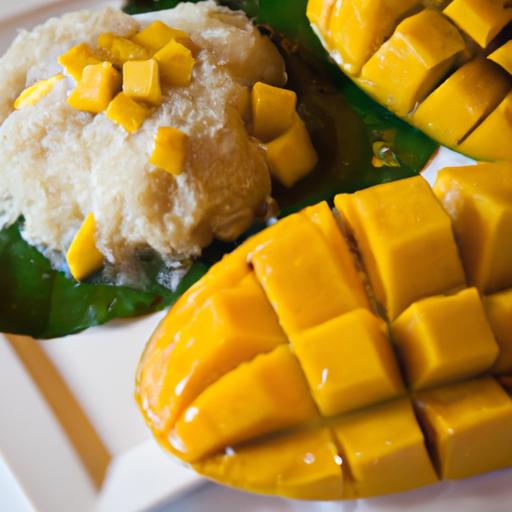
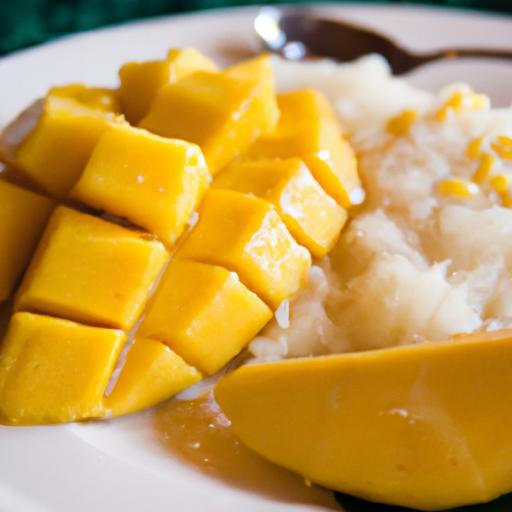
mango sticky rice shines not just through taste but presentation as well. Slice ripe mangoes into elegant, fan-shaped pieces or cubes laid beside or atop a neat mound of the coconut-infused sticky rice. Drizzle the reserved coconut sauce generously and garnish with a sprinkle of toasted white sesame seeds or crispy mung beans to add pleasant crunch and contrast.
Serve on a bright, minimalist plate to let the mango’s vivid yellow and the rice’s creamy white hues captivate attention. For an extra touch of authenticity and visual appeal, fresh pandan leaves or edible flowers can be delicately placed alongside.
This dessert is best enjoyed fresh at room temperature,inviting your guests to savor the harmony of sticky,sweet,and creamy elements in every bite.
Prep and Cook Time
- preparation: 10 minutes (plus 4 hours soaking)
- Cooking: 30 minutes
- Total: Approximately 4 hours 40 minutes
yield
Serves 4 generous portions
Difficulty Level
Easy – approachable for beginners with straightforward steps
Ingredients
- 1 cup glutinous (sticky) rice, rinsed and soaked
- 1 1/2 cups full-fat coconut milk
- 1/3 cup palm sugar (or brown sugar as substitute)
- 1/4 teaspoon fine sea salt
- 2 ripe mangoes, peeled and sliced
- 1 tablespoon toasted white sesame seeds or crispy mung beans for garnish
Instructions
- Soak and Steam the Rice: Rinse the sticky rice under cold water until water runs clear.Soak in water for at least 4 hours or overnight. Drain and steam in a bamboo steamer lined with cheesecloth for about 20-25 minutes, until tender and sticky.
- Prepare the Coconut sauce: In a saucepan over medium heat, combine coconut milk, palm sugar, and salt. Stir until sugar dissolves and the mixture is warm but not boiling; remove from heat.
- Infuse the Rice: Transfer steamed rice to a bowl.Pour about two-thirds of the coconut sauce over the rice and gently fold to mix. Cover and let the rice absorb the sauce for 15-20 minutes at room temperature.
- Slice the Mangoes: While rice absorbs sauce, peel and slice mangoes into attractive wedges or cubes.
- Plate and Serve: Shape the sticky rice into neat mounds on each serving plate. Arrange sliced mango beside the rice. Drizzle reserved coconut sauce over the top and sprinkle with toasted sesame seeds or mung beans for texture.
- enjoy Immediately: Serve at room temperature for the best flavor and texture experience.
Tips for Success
- Use a bamboo steamer if possible – it ensures gentle steaming that preserves texture.
- Substitute palm sugar with light brown sugar, but expect a slightly different caramel note.
- For vegan or sugar-free variations, substitute coconut sugar and ensure no added dairy in coconut milk.
- If sticky rice is too dry, gently sprinkle warm water and fold it in to restore softness before serving.
- This dessert is best enjoyed fresh, but leftover rice can be refrigerated and lightly steamed before serving next day.
Serving Suggestions
Complement this dessert with a fragrant jasmine tea or chilled Thai iced tea. For a festive touch, garnish plates with pandan leaves or edible orchid petals. Present the sticky rice in small banana leaf cups for authentic flair during gatherings or celebrations.

| Nutrient | Per Serving |
|---|---|
| Calories | 320 |
| Protein | 3g |
| Carbohydrates | 56g |
| Fat | 7g |
Discover more about the cultural origins of sticky rice desserts in our complete guide to Thai sweets, or learn about the health benefits of coconut milk from Healthline.
Q&A
Q&A: Sweet Simplicity - Easy Mango Sticky Rice Recipe to Try
Q1: What makes mango sticky rice such a beloved dessert?
A1: Mango sticky rice is a divine harmony of textures and flavors-creamy, slightly salty coconut sticky rice paired with juicy, fragrant mango slices. Its simplicity and balance make it both comforting and exotic,a tropical delight cherished across cultures.
Q2: Is this recipe really easy for beginners to make?
A2: Absolutely! Despite sounding fancy, mango sticky rice is a straightforward dish. With just a few ingredients and basic steps, you can whip up this dessert at home without any fuss or fancy equipment.
Q3: What type of rice should I use for authentic sticky rice?
A3: Use glutinous or sweet sticky rice (also called sweet rice). This short-grain rice becomes wonderfully chewy and sticky after soaking and steaming, the perfect canvas for coconut milk sweetness.
Q4: Can I substitute the mango with other fruits?
A4: While mango is the classic pairing, ripe papaya or ripe banana can work in a pinch. However, the signature tropical aroma and tart-sweet contrast are best delivered by a perfectly ripe mango.
Q5: How do you achieve that creamy coconut flavor without it overpowering the dish?
A5: The secret is gently cooking the sticky rice in coconut milk mixed with a pinch of salt and sugar. This infuses creaminess without overwhelming sweetness, striking the perfect flavor balance.
Q6: Any tips to serve mango sticky rice like a pro?
A6: Serve the sticky rice slightly warm or at room temperature, topped with fresh mango slices. Drizzle extra coconut sauce over everything and sprinkle roasted mung beans or toasted sesame seeds for an elegant crunch.
Q7: how long can leftovers be stored?
A7: It’s best enjoyed fresh, but you can store leftovers in the fridge for up to 2 days. Reheat gently before serving, but note that mango flavor and texture are at their peak fresh.
Q8: Is mango sticky rice gluten-free and vegan?
A8: Yes! With its natural ingredients-sticky rice, coconut milk, sugar, salt, and mango-it’s a perfect dessert for gluten-free and vegan diets.
Q9: What inspired the recipe’s simplicity?
A9: This recipe honors customary Thai street food roots-minimal ingredients, straightforward techniques, relying on natural flavors to shine. It’s sweet simplicity that turns tropical joy onto your plate.
Q10: can kids help make this dessert?
A10: Definitely! Kids can definitely help rinse rice, arrange mango slices, or drizzle coconut sauce. It’s an engaging, hands-on way to introduce them to cooking and exotic flavors.
Dive into this taste of tropical paradise-mango sticky rice awaits your kitchen!
The Conclusion
As the creamy coconut sauce drapes over tender mango slices and glistening sticky rice, this simple dessert reminds us that sometimes the sweetest pleasures come from the easiest recipes. Whether you’re craving a taste of Thailand or looking to impress guests with minimal effort, this mango sticky rice recipe offers a perfect balance of flavors and textures that’s both comforting and refreshing. So, gather your ingredients, embrace the sweet simplicity, and let your kitchen be filled with the irresistible aroma of tropical delight-because great food doesn’t have to be complex to be unforgettable.