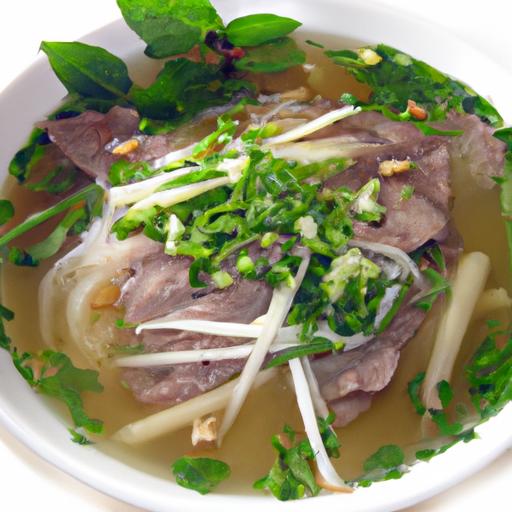

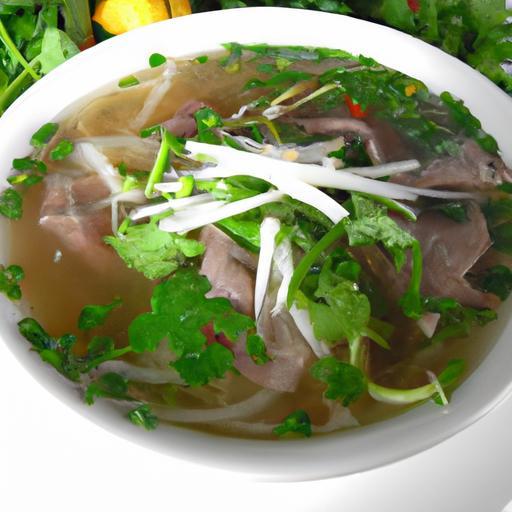
Ther’s a reason why Pho has captured the hearts and palates of food lovers worldwide-a steaming bowl of this fragrant Vietnamese noodle soup is more than just a meal; it’s an experience.Rooted in centuries of tradition and rich cultural history, authentic Pho is a delicate balance of aromatic spices, slow-simmered broth, tender slices of beef or chicken, and fresh herbs that awaken your senses with every sip. But mastering this iconic dish from scratch can seem daunting to the uninitiated. in this guide, we’ll unravel the secrets behind crafting genuine Vietnamese Pho at home, walking you through each step-from building the perfect broth to assembling your bowl with precision and passion. Whether you’re a seasoned cook or a curious foodie, get ready to embark on a culinary journey that brings the soulful flavors of Vietnam right to your kitchen.
Master Authentic Vietnamese pho broth is nothing short of a culinary revelation, embodying a delicate balance of rich, aromatic spices and slow-simmered beef bones that create its soul-stirring depth. This iconic Vietnamese dish has traversed generations and continents, cherished for its comforting warmth and vibrant complexity.
Originating from northern Vietnam, Pho is much more than a noodle soup-it’s an experience of culture, craft, and flavor refinement. Crafting the perfect Pho broth requires patience and attention to traditional ingredients like star anise, cinnamon, and charred bones, which impart that unmistakable aroma and umami intensity.each element is meticulously selected to highlight harmony in every sip.
prep and Cook Time
- Readiness: 20 minutes
- Broth simmering: 6 hours
- Noodle preparation & assembly: 15 minutes
- Total Time: Approximately 6 hours 35 minutes
Yield
Serves 6 generous bowls
difficulty Level
Advanced – patience and careful attention to layering flavors are essential to Master Authentic Vietnamese Pho
Ingredients
- Broth Base:
- 4 lbs beef leg bones (marrow and knuckle)
- 1 lb beef brisket or chuck roast
- 1 large yellow onion, halved
- 1 4-inch piece ginger, halved lengthwise
- Spices:
- 5 star anise pods
- 3 whole cloves
- 2 cinnamon sticks (3 inches each)
- 1 tablespoon coriander seeds
- 1 cardamom pod (optional)
- Sauce & Seasoning:
- ¼ cup fish sauce (preferably Vietnamese, like Red Boat)
- 1 teaspoon rock sugar or regular sugar
- Salt to taste
- Rice Noodles:
- 1 lb dried pho rice noodles (flat, medium-width)
- meats and Proteins:
- Thinly sliced raw beef eye round or sirloin (freeze slightly for easy slicing)
- Cooked brisket, thinly sliced
- Optional: beef tendon or beef meatballs
- Herbs and Garnishes:
- Fresh Thai basil
- Fresh cilantro
- Thinly sliced white onion
- Bean sprouts
- Thinly sliced jalapeños or bird’s eye chilies
- Lime wedges
- Hoisin sauce and Sriracha, for serving
Instructions
- Char aromatics: Using a high flame, char the onion and ginger halves directly on a gas burner or under a broiler until deeply blackened (about 5 minutes each side). This imparts the smoky depth crucial for authentic broth.
- Prepare bones: Rinse beef bones under cold water. In a large stockpot, cover bones with cold water and bring to a rolling boil for 10 minutes to remove impurities. Drain and rinse bones and pot thoroughly.
- Simmer broth: Return bones and brisket to pot with 5 quarts fresh water. Add charred onion, ginger, and toasted spices (toast star anise, cloves, cinnamon, coriander, and cardamom on a dry pan until fragrant, about 2 minutes). Tie spices in a cheesecloth bundle for easy removal.
- Cook low and slow: Simmer at a gentle boil, uncovered, skimming foam regularly to keep broth clear. Cook for at least 6 hours, adding water as needed to maintain volume.
- Season broth: Add fish sauce, sugar, and salt in the last 30 minutes.Taste and adjust seasoning, balancing savory, sweet, and umami flavors.
- noodle prep: Soak dried pho noodles in warm water for 30 minutes or according to package instructions. Drain and briefly blanch in boiling water just before serving to achieve perfect tender-chewy texture.
- Prepare meats: Freeze raw beef slightly for clean, thin slicing. Arrange brisket and othre cooked meats on serving bowls.
- Assemble bowls: Place noodles in serving bowls, layer on sliced raw beef (it will cook gently when hot broth is poured over), and add brisket. Ladle boiling broth over the top, cooking the raw beef to tender perfection.
- Add garnishes: Serve with fresh herbs,bean sprouts,lime wedges,and chili slices on the side,allowing each diner to tailor their Pho masterpiece.
Tips for Success
- Broth clarity: Avoid boiling the broth aggressively-gentle simmering and frequent skimming of scum ensure a crystal-clear, refined broth.
- Spice Control: Toast your spices just until fragrant to unlock oils without burning bitter flavors.
- Noodle Texture: For authentic pho noodles, always soak them before boiling briefly to avoid mushiness.
- Meat Slicing: Chill beef to make slicing wafer-thin strips effortless, crucial for even cooking in the hot broth.
- Make Ahead: Broth improves with overnight resting; refrigerate and skim excess fat before reheating gently.
Serving Suggestions
Present Pho with vibrant bowls arranged meticulously: fresh basil and cilantro sprigs on one side, a mound of crunchy bean sprouts, sliced lime wedges, and a small dish of hoisin sauce and Sriracha to encourage customization. A drizzle of chili-infused oil can elevate the experience further. Encourage diners to squeeze lime and layer garnishes gradually, awakening every flavor layer in the broth.

| Nutrient | Per Serving |
|---|---|
| Calories | 350 kcal |
| Protein | 30 g |
| Carbohydrates | 40 g |
| Fat | 10 g |
For an in-depth guide on Vietnamese noodle soups variations, explore our other recipe posts. To understand more about the health benefits of star anise and cinnamon used in Pho broth, visit this research article.
Q&A
Q&A: Master Authentic Vietnamese Pho - A from-Scratch recipe guide
Q1: What makes Vietnamese Pho so special compared to other noodle soups?
A1: Pho is more than just a noodle soup-it’s a flavorful symphony of aromatic herbs, tender meat, and a crystal-clear broth that’s simmered for hours.What sets pho apart is its delicate balance of savory, sweet, and umami flavors, combined with fresh lime, chili, and herbs right at the table. It’s a soulful dish that tells the story of Vietnam’s rich culinary heritage in every steaming bowl.
Q2: Why is making pho from scratch important? Can’t I just use pre-made broth?
A2: While a speedy fix with pre-made broth can satisfy your hunger, the magic of pho lies in the broth’s depth and complexity, developed through hours of simmering beef bones, charred spices, and fresh aromatics. Crafting the broth from scratch unlocks layers of flavor you simply can’t replicate with shortcuts-it’s the difference between a meal and a masterpiece.Q3: What are the essential spices needed to replicate authentic pho broth?
A3: The soul of pho broth blooms from a bouquet of toasted star anise, cinnamon sticks, cloves, coriander seeds, and cardamom pods. these spices,when gently charred and simmered with beef bones,release warm,fragrant notes that infuse the broth with that unmistakable pho aroma.
Q4: Can I customize pho for vegetarians or those who don’t eat beef?
A4: Absolutely! While traditional pho is beef-based, you can create a vibrant vegetarian version by simmering a rich vegetable broth with mushrooms, charred onion, ginger, and the classic pho spices. Add tofu or seitan for protein,and you’ll have a comforting bowl that honors the spirit of pho without meat.
Q5: What’s the best way to serve pho for an authentic dining experience?
A5: Serve your pho with a colorful array of fresh accompaniments: bright lime wedges, crunchy bean sprouts, fragrant Thai basil leaves, sliced jalapeños or bird’s eye chilies, and hoisin and sriracha sauces on the side. This lets each diner tailor their bowl, transforming a simple meal into an interactive feast celebrating freshness and flavor.
Q6: How long does it typically take to prepare pho from scratch?
A6: Patience is key. Preparing the broth is a labor of love that usually takes between 4 to 6 hours of simmering, allowing bones and spices to release their full essence. But the reward? A soul-satisfying bowl of pho that’s well worth the wait-and it tastes even better the next day!
Q7: Any insider tips for the perfect pho noodles?
A7: Choose fresh or dried flat rice noodles-aim for those thin, silky strands that soak up broth like little flavor sponges. to avoid mushiness, blanch noodles just before serving in hot water, then drain quickly. Remember, texture is everything in pho, so treat the noodles with care!
Closing Remarks
As you wrap up your first bowl of homemade pho, take a moment to savor not just the rich, aromatic broth or the delicate dance of fresh herbs and tender noodles, but the tradition and care that infuse every step of this Vietnamese culinary treasure. Mastering pho from scratch is more than following a recipe-it’s an invitation to connect with a culture, to slow down and appreciate the art of layering flavor, and to bring warmth to your table with every simmer and garnish. So, roll up your sleeves, embrace the process, and let this from-scratch guide be the beginning of many fragrant, soul-soothing pho dinners to come. After all, the perfect pho isn’t just eaten-it’s lovingly crafted, endlessly shared, and beautifully savored.