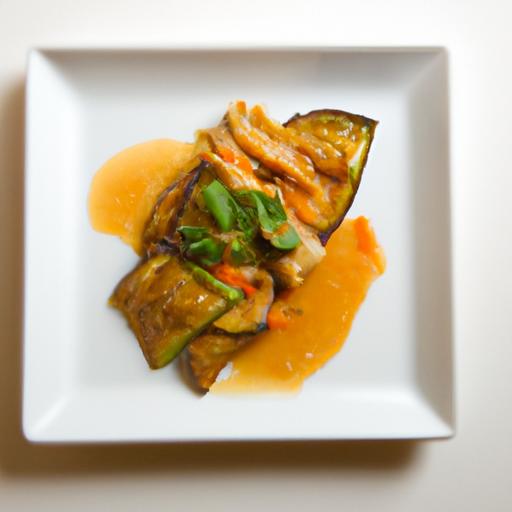

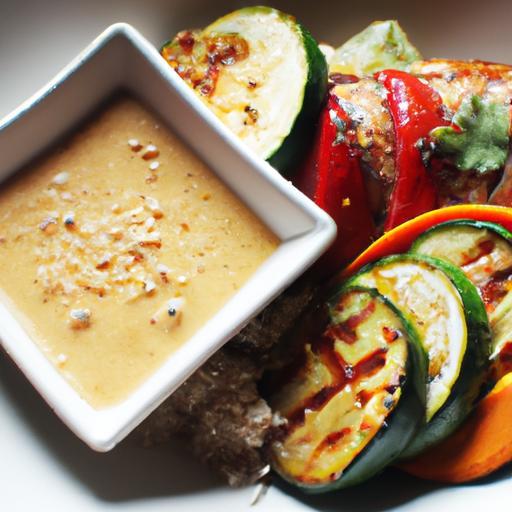
Eggplant, with its tender flesh adn slightly smoky undertones, has long been a beloved ingredient in kitchens around the world. When paired with the deep, umami-rich notes of miso, it transforms into a dish that’s nothing short of extraordinary. Enter the savory miso glazed eggplant-a recipe that marries simplicity with gourmet flair, bringing together caramelized sweetness, salty depth, and a luscious glaze that clings to every bite. Whether you’re seeking a show-stopping vegetarian main or a vibrant side dish, this flavorful delight promises to awaken your taste buds and elevate your culinary repertoire. Let’s dive into the magic behind this stunning, savory creation.
Understanding the Rich Umami of Miso and Its Role in Glazing Eggplant
Savory Miso Glazed Eggplant Recipe celebrates the deep, savory umami that miso imparts, transforming humble eggplant into a mouthwatering masterpiece. Miso, a customary Japanese fermented soybean paste, is laden with natural glutamates that amplify flavor and create complex layers of savoriness. When caramelized into a glaze, miso’s rich notes beautifully complement the tender, sponge-like texture of eggplant, enhancing every bite with a balance of salty, sweet, and earthy tones. This glaze not only imbues the dish with depth but also promotes a luscious, glossy finish that visually captivates while inviting the palate to explore its bold character.
Choosing the Perfect eggplant Variety for Optimal Flavor and Texture
To achieve the perfect Savory Miso Glazed Eggplant Recipe, selecting the right eggplant is crucial.The classic Japanese eggplant is an ideal choice: slender, elongated, and with tender skin, it delivers delicate flesh that readily absorbs the miso glaze without becoming mushy. Alternatively, small globe eggplants, known for their meaty texture and mild bitterness, can also work beautifully when sliced thickly and roasted evenly. Avoid overly large or seedy eggplants, as they tend to be watery and less flavorful. For optimal results, look for firm, glossy skin with a vibrant purple hue, indicating freshness and ripeness for the best flavor soaking and caramelization.
Step by Step Guide to Achieving a Perfectly Caramelized Miso Glaze
- Prepare the eggplant: Slice 2 medium Japanese eggplants lengthwise into ½-inch thick planks.Lightly score the flesh in a crosshatch pattern to allow better absorption of the glaze.
- Salt and sweat: Lay the eggplant slices on paper towels, sprinkle lightly with salt, and let them rest for 15 minutes. This draws out excess moisture, ensuring the eggplant softens without becoming soggy.
- Make the miso glaze: In a bowl,whisk together 3 tablespoons white miso paste,1 tablespoon mirin,1 tablespoon sake,1 tablespoon honey or maple syrup,and 1 teaspoon toasted sesame oil until smooth and glossy.
- Pat dry: Gently press the eggplant slices to remove excess moisture. This step is key for achieving a lovely caramelized exterior.
- pan-roast the eggplant: Heat 2 tablespoons vegetable oil in a large skillet over medium-high heat. Add eggplant slices, cooking for 4-5 minutes on the first side until golden and tender.
- Apply the glaze: flip the slices, then brush each piece generously with the miso glaze. Continue cooking for 3-4 minutes, allowing the sugars in the glaze to caramelize-a gentle sizzling sound signals perfect glaze adherence.
- Broil for finishing touch (optional): Transfer the glazed eggplants to a baking sheet and broil for 1-2 minutes to intensify the caramelization. Watch closely to prevent burning!
Serving Suggestions and Complementary Flavors to Elevate Your Dish
Present your Savory Miso glazed Eggplant Recipe with a sprinkle of toasted black sesame seeds and finely sliced scallions for a vibrant contrast. A garnish of freshly grated ginger or microgreens adds a refreshing bite and visual appeal. Pair this dish alongside steamed jasmine rice or cold soba noodles, which balance the dish’s robust umami with delicate neutrality.
For added richness, a drizzle of chili oil or a splash of yuzu juice provides shining, spicy, or citrusy accents that awaken the palate. Try incorporating pickled vegetables or a crisp cucumber salad to introduce texture and acidity, perfectly offsetting the glaze’s mellow sweetness. This dish shines as an appetizer, side, or even a vegetarian main course in contemporary Japanese-inspired meals.
Prep and Cook Time
- Preparation: 20 minutes (including salting)
- Cooking: 15 minutes
- Total Time: 35 minutes
Yield
Serves 4 as an appetizer or side dish
Difficulty Level
Medium – Suitable for cooks with some experience in glazing and pan-roasting techniques
Ingredients
- 2 medium Japanese eggplants,sliced lengthwise into ½-inch planks
- 3 tablespoons white miso paste
- 1 tablespoon mirin
- 1 tablespoon sake
- 1 tablespoon honey or pure maple syrup
- 1 teaspoon toasted sesame oil
- 2 tablespoons vegetable oil (for pan-roasting)
- Salt,to sweat eggplant
- Toasted black sesame seeds and sliced scallions for garnish
Instructions
- Slice and score: Prepare eggplant by slicing and scoring the flesh in a crosshatch pattern for deeper glaze absorption.
- Salt and rest: Salt the slices lightly and rest on paper towels to sweat out moisture for 15 minutes.
- Mix glaze: Whisk together miso paste, mirin, sake, honey, and sesame oil until smooth.
- Pat dry: Press eggplant slices gently to remove released moisture after sweating.
- Heat oil: In a skillet, warm vegetable oil over medium-high heat until shimmering.
- Sear eggplant: Add slices, cooking until golden on one side, about 4-5 minutes.
- Glaze and cook: Flip slices, brush glaze generously, cook another 3-4 minutes to caramelize.
- Broil (optional): Place glazed eggplant on baking sheet and broil briefly for intensified caramelization.
- Serve: Garnish with sesame seeds and scallions, enjoy instantly for best texture.
Chef’s Notes & Tips for Success
- Gluten-free variant: Use tamari rather of sake and mirin to make the glaze gluten-free without sacrificing umami.
- Alternative eggplants: Baby eggplants or Italian varieties can be used but may require slight adjustments in cooking time.
- Make-ahead: the miso glaze can be prepared 2 days in advance and stored in an airtight container refrigerated.
- Don’t overcrowd the pan: Cook eggplant in batches if needed to ensure even caramelization rather than steaming.
- Balancing sweetness: Adjust honey or maple syrup quantity based on the miso paste’s saltiness and your personal taste.
Serving Suggestions
This dish pairs beautifully with a steaming bowl of jasmine rice or chilled soba noodles tossed in a light sesame dressing. Sprinkle extra toasted sesame seeds on top and accompany with a crisp Asian cucumber salad with rice vinegar and chili flakes for brightness. For a fuller meal, serve alongside grilled tofu or steamed edamame. A light sprinkle of yuzu zest or a few drops of chili oil elevate the plate with contrasting notes that awaken the senses.
| Nutrient | Per Serving |
|---|---|
| Calories | 140 |
| Protein | 3g |
| Carbohydrates | 18g |
| Fat | 7g |
explore our Japanese Miso Soup recipe for a comforting companion dish. For scientific insights on miso’s umami properties, visit this study from the National Institutes of Health.

Q&A
Q&A: Savory Miso Glazed Eggplant Recipe – A Flavorful Delight
Q1: What makes this Miso Glazed Eggplant recipe stand out from other eggplant dishes?
A1: This recipe transforms humble eggplant into a savory masterpiece by layering it with a rich miso glaze. The umami depth of miso combined with the caramelized sweetness from roasting creates a complex harmony that elevates the eggplant beyond its usual earthy profile. It’s a festivity of flavors and textures that’s both comforting and exciting.
Q2: What type of miso is best to use for the glaze, and why?
A2: For this glaze, a white (shiro) miso is ideal. It offers a mild, slightly sweet umami that complements the eggplant without overpowering it. If you prefer a more robust flavor, you can experiment with red miso, but be mindful that its intensity will shift the balance towards a saltier, deeper taste.
Q3: How do you prepare the eggplant to achieve the perfect texture?
A3: The key is to slice the eggplant evenly-either into rounds or lengthwise planks-then salt it lightly to draw out any bitterness and excess moisture,which helps achieve a creamy interior and a tender exterior. Roasting or pan-searing at a high temperature caramelizes the natural sugars, giving it a luscious, melt-in-your-mouth feel that contrasts beautifully with the sticky glaze.
Q4: Can this dish be made vegan and gluten-free?
A4: Absolutely! The core ingredients-eggplant, miso, soy sauce (or tamari for gluten-free), mirin, and a touch of sweetener-are all plant-based. Ensuring you use gluten-free tamari instead of traditional soy sauce keeps it safe for gluten-sensitive eaters. This is a versatile recipe that fits beautifully into vegan and gluten-free diets without compromising flavor.
Q5: What are some delicious serving suggestions or pairings for the miso glazed eggplant?
A5: This dish shines as a star side or main. Try serving it over steamed jasmine rice or alongside a bowl of comforting ramen. For a fresh contrast, add crunchy pickled vegetables or a bright cucumber salad. Garnish with toasted sesame seeds and thinly sliced scallions to add a final pop of aroma and texture.
Q6: How can you customize the miso glaze to suit different flavor preferences?
A6: The glaze is highly adaptable! For a touch of heat, add a dash of chili paste or red pepper flakes. Lovers of citrus can incorporate a splash of yuzu or lemon juice for brightness. If you want it richer, a drizzle of toasted sesame oil amps up the nuttiness. The beauty of this glaze is that it invites your creativity while retaining its classic umami charm.
Q7: Is Miso Glazed eggplant a good make-ahead dish?
A7: Yes! You can prepare the glaze and roast the eggplant ahead of time,then gently reheat before serving. The flavors actually deepen as they rest, making leftovers even more delightful.Just be sure to store it in an airtight container and reheat gently to preserve the eggplant’s creamy texture.
This Q&A unpacks the magic behind the savory miso glazed eggplant-from technique to flavor secrets-making it easier to bring this flavorful delight to your table. Ready to immerse yourself in the umami wonder? Your taste buds will thank you.
Key Takeaways
In the world of plant-based delights, this savory miso glazed eggplant stands out as a symphony of rich umami and tender texture. Whether served as a stunning side or a star ingredient, its deep, caramelized glaze offers a perfect balance of salty, sweet, and savory notes that dance on the palate. Next time you crave a dish that’s both comforting and adventurous,remember that a humble eggplant,elevated with miso’s magic,can transform your meal into a flavorful delight worth savoring.Embrace this recipe, and let your kitchen become a playground for bold, nourishing flavors that celebrate the beauty of simplicity.