
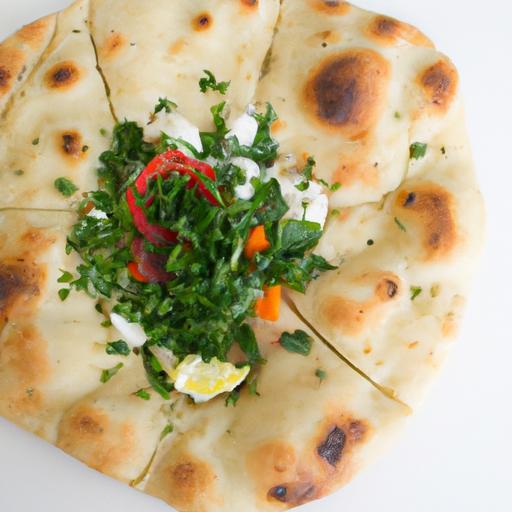
ThereS something undeniably magical about the aroma of freshly baked Manakish wafting through the kitchen-a warm, golden flatbread crowned with fragrant za’atar, melted cheese, or savory ground meat.This beloved Middle Eastern staple, frequently enough called “the Lebanese pizza,” is as much a canvas for creativity as it is indeed a comforting, communal meal. Whether you’re a seasoned foodie eager to explore new flavors or a home cook keen to bring traditional tastes to your table, mastering Manakish opens a world of delicious possibilities. In this step-by-step oven-baked recipe guide, we’ll unravel the secrets to achieving the perfect dough, layering irresistible toppings, and baking your way to Manakish mastery-no special equipment required. Get ready to transform simple ingredients into an authentic feast straight from your own oven.
Mastering manakish is an inviting journey into a rich Middle Eastern tradition where fresh, aromatic flatbreads meet vibrant toppings crafted from generations of culinary wisdom. Originating from lebanon and Syria, manakish is much more than a simple snack - it’s a beloved symbol of family mornings, bustling bakeries, and warm communal tables. The secret lies not just in the toppings but in crafting a dough that strikes the perfect balance between crisp edges and a fluffy, tender crumb. Embracing authentic ingredients elevates each bite, making every manakish an experience bursting with flavor and texture.
Prep and Cook Time
Planning: 15 minutes | Rising time: 1 hour | Baking: 10-12 minutes
Yield
Makes 6 medium-sized manakish (serves 4-6)
Difficulty level
Medium – Requires basic dough preparation skills but approachable for enthusiastic home bakers.
Ingredients
- 2 cups all-purpose flour,sifted for lightness
- 1 cup warm water (around 110°F/43°C) to activate yeast
- 2 tsp active dry yeast
- 1 tsp sugar to feed the yeast
- 1 tsp salt to enhance flavor
- 2 tbsp olive oil (plus extra for drizzling)
- For Za’atar topping: 3 tbsp za’atar spice mix,3 tbsp olive oil
- For cheese topping: 1½ cups shredded Akkawi or mozzarella cheese
- For meat topping (optional): ½ cup finely chopped spiced lamb or beef
Instructions
- Activate the yeast: In a small bowl,combine warm water,sugar,and yeast. Stir gently and let sit for 5-10 minutes until foamy. this step ensures your dough will rise beautifully.
- Make the dough: In a large bowl, mix the sifted flour and salt. Gradually add the activated yeast mixture and olive oil while stirring with a wooden spoon or your hand.
- Knead the dough: Transfer the dough to a lightly floured surface.Knead for 8-10 minutes until smooth and elastic. It should feel soft,not sticky. If needed, add small amounts of flour to prevent sticking.
- First rise: Shape the dough into a ball and place it in an oiled bowl. Cover with a clean kitchen towel or plastic wrap. Let it rise in a warm spot for 1 hour or until doubled in size.
- Prepare toppings: For za’atar manakish, mix za’atar spice with olive oil into a spreadable paste. For cheese, have it shredded and ready. For meat topping, sauté the spiced meat until browned and fragrant; drain any excess fat.
- Divide and shape: Deflate the dough gently and divide it into 6 equal pieces. Roll each piece into a 7-8 inch circle on a floured surface, aiming for an even thickness of about ¼ inch.
- Add toppings: Spread your chosen topping evenly over each dough round,leaving a small border around the edges for a crisp crust.
- Bake: Preheat your oven to 475°F (245°C) with a baking stone or heavy baking sheet inside to mimic a traditional clay oven. Slide prepared manakish onto the stone and bake 10-12 minutes until edges turn golden and cheese bubbles with a light golden crust.
- Finish and serve: Remove from the oven,brush edges lightly with olive oil for added sheen and flavor.Let cool slightly before slicing.
Tips for Success
- Flour choice: Use all-purpose for tender crumb or switch half to bread flour for a chewier, rustic texture.
- Water temperature: Keep it warm but not hot; over 120°F (49°C) can kill yeast.
- Kneading: Don’t rush – proper gluten advancement ensures a soft interior and crisp outside.
- Make ahead: Dough can be refrigerated overnight after the first rise. Bring to room temperature before shaping.
- Toppings: Keep them balanced – too much moisture can weigh down the dough. Lightly pat wet toppings dry before spreading.
- Baking surface: A hot baking stone mimics the traditional clay oven effect, giving manakish thier signature crispy base and beautifully browned crust.
Serving Suggestions
Serve fresh and warm from the oven,paired ideally with a side of labneh or tangy yogurt,fresh cucumber and tomato salad,and a drizzle of olive oil.Garnish za’atar manakish with fresh parsley or mint to add brightness. For cheese varieties, a sprinkle of sumac or chili flakes adds welcoming depth. Enjoy with a cup of strong Arabic coffee or mint tea for an authentic experience.
| Nutritional Info (per serving) | Calories | Protein | Carbs | Fat |
|---|---|---|---|---|
| Za’atar Manakish | 220 kcal | 5 g | 30 g | 8 g |
| Cheese Manakish | 300 kcal | 15 g | 28 g | 15 g |
Discover more flatbread recipes or learn about the captivating history of manakish on Britannica.

Q&A
Q&A: Mastering Manakish – A Step-by-Step Oven-Baked Recipe Guide
Q1: What exactly is Manakish?
A1: Manakish (pronounced mah-nah-keesh) is a beloved Middle Eastern flatbread, often dubbed the “pizza of the Levant.” Traditionally topped with za’atar, cheese, or minced meat, it’s a versatile dish perfect for breakfast, lunch, or a snack. Think of it as a flavorful canvas,blending crispy dough with aromatic,savory toppings.
Q2: Why should I try making manakish at home?
A2: Homemade Manakish elevates your kitchen game! Not only do you control the freshness and ingredients,but the sensory joy-from kneading dough to smelling za’atar bubbling in the oven-is unmatched. Plus, it’s a fantastic way to explore Middle Eastern flavors and impress your friends with an authentic, oven-baked delight.
Q3: What are the key ingredients for the dough?
A3: The dough is surprisingly simple yet magical: all-purpose flour, warm water, yeast, a pinch of sugar, salt, and olive oil. This combination yields a soft, slightly chewy base that crisps beautifully while baking, creating the perfect stage for your toppings.
Q4: Can I customize my Manakish toppings?
A4: Absolutely! While za’atar mixed with olive oil is the classic favourite, other popular options include akkawi or feta cheese, spinach and sumac, or spiced ground lamb.Feel free to experiment with fresh herbs, olives, or even roasted veggies-manakish is as creative as you want it to be.
Q5: Is an oven necessary, or can I use a stovetop?
A5: For that signature crispness and even cooking, an oven is your best friend. Baking at high heat creates a golden crust and melds toppings perfectly. However, if you’re adventurous, a skillet or grill can work in a pinch, tho results will vary slightly in texture.
Q6: What’s the ideal oven temperature and baking time?
A6: Preheat your oven to around 475°F (245°C). Bake each Manakish for 6-8 minutes-enough for the edges to turn golden and the toppings to bubble enticingly. Keep a close eye though; every oven behaves differently!
Q7: Any insider tips for perfect Manakish?
A7: Yes! Roll the dough evenly thin for a crispy yet tender bite. Don’t overload on toppings-less is more to keep the dough from getting soggy. Brush edges lightly with olive oil for extra color and crunch. Lastly, serve warm-fresh from the oven is when Manakish truly shines.
Q8: How do I store leftovers?
A8: Leftover Manakish keeps well in an airtight container for up to two days. Reheat in a hot oven or toaster oven to revive its crispness. Avoid microwaving-it tends to make the bread chewy rather than crisp.
Q9: Can I make the dough ahead of time?
A9: Definitely! The dough can be prepared a day ahead and refrigerated,which often enhances flavor as it slowly ferments. Just allow it to come to room temperature before shaping and baking.
Q10: Where can I find za’atar and other authentic ingredients?
A10: Middle eastern grocery stores are your treasure trove. Za’atar blends vary but typically contain thyme, sumac, and sesame seeds-look for fresh, vibrant blends. If not nearby,reputable online spice shops offer high-quality options to bring that authentic taste to your kitchen.
Embark on your Manakish-making adventure armed with these tips and tricks, and soon you’ll be serving oven-baked slices of Middle Eastern magic from your very own oven!
In Summary
As the warm aroma of freshly baked manakish fills your kitchen, you’ll realize that this ancient Levantine flatbread is more than just a dish-it’s a delicious journey through culture and tradition. With each step mastered from dough to topping to the perfect golden bake, you’re not just cooking; you’re crafting an experience that invites family and friends to gather, share, and savor. So dust off your rolling pin,preheat that oven,and let your culinary creativity rise alongside your manakish. Because once you’ve mastered this timeless recipe, every bite tells a story of flavor, heritage, and the simple joy of homemade goodness.