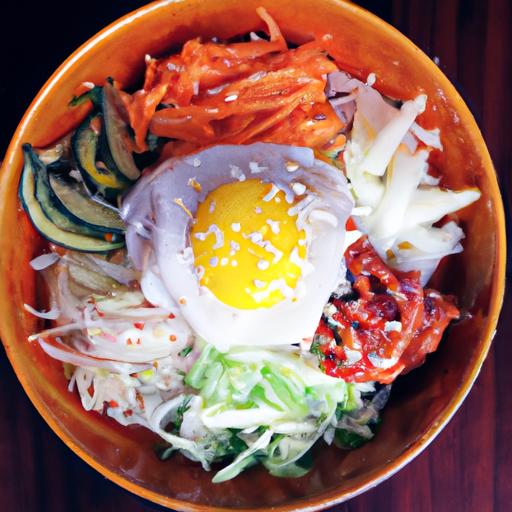

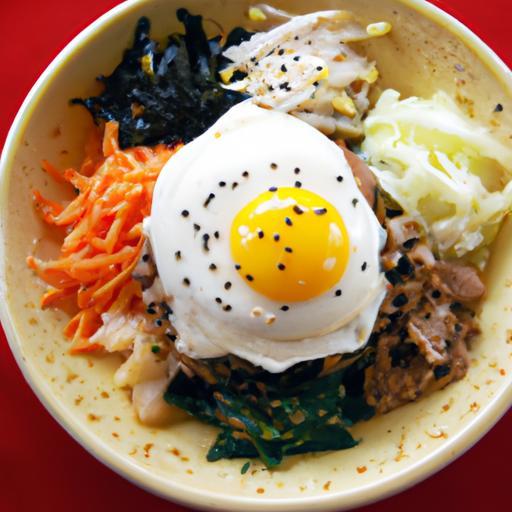
There’s something undeniably magical about the sizzle of hot stone mingling with vibrant vegetables, tender marinated beef, adn a perfectly nestled egg – all coming together in a bowl that’s as much a feast for the eyes as it is for the palate. Welcome to the world of Dolsot Bibimbap,a Korean culinary masterpiece that transforms humble ingredients into an unforgettable experience. Whether you’re a seasoned foodie or a curious home cook, mastering this iconic dish opens the door to bold flavors, satisfying textures, and a ritual that celebrates balance and harmony on your plate. In this ultimate recipe guide, we’ll take you step-by-step through everything you need to know – from choosing the right ingredients and sizzling your dolsot stone bowl to assembling and savoring every mouthwatering bite. Get ready to ignite your kitchen with the warm, crunchy, and colorful wonders of Dolsot Bibimbap!
mastering Dolsot Bibimbap unlocks a captivating journey through Korea’s rich culinary heritage and vibrant flavors. Originating from the Jeonju region, this iconic hot stone bowl rice dish transcends mere sustenance, showcasing a harmonious blend of fresh vegetables, marinated proteins, and that coveted crispy rice crust known as nurungji. Growing up, my family’s kitchen would hum with anticipation as the sizzling bowl arrived at the table-each ingredient meticulously layered to create a colorful mosaic that invited both the eyes and the palate to dive in. Today, it remains a beloved comfort food that effortlessly balances tradition, nourishment, and artistry.
Prep and Cook Time
- Readiness: 30 minutes
- Cooking: 20 minutes
- Total: 50 minutes
Yield
Serves 4 hearty portions
Difficulty Level
Medium – Perfect for home cooks eager to embrace customary techniques with approachable steps
Ingredients
- 2 cups short-grain white rice, rinsed and soaked for 30 minutes
- 4 cups water, for cooking rice
- 200g beef sirloin, thinly sliced
- 1 medium zucchini, julienned
- 2 carrots, julienned
- 1 cup spinach, blanched and squeezed
- 4 shiitake mushrooms, thinly sliced
- 2 cloves garlic, minced
- 4 eggs, sunny-side up
- 2 tbsp sesame oil
- 4 tsp gochujang (Korean chili paste), adjust for spice preference
- 2 tbsp soy sauce
- 1 tbsp sugar
- 1 tbsp vegetable oil, for frying
- 1 tsp toasted sesame seeds
- Salt and pepper, to taste
Instructions
- Cook the rice: Drain soaked rice and cook with 4 cups water in a rice cooker or heavy-bottom pot until fluffy. Spread a thin layer evenly when hot to prepare for crispy crust formation in the stone pot.
- Prepare vegetables: Lightly sauté zucchini, carrots, and mushrooms separately in 1 tsp vegetable oil each, seasoning lightly with salt. Blanch spinach in boiling water for 30 seconds, drain, and season with a pinch of salt and a drop of sesame oil.
- Marinate beef: In a bowl, mix sliced beef with soy sauce, sugar, minced garlic, and a pinch of black pepper. Let it marinate for 10 minutes, then stir-fry until just cooked (about 3-4 minutes) in a hot pan.
- Prepare the stone pot (dolsot): Brush the inside generously with sesame oil, ensuring every surface is coated to aid in crisping the rice.
- Layer rice and toppings: Transfer a portion of cooked rice into each pre-oiled stone pot, packing gently but evenly. Arrange the sautéed vegetables and marinated beef on top in aesthetically pleasing sections, creating a vibrant tapestry of colors and textures.
- Cook for crispy crust: Place the filled stone pot on medium heat for 5-7 minutes until the bottom crisps to a deep golden brown. The sizzling sound signals the cherished nurungji forming.
- Add egg and garnish: Crack a fresh egg on top of each bowl and cover with a lid or foil to let it steam and set for 2-3 minutes. Sprinkle toasted sesame seeds and a drizzle of remaining sesame oil.
- Serve with gochujang: Bring the dolsot bibimbap to the table piping hot. Let diners mix in 1 tsp of gochujang or more to taste, blending all elements into a comforting, flavorful symphony.
Tips for Success
- Rice perfection: Use short-grain white rice for the ideal sticky texture essential to produce the signature crispy crust.
- Stone pot care: Preheat the dolsot thoroughly and avoid lifting the lid during cooking to foster optimal crust development.
- Ingredient freshness: Choose vibrant vegetables and premium cuts of beef to elevate authenticity and flavour balance.
- make it vegetarian: Substitute beef with seasoned tofu or mushrooms for a delicious plant-based variation.
- Advance prep: Pre-cook and season your vegetables and proteins ahead to speed up final assembly and keep the stone pot sizzling experience alive.
Serving Suggestions
Accompany your dolsot bibimbap with a side of chilled kimchi and a small bowl of hot seaweed soup for a complete korean feast. Garnish with thin strips of nori or freshly sliced scallions to add a burst of color and umami. Serve with a metal spoon and chopsticks for authenticity, encouraging diners to enjoy the satisfying crunch of the crust with every bite.

| Nutrition | Per Serving |
|---|---|
| Calories | 520 kcal |
| Protein | 28 g |
| Carbohydrates | 60 g |
| Fat | 15 g |
For more in-depth tips on Korean side dishes to complement your dolsot bibimbap, check our Korean Side Dishes Guide.
Learn more about the history of traditional Korean cooking arts at Korean Cultural Heritage Foundation.
Q&A
Q&A: Mastering Dolsot Bibimbap – Your Ultimate Recipe Guide
Q1: What is Dolsot Bibimbap, and how does it differ from regular Bibimbap?
A1: Dolsot Bibimbap is the sizzling, soul-warming version of Korea’s iconic mixed rice dish, served in a hot stone bowl called a “dolsot.” unlike regular Bibimbap, the dolsot crisps the rice at the bottom, creating a delightful golden crust known as nurungji. This textural contrast elevates the dish from a simple mix to an unforgettable sensory experience.
Q2: Why is the stone bowl essential for an authentic Dolsot Bibimbap?
A2: The stone bowl isn’t just a vessel; it’s a culinary tool. Made from thick granite, it retains heat brilliantly, enabling the rice to cook further as it’s served. This results in the signature crispy rice layer and keeps the dish piping hot, intensifying flavors and aromas with every bite.
Q3: What ingredients are basic to making perfect Dolsot Bibimbap?
A3: mastering Dolsot bibimbap means balancing freshness,texture,and color. Essential ingredients include steamed short-grain rice, a variety of seasoned vegetables (like spinach, bean sprouts, carrots, and zucchini), marinated beef or tofu, a fried egg, and a generous dollop of gochujang (Korean chili paste). Sesame oil and toasted sesame seeds add the final fragrant touch.
Q4: How do you achieve the perfect crispy rice crust?
A4: To get that golden,crunchy crust,coat the inside of the hot stone bowl with a thin layer of sesame oil before adding the steamed rice. When heated on the stove or in the oven after assembling the ingredients,the rice at the bottom crisps up beautifully without burning. The sizzling sound signals you’re about to enjoy that signature crunch.
Q5: Can Dolsot Bibimbap be customized for different dietary preferences?
A5: Absolutely! While traditional versions frequently enough feature beef, the dish is incredibly versatile. Vegetarians can swap in seasoned mushrooms or tofu, vegans can omit the egg and use plant-based proteins, and those sensitive to spice can adjust the amount of gochujang or substitute it with milder sauces. The key is preserving the harmony of textures and flavors.
Q6: What’s the best way to eat Dolsot Bibimbap?
A6: The magic begins when you mix everything together vigorously-breaking the yolk, stirring the vegetables, meat, rice, and gochujang into a colorful medley. This blending enhances every mouthful, combining the sweet, spicy, earthy, and nutty notes. Enjoy promptly to savor the hot crunch and vibrant flavors.
Q7: Any pro tips for beginners tackling Dolsot Bibimbap at home?
A7: Start by prepping your vegetables in advance, seasoning them lightly but distinctly. Use short-grain rice for optimal stickiness and texture. Don’t rush the stone bowl heating process-preheat it well to achieve that perfect nurungji. Lastly, balance your gochujang carefully; it’s the spice backbone but shouldn’t overpower the fresh ingredients.
Q8: Where can I find a good dolsot bowl if I want to cook this authentically?
A8: Many Asian grocery stores stock traditional dolsot bowls, and they’re widely available online through kitchen specialty retailers. Look for durable stone or cast iron bowls that can withstand high heat and ensure even heat retention. Investing in a dolsot elevates not just Bibimbap but other sizzling rice dishes too!
Mastering Dolsot Bibimbap is not just about following a recipe-it’s about embracing a culture, a technique, and the joy of change that happens when simple ingredients meet fire and stone. Ready to create your sizzling masterpiece? Let’s get cooking!
To Conclude
As you close the lid on your sizzling dolsot bibimbap, you’re not just finishing a meal-you’re celebrating a vibrant tapestry of flavors, textures, and tradition. mastering this beloved Korean dish transforms your kitchen into a stage where rice crisps golden, vegetables burst with color, and spicy gochujang awakens your senses. With this ultimate recipe guide in hand, you’re equipped to create authentic dolsot bibimbap that honors its rich heritage while inviting your own culinary creativity. So grab your stone pot, gather your favourite ingredients, and dive into a dish that’s as much about experience as it is about taste-because every bite tells a story, and now, it’s yours to share.