
There’s something magical about the fizz in a glass of soda-the sparkling effervescence that tickles your tongue adn lifts your spirits.But what if you could capture that lively sparkle right in your own kitchen, using nothing but simple, wholesome ingredients? Enter the ginger bug: a bubbling, living culture that transforms ordinary water and sugar into a naturally fermented sparkling elixir. In this guide, we’ll dive into the art and science of crafting your very own ginger bug-a flavorful starter culture that’s the secret to homemade soda bursting with character, probiotics, and a zing of ginger. Say goodbye to store-bought fizz and hello to a vibrant, handcrafted brew that’s as fun to make as it is to drink.
Fizz Up Your Brew: Crafting Ginger Bug for Homemade Soda
Fizz Up Your Brew: Crafting Ginger Bug for Homemade Soda is a captivating adventure into natural fermentation that transforms simple ingredients into a sparkling, probiotic-rich brew. This ancient technique taps into the magic of wild yeasts and beneficial bacteria thriving on fresh ginger, turning sweetened water into vibrant homemade soda starters bursting with life and effervescence. Whether you’re a fermentation novice or a seasoned soda maker, understanding the science behind your ginger bug starter will elevate your craft and ensure every fizzy sip is perfectly delightful.
Prep and Cook Time
- Readiness: 10 minutes (daily feedings 5 minutes)
- Fermentation: 5-7 days
Yield
- About 2 cups of active ginger bug starter
Difficulty Level
- Easy to Medium
ingredients
- 2 tablespoons fresh organic ginger root, finely grated with skin on (washed thoroughly)
- 2 tablespoons unrefined cane sugar (or organic turbinado sugar)
- 2 cups filtered water, at room temperature
Understanding the Science behind Ginger Bug Fermentation
Crafting your ginger bug starts with capturing wild yeasts and lactobacillus bacteria naturally present on the skin of fresh ginger. When combined with sugar and water, these microorganisms feast on the sugars, producing carbon dioxide and natural acids that create bubbling fermentations. This delicate ecosystem not only adds a lively fizz to your homemade soda but also introduces beneficial probiotics that support gut health.
Maintaining the right temperature (between 68°F and 75°F) and feeding your bug daily ensures the environment stays ideal for yeast growth. The fizz you see is a visible sign your ginger bug is alive and thriving-each bubble an indicator of a successful natural fermentation creating complex,tangy flavors.
Selecting the Freshest Ingredients for Maximum Fizz
Freshness is key to a vigorous ginger bug. Pick ginger roots that are firm, plump, and free from mold or shriveling. Organic or unwaxed ginger is highly recommended, as the natural microbes on the surface are essential to fermentation. Equally critically important is using pure, filtered water free of chlorine or chloramine, as these chemicals can inhibit microbial activity.
For sugar, unrefined cane sugars like turbinado or raw sugar provide minerals that feed the microbes better than refined white sugar. The balance between fresh grated ginger and quality sugar fuels the lively dance of fermentation, turning your brew into a sparkling masterpiece.
Step-by-Step Guide to Cultivating Your Ginger Bug Starter
- Combine ginger, sugar, and water: In a clean glass jar, mix 2 tablespoons of grated ginger with 2 tablespoons of sugar and 2 cups of filtered water. Stir well until the sugar is mostly dissolved.
- Cover and ferment: Loosely cover the jar with a breathable cloth or paper towel secured by a rubber band to allow airflow while preventing contaminants.
- Daily feeding: Every 24 hours for about 5 days, add 1 tablespoon of grated ginger and 1 tablespoon of sugar.Stir gently to incorporate oxygen and feed the microbes. You’ll start seeing bubbles forming by the third day-proof of fermentation.
- Watch for signs of readiness: When the mixture is actively bubbling and has a pleasant, tangy aroma, your ginger bug is ready to use. This usually happens between days 5 and 7. if a thin layer of yeast forms on the surface (kahm yeast), it’s harmless-just skim it off gently.
- Maintenance: Use your ginger bug promptly for brewing soda or refrigerate and feed weekly to keep it alive.
Troubleshooting Common Issues and Enhancing Flavor Profiles
Sometimes,your ginger bug might slow down or stall. This often happens if the temperature is too low or if chlorine is present in your water. Try moving the jar to a warmer spot (around 70°F) and ensure you’re using filtered water.
If mold appears (colorful, fuzzy spots), discard the batch and start fresh, as this indicates contamination. Otherwise, a mild yeast film is normal and can be removed.
To build more complex flavors, experiment by adding a sliver of turmeric or a few lemon rinds to your daily feedings. This introduces different microbes and subtle aromatic layers, perfecting the balance between sweet, tangy, and spicy notes in your final homemade soda.
Instructions
- Wash and grate fresh organic ginger using a microplane or fine grater, leaving the skin intact but thoroughly cleaned.
- In a 1-quart glass jar, combine 2 tablespoons grated ginger, 2 tablespoons cane sugar, and 2 cups filtered water.
- Mix until sugar mostly dissolves, than cover loosely with a breathable cloth secured with a rubber band.
- Store the jar in a warm, dark place (68°F-75°F) away from direct sunlight.
- Each day for 5 days, add 1 tablespoon grated ginger and 1 tablespoon sugar; stir well to oxygenate the mixture.
- After 5-7 days, check for fizz and a tart aroma. Once bubbly, strain the solids out (optional) and use the liquid starter in your soda recipes.
- To keep your ginger bug alive, feed weekly with 2 tablespoons grated ginger and 2 tablespoons sugar, discarding a portion of the starter to maintain balance.
Tips for Success
- Use unrefined sugars to enrich microbial growth and flavor complexity.
- Keep your jar covered with breathable material to prevent contamination but allow airflow.
- Maintain a consistent temperature to encourage steady fermentation.
- If fermentation is slow, try stirring more vigorously daily to introduce oxygen.
- For added depth, incorporate a pinch of turmeric or citrus zest on feeding days.
- Store your ginger bug in the refrigerator for up to 2 weeks between uses,feeding weekly.
Serving Suggestions
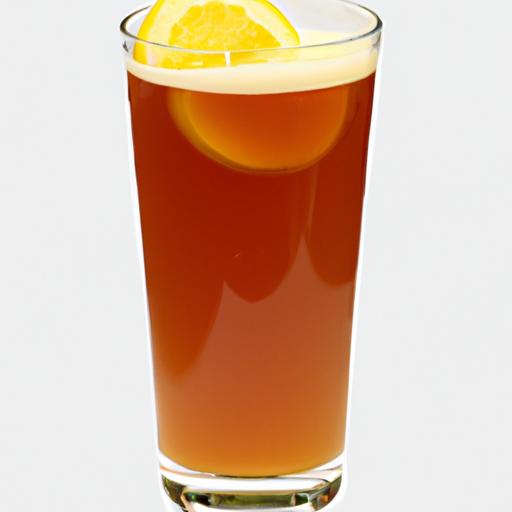
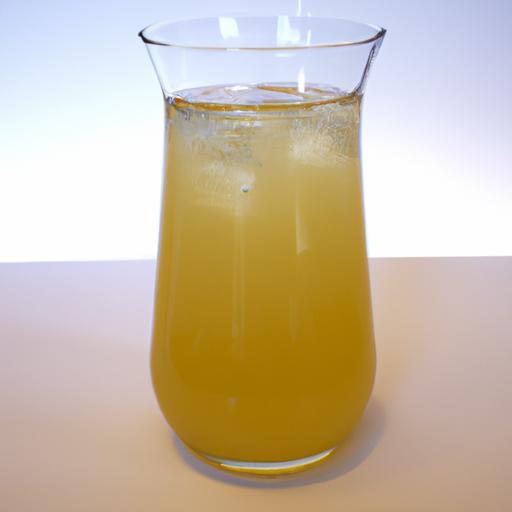
Your lively ginger bug starter is the perfect base to craft refreshing homemade sodas. Combine it with sweetened fruit juices,herbal infusions,or your favorite flavor extracts for a naturally fizzy treat.For an elevated presentation,serve chilled in a tall glass with ice,garnished with fresh mint leaves,a twist of lemon peel,or thin ginger slices to highlight its zesty character. Share this effervescent delight with friends for celebrations or as a healthy choice to commercial sodas.
| Nutritional Info (per 100ml starter) | Amount |
|---|---|
| Calories | 25 kcal |
| Protein | 0.2 g |
| Carbohydrates | 6 g |
| Fat | 0 g |
Discover more natural fermentation tips in our Homemade Fermented Drinks Guide. Learn the science behind fermentation processes at Science daily.

Q&A
Q&A: Fizz Up Your Brew – Crafting Ginger Bug for Homemade Soda
Q1: What exactly is a ginger bug, and why should I care?
A1: Think of a ginger bug as the bubbly little wizard that transforms plain water and sugar into sparkling homemade soda magic. It’s a natural culture of wild yeasts and kind bacteria thriving on fresh ginger, sugar, and water. This lively symbiotic starter ferments your brew, creating effervescent, probiotic-rich soda that’s both delicious and alive with healthful goodness.
Q2: How do I make my own ginger bug from scratch?
A2: It’s surprisingly simple! Combine fresh grated ginger (with the skin for an extra wild yeast boost), sugar, and filtered water in a jar. Stir daily, feeding it more ginger and sugar for about a week. Within days, you’ll see bubbly activity heralding your bug’s awakening. This bubbly beast is now ready to ferment your soda base into a sparkling masterpiece!
Q3: What’s the science behind the fizz?
A3: That delightful sparkle comes from live cultures-wild yeast and lactic acid bacteria-that gobble up sugar and release carbon dioxide (the fizzy gas) and organic acids.The yeasts also add subtle fruity notes,while bacteria contribute a gentle tang. This natural fermentation process not only carbonates your drink but also packs in probiotics to support gut health.
Q4: What kinds of flavors can I create using a ginger bug?
A4: The flavor universe is your oyster! Beyond classic ginger soda, experiment by fermenting fruit juices-think tart cherry, citrus, or berry blends-or herbal infusions like hibiscus, lavender, or mint. Your ginger bug is a versatile starter that breathes bubbly life into any sugary liquid, allowing endless creative soda fusions.
Q5: How do I know when my ginger bug is ready to use?
A5: Look for vigorous bubbling on the surface and a pleasantly tangy, slightly yeasty aroma-think of a fresh ginger spice market with a twist of citrus. The bug should be lively and active, usually within 5-7 days. If it smells off or develops mold, it’s time to start fresh.
Q6: Can I keep my ginger bug alive long-term?
A6: Absolutely! Ginger bugs are like pets-feed them regularly with sugar and ginger, keep them at room temperature, and they’ll stay bubbly for months. If you need a break, store it in the fridge and feed it weekly. Revive with fresh feedings before your next soda adventure.
Q7: are there any safety tips or pitfalls to watch for?
A7: Safety is key in fermentation! Use clean jars and utensils to avoid unwanted invaders. Always use filtered water to prevent chlorine’s yeast-killing effects. If your bug ever develops fuzzy mold or a foul smell, discard it and start anew. Remember, a happy ginger bug is a clean, bubbly ginger bug!
Q8: How do I use my ginger bug to make soda?
A8: Once your bug is bubbling merrily, mix a portion of the bug along with sweetened juice or herbal tea in a sealed bottle. Let it ferment for 1-3 days at room temperature, carefully monitoring pressure to prevent explosions. Then chill, pry open slowly, and enjoy your homemade sparkling, probiotic soda!
Q9: Why choose a ginger bug over commercial yeast or soda bases?
A9: Unlike commercial yeast, ginger bugs harness wild, natural microbes that create complex, layered flavors and health benefits. You control the sweetness,ingredients,and carbonation level,crafting truly artisanal soda. Plus, it’s a zero-waste, kitchen-crafted approach to fizzy refreshment that’s as much an experience as a drink.
Q10: Where can I learn more or troubleshoot my ginger bug journey?
A10: Dive into fermentation communities online,follow expert fermenters on social media,and explore books dedicated to wild ferments and natural sodas. Experimentation is part of the fun-each batch brings you closer to your perfect fizz! Cheers to bubbling up your brew and crafting soda with soul.
in Retrospect
As your ginger bug bubbles with lively fizz and tang, you’ve unlocked the gateway to a world of effervescent possibilities. Crafting this humble starter not only connects you to a time-honored tradition but also invites endless creativity into your homemade soda creations. With a little patience and a sprinkle of curiosity, your kitchen transforms into a mini-brewery where each fizzy sip tells a story of natural fermentation and vibrant flavor. So go ahead-fizz up your brew, experiment boldly, and savor the sparkling magic that only a handcrafted ginger bug can bring to your glass. Cheers to the art of homemade soda and the joyful journey of fermentation!