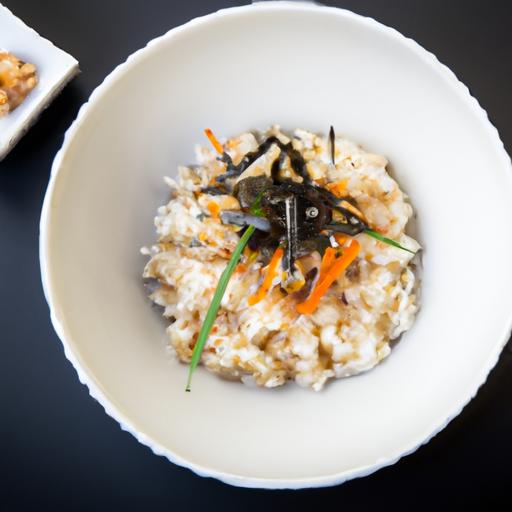

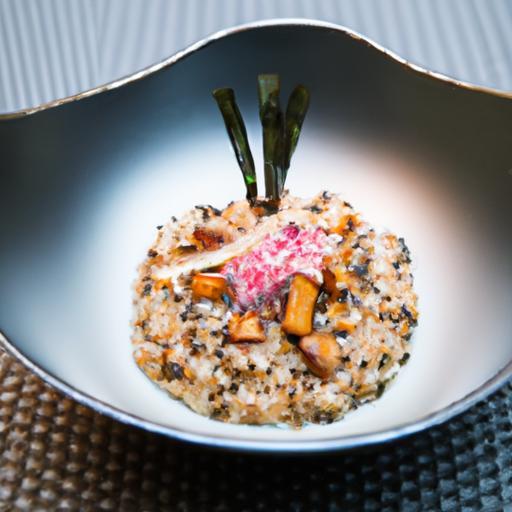
In the vast tapestry of Japanese cuisine, few dishes capture the essence of comfort and tradition quite like takikomi gohan-a harmonious medley of rice infused with seasonal ingredients and rich umami flavors. Among its many variations, hijiki rice stands out as a captivating treasure, weaving the earthy, subtly sweet notes of hijiki seaweed into every tender grain. Unlocking the flavors of hijiki rice is not just a culinary journey but an invitation to explore the delicate balance of taste, texture, and nourishment that defines this humble yet exquisite dish. Join us as we delve into the art and soul of hijiki takikomi gohan, uncovering the secrets behind its preparation and the cultural stories it carries from ocean to table.
Unlocking the flavors of hijiki rice begins with understanding the delicate balance that transforms simple ingredients into a heartwarming bowl of takikomi gohan. This beloved Japanese dish, infused with tender hijiki seaweed and savory seasonings, offers both nutritional richness and a comforting umami depth that elevates everyday rice. Drawing from centuries-old culinary traditions, this recipe invites you to savor the perfect marriage of textures and tastes, making it an essential staple for any home cook passionate about authentic Japanese cuisine.
Prep and Cook time
- Preparation: 20 minutes (including soaking hijiki)
- Cooking: 35 minutes
- Total: 55 minutes
Yield
- Serves 4 generously
Difficulty Level
- Medium – perfect for those familiar with rice cooker techniques or pleasant with stovetop rice preparation
Essential Ingredients for an Authentic Takikomi Gohan Experience
- 1 cup Japanese short-grain rice, rinsed thoroughly for fluffiness
- 2 tablespoons dried hijiki seaweed, soaked in water for 30 minutes
- 1 small carrot, julienned
- 3 shiitake mushrooms, thinly sliced (fresh or rehydrated dried)
- 1/2 block konnyaku (konjac), cut into thin slices (optional for texture)
- 2 tablespoons soy sauce (preferably low sodium)
- 1 tablespoon mirin for a subtle sweetness
- 1 tablespoon sake to enhance aroma (optional)
- 1 teaspoon sugar to balance savory notes
- 1 1/4 cups dashi stock or substitute with light vegetable broth
- 1 tablespoon toasted sesame oil for a fragrant finish
Step by Step Guide to Perfectly Cooking Hijiki Rice
- Rinse the rice under cold water until the water runs clear to remove excess starch. Drain well and set aside.
- Soak the hijiki in a small bowl with warm water for about 30 minutes, then drain and lightly squeeze to remove excess water.
- Prepare your vegetables: julienne the carrot, slice shiitake mushrooms thinly, and if using, slice konnyaku finely to ensure even cooking.
- Combine rice and dashi stock in a rice cooker or a heavy-bottomed pot. Add soy sauce,mirin,sake,and sugar. Stir gently to mix the seasonings evenly without damaging rice grains.
- Add hijiki, carrots, shiitake, and konnyaku on top of the rice-do not mix; layering helps even infusion of flavors during cooking.
- Cook the rice according to your rice cooker’s takikomi gohan setting or bring the pot to a boil, then reduce heat to low, cover tightly and simmer for 15-18 minutes until liquid is absorbed.
- Let it rest covered off the heat for 10 minutes to allow steam to finish softening the ingredients and develop aromatic depth.
- Drizzle toasted sesame oil over the top and gently fluff the rice with a rice paddle or wooden spatula to evenly distribute hijiki and vegetables.
creative Variations to Elevate Your Hijiki Rice Dish
Onc you master the basic harmony of this classic takikomi gohan, experiment by adding proteins such as diced chicken, tofu cubes, or even edamame for a protein boost. For an umami twist, a small handful of toasted nori flakes or a scattering of toasted white sesame seeds on top adds crunch and visual appeal. Incorporate seasonal vegetables like bamboo shoots or snap peas to brighten colors and textures, making the dish instantly festive and diverse.
Tips for Success
- Use fresh dashi stock for authentic umami depth-a homemade kombu and bonito broth truly unlocks the flavors of hijiki rice.
- Don’t skip soaking hijiki-this softens its texture and reduces bitterness,allowing it to meld seamlessly with the rice.
- Balance soy and sugar carefully-too much soy sauce will overpower, while sugar subtly smooths sharp edges in flavor profile.
- Fluff gently after cooking to preserve the delicate grains and prevent clumping, keeping the presentation light and inviting.
- Make ahead: This rice keeps well in the fridge for up to 2 days,and flavors deepen over time-refresh by reheating with a splash of water to restore moisture.
Serving Suggestions
Serve this hijiki rice warm in vibrant ceramic bowls. Garnish with a sprinkle of finely sliced green onions, a few toasted sesame seeds, or even pickled ginger for a tangy counterpoint.Pair it with a mild miso soup and lightly dressed seasonal greens to create a harmonious and balanced Japanese meal. For a touch of elegance, add grilled fish or tamagoyaki (Japanese rolled omelette) on the side, completing your takikomi gohan experience.

| Nutritional Info (Per Serving) | Amount |
|---|---|
| Calories | 230 kcal |
| protein | 5 g |
| Carbohydrates | 45 g |
| Fat | 3.5 g |
For more delightful Japanese rice recipes, be sure to explore our thorough guide on Japanese rice dishes.To deepen your understanding of conventional dashi, consult this official resource at Just One Cookbook.
Q&A
Q&A: Unlocking the Flavors of Hijiki Rice – A takikomi Gohan Delight
Q1: What exactly is Hijiki rice, and why is it considered special?
A1: Hijiki rice is a flavorful variety of takikomi gohan-a Japanese mixed rice dish-infused with hijiki seaweed, which lends a delicate oceanic essence and a vibrant nutritional boost. What makes it special is the harmonious blend of earthy rice grains with the slightly sweet, smoky, and mineral-rich notes of hijiki. This combination transforms a simple bowl of rice into a soulful, umami-packed experience.
Q2: How does hijiki seaweed enhance the dish beyond just flavor?
A2: Hijiki isn’t just about taste; it’s a powerhouse of nutrients. Rich in dietary fiber, iron, calcium, and magnesium, hijiki supports digestion, bone health, and overall vitality. When cooked with rice in takikomi gohan style, it releases these nutrients gently, making the dish both wholesome and deeply satisfying.
Q3: What’s the secret to perfecting hijiki rice at home?
A3: the secret lies in the preparation. first, the dried hijiki must be soaked until tender but still flavorful. Next, the rice and hijiki are cooked together with a delicate broth infused with soy sauce, mirin, and dashi-these layers bring depth and balance.Patience is key: letting the rice steam fully after cooking ensures every grain is imbued with the seaweed’s essence.
Q4: Can hijiki rice be customized for different palates?
A4: Absolutely! While hijiki rice shines in its traditional form, it’s a blank canvas inviting creativity.Add sautéed mushrooms, carrots, or chestnuts for earthiness; toss in shredded chicken or tofu for protein; or sprinkle toasted sesame seeds for a nutty crunch. Whether aiming for a vegetarian version or a heartier meal, hijiki rice adapts elegantly.
Q5: How does hijiki rice reflect Japanese culinary philosophy?
A5: This dish embodies the Japanese culinary ethos of simplicity, seasonality, and respect for ingredients. Rather than overpowering hijiki or rice, takikomi gohan lets each element speak softly but meaningfully. It’s about balance-honoring nature’s gifts by blending textures and flavors that nourish both body and soul.
Q6: Where can one find hijiki seaweed, and are there any considerations for sourcing it?
A6: Dried hijiki is typically available at Asian markets or specialty grocery stores, frequently enough in the seaweed or dried goods sections. When sourcing, look for reputable brands to ensure quality and safety, as some seaweed may contain high levels of minerals in certain regions. Organic or sustainably harvested options provide peace of mind and a richer flavor profile.
Q7: What occasions are best suited for serving hijiki rice?
A7: Hijiki rice is wonderfully versatile-it can accompany a simple weekday meal or grace the table during special family gatherings and traditional celebrations. Its comforting warmth and nutritious punch make it an ideal side dish to cleanse and elevate the palate amidst a variety of Japanese dishes.
Q8: Can hijiki rice introduce beginners to cooking Japanese cuisine?
A8: Definitely! For those new to Japanese cooking, hijiki rice offers an accessible yet authentic entry point.It requires straightforward ingredients and cooking techniques but rewards with complex flavors and cultural insight. Plus, it’s a lovely way to explore the magic of takikomi gohan without intimidation.
Unlocking the flavors of hijiki rice means savoring a timeless Japanese tradition-a marriage of sea and earth in every comforting bite. whether you’re a seasoned foodie or a curious newcomer, this dish invites you to experience the depth and grace of Japanese home cooking.
Final Thoughts
As you embark on your own culinary journey with hijiki rice, let the humble grains and seaweed tell their story-one of tradition, nutrition, and umami harmony. takikomi gohan is more than just a dish; it’s a celebration of Japan’s coastal bounty, simmered to perfection in a single pot. By unlocking the flavors of hijiki rice,you invite a vibrant,earthy depth to your table that nourishes both body and soul.So next time you seek a comforting yet adventurous meal, remember that this simple yet sophisticated delight awaits, ready to transform everyday rice into an remarkable experience.