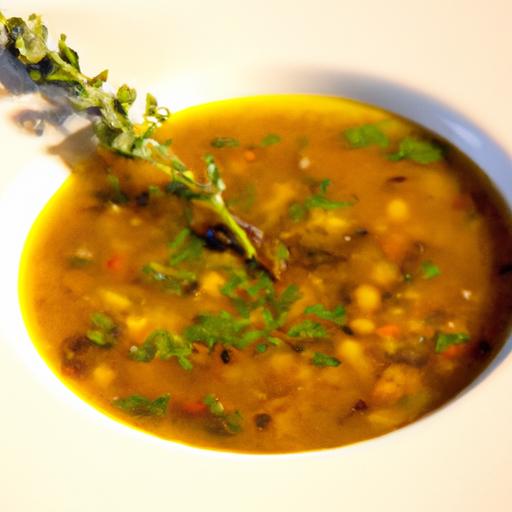

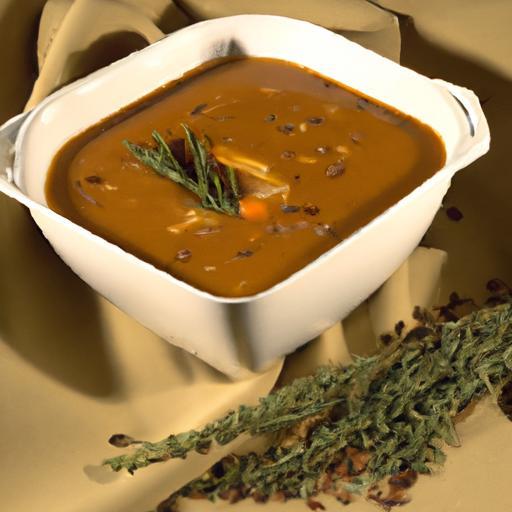
In the world of culinary traditions, few dishes evoke the warmth and wholesomeness of a humble bowl of Greek lentil soup.Yet, as global kitchens experiment and adapt, a curious phenomenon has emerged: the so-called ”fake” Greek lentil soup. What exactly makes a lentil soup authentically Greek, and how do these imitations differ? More importantly, can these variations unlock new depths of flavor rather than merely dilute tradition? Join us as we peel back the layers of history, ingredients, and cultural significance too reveal the truth behind this flavorful controversy-and discover how what some call “fake” might just be a gateway to reinventing a beloved classic.
Unlocking flavor is at the heart of every great dish, and when it comes to Greek lentil soup, the journey to authenticity reveals much more than just simple ingredients simmering in a pot. This humble, nourishing stew hails from centuries-old Mediterranean traditions where lentils symbolize sustenance and warmth. Yet, misconceptions about what makes it “authentic” and how to truly harness its vibrant aroma abound. Let’s dive deep into the heritage, myths, and time-honored techniques that define this comfort classic while inviting you to master its soul through traditional herbs and spices.
Prep and Cook Time
- Preparation: 15 minutes
- Cooking: 45 minutes
- Total Time: 1 hour
Yield
Serves 4 generous bowls
Difficulty Level
Easy – perfect for novice cooks eager to explore Greek flavors
Ingredients
- 1 cup brown or green lentils, rinsed and sorted
- 1 medium yellow onion, finely chopped
- 2 cloves garlic, minced
- 2 medium carrots, diced
- 2 tablespoons extra virgin olive oil
- 1 teaspoon dried oregano (preferably Greek oregano)
- 1 teaspoon dried thyme
- 1 bay leaf
- 1 tablespoon tomato paste
- 6 cups vegetable or chicken broth
- Juice of 1 lemon
- Salt and freshly ground black pepper, to taste
- Fresh parsley, chopped for garnish
- Optional: crushed red pepper flakes for gentle heat
Instructions
- Rinse the lentils under cold water, removing any debris. Set aside.
- Heat olive oil in a large heavy-bottomed pot over medium heat.
- Add the chopped onion and garlic, sautéing until translucent and aromatic, about 5 minutes.Stir frequently to prevent browning.
- Incorporate the diced carrots and continue to sauté until slightly softened, about 3 minutes.
- Stir in the tomato paste,cooking for another 2 minutes to deepen the flavor and coax out its natural sweetness.
- Add the rinsed lentils, bay leaf, oregano, and thyme. Toss gently to combine the fragrant herbs evenly.
- Pour in the broth and bring to a boil.
- Onc boiling, reduce the heat to low, cover partially with a lid, and let simmer for 35-40 minutes, until lentils are tender but not mushy.
- Remove the bay leaf. Season the soup with salt, pepper, and freshly squeezed lemon juice-this shining citrus note is the secret to authentic Greek flavor.
- For extra depth,add a pinch of crushed red pepper flakes if desired.
- Serve hot, garnished generously with fresh parsley and a drizzle of quality olive oil.
Tips for Success: Elevate Your Greek Lentil Soup
- Herb choice matters: Authentic Greek lentil soup shines with dried oregano and thyme, but fresh herbs can be added at the end for a vibrant finish.
- Lentil type: Brown or green lentils hold their shape best, preserving texture and flavor.Avoid red lentils here-thay break down too quickly.
- Layering flavors: Browning the tomato paste before adding broth deepens umami and balances acidity.
- Make-ahead magic: This soup tastes even better the next day as flavors meld. Reheat gently, adding a splash of broth if thickened.
- Lemon juice: Add it last to keep its fresh tang vibrant-a hallmark of Greek cooking frequently enough overlooked.
- For richness: Stir in a spoonful of greek yogurt or a drizzle of quality olive oil just before serving.
Serving Suggestions
Pair your warm bowl of Greek lentil soup with rustic whole-grain bread brushed with olive oil and a side of tangy feta salad. Garnish with freshly chopped parsley, a wedge of lemon, and a sprinkle of cracked black pepper for contrast. A drizzle of extra virgin olive oil on top adds silkiness and depth. For an authentic experience, enjoy alongside classic Greek pita bread or a glass of crisp Assyrtiko wine, which cuts through the earthiness beautifully.
| Nutrient | Per Serving |
|---|---|
| Calories | 230 kcal |
| Protein | 15 g |
| Carbohydrates | 35 g |
| Fat | 5 g |
If you want to explore more about the health benefits lentils bring plus traditional Mediterranean cooking,visit the Oldways Mediterranean Foods Alliance for trusted insights.

Q&A
Q&A: Unlocking Flavor – The Truth Behind “Fake” Greek Lentil Soup
Q1: What exactly is ”fake” Greek lentil soup?
A1: The term “fake” Greek lentil soup usually refers to versions of the traditional faki soup that stray from authentic Greek culinary methods or ingredients.Often, these are simplified or altered recipes designed to cater to convenience or local tastes, omitting key flavor-building steps or using non-traditional ingredients. While they may still be tasty, purists consider them “fake” as they lack the soul of the original.
Q2: Why do people label some lentil soups “fake”? Is it just about ingredients?
A2: It’s more than just ingredients.authentic Greek lentil soup is about technique, timing, and balance. Such as, the slow simmering of lentils with aromatics like onions, garlic, bay leaves, and a splash of red wine vinegar creates that signature tang and depth. Skipping these or substituting with shortcuts-like pre-mixed spice blends or canned broths-results in a flatter,less vibrant dish. So the “fake” label frequently enough points to missing tradition as much as missing ingredients.
Q3: Is “fake” Greek lentil soup really any less healthy or nutritious?
A3: Not necessarily! Lentils themselves are powerhouses of protein, fiber, and minerals whether the soup is “real” or “fake.” Nutritionally, both versions can be wholesome. The main difference lies in taste and authenticity,rather than health benefits. However, traditional methods may enhance nutrient absorption and create a more satisfying culinary experience.
Q4: Can ”fake” Greek lentil soup be a valid starting point for beginners?
A4: Absolutely. sometimes breaking down a complex culinary tradition into approachable first steps helps novice cooks gain confidence.A simpler version can introduce the key players-lentils, herbs, garlic-before diving into the rituals that define the classic dish. From ther, cooks can start experimenting, gradually unlocking the full depth and soul of authentic Greek lentil soup.
Q5: What are the secret ingredients or techniques that elevate a Greek lentil soup from “fake” to fabulous?
A5: The magic often lies in simplicity done well: slowly caramelizing onions to bring out sweetness, adding just the right amount of smoky paprika, using fresh lemon juice or red wine vinegar at the end for a bright tang, and simmering lentils gently to a tender consistency without turning mushy. It’s all about layering flavors patiently and respecting the ingredients’ natural qualities.
Q6: How does cultural context shape our perception of authenticity in dishes like Greek lentil soup?
A6: Food is more than sustenance; it’s identity and heritage. Authentic lentil soup reflects the land, history, and seasonality of Greece. Altering it can feel like erasing that connection. Yet cuisine is also fluid,evolving as it travels and adapts. “Fake” can sometimes be a gateway word-in reality, it’s a spectrum where respect for tradition meets creative interpretation.
Q7: Where can I find an authentic recipe for Greek lentil soup to try at home?
A7: Look for recipes from reputable Greek cookbooks or trusted food bloggers specializing in Mediterranean cuisine. Pay attention to recipes that emphasize quality lentils (brown or black), detailed aromatics, and finishing touches like lemon or vinegar.Cooking shows featuring Greek chefs or community cooking classes can also offer hands-on guidance that brings the flavors and stories to life.Q8: does it really matter if my lentil soup is “fake” or authentic?
A8: What matters most is the love and intention you put into your cooking-and the joy it brings to you and those you share it with. Authenticity preserves culture and tradition, but food is also about experimentation and personal expression. Whether “fake” or real, a warm bowl of lentil soup can nourish body and soul alike.
Final Thoughts
As we’ve uncovered, the story behind ”fake” Greek lentil soup is far richer than a simple label suggests. This humble dish, often mistaken for an imposter, instead celebrates the evolving nature of tradition-where innovation meets time-honored flavors in a delicious dance. So next time you ladle a bowl of lentils seasoned with unexpected twists, remember: unlocking flavor isn’t about strict authenticity, but about honoring heritage through taste, creativity, and an open mind. whether classic or creatively adapted, Greek lentil soup delivers a warm, nourishing experience that transcends definitions-one spoonful at a time.