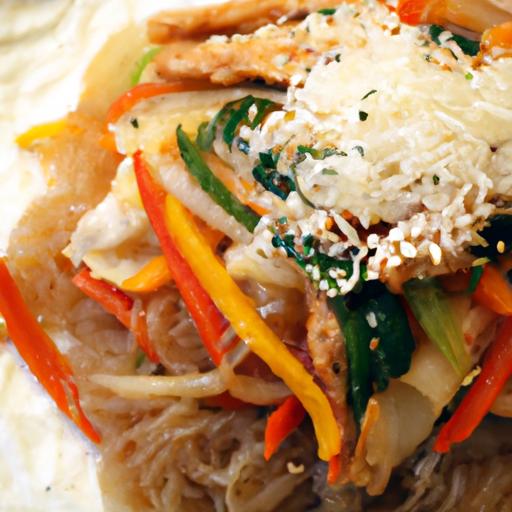

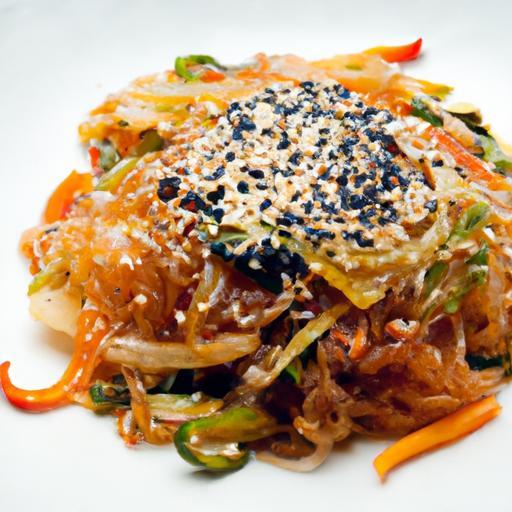
In the vibrant tapestry of Korean cuisine, Japchae shines as a dish that’s both timeless and tantalizing. This iconic glass noodle creation weaves together a symphony of textures and flavors-glossy sweet potato noodles, crisp vegetables, tender marinated beef, and a delicate touch of sesame oil-offering a bite that’s as visually stunning as it is delicious. Beyond its enticing taste, Japchae carries rich cultural significance, gracing festive tables and family gatherings alike.Join us as we unravel the story behind Japchae, exploring its origins, ingredients, and the art of crafting this beloved Korean delicacy that has captured hearts far beyond its homeland.
discovering the roots and Heart of Japchae
Japchae, korea’s celebrated glass noodle dish, is far more than a feast for the eyes and palate; it is a culinary symbol deeply interwoven with cultural heritage and festivity. Originating from the royal court of the Joseon Dynasty, this dish was once a luxurious treat reserved for special occasions and revered guests. The translucent sweet potato noodles, combined harmoniously with sautéed vegetables and savory beef, embody a balance of flavors and textures that tell stories of Korean tradition and seasonal abundance.
As a food stylist and longtime lover of Korean cuisine, I’ve always found majestic beauty in how Japchae playfully combines vibrant colors and natural ingredients. Each strand of noodle glistens with a subtle sheen,reflecting the meticulous care put into achieving its unique silkiness.This dish’s appeal lies not only in its taste but in its ability to bridge generations and celebrations – from ancestral rites to modern-day parties,Japchae is a beloved symbol of togetherness and joy.
Prep and Cook Time
- Readiness: 20 minutes
- Cooking: 15 minutes
- Total Time: 35 minutes
Yield
Serves 4 as a main dish or 6 as a side.
Difficulty Level
Medium – Perfect for home cooks familiar with stir-frying and prepping multiple components.
Mastering the Art of Japchae: Essential Ingredients and Techniques
- 200g sweet potato glass noodles (dangmyeon)
- 150g beef sirloin,thinly sliced
- 3 tbsp soy sauce,low sodium preferred
- 1 tbsp sugar
- 3 cloves garlic,minced
- 1 medium carrot,julienned
- 1 small onion,thinly sliced
- 100g spinach,blanched and drained
- 4 shiitake mushrooms,rehydrated and thinly sliced
- 2 scallions,finely chopped
- 2 tbsp sesame oil
- 2 tbsp toasted sesame seeds
- Salt and black pepper to taste
- Vegetable oil for stir-frying
Instructions
- Prepare the noodles: Soak the sweet potato noodles in warm water for 20 minutes until softened. Drain well and set aside.
- Marinate the beef: Combine half of the soy sauce, minced garlic, 1 tsp sugar, and a pinch of black pepper in a bowl. Add the beef slices and let marinate for at least 10 minutes.
- Sauté vegetables separately: Heat 1 tbsp vegetable oil in a large pan over medium heat. Stir-fry carrots until slightly softened, about 3 minutes. Remove and set aside. Repeat with onions, shiitake mushrooms, and spinach, seasoning lightly with salt during cooking.
- cook the beef: In the same pan, add a little oil if needed. Stir-fry the marinated beef until browned and cooked through,approximately 4-5 minutes. Remove from pan.
- Stir-fry the noodles: Add the soaked noodles to the pan with 2 tbsp soy sauce,1 tbsp sugar,and 1 tbsp sesame oil. Toss gently for about 3 minutes, ensuring noodles absorb the sauce and turn glossy.
- Combine all ingredients: Return the beef and vegetables to the pan with noodles. toss everything together carefully to avoid breaking the noodles.
- Final seasoning: Drizzle the remaining sesame oil, adjust salt or pepper to taste, and sprinkle toasted sesame seeds and chopped scallions over the top.
- Serve instantly: Transfer to a large serving plate to showcase the vibrant colors and glossy textures.
Flavor Harmonies in Japchae: Balancing Sweet, Savory, and Umami
Japchae is a masterclass in flavor balance, where the sweetness from sugar and carrots meets the umami depth of soy sauce and shiitake mushrooms.The tender sweetness of beef contrasts beautifully with the nutty aroma of toasted sesame oil, while the subtle seasoning lets each ingredient shine without overpowering.This harmony is further highlighted by the springy glass noodles that soak up the savory sauce yet retain a delightfully chewy bite.
Paying close attention to seasoning levels is essential – its best to taste your sauce gradually and adjust incrementally. too much soy sauce can overwhelm the vibrant vegetables; too little sugar may leave the dish flat.The key is finesse, blending every layer into a seamless, mouthwatering experience.
Creative Twists and Serving Suggestions for Modern Japchae
While traditional Japchae remains a crowd-pleaser, experimenting with modern twists can elevate the dish for contemporary palates. Try swapping beef for tofu or seitan to create a vegetarian-friendly version bursting with smoky grilled flavors. Incorporate vibrant bell peppers or zucchini for added crunch and color variation.
For an elegant presentation, serve Japchae in individual lettuce cups or atop a bed of steamed rice mixed with toasted sesame seeds. Garnishing with thinly sliced red chili peppers or edible flowers adds a captivating contrast and a gentle heat that livens up the palate.
Consider pairing Japchae with traditional Korean side dishes like kimchi or pickled radish for balance and authenticity. For an extensive understanding of glass noodles’ versatility, explore The Spruce Eats’ guide on Korean glass noodle recipes.
Tips for Success
- Use sweet potato noodles specifically; they yield the ideal chewiness and transparency for authentic japchae.
- soak noodles properly before cooking to ensure tenderness without over-softening.
- Cook each vegetable separately to retain distinct textures and vibrant colors.
- Adjust seasoning thoughtfully – you can always add more soy sauce but cannot remove excess saltiness once combined.
- Make Japchae ahead of time? Toss noodles with sesame oil to prevent sticking, refrigerate, and gently reheat in a skillet with a splash of water or broth.
- For a gluten-free version, substitute soy sauce with tamari.
Serving Suggestions
Presented on a large platter, Japchae’s kaleidoscopic colors are a celebration in themselves. Garnish with freshly toasted sesame seeds and finely chopped green onions for an inviting finish. It pairs wonderfully with steamed white rice or as a banchan (side dish) to Korean BBQ.
For special occasions, serve Japchae alongside Bulgogi or homemade kimchi, letting the sweet and savory noodles complement the smoky and spicy notes of Korean cuisine’s other staples.

| Nutrient | Per Serving |
|---|---|
| Calories | 280 kcal |
| Protein | 15 g |
| Carbohydrates | 38 g |
| Fat | 7 g |
Q&A
Q&A: Japchae Unveiled – Exploring korea’s Iconic Glass Noodle Dish
Q1: What exactly is Japchae?
A: japchae is a beloved Korean dish featuring stir-fried glass noodles made from sweet potato starch, tossed with a colorful medley of vegetables, tender meat (frequently enough beef), and seasoned with savory soy sauce and a hint of sesame oil. It’s a harmonious blend of texture, flavor, and color that has captured hearts both in Korea and around the world.
Q2: Why are the noodles in Japchae called “glass noodles”?
A: The noodles are frequently enough referred to as “glass noodles” as when they’re cooked, they become translucent and shiny, resembling delicate strands of glass.Made primarily from sweet potato starch, their unique chewy texture sets them apart from typical wheat or rice noodles.
Q3: Is Japchae traditionally served hot or cold?
A: Japchae is wonderfully versatile-it can be served warm as a comforting main dish or at room temperature as a side dish or appetizer.In Korean celebrations, it often graces the table alongside other dishes, showcasing its adaptability and global appeal.
Q4: What’s the past significance of Japchae in Korean culture?
A: Japchae dates back to the 17th century during the Joseon Dynasty, originally enjoyed at royal court banquets. As it was labor-intensive to prepare, it was considered a special dish reserved for celebrations and critically importent events, symbolizing abundance and good fortune.
Q5: Can Japchae be made vegetarian or vegan?
A: Absolutely! While traditional Japchae includes beef or sometimes other meats, vegetarian and vegan versions are popular and just as delicious.Using mushrooms, tofu, or extra veggies in place of meat still captures the dish’s essence-bold flavors, varied textures, and vibrant colors.
Q6: What makes Japchae’s flavor profile so distinctive?
A: Japchae’s magic lies in its balance. The sweet potato noodles provide a subtle chew, the savory soy sauce and sesame oil lend umami richness, and the crisp, fresh vegetables add bursts of brightness. A touch of sugar and garlic rounds everything out,creating a symphony of sweet,salty,and nutty notes.
Q7: how do home cooks master the perfect Japchae?
A: The secret is in preparation and timing! Each ingredient is cooked separately to preserve its individual texture and flavor, then combined gently with the noodles to avoid mushiness. Attention to detail-like soaking noodles just enough and slicing vegetables thinly-elevates homemade Japchae from good to unforgettable.
Q8: Where can one enjoy authentic Japchae outside Korea?
A: Japchae’s rising global popularity means you’re likely to find it in many Korean restaurants worldwide,from bustling cities to cozy neighborhood spots. Additionally, its approachable ingredients and straightforward technique make it a favorite pick for adventurous home cooks eager to explore Korean flavors.
Q9: How does Japchae fit into modern Korean cuisine?
A: While Japchae remains a traditional favorite, contemporary chefs are reimagining it by experimenting with fusion ingredients, gluten-free noodles, and creative presentations. This ongoing evolution keeps Japchae vibrant and relevant, bridging Korea’s rich culinary past with today’s dynamic food culture.
Q10: What’s the best way to enjoy Japchae?
A: Whether at a festive celebration or a casual family dinner, japchae shines when shared.Pair it with other Korean staples like kimchi or bulgogi for a full-flavored experience. And don’t forget to savor the colors, textures, and layered flavors-a true feast for all the senses!
Future Outlook
As the glossy strands of japchae twirl gracefully on our forks, they carry with them centuries of Korean heritage-each bite a harmonious blend of textures, colors, and flavors that speak to both tradition and innovation. From humble palace beginnings to bustling street markets, japchae remains a vibrant testament to Korea’s culinary artistry. Whether you’re savoring it as a festive celebration or a comforting everyday meal, this iconic glass noodle dish invites us all to explore the rich tapestry of Korea’s food culture, one delectable mouthful at a time. So next time you crave something both familiar and fresh, let japchae unfurl its story on your palate-and experience a truly timeless taste of Korea.