
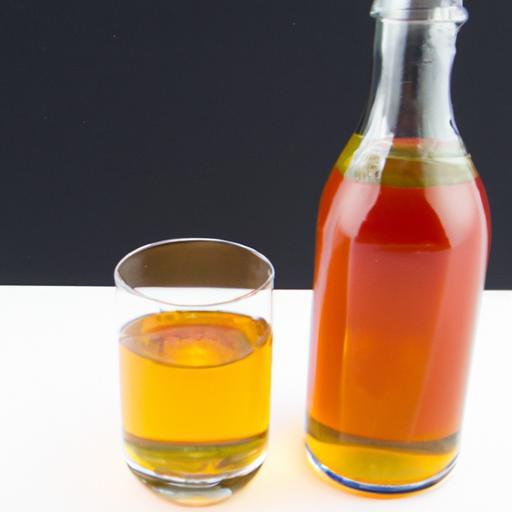
In a world overflowing with countless beverage options, kombucha stands out as a fizzy, tangy elixir that’s captured the hearts of health enthusiasts and flavor seekers alike.But why settle for store-bought when you can embark on a bubbling adventure right in your own kitchen? Brewing your own kombucha is not only a fun and rewarding process-it’s a doorway to customizing flavors, deepening your connection to natural fermentation, and embracing a healthier lifestyle.In this simple guide,we’ll demystify the art of making homemade kombucha,turning what may seem like a mystical potion into an accessible and enjoyable ritual. So, gather your jars and cultures, and let’s raise a glass to crafting your very own fizzy, probiotic-packed masterpiece.
Gathering Your Ingredients and Equipment for Perfect Kombucha
Brew Your Own: A Simple Guide to Homemade kombucha Tea begins with assembling the freshest ingredients and the right tools to harmonize wild fermentation into a bright, effervescent elixir. Originating centuries ago in East Asia, kombucha offers an enchanting alchemy of tangy sweetness and gentle fizz that refreshes body and soul alike.Whether you’re a curious beginner or a fermentation aficionado, setting the stage with quality components will elevate your homemade kombucha into a delightful artisan creation.
Prep and Brew Time
- Initial Brew (fermentation): 7-10 days
- Secondary Fermentation (Flavoring & Fizz): 2-4 days
- Total Active prep Time: 30 minutes
Yield
Approximately 1 gallon (3.8 liters) of kombucha - roughly 8 standard 12-oz servings.
difficulty Level
Easy to Medium – Perfect for those willing to embrace patience and keen observation.
Ingredients
- 8 cups filtered water (chlorine-free)
- 1 cup organic granulated sugar
- 4 bags black or green tea (or 1 tablespoon loose-leaf)
- 1 cup unflavored, unpasteurized store-bought kombucha (starter liquid)
- 1 SCOBY (Symbiotic culture of Bacteria and Yeast)
- Optional flavorings: fresh ginger, fruit purees, herbs, or dried flowers
Equipment
- 1-gallon glass jar (wide-mouth preferred)
- Clean cloth or coffee filter and rubber band
- Non-metal stirring utensil (wooden or plastic)
- Measuring cups and spoons
- Bottles with airtight lids for secondary fermentation (glass swing-tops recommended)
- Funnel and fine strainer (for bottling)
Instructions
- Boil 8 cups filtered water. Once boiling, remove from heat and stir in 1 cup of sugar until fully dissolved. This sweet base will fuel your SCOBY’s fermentation.
- Steep the tea bags in the hot water for 10-15 minutes, ensuring a robust infusion full of tannins and nutrients. Remove tea bags and allow the tea to cool completely to room temperature. Hot tea can damage the SCOBY.
- Transfer cooled sweet tea to your clean glass jar. Pour in 1 cup of starter kombucha to acidify the brew and prevent unwanted bacteria.
- Gently place your SCOBY atop the liquid. It may float or sink - both are normal.
- Cover the jar with a breathable cloth or coffee filter secured with a rubber band. This allows air but keeps dust and insects out.
- Place the jar in a warm, dark spot (70-85°F/21-29°C) free from direct sunlight. Patience is key - ferment undisturbed for 7 to 10 days.
- After primary fermentation, taste your kombucha. It should be tangy and slightly sweet. When balanced to your liking, remove the SCOBY, reserving 1 cup of the batch as starter liquid for your next brew.
- Flavor your kombucha with fresh herbs, fruit juices, ginger, or spices. Experiment by adding these to bottles for a secondary fermentation that naturally carbonates your brew.
- Bottle the flavored kombucha using a funnel and strainer to remove solids. seal bottles tightly and store in a warm place for 2-4 days to build fizz.
- Refrigerate your kombucha to slow fermentation and enjoy chilled-a refreshing burst of bubbly goodness.
Tips for Success
- Use high-quality, organic tea and sugar. avoid herbal teas that lack tannins necessary for SCOBY health.
- Water matters greatly. Chlorine or chloramine in tap water can inhibit fermentation-opt for filtered or spring water.
- Temperature is crucial. Too cool, and fermentation stalls; too warm (>85°F) can stress your culture.
- Keep all equipment spotless. sanitize jars and utensils to avoid contamination.
- Never use metal utensils or containers for SCOBY contact, as they can react adversely.
- Discard any kombucha with mold, off smells, or unusual colors. Healthy fermentation smells tart and slightly vinegary.
- Make-ahead tip: You can brew multiple batches simultaneously once you’re cozy.
Serving Suggestions
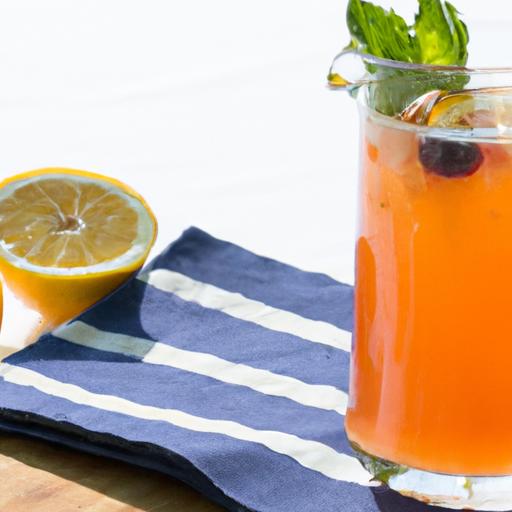
Serve your homemade kombucha chilled in tall glasses garnished with thinly sliced fresh lemon, cucumber ribbons, or a sprig of mint to highlight its nuanced flavors and crisp bubbles.For a festive twist, mix with a splash of sparkling water or use kombucha as a vibrant base for botanical mocktails and cocktails.

| Nutrient | Per 8 oz Serving |
|---|---|
| Calories | 30-50 |
| Protein | 0.1 g |
| Carbohydrates | 7-10 g (mostly sugars) |
| Fat | 0 g |
For a deeper dive into fermentation techniques and advanced flavoring tips, explore our detailed Fermentation Basics Guide. Also, for scientific insights into kombucha’s health benefits, visit this resource from NCBI.
Q&A
Q&A: Brew Your Own – A Simple Guide to Homemade Kombucha Tea
Q1: What exactly is kombucha, and why should I care?
A1: Kombucha is a sparkling, tangy fermented tea brewed with a SCOBY-a symbiotic culture of bacteria and yeast. Think of it as a living tea party in a jar, bubbling with probiotics that may aid digestion, boost your gut health, and delight your taste buds. Brewing your own puts you in the driver’s seat of flavor and fizz!
Q2: What do I need to get started with homemade kombucha?
A2: The essentials include:
- A SCOBY (your bubbling buddy)
- Sweet tea (usually black or green tea sweetened with sugar)
- A glass jar (wide-mouth works best)
- A breathable cloth or coffee filter to cover the jar
- Patience and a bit of curiosity!
Bonus points for a thermometer and pH strips if you want to get scientific.
Q3: How do I make kombucha at home in simple steps?
A3: The process is elegant in its simplicity:
- Brew sweet tea and let it cool to room temperature.
- Place the SCOBY and some starter kombucha (from a previous batch or store-bought) into the tea.
- Cover the jar with your cloth, secure it, and place it in a warm, dark spot.
- Let it ferment for 7-14 days, tasting periodically until you find your perfect balance of sweet and tart.
- Bottle the kombucha,add flavors if you like (ginger,berries,herbs),and let it fizz for a couple more days before refrigeration.
Q4: What does the SCOBY actually do?
A4: The SCOBY is kombucha’s engine. It consumes the sugar in the tea and converts it into a mix of vinegar,acids,bubbles,and probiotics. It’s a living pancake-like biofilm that keeps your brew balanced and alive-kind of like the yeast in bread, but cooler and more mysterious.
Q5: Is homemade kombucha safe? How do I avoid contamination?
A5: When prepared with clean equipment and proper hygiene, kombucha is safe to brew at home. Avoid metal containers (they can react negatively), always use non-chlorinated water, and keep your hands and utensils clean. if your brew smells off (like rotten eggs) or grows fuzzy mold, it’s time to toss and start fresh.
Q6: Can I customize the flavor?
A6: Absolutely! After the initial fermentation, add all sorts of fruits, herbs, spices, or juices to the bottles for a second ferment. Think ginger-lemon zing, hibiscus floral notes, or tangy raspberry bursts. The world of kombucha flavoring is your oyster… or should we say SCOBY?
Q7: How long does homemade kombucha last?
A7: Refrigerated bottles typically stay fizzy and fresh for up to a month. Keep an eye on pressure buildup in sealed bottles-burp them regularly to avoid any kitchen kombucha volcanoes.
Q8: What are some common pitfalls for beginners?
A8: Watch out for:
- Brewing in direct sunlight or too cold/too hot spots-your SCOBY prefers steady, cozy conditions around 70-80°F (21-27°C).
- Using flavored teas with oils (like Earl Gray) that can harm your SCOBY. Stick to plain black or green teas.
- Using honey rather of sugar-honey can inhibit fermentation.
Remember, each batch is a learning adventure!
Brew your own kombucha, and you’ll soon discover that this ancient elixir is as much a ritual as it is a refreshing, healthful beverage. Happy fermenting!
Future Outlook
As you embark on your kombucha brewing journey, remember that every batch is a unique experiment-a dance between nature and nurture. With patience, a touch of curiosity, and the simple steps outlined here, your kitchen can transform into a bubbling laboratory of health and flavor. so gather your SCOBY, sweeten your tea, and let fermentation work its magic. Soon enough, you’ll be savoring the effervescent rewards of your very own homemade kombucha-crafted by you, enjoyed by you, and shared with those who appreciate the art of living probiotic. Cheers to brewing wellness, one bottle at a time!