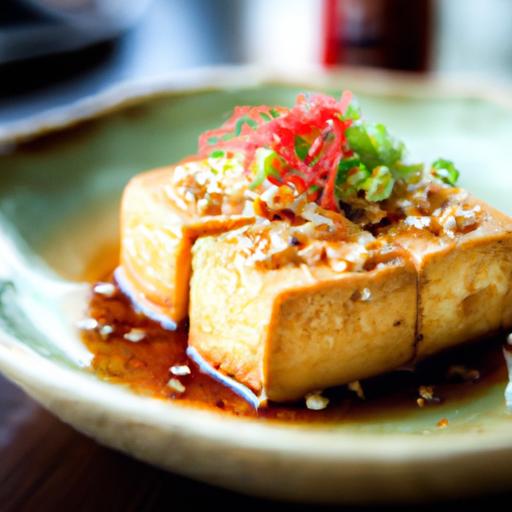

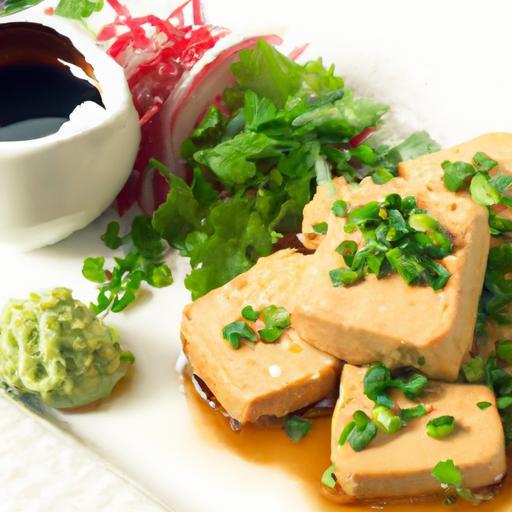
In the world of Japanese cuisine, where simplicity meets sophistication, Agedashi Tofu stands out as a beloved classic that captivates the senses with its delicate balance of textures and flavors. Imagine biting into a golden, crispy exterior that gives way to a silky, tender tofu center, all generously bathed in a warm, savory dashi-based sauce.This humble dish, often enjoyed as an appetizer or comfort food, offers a perfect harmony between crunch and smoothness, subtle umami notes, and a hint of sweetness. Join us as we explore the origins, planning, and cultural significance of Agedashi Tofu-a dish that transforms plain soy curd into an irresistible culinary delight.
agedashi Tofu is a beloved Japanese classic, renowned for its irresistible contrast between a crunchy, golden exterior and a silken, delicate interior, all drenched in a deeply savory dashi-based sauce. This dish embodies the harmony of simplicity and sophistication, where every bite delivers umami-packed warmth. Perfect for any season, Agedashi Tofu offers a delightful introduction to Japanese comfort food, showcasing tofuS versatility at its finest. whether you’re a seasoned cook or a curious beginner, mastering this recipe will elevate your culinary skills and enrich your dining experiance.
Prep and Cook Time
- Preparation: 15 minutes
- Cooking: 15 minutes
- total Time: 30 minutes
Yield
Serves 4 as an appetizer or light entrée
Difficulty Level
Medium – Requires attention to frying technique and sauce balance
Ingredients
- 400g firm tofu (preferably agedashi-style or medium-firm)
- 1/2 cup potato starch or cornstarch (for coating)
- 1 cup dashi stock (homemade or store-bought)
- 3 tbsp soy sauce (preferably Japanese light soy sauce)
- 2 tbsp mirin
- 1 tbsp sake
- Vegetable oil for deep frying
- 2 tbsp finely grated daikon radish
- 2 tbsp chopped scallions
- 1 tbsp bonito flakes (katsuobushi), optional but recommended
- Shredded nori (seaweed) for garnish, optional
Instructions
- Prepare the tofu: Drain the tofu well by wrapping it in a clean kitchen towel and placing a weight on top for 10-15 minutes. This step is crucial to remove excess moisture and ensure crispiness.
- Cut the tofu: Slice the drained tofu into 2-inch cubes. Handle gently to prevent breakage but firmly enough to keep shape.
- Coat the tofu: Lightly dust each tofu cube in potato starch or cornstarch, shaking off any excess. This coating creates the signature crispy crust that contrasts beautifully with the soft tofu interior.
- Heat the oil: Pour vegetable oil into a heavy-bottomed pan or deep fryer until it’s about 2 inches deep. Heat oil to 170-180°C (340-360°F), ideal for crisp frying without burning.
- Fry the tofu: Carefully add tofu cubes in batches, frying until golden and crispy, about 3-4 minutes. Turn occasionally for even browning. Remove and drain on paper towels.
- Make the sauce: In a small saucepan, combine dashi stock, soy sauce, mirin, and sake. Bring to a gentle simmer over medium heat and cook for 2-3 minutes to meld flavors. Keep warm.
- Assemble the dish: Place tofu cubes in shallow bowls. Pour warm sauce over the tofu, allowing some to soak at the bottom.
- Garnish: Top with grated daikon, chopped scallions, bonito flakes, and shredded nori.These elements add freshness, texture, and an umami burst.
- Serve immediately: Enjoy while the tofu retains its crispy crust and rich sauce balances the delicate interiors.
Chef’s Notes
- Choosing tofu: Firm or medium-firm tofu works best. Silken tofu is too delicate and won’t hold up to frying. Pressing removes unwanted water, a key step for crispiness.
- Potato starch vs.cornstarch: Potato starch yields a lighter, more delicate crust. Cornstarch delivers a crisper, more robust exterior. Feel free to experiment!
- Make-ahead tip: Prepare tofu and sauce separately. Fry tofu just before serving to keep it crunchy.
- Sauce variations: Enhance with a splash of rice vinegar or a teaspoon of dashi powder if dashi stock is unavailable.
- Option garnishes: Try grated ginger, thinly sliced shiso leaves, or a sprinkle of toasted sesame seeds for creative twists.
Serving Suggestions
Serve Agedashi Tofu as a tantalizing starter paired with steamed jasmine rice and a light miso soup for a balanced meal. The interplay of textures and flavors makes this dish perfect for sharing. For a modern presentation, arrange tofu cubes on a square plate, drizzle sauce artistically, and finish with microgreens or edible flowers to elevate visual appeal.

Nutritional Information
| Nutrient | Per Serving (4 servings) |
|---|---|
| Calories | 220 kcal |
| Protein | 14 g |
| Carbohydrates | 12 g |
| Fat | 11 g |
For further inspiration,explore our Japanese classics Recipes or visit Just One Cookbook’s guide on Agedashi Tofu for a customary take on this exquisite dish.
Q&A
Q&A: agedashi tofu – crispy Delight in Savory Japanese Sauce
Q1: What exactly is Agedashi Tofu?
A1: Agedashi Tofu is a beloved Japanese dish featuring silky soft tofu, lightly dusted with potato starch or cornstarch, then deep-fried until it achieves a perfectly crisp, golden exterior. It’s traditionally served swimming in a warm, savory dashi-based sauce that enhances its subtle flavour, creating a comforting harmony of textures and tastes.
Q2: How does Agedashi Tofu differ from regular tofu dishes?
A2: Unlike many tofu preparations that focus on the soft texture alone, Agedashi Tofu celebrates contrast-the crunchy crust against the tender inside.The signature step of frying the tofu and serving it in a delicate broth distinguishes it from steamed, boiled, or simply stir-fried tofu, making it a dish that’s both texturally exciting and richly flavorful.
Q3: What is the sauce made of, and why is it essential?
A3: The sauce, known as “tsuyu,” generally consists of dashi (a Japanese stock made from kombu seaweed and bonito flakes), soy sauce, and mirin (a sweet rice wine). This umami-packed broth complements the mild tofu, adding depth and warmth.It’s essential as it brings balance-moistening the crispy tofu, infusing it with savory notes, and tying the dish together like a symphony of flavors.Q4: Can Agedashi Tofu be enjoyed by vegetarians or vegans?
A4: Traditional Agedashi Tofu uses dashi made from bonito flakes (fish), so it’s not strictly vegetarian or vegan. Though, vegetarian/vegan variations use kombu and shiitake mushroom dashi to replicate the umami essence without animal products, making this delightful dish accessible to plant-based diners as well.
Q5: Is Agedashi Tofu challenging to make at home?
A5: Surprisingly, it’s quite approachable! The key lies in handling the tofu gently to prevent crumbling, ensuring the coating is even, and maintaining the right oil temperature for frying-hot enough to crisp without absorbing excess oil. The sauce is swift to assemble. with a bit of care, you can recreate this restaurant favorite in your own kitchen.
Q6: What makes Agedashi Tofu a favorite in Japanese cuisine?
A6: Its appeal lies in simplicity elevated to art. The juxtaposition of crispy and silky textures, coupled with the deeply satisfying savory broth, makes it a comfort food that appeals to all ages.It’s often enjoyed as an appetizer or side dish, embodying the Japanese culinary philosophy of highlighting natural flavors and textures with thoughtful technique.
Q7: Can Agedashi Tofu be customized?
A7: Absolutely! Some variations include toppings like grated daikon radish, chopped green onions, bonito flakes, or grated ginger, each adding layers of flavor. You can also experiment with coatings-sometimes a mix of starches or adding a little spice to the batter-to suit your taste buds.Q8: What dishes pair well with Agedashi Tofu?
A8: Agedashi Tofu is wonderfully versatile. It pairs beautifully with steamed rice, pickled vegetables, and other light dishes like sashimi or tempura. Its warmth and richness also balance well against fresh salads or cold noodle dishes, making it a flexible component of a Japanese meal.
Q9: Why is Agedashi Tofu considered a perfect comfort food?
A9: As it offers warmth, texture contrast, and savory satisfaction in every bite. The gentle crunch gives way to lush softness, all bathed in a soothing broth. It’s the kind of dish that feels both indulgent and nourishing,evoking a sense of homey comfort and mindful eating.
Q10: Where can one find the best Agedashi Tofu experiences?
A10: while many Japanese restaurants around the world serve Agedashi Tofu, the finest experiences often come from traditional izakayas or specialized tofu shops in Japan, where freshness of ingredients and perfected techniques elevate this humble dish into a sublime treat.However, a homemade plate, prepared with care, holds a special charm just as rewarding.
Future Outlook
In the delicate dance of textures and flavors, Agedashi Tofu stands out as a true testament to Japanese culinary artistry-a humble block of tofu transformed by a crispy golden crust and immersed in a warm, savory broth that comforts the soul. whether enjoyed as a starter or a comforting snack, this dish invites us to appreciate the beauty of simplicity elevated by thoughtful technique. Next time you crave a bite that marries crispiness with umami, let Agedashi Tofu be your delicious guide into the heart of Japan’s savory delights.