
There’s a magic in simplicity-where a handful of ingredients come together to create a dish that’s both comforting and captivating. Enter Salmorejo, the chilled Spanish soup that dances between creamy coolness and vibrant zest, offering a perfect harmony of flavors with every spoonful. In this journey of “Chill & Thrill: Mastering the Art of Salmorejo Soup,” we will delve into the roots of this Andalusian delight, explore the secrets behind its velvety texture, and unlock tips to elevate your homemade version into a refreshing culinary masterpiece.Whether you’re a seasoned chef or a curious food lover, prepare to discover how Salmorejo transforms humble ingredients into an remarkable experience-one that’s as thrilling as it is soothing.
Salmorejo, a beloved treasure from the heart of Andalusia, captures the essence of Spanish summer with its cool, creamy texture and vibrant flavor. this chilled tomato soup, rooted deeply in Seville’s culinary heritage, transcends its humble origins as a peasant’s sustenance to become a celebrated delight on tables worldwide. Exploring the origins and cultural significance of salmorejo reveals more than just a recipe-its a story of tradition, community, and the sun-soaked landscapes that shape the Mediterranean palate.
Prep and Cook Time
Preparation: 15 minutes
Chilling time: 2 hours
Total Time: 2 hours 15 minutes
Yield
4 generous servings
Difficulty Level
Easy
Key Ingredients That Elevate Traditional salmorejo to a Culinary Delight
At the heart of mastering salmorejo lies the thoughtful selection of fresh, top-quality ingredients. The vibrant red tomatoes, ideally ripe and juicy, form the base of the soup’s rich flavor profile. Coupled with good-quality extra virgin olive oil, creamy yet firm day-old white bread, and a touch of garlic, these ingredients marry to create that signature velvety texture and balanced taste. A pinch of sea salt enhances the natural sweetness of the tomatoes, while sherry vinegar introduces a subtle tang making the soup lively and refreshing.
- 1.5 lbs (700g) ripe plum tomatoes, cored and quartered
- 1 cup day-old white bread, crusts removed and torn into pieces
- 2 garlic cloves, peeled and minced
- 1/2 cup extra virgin olive oil
- 2 tbsp sherry vinegar
- 1 tsp sea salt, or to taste
- Cold water, as needed
Techniques for Achieving the Perfect Creamy Texture and balanced Flavor
Creating the ideal salmorejo is a dance between texture and taste. Start by blending the tomatoes and garlic until smooth,then gradually add the bread pieces,allowing them to soak and dissolve into the mixture. The key is to emulsify slowly with the olive oil while your blender runs at medium speed; this technique guarantees a luscious, creamy consistency without breaking the integrity of the oil. Don’t rush-adding the oil too quickly can cause the soup to separate.
Adjust the seasoning last by tasting for salt and vinegar. Remember, the soup should taste vivid but harmonious, exhibiting a delicate balance between the mellow tomato sweetness, gentle garlic kick, and subtle acidity of the vinegar.
Instructions
- Prepare the tomatoes: Wash and quarter the tomatoes, removing the cores to avoid bitterness.
- Blend the base: In a high-speed blender, combine the tomatoes and minced garlic. Pulse until smooth.
- add the bread: Gradually add torn bread pieces to the blender, blending between additions, ensuring the mixture thickens evenly.
- Incorporate olive oil: With the blender running on medium speed, slowly drizzle in the olive oil, emulsifying until the soup turns creamy and smooth. Use a spatula if needed to keep ingredients moving.
- Season: Stir in the sherry vinegar and salt, tasting and adjusting as necessary. Add a splash of cold water if the mixture feels too thick.
- Chill: Transfer the salmorejo to a covered container and refrigerate for at least 2 hours. Chilling deepens the flavors and enhances refreshment.
- Serve: Pour into chilled bowls, garnishing as desired for that authentic Andalusian touch.
Chef’s Notes: Tips for Success
- Tomatoes: For the richest flavor, use tomatoes at their peak season; canned plum tomatoes can be an alternative but drain excess liquid first.
- Bread choice: Day-old rustic white bread is ideal-avoid overly dense or whole grain varieties that disturb the velvety texture.
- Olive oil quality: A top-tier extra virgin olive oil is non-negotiable; it’s the ingredient that truly imparts silkiness and richness.
- Make-ahead: Salmorejo tastes even better the next day as flavors mature. Keep refrigerated and stir before serving.
- Blender vs. food processor: A blender is preferred to achieve a smoother consistency.
Creative twists and Serving Suggestions to Amp Up Your Salmorejo Experience
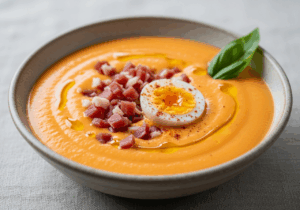
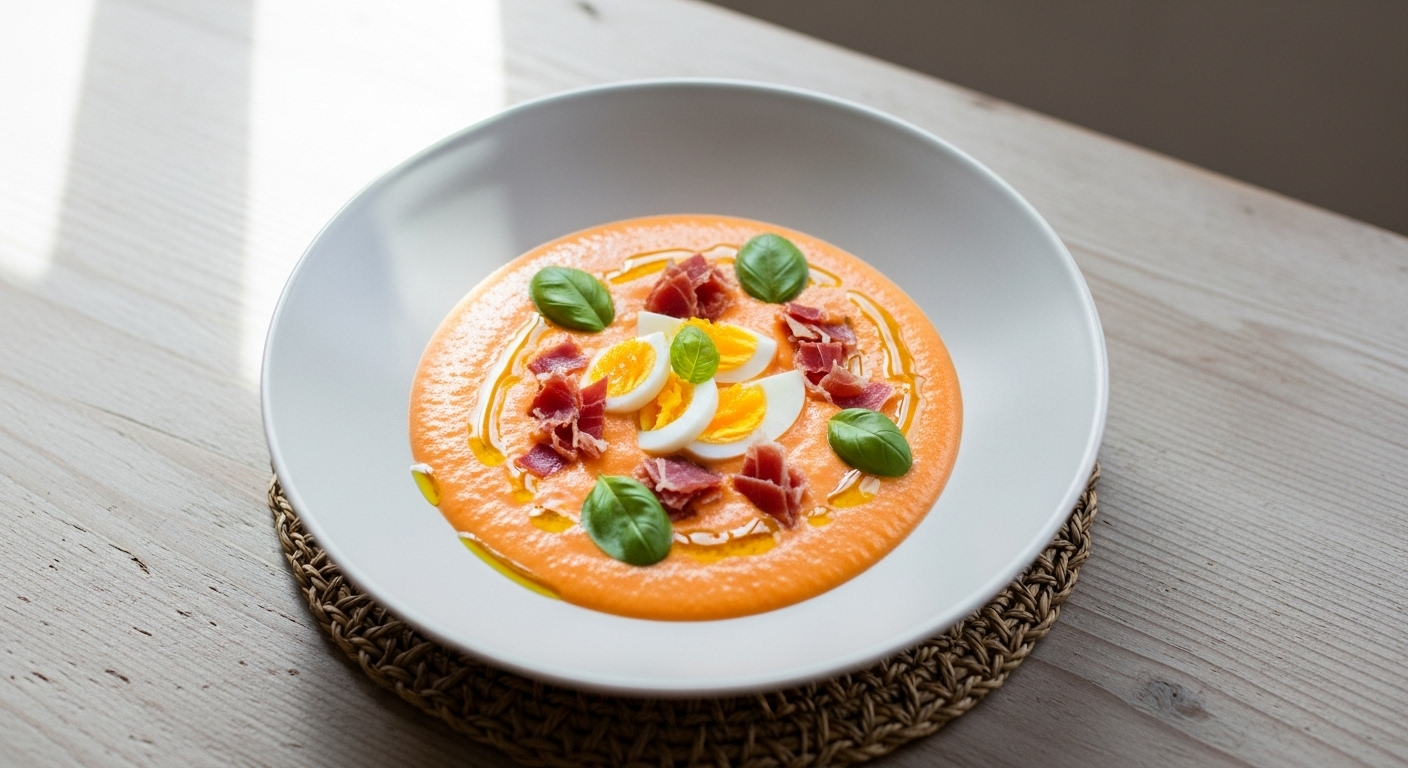
Elevate your salmorejo presentation by topping it with classic garnishes like diced hard-boiled eggs, finely chopped serrano ham, and a drizzle of extra virgin olive oil for shining highlights. For a modern twist, consider crispy pancetta, toasted almonds, or microgreens. Serve alongside crusty artisan bread or as a chilled starter paired with grilled vegetables.
For adventurous palates, blend in roasted red peppers for smoky undertones or swirl in a dollop of creamy goat cheese. This chilled soup also shines as a refreshing sauce over grilled shrimp or as a cool complement to spicy tapas dishes.

| Nutrient | Per Serving |
|---|---|
| calories | 210 kcal |
| Protein | 4 g |
| Carbohydrates | 15 g |
| Fat | 16 g |
For those eager to explore similar Spanish cold soups, don’t miss our detailed guide on Gazpacho vs. Salmorejo: Spanish cold Soup Showdown. To learn more about Andalusian cuisine’s rich history, visit the Spanish Food Guide.
Q&A
Q&A: Chill & Thrill – Mastering the Art of Salmorejo Soup
Q1: What exactly is Salmorejo, and how does it differ from gazpacho?
A: Salmorejo is a luscious, creamy cold Spanish soup originating from Córdoba, Andalusia. While both Salmorejo and gazpacho are tomato-based and served chilled, Salmorejo boasts a thicker, silkier texture thanks to its generous use of stale bread and extra virgin olive oil. Unlike gazpacho’s lighter,more liquid embrace,Salmorejo envelops your palate in a velvety,rich hush-a chill that thrills.
Q2: Why is mastering Salmorejo considered an art?
A: Because crafting the perfect Salmorejo is a harmonious dance of technique, quality ingredients, and balance. It’s about coaxing out the juiciest, ripest tomatoes, soaking and blending stale rustic bread to creamy perfection, and emulsifying olive oil until it swirls into a glorious sunset hue. each step demands care and attention; get it right, and you unlock a sensory masterpiece that sings Andalusian summers.
Q3: What are the key ingredients that make or break Salmorejo?
A: tomatoes, stale white bread, extra virgin olive oil, garlic, and a pinch of sea salt. The tomatoes must be vibrant, ripe, and juicy-the heart of the soup’s flavor. The bread provides the signature creaminess,soaking up the tomato juices like a sponge of nostalgia. Olive oil is the magic binder and flavor enhancer, while garlic and salt create depth. Skip on any of these, and the chill turns dull.
Q4: Can Salmorejo be customized without losing its essence?
A: Absolutely! While tradition holds strong, creativity is welcome in the salmorejo kitchen. Some add a touch of sherry vinegar or lemon juice for brightness, others swirl in finely diced ham or hard-boiled eggs as garnish for textural contrast. You can even experiment with smoked paprika or a drizzle of chili oil for a thrilling kick. Just remember: the core velvet soul of the soup remains tomato, bread, and olive oil.
Q5: How should Salmorejo be served for the ultimate chill & thrill experience?
A: Serve it cold, straight from the fridge, in a shallow bowl that invites slow, appreciative sips. Garnish artfully with diced hard-boiled eggs, juicy Iberian ham, or even a sprinkle of chopped chives.Pair with crusty bread or a crisp glass of dry Andalusian white wine. The key is balance-let the richness dazzle while the chill refreshes. It’s a moment of pure summer in a bowl.
Q6: What common mistakes should be avoided when making Salmorejo?
A: Avoid watery tomatoes-they dilute the intensity. Don’t overdo the bread; too much makes it heavy rather than creamy. And don’t rush the emulsification of olive oil-it must be poured in slowly to create that silky texture. Over-blending can result in a pasty texture instead of a smooth, seductive soup. Lastly, never serve it warm-Salmorejo’s magic wanes with heat.
Q7: How does Salmorejo reflect Spanish culture and cuisine?
A: Salmorejo is a culinary love letter to Southern Spain’s terroir and lifestyle-simple, honest, and deeply connected to the land and seasons. It embodies the resourcefulness of using stale bread to avoid waste, the festivity of olive oil as liquid gold, and the reverence for ripe tomatoes bursting under the Andalusian sun. eating Salmorejo is tasting history, climate, and culture simmered into a cold, thrilling delight.
Embrace the chill, savor the thrill, and with this Q&A, step confidently into the art of mastering Salmorejo soup-where tradition meets taste in every refreshing spoonful.
In Retrospect
As you savor the final spoonful of your perfectly chilled salmorejo, you’ll realize that this humble Spanish soup is much more than a simple starter-it’s a harmonious dance of textures and flavors that refreshes and excites the palate in equal measure.Mastering the art of salmorejo means embracing the balance between chill and thrill: the cool creaminess that soothes on a warm day, paired with vibrant, savory toppings that spark intrigue. Whether you serve it as a light lunch, an elegant appetizer, or a cooling companion to your summer gatherings, salmorejo invites you to slow down, savor the moment, and celebrate the beauty of simplicity transformed into culinary delight. So go ahead-chill your bowl, thrill your senses, and let this andalusian classic become your new go-to for deliciously effortless sophistication.