
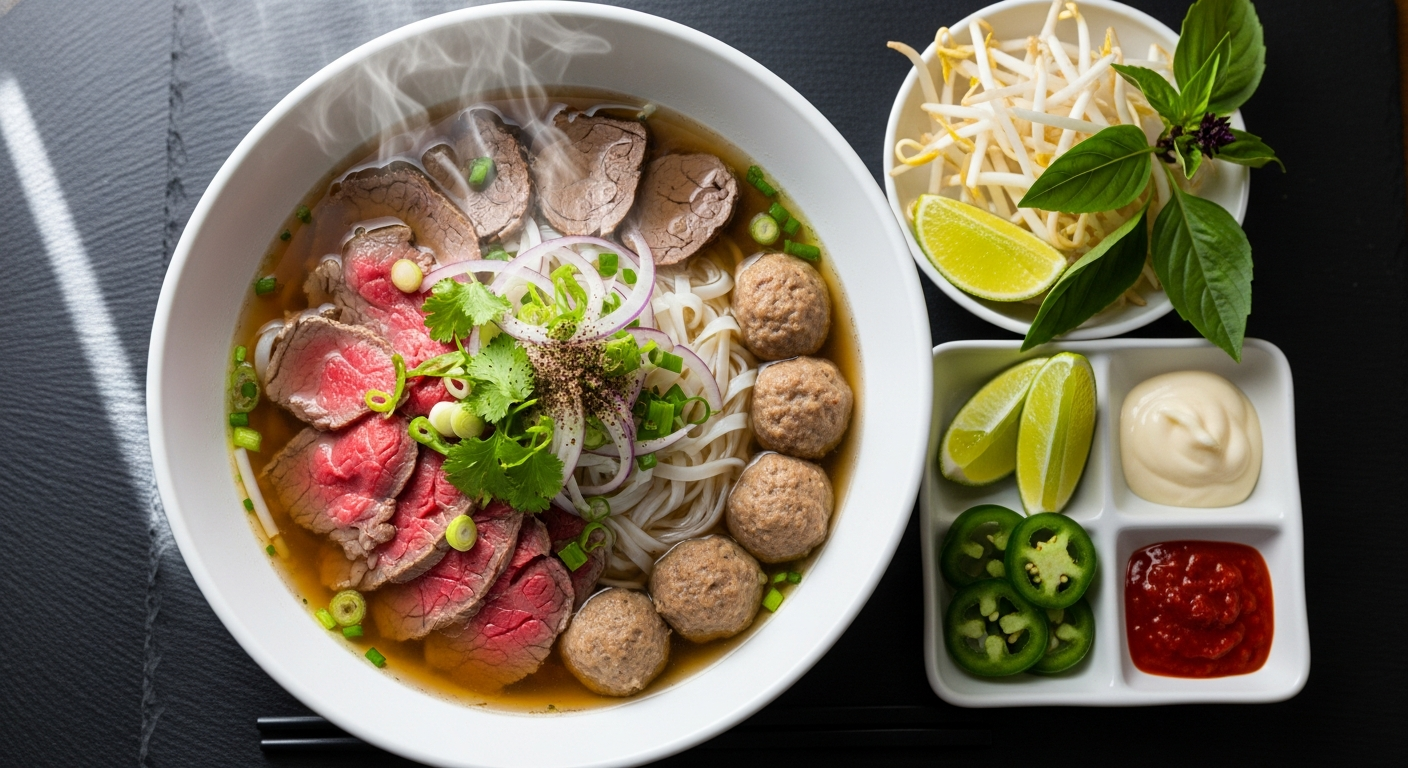
In the heart of Vietnam’s bustling streets, beneath the warm glow of lanterns and the hum of lively chatter, a bowl of pho tells a story as rich and layered as its flavors. pho is more than just a dish; it’s a cultural emblem, a comforting ritual, and a testament to the art of patience and precision. For those eager to bring this iconic Vietnamese experience into their own kitchens, crafting an authentic bowl of pho from scratch is both a rewarding challenge and a culinary adventure. This guide will take you step-by-step through the intricate process-unveiling secrets from simmering the perfect broth to selecting the freshest herbs-empowering you to create a steaming bowl that captures the soul of Vietnam in every spoonful. Whether you’re a seasoned cook or a curious foodie, prepare to embark on a journey where tradition meets taste, and authenticity is served hot.
Crafting Authentic Vietnamese Pho is an immersive culinary journey that invites you to recreate the soul-soothing flavors of Vietnam’s beloved noodle soup right in your kitchen. Pho is more than just a dish; it is a fragrant symphony where carefully selected ingredients and patient simmering come together to create a broth that is both delicate and deeply flavorful. The essence lies in choosing the finest cuts of meat, the freshest aromatics, and the vibrant herbs that transform each bowl into an unforgettable experience.
Prep and cook Time
- Preparation: 30 minutes
- Simmering: 4 hours
- Total: 4 hours 30 minutes
Yield
Serves 6 generously
Difficulty Level
Medium – Requires patience but yields restaurant-quality pho
Ingredients
- Beef bones: 5 lbs (preferably knuckle and marrow bones)
- Beef Brisket: 1.5 lbs, trimmed
- Onions: 2 medium, halved
- Fresh Ginger: 5-inch piece, halved lengthwise
- Cinnamon Sticks: 3 sticks
- Star Anise: 5 whole
- Cloves: 4 whole
- Cardamom Pods: 3 pods
- Rock Sugar: 1 oz (or 1 tbsp white sugar)
- Fish Sauce: 1/4 cup
- Salt: 2 tbsp, adjust to taste
- Water: 5 quarts (20 cups)
- Rice Noodles (Bánh Phở): 1 lb, flat and wide
- Beef Eye of Round or Sirloin: 8 oz, thinly sliced
- Bean Sprouts: 2 cups, rinsed
- Fresh Thai Basil: 1 cup
- Cilantro Leaves: 1/2 cup
- Green Onions: 1/2 cup, chopped
- Limes: 2, cut into wedges
- Jalapeño or Bird’s Eye Chili: 1-2, thinly sliced
- Hoisin Sauce and Sriracha: for serving
Instructions
- Char the aromatics: on an open flame or under the broiler, carefully char the halved onions and ginger until blackened and fragrant, about 5-7 minutes.This deep caramelization adds smoky complexity to your broth.
- Prepare the broth base: Rinse the beef bones under cold water. In a large stockpot, cover bones with cold water and bring to a rapid boil for 10 minutes. Skim off the scum and impurities with a fine mesh ladle. Drain and rinse bones to remove residue for a clear broth.
- Simmer with spices: Return cleaned bones to the pot with 5 quarts of fresh water.Add blackened onions, ginger, cinnamon sticks, star anise, cloves, cardamom pods, and rock sugar.Bring to a boil, than reduce heat to a gentle simmer. Partially cover and simmer for 4 hours, skimming scum occasionally for clarity.
- Add brisket and season: After 3 hours,add the whole brisket to the pot. Continue simmering for one additional hour until tender. Remove brisket, let rest, then thinly slice across the grain. Season broth with salt and fish sauce tastefully.
- Prepare the noodles: Soak rice noodles in cold water for 30 minutes if dried,or briefly blanch fresh noodles in boiling water for 10 seconds until soft but still firm.Drain well.
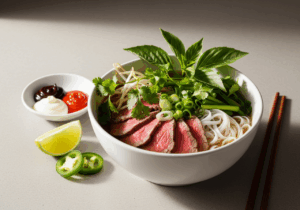
- Assemble your bowl: Arrange a handful of noodles in each serving bowl. Layer thin slices of raw eye round or sirloin over hot noodles-they will cook gently when the steaming broth is ladled on.
- Ladle fragrant broth: Using a ladle, pour the hot, simmered broth directly over the noodles and beef slices. The heat cooks the thin beef perfectly, locking in delicate texture and flavor.
- Garnish generously: Let everyone personalize their bowls with fresh bean sprouts, Thai basil, cilantro, green onions, jalapeño slices, lime wedges, hoisin, and sriracha for a burst of vibrant notes that truly evoke street-side pho.
Tips for Success
- Broth clarity: Keep the broth at a gentle simmer, not a rolling boil to avoid cloudiness.
- Rock sugar vs. white sugar: Rock sugar mellows the broth with subtle sweetness without overpowering; substitute with white sugar only if necessary.
- make ahead: The broth improves after resting overnight in the fridge-skim the hardened fat before reheating for the cleanest taste.
- Noodle care: Avoid overcooking rice noodles; they should have a slight bite to stand up to the hot broth.
- Herb freshness: Always use fresh herbs and vegetables to elevate the shining, aromatic profile of pho.
Serving Suggestions
Plate pho in deep bowls, inviting diners to add their preferred amount of herbs, sprouts, and condiments, just like a Vietnamese street vendor. Serve with a side of lime wedges and a small dish of hoisin and sriracha for dipping. Pair your bowl with a cool iced jasmine tea or a refreshing Vietnamese iced coffee for the full authentic experience.
| Nutrient | Per Serving |
|---|---|
| Calories | 350 kcal |
| Protein | 28 g |
| Carbohydrates | 36 g |
| Fat | 8 g |

For further insights on mastering broth-making techniques, explore our advanced broth guide. You can also revisit the conventional aromatic spice profile at the official Vietnamese food culture site.
Q&A
Q&A: Crafting Authentic Vietnamese Pho – Your From-Scratch Recipe Guide
Q1: What makes Vietnamese pho truly authentic?
A: Authentic pho is all about balance – a harmonious dance between the clear, fragrant broth, tender slices of beef, freshly cooked rice noodles, and an array of vibrant herbs and condiments. Its soul lies in the slow-simmered bone broth, infused with traditional spices like star anise, cinnamon, and cloves, creating that unmistakable depth of flavor that’s both comforting and exhilarating.
Q2: Why should I make pho from scratch instead of using pre-made broth?
A: While store-bought broth offers convenience, it rarely captures the intricate layers of an authentic pho broth. Crafting broth from scratch lets you control seasoning nuances, ensuring no shortcuts dilute the essence of this centuries-old recipe. Plus, simmering your own broth fills your kitchen with intoxicating aromas and a sense of accomplishment unlike any instant mix.
Q3: What are the key ingredients for making authentic beef pho broth?
A: The backbone of beef pho broth includes beef bones (preferably marrow and knuckle bones), brisket or oxtail, charred onions, ginger, star anise, cloves, cinnamon sticks, cardamom pods, coriander seeds, salt, and rock sugar. Freshness and quality are paramount – especially for the bones and aromatic spices, which must be toasted and charred gently to unlock their full flavor potential.
Q4: How long dose it take to make the perfect pho broth?
A: Patience is key! The broth typically simmers for at least 6 hours, sometimes up to 12, to extract the rich gelatin and complex flavors from the bones. This slow simmering develops the broth’s clarity and depth – rushing the process risks cloudy, less flavorful results.
Q5: What kind of noodles are used in pho, and how do I prepare them?
A: Pho noodles are flat rice noodles, about 3mm wide, called “bánh phở.” They come dried or fresh. For dried noodles, soak them in warm water until pliable, then briefly blanch in boiling water before serving.Fresh noodles usually require just a fast dip in hot water to soften. Avoid overcooking to maintain that satisfying chewy texture.
Q6: How do I serve pho for an authentic experience?
A: Pho is best served family-style with bowls of prepared broth, cooked noodles, and raw thinly sliced beef or brisket. Accompany with a platter of fresh herbs like Thai basil, cilantro, sliced jalapenos, lime wedges, bean sprouts, and hoisin and sriracha sauces. Each diner customizes their bowl, creating a personalized explosion of flavors and textures.
Q7: Can pho be made vegetarian or vegan?
A: Absolutely! While classic pho centers on beef, vegetarian pho replaces bones and meat with vegetable broth enriched by charred onions, ginger, star anise, cinnamon, and mushrooms for umami depth.Tofu or seitan can substitute the meat, delivering a satisfying, plant-based twist on this beloved dish.
Q8: Any tips for achieving a perfectly clear pho broth?
A: Yes – start by blanching bones and meat in boiling water briefly to remove impurities, then rinse thoroughly before simmering. Skim the broth frequently during cooking to remove foam and fat. Use a gentle simmer rather of a rolling boil to avoid cloudiness. Strain the broth through a fine mesh or cheesecloth before serving.
Q9: How can I elevate my homemade pho beyond basic recipes?
A: Experiment with aromatics-add a hint of star anise or char your spices differently to tweak the flavor profile. Use different cuts of meat, like tendon or tripe, for textural variety. Don’t forget the condiments-fresh herbs, crispy fried shallots, or a splash of fish sauce can transform good pho into great pho.
Q10: Where can I find authentic ingredients for pho?
A: Asian markets are treasure troves for pho essentials – from bánh phở noodles to fresh herbs and exotic spices. If unavailable locally, many ingredients can be sourced online. Freshness matters,so prioritize quality and experiment with trusted vendors.
crafting authentic Vietnamese pho from scratch is a fulfilling journey that celebrates tradition, patience, and flavor. With these tips in hand,you’re ready to unveil the magic simmering within your kitchen pot.Bon appétit – or as the Vietnamese say,”Chúc ngon miệng!”
In Conclusion
As the fragrant steam rises from your bowl,each sip of your homemade pho becomes a testament to the rich heritage and meticulous love invested in every step of this timeless Vietnamese tradition. Crafting authentic pho from scratch isn’t just about following a recipe-it’s about embracing a culinary journey that honors generations of flavor and culture. Now, armed with this guide, your kitchen transforms into a gateway to Vietnam’s bustling streets and tranquil mornings, where the soul-soothing harmony of broth, noodles, and fresh herbs awaits. So go ahead, ladle your creation with pride, and savor the art of pho crafting-where every bowl tells a story and every taste invites you back for more.