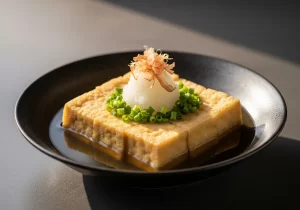

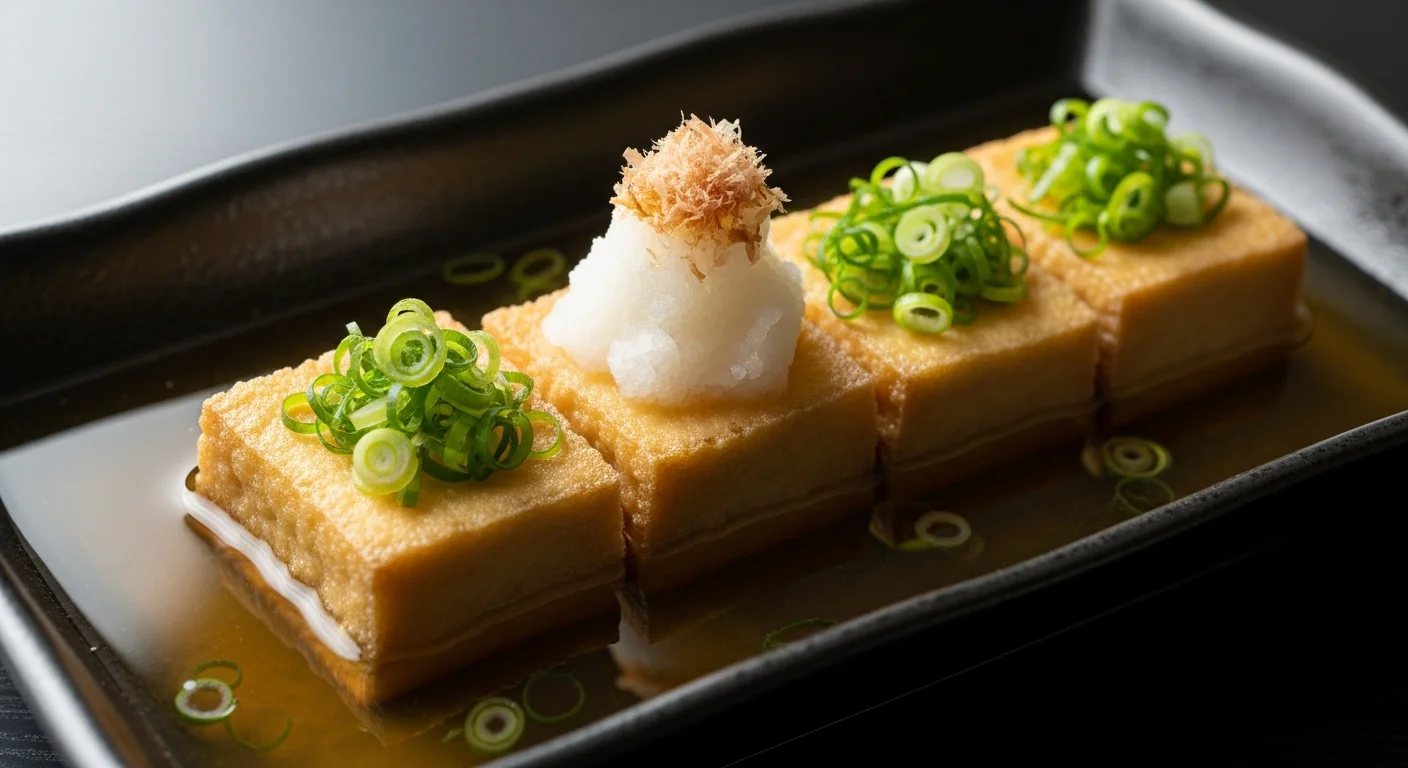
There’s a quiet magic in the simplicity of tofu-soft, subtle, and frequently enough overlooked. Yet, when transformed through the artful technique of frying and bathing in a delicate dashi broth, tofu becomes something truly extraordinary: Agedashi Tofu. This golden-hued appetizer offers a perfect harmony of crispy texture and comforting warmth, inviting you to experience a culinary tradition that’s both humble and exquisite. In this article, we’ll delve into the origins, planning, and irresistible charm of Agedashi Tofu, uncovering why this dish continues to delight palates around the world with its crispy comfort and savory elegance.
Crispy comfort comes alive in this timeless Japanese dish that celebrates the harmony of textures and flavors – Agedashi Tofu. Originating from Japan’s rich culinary tradition, this dish elevates simple silken tofu into a golden, crispy delight bathed in an umami-packed broth. As a Culinary Content Creator and Food Stylist,I’ve learned that achieving that perfect crunch on the outside,while maintaining the tofu’s delicate creaminess inside,is an art worthy of patience and precision. Alongside the broth’s deep, savory allure, the dish becomes a sensory experience that invites you to savor every layered bite.
Prep and Cook Time
- Preparation: 15 minutes
- Cooking: 20 minutes
- Total Time: 35 minutes
Yield
Serves 4
Difficulty Level
Medium – Ideal for cooks ready to master frying techniques and delicate broth preparation
Ingredients
- 400g silken tofu (firm or medium-firm,well-drained)
- ½ cup potato starch (or cornstarch,for crisp coating)
- 1 cup dashi stock (homemade or high-quality instant)
- 3 tbsp soy sauce (preferably dark for richness)
- 2 tbsp mirin (sweet cooking rice wine)
- 1 tbsp sake (optional but recommended)
- Vegetable oil (for deep-frying,approx. 2 cups)
- 2 green onions, finely sliced
- 1 tbsp grated daikon radish (optional for garnish)
- Shredded nori (seaweed), to taste
- Katsuobushi (bonito flakes) for garnish (optional)
instructions
- Prepare the tofu: Carefully drain the silken tofu and pat dry with a clean kitchen towel or paper towels. Cut into 8 equal cubes, handling gently to preserve their shape.
- Heat the oil: Pour vegetable oil into a deep saucepan to about 3 inches depth. Heat over medium heat until it reaches 170°C (340°F) or until a drop of water sizzles immediately on contact.
- Coat the tofu: Lightly coat each tofu cube in potato starch, shaking off any excess.This starch layer is key to creating a crispy, golden crust.
- Fry the tofu: Gently lower tofu pieces into the hot oil using a slotted spoon or spider. Fry in batches for about 4-5 minutes per batch or until the exterior is golden and crisp. Flip carefully halfway through if needed to achieve even browning.
- Drain excess oil: Transfer fried tofu onto a wire rack or paper towels to drain. Avoid stacking to maintain crispness.
- Make the broth: in a small saucepan, combine dashi, soy sauce, mirin, and sake. Bring to a gentle simmer over medium heat, stirring once. Remove from heat once fragrant and balanced in taste.
- Plate the tofu: Place the crispy tofu cubes in shallow serving bowls. Pour warm broth carefully over the tofu, partially submerging but not fully drowning them.
- Garnish: Finish with sliced green onions, freshly grated daikon radish, shredded nori, and optional bonito flakes for an umami boost.
Chef’s Tips for Success
- Drain well: excess moisture on tofu will impair crispiness; a lengthy drain and gentle patting is essential.
- starch choice matters: Potato starch lends a lighter, crispier coat than flour; feel free to experiment with cornstarch or a 50/50 blend.
- Oil temperature is crucial: Too hot, tofu burns; too cool, it absorbs oil and becomes soggy. Use a thermometer to maintain steady heat.
- Dashi variations: Homemade kombu and bonito dashi bring unmatched depth, but premium instant dashi powders provide convenient alternatives.
- Make ahead: Prepare the broth in advance to let flavors meld; reheat gently before serving.
Serving Suggestions
This dish shines as an elegant appetizer or light entrée. Pair with steamed jasmine rice or simple soba noodles. Complement the textures by adding crisp tempura vegetables or an earthy mushroom salad on the side. The garnishes offer not only flavor but visual drama – imagine bits of shiny nori contrasting the golden tofu, topped with wispy bonito flakes that flutter from residual heat.

| Nutrient | Per Serving |
|---|---|
| Calories | 220 kcal |
| Protein | 12g |
| Carbohydrates | 14g |
| Fat | 12g |
For a deeper dive into the secrets of perfect tofu preparation and the science behind starch coatings, explore our detailed guide. Additionally, for those curious about the health benefits and cultural symbolism of dashi, the Japanese Cooking 101 provides an excellent resource.
Q&A
Q&A: Crispy Comfort – Exploring Agedashi Tofu’s Golden Delight
Q1: What exactly is Agedashi Tofu?
Agedashi Tofu is a quintessential Japanese dish that transforms simple tofu into a crispy, golden delight. The tofu is lightly dusted with potato starch or cornstarch, then deep-fried to achieve a delicate, crunchy exterior while keeping the inside creamy and silky. Served swimming in a warm, savory dashi-based broth, it’s comfort food that’s both humble and elegant.
Q2: What makes agedashi Tofu different from regular tofu dishes?
Unlike many tofu preparations that rely on texture from grilling or steaming, Agedashi Tofu embraces contrast-crispy outside meets velvety inside, all elevated by a flavorful dashi broth infused with soy sauce and mirin. This interplay creates a multi-sensory experience that combines crunch, softness, warmth, and umami in every bite.
Q3: Why is the tofu in agedashi Tofu considered “agedashi”?
The term “agedashi” translates roughly to “fried and served in broth.” The name highlights the cooking method: ‘age’ meaning fried, and ‘dashi’ referring to the rich, savory stock that accompanies it. The tofu’s exterior is quickly fried to golden perfection and then immersed in the hot dashi,marrying textures and flavors in a unique way.
Q4: Can any type of tofu be used for Agedashi Tofu?
Silken or soft tofu is traditionally preferred as it has a tender, creamy center that contrasts beautifully with the crispy coating. However, it requires gentle handling to prevent breakage.Firm tofu can be used as a sturdier choice but may lack that delicate melting sensation.
Q5: What are common garnishes or accompaniments with Agedashi Tofu?
Classic garnishes include finely grated daikon radish, thinly sliced green onions, bonito flakes (katsuobushi), and a sprinkle of grated ginger. These toppings add freshness,slight spice,and additional umami layers. Sometimes a touch of shichimi togarashi (Japanese seven-spice) is added for a gentle kick.Q6: How does Agedashi Tofu fit into Japanese culture and cuisine?
Agedashi Tofu exemplifies Japanese culinary principles: simplicity, respect for ingredients, and harmony of flavors and textures. It’s ofen enjoyed as an appetizer or side dish in izakayas (Japanese pubs) but also appears in home kitchens as a soothing comfort dish. its golden crispiness paired with warm broth reflects the Japanese art of balancing yin and yang on the plate.
Q7: Can Agedashi Tofu be adapted for dietary preferences?
Absolutely! The broth can be made vegetarian or vegan by using kombu (kelp) and shiitake mushrooms in place of fish-based dashi. The frying starch can be gluten-free with potato starch, making it amiable for various diets, all while retaining that signature crispy, comforting character.
Q8: What tips ensure perfect Agedashi Tofu at home?
Patting the tofu dry before coating is essential to avoid oil splatter and maintain crispiness. Using fresh oil at the right temperature (around 350°F/175°C) ensures a golden crust. Serve immediately after frying to enjoy the contrast of textures before the tofu softens in the broth.
Agedashi Tofu is more than just fried tofu – it’s a golden-hued celebration of texture, warmth, and umami, inviting you to savor a moment of crispy comfort in every bite.
In Summary
As the last bite of agedashi tofu melts away, its delicate crunch and silky center linger in memory-a harmonious dance of textures and flavors that celebrates simplicity elevated to art. This golden delight,rooted deeply in Japanese tradition,reminds us that comfort doesn’t always mean complex; sometimes,it’s found in the quiet elegance of a perfectly fried tofu. Whether you’re a seasoned foodie or a curious newcomer, agedashi tofu invites you to experience a bite-sized masterpiece where warmth, crispness, and umami unite. So next time you crave comfort with a crispy twist, let this humble dish guide your palate on a journey of savory bliss.