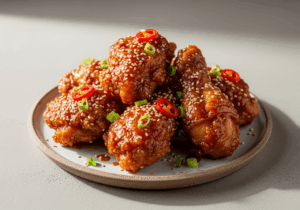

There’s something undeniably seductive about Korean fried chicken-a tantalizing harmony of crackling crunch and juicy tenderness that transforms every bite into an experience. Unlike its Western counterparts,this culinary marvel boasts a double-fried exterior that promises an irresistible crispiness,all while locking in moist,flavorful meat beneath. From street food stalls in Seoul to upscale restaurants worldwide, Korean fried chicken has captivated taste buds and sparked a global craving. In “crispy delight: Mastering the Ultimate Korean Fried Chicken,” we’ll unravel the secrets behind this iconic dish, guiding you step-by-step to recreate that perfect balance of texture and taste in yoru own kitchen. Prepare to embark on a crispy, savory journey that will elevate your fried chicken game to legendary status.
Crispy Delight begins with selecting the right chicken cuts that promise maximum crispiness and juicy tenderness. For authentic Korean fried chicken, opting for smaller portions like wingettes, drumettes, or boneless thigh pieces is key-they provide a perfect surface area-to-juiciness ratio, ensuring every bite crackles with crispiness while locking in succulent moisture. Chicken thighs are particularly favored for their rich flavor and tender texture, making them ideal for absorbing bold marinades without drying out during the double-frying process.
prep and Cook Time
- Readiness: 20 minutes
- Marination: Minimum 2 hours (preferably overnight)
- Cooking: 25 minutes
- Total Time: 3 hours (including marination)
Yield
Serves 4 hungry guests
Difficulty Level
Medium
Ingredients
- 2 pounds chicken thighs,skin-on,boneless,cut into bite-sized pieces
- 1 tablespoon garlic,minced
- 1 tablespoon ginger,grated
- 1/4 cup soy sauce (preferably low sodium)
- 2 tablespoons Korean chili paste (gochujang)
- 2 teaspoons sugar
- 1 teaspoon sesame oil
- 1 cup all-purpose flour,sifted
- 1 cup potato starch or cornstarch
- 1 teaspoon baking powder
- 1 teaspoon salt
- 1/2 teaspoon black pepper
- Vegetable oil for deep frying
- 3 green onions,thinly sliced,for garnish
- 1 tablespoon toasted sesame seeds,for garnish
Instructions
- Prepare the marinade: In a large bowl,mix the soy sauce,gochujang,sugar,minced garlic,grated ginger,and sesame oil. Stir until the sugar dissolves entirely.
- Marinate the chicken: Add the chicken pieces to the marinade,coating thoroughly.Cover and refrigerate for at least 2 hours, ideally overnight, to deeply infuse those bold Korean flavors.
- Prepare the dry mixture: In a shallow dish, combine the flour, potato starch, baking powder, salt, and black pepper. This blend ensures a light, ultra-crisp crust after frying.
- First fry (Blanching): Heat vegetable oil in a deep pan or fryer to 320°F (160°C). Dredge marinated chicken pieces in the dry mixture, shaking off excess, and fry in batches for 4-5 minutes until pale golden but not fully cooked. Drain on wire rack or paper towels. This initial fry sets the crust and lets excess moisture escape.
- Rest and double fry: Let the chicken rest for 15 minutes. Increase oil temperature to 375°F (190°C). Fry the chicken again in batches for 2-3 minutes until golden brown and irresistibly crunchy. Double frying maximizes crunchiness by creating multiple crisp layers.
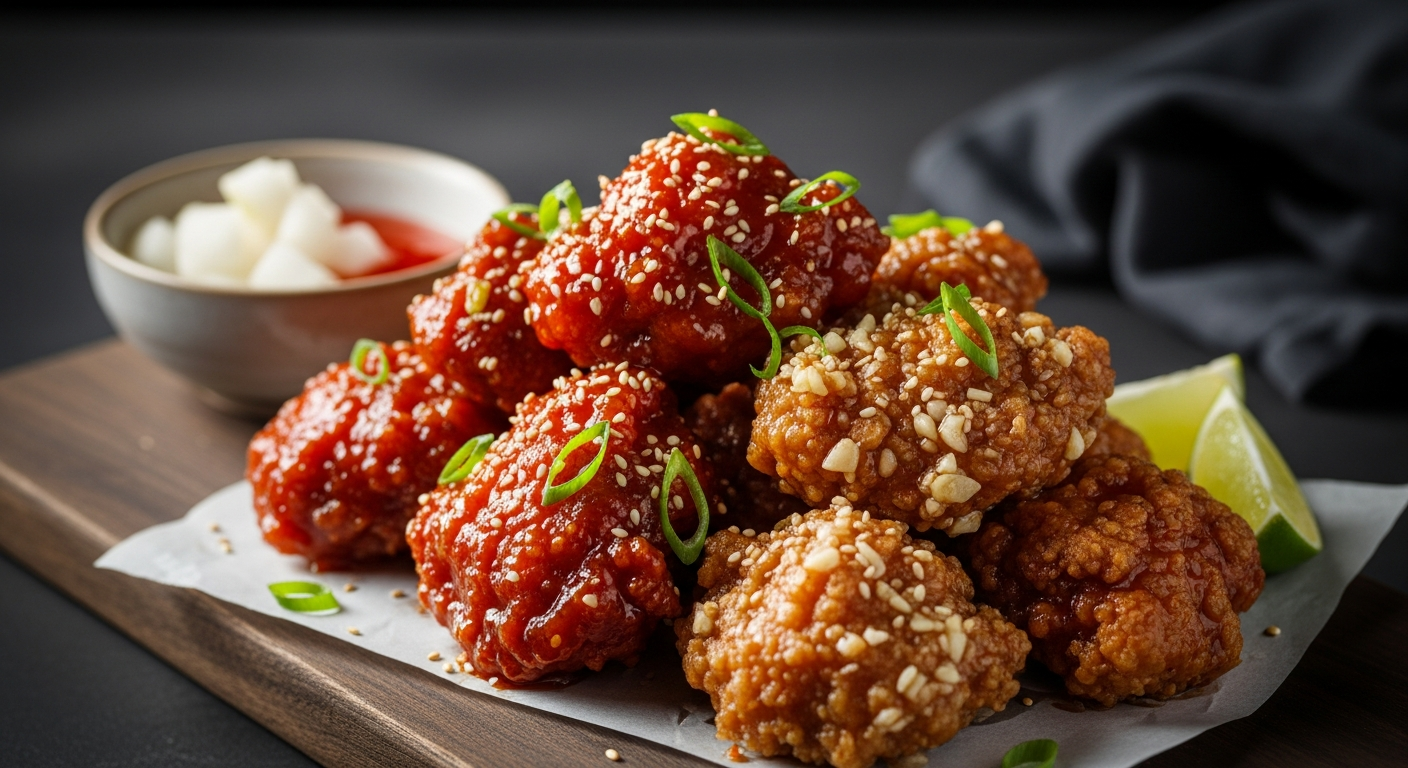
- Toss in sauce or serve on the side: For a glossy, spicy finish, toss the hot chicken in a freshly prepared sauce made from equal parts honey, soy sauce, and gochujang, heated until thick and sticky.Alternatively,serve sauces separately to preserve peak crunchiness per bite.
- Garnish and serve: Plate the chicken,garnishing with sliced green onions and toasted sesame seeds. The vibrant green and nutty aroma amplify the dish’s sensory appeal.
Chef’s Notes
- Choosing Chicken Cuts: While thighs offer richness, combining them with wings ensures a variety of textures and bite sizes for an engaging eating experience.
- Marination Time: the longer you marinate,the deeper the flavor penetration. Overnight marination is highly recommended for maximum depth.
- Potato Starch vs. Cornstarch: Potato starch yields a lighter, more shatteringly crisp crust, but cornstarch is a fine substitute if unavailable.
- Make-Ahead Tip: After the first fry, you can refrigerate the blanched chicken pieces, then double fry fresh when ready to serve for an extraordinary speedy prep.
- Common Pitfall: Avoid overcrowding the fryer - frying in small batches keeps the oil temperature steady and results in crispy, not soggy, chicken.
Sauce Pairings That Elevate Your Korean Fried Chicken experience
Combining the double-fry technique with bold sauce pairings unlocks layers of flavor that keep you coming back for more. A classic sweet-spicy gochujang glaze complements the savory, crispy chicken superbly. Alternatively, offer a cooling creamy garlic mayo or zesty soy-vinegar dipping sauce for balance. Play with contrasting textures and temperatures-cool sauces contrast beautifully with the hot,crunchy chicken for a memorable sensory experience.
Serving Suggestions
- Serve with a side of pickled radish to cleanse the palate and add brightness.
- Accompany with steamed jasmine rice or fluffy sticky rice to soak up the sauce.
- For a colorful presentation, add thinly sliced cucumbers or a simple Asian slaw tossed in sesame oil and rice vinegar.
- Garnish with fresh herbs like cilantro or a sprinkle of additional toasted sesame seeds for visual appeal and aroma.
| Nutrient | Per Serving |
|---|---|
| calories | 480 kcal |
| Protein | 35 g |
| Carbohydrates | 30 g |
| Fat | 25 g |

For more Korean-inspired recipes, check out our guide to classic Korean dishes. To deepen your understanding of deep-frying techniques, Serious Eats offers detailed insights on mastering that perfect crunch.
Q&A
Q&A: Crispy Delight - Mastering the Ultimate Korean Fried Chicken
Q1: What makes Korean fried chicken different from regular fried chicken?
A1: Korean fried chicken stands out thanks to its incredibly thin, ultra-crispy skin and juicy interior. Unlike conventional fried chicken, it’s typically double-fried to achieve that signature crunch without being greasy. Plus, it’s often coated in a vibrant, flavorful sauce that balances sweet, spicy, and savory notes, giving each bite a delightful kick.
Q2: Why is double-frying crucial in Korean fried chicken?
A2: Double-frying is the secret weapon behind that addictive crunch. The first fry cooks the chicken through, while the second blast crisps up the coating to perfection. This technique also helps the chicken maintain its crunch even when tossed in sauce, preventing sogginess-a common problem with regular fried chicken.
Q3: What kind of chicken cuts work best for Korean fried chicken?
A3: Bite-sized pieces are key! Korean fried chicken frequently enough uses wings or small drumettes, but boneless thigh chunks work beautifully too. Smaller cuts ensure quick, even cooking and maximum crispy surface area. They’re also perfect for soaking up the signature sauce.
Q4: What’s the secret ingredient for the batter?
A4: The batter leans on light starches like potato or sweet potato starch, sometimes mixed with rice flour for extra crispness. These starches create a paper-thin crust that crisps spectacularly when fried. Some recipes also add a splash of carbonated water or soda to lighten the batter even further, giving it that delicate crunch.
Q5: Can you share a basic recipe for the classic Korean fried chicken sauce?
A5: Absolutely! The classic sauce typically blends gochujang (Korean red chili paste) with soy sauce, garlic, brown sugar or honey, rice vinegar, and a touch of sesame oil. Simmer these ingredients until thick and glossy, then toss your crispy chicken pieces in it.The result is a harmonious explosion of spicy, sweet, tangy, and umami flavors.
Q6: How do you keep Korean fried chicken crispy when serving?
A6: Serve it instantly after tossing in the sauce for optimum texture. If you’re making a big batch, keep the fried chicken pieces warm and crispy on a wire rack in a low oven (around 250°F/120°C) while preparing the sauce. Toss just before serving to avoid sogginess.
Q7: Any tips for an authentic Korean fried chicken experience at home?
A7: Pair it with classic Korean sides like pickled radish (chikin-mu), cold beer (make it a chimaek experience!), and a simple cabbage salad or kimchi.Also, don’t rush the frying process-temperature control is critical. Use a thermometer to keep oil steady around 325-350°F (160-175°C) and avoid overcrowding the pan to maintain that crispy crunch.
Q8: what’s the best way to enjoy Korean fried chicken?
A8: Whether devoured hot and messy from a casual street food stall or plated beautifully at home, Korean fried chicken is meant to be savored with friends and family. Grab plenty of napkins, share big laughs, and get ready for an unforgettable crispy, saucy adventure with every bite.
mastering Korean fried chicken is a tasty journey into texture and bold flavors-once you nail the crisp, the sauce, and the atmosphere, you unlock a true crispy delight!
The Way Forward
As the golden crust crackles with every bite and the perfect balance of spice and sweetness dances on your tongue, Korean fried chicken reveals itself as more than just a dish-it’s a party of texture, flavor, and tradition. Mastering the ultimate crispy delight requires patience, precision, and a touch of passion, but the reward is a symphony of crunch and savor that keeps you coming back for more. Whether enjoyed solo or shared with friends over drinks and laughter, Korean fried chicken invites you to savor each mouthwatering moment. So, roll up your sleeves, embrace the technique, and let your kitchen become the stage for this irresistible feast-becuase once you’ve mastered it, every piece is a crispy masterpiece worth cherishing.