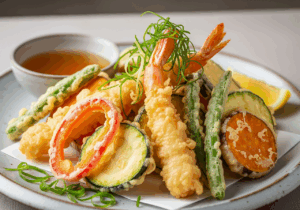

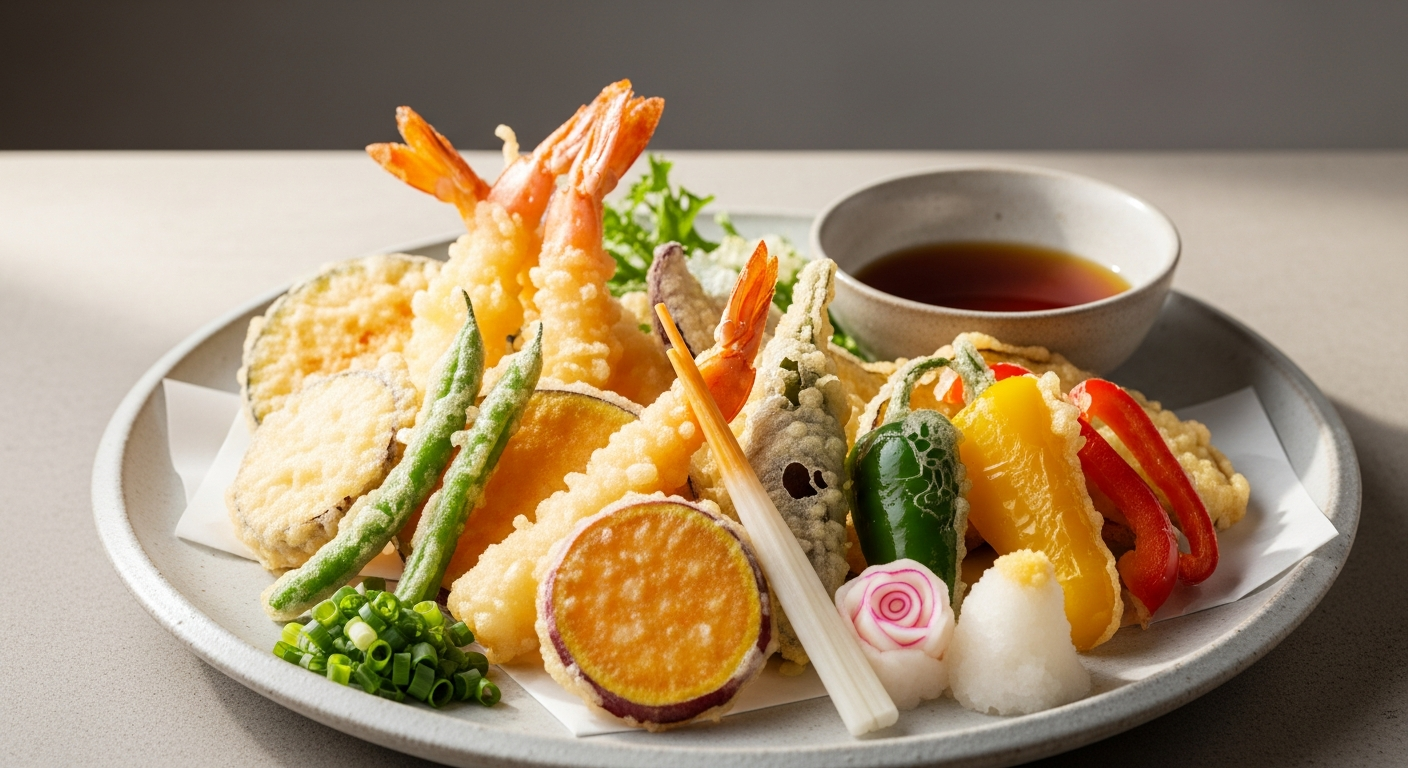
There’s a certain alchemy in the kitchen that turns humble ingredients into crispy, golden treasures – and few dishes capture this magic quite like tempura. Originating from Japan, tempura transforms fresh vegetables and succulent shrimp into light, airy bites that delight the senses with every crunch. But mastering the art of tempura is more than just following a recipe; it’s about understanding the delicate dance between batter, oil, and timing. In “Crispy Delights: Mastering Vegetable & Shrimp Tempura Magic,” we’ll unravel the secrets behind that perfect crispness, explore essential techniques, and reveal tips to elevate your tempura from simple to sublime. Whether you’re a curious home cook or a seasoned foodie, prepare to embark on a flavorful journey where texture and taste unite in crispy harmony.
Crispy Delights: Mastering Vegetable & Shrimp Tempura Magic
Crispy Delights: Mastering Vegetable & Shrimp Tempura Magic invites you on a culinary journey through the enticing world of tempura-a Japanese art form renowned for its feather-light crunch and delicate flavors. Originating from Portuguese missionaries in the 16th century and perfected over centuries in Japan, tempura combines simplicity with finesse, transforming everyday vegetables and shrimp into crispy masterpieces. Learning to craft the perfect tempura batter, selecting fresh ingredients, and mastering frying techniques will elevate your home cooking and impress your loved ones with unmatched crispiness and elegance.
Prep and Cook Time
- Planning: 20 minutes
- Cooking: 15 minutes
- Total time: 35 minutes
yield
Serves 4 – perfect for a light appetizer or part of a multi-course meal.
Difficulty Level
Medium – requires attention to detail in batter mixing and frying temperature control.
Ingredients
- Shrimp: 12 large, deveined, peeled with tails on
- Vegetables: 1 medium sweet potato (thinly sliced), 1 small zucchini (cut into strips), 8 green beans, 6 shiitake mushrooms (stem removed)
- All-purpose flour: 1 cup, sifted
- Ice-cold sparkling water: 1 cup (chilled in fridge)
- Egg yolk: 1 large
- Cornstarch: 2 tbsp
- Baking powder: ½ tsp
- Salt: ¼ tsp
- Vegetable oil: for deep frying (such as canola or sunflower oil), approximately 4 cups
- Dipping sauce: ½ cup tentsuyu (or make your own with dashi, mirin, and soy sauce)
- Grated daikon radish: 2 tbsp (optional, for dipping)
Instructions
- Prepare Shrimp and Vegetables: Rinse shrimp and pat dry. Make shallow diagonal slits on shrimp’s underside to prevent curling. Slice vegetables into uniform thin pieces for even frying. Soak green beans in ice water for 10 minutes to enhance crispness.
- Make the Tempura Batter: In a chilled bowl, gently whisk the egg yolk with chilled sparkling water. Add sifted all-purpose flour, cornstarch, baking powder, and salt.Mix lightly with chopsticks or a fork - don’t overmix! the batter should remain lumpy and cold to ensure maximum crispiness.
- Heat the Oil: Pour oil into a heavy-bottomed pot or deep fryer and heat to 350°F (175°C). Use a candy or deep-fry thermometer for accuracy. If the oil is too cool, tempura will absorb excess oil; too hot, batter will burn before cooking through.
- Fry in Batches: Dust shrimp and vegetables lightly with flour before dipping in batter (this helps batter adhere). Using chopsticks or a slotted spoon, carefully lower them into hot oil. Avoid overcrowding; fry 3-4 pieces at a time.
- Frying Time: Fry shrimp for about 2-3 minutes until golden and shrimp turn opaque. Vegetables may take 1-2 minutes depending on thickness. Turn pieces gently for even colour and texture.
- Drain and Rest: Remove tempura with a wire skimmer onto a cooling rack or paper towels to drain excess oil. Avoid stacking pieces to preserve crispiness.
- Serve Immediately: Plate warm tempura with dipping sauce and garnish.
Tips for Success
- keep Batter cold: Always prepare batter right before frying and keep it chilled in a bowl over ice if needed to slow gluten formation, ensuring the crispiest texture.
- use Sparkling Water: The carbonation helps create a light, airy batter that crisps beautifully without heaviness.
- Oil Temperature Matters: Use a thermometer and maintain oil between 340-360°F. Adjust heat as you fry to prevent greasy or burnt results.
- Dry Ingredients First: Lightly dust your shrimp and veggies with flour before battering to help the batter stick better.
- Variations: Try using othre seasonal vegetables like asparagus tips, eggplant slices, or even shiso leaves for unique flavor twists.
- Make-Ahead: Prep vegetables and shrimp earlier but fry batter-coated pieces just before serving for maximum crunch.
Serving Suggestions
Present your tempura on a rustic wooden board or elegant white plates to emphasize the golden hues and light textures. Garnish with a sprinkle of toasted sesame seeds or finely chopped scallions for a burst of color. serve alongside small bowls of tentsuyu dipping sauce with a scoop of grated daikon radish to cleanse the palate between bites. Pair this meal with chilled sake or a crisp white wine to elevate the experience further.

Nutritional Information (per serving)
| Calories | Protein | Carbs | Fat |
|---|---|---|---|
| 320 kcal | 18 g | 25 g | 15 g |
For more on authentic Japanese frying techniques, check out our detailed guide on Japanese frying methods. Expand your culinary repertoire with trusted resources like the Just One Cookbook Tempura Guide to dive deeper.
Q&A
Q&A: Crispy delights – Mastering Vegetable & Shrimp Tempura Magic
Q1: What exactly is tempura,and what makes it so delightfully crispy?
A: Tempura is a beloved Japanese cooking technique where vegetables,shrimp,or other ingredients are lightly battered and deep-fried to achieve a delicate,airy crispiness. The magic lies in a batter made from cold water,flour,and sometimes egg,mixed just enough to stay lumpy and light.This minimal mixing prevents gluten formation, resulting in a thin, crackly crust that’s both crispy and tender.
Q2: Which vegetables are best suited for tempura, and why?
A: The best vegetables for tempura are those that retain structure and have mild flavors, such as sweet potatoes, asparagus, bell peppers, green beans, and mushrooms. Their natural sweetness and firm texture balance perfectly with the crispy batter, creating a delightful contrast in each bite.
Q3: How can I achieve perfectly crispy shrimp tempura every time?
A: Start with fresh, peeled shrimp and keep them cold until ready to fry. Lightly dust the shrimp with flour before dipping into the batter-that helps the batter cling better. Fry at a consistent oil temperature of around 350°F (175°C) for 2-3 minutes or until the coating is golden and crisp. Don’t overcrowd the pan so the oil temperature stays steady and your shrimp stay light, not greasy.
Q4: What unique tips elevate homemade tempura from good to unforgettable?
A: Several secrets elevate tempura: use ice-cold water to keep the batter light, don’t overmix the batter-lumps are your friends, keep your oil temperature steady, and serve immediately for peak crispiness. Also, experimenting with tempura dipping sauces, like tentsuyu (a mix of dashi, soy sauce, and mirin), adds layers of umami that make every crispy bite magical.
Q5: can tempura be made in advance and still maintain its crispiness?
A: Tempura is at its best freshly fried, as moisture from ingredients quickly seeps into the crust, dulling the texture. though, you can keep tempura warm briefly in a low oven on a wire rack to retain crispness before serving. For make-ahead options, fry shortly before serving rather than well in advance.
Q6: How does tempura differ from other fried foods like karaage or pakora?
A: Tempura’s hallmark is its ultra-light, airy batter made without heavy breading or thick coatings, resulting in a delicate texture. Karaage uses a soy-based marinade and is coated in potato starch or flour before frying, giving a thicker, chewier crust. Pakora, from Indian cuisine, involves a spiced chickpea flour batter, offering a bold, dense coating. Tempura’s subtlety celebrates the natural flavors inside a whisper-thin crust.
Q7: Is it possible to make tempura batter gluten-free?
A: Absolutely! Substitute traditional wheat flour with rice flour or a gluten-free blend to achieve a similarly light and crispy batter. Adding a touch of cornstarch helps boost crispness. Just remember to keep the batter cold and mix sparingly to preserve that signature tempura crunch.
With these insights, you’re equipped to create crispy, golden tempura masterpieces that sparkle with texture and flavor. Ready to dive into the delicate art of tempura and enchant your taste buds? Let the frying begin!
To Wrap it Up
As you embark on your own tempura journey, remember that mastering the art of crispy vegetable and shrimp tempura is not just about technique-it’s about embracing patience, precision, and a touch of culinary curiosity. With every golden, airy bite, you celebrate a tradition that beautifully balances simplicity and sophistication.So gather your freshest ingredients, perfect that batter, and let the sizzling dance of oil transform humble vegetables and succulent shrimp into irresistible crispy delights. Your kitchen is now the stage for tempura magic-crispy,light,and utterly unforgettable. Happy frying!