
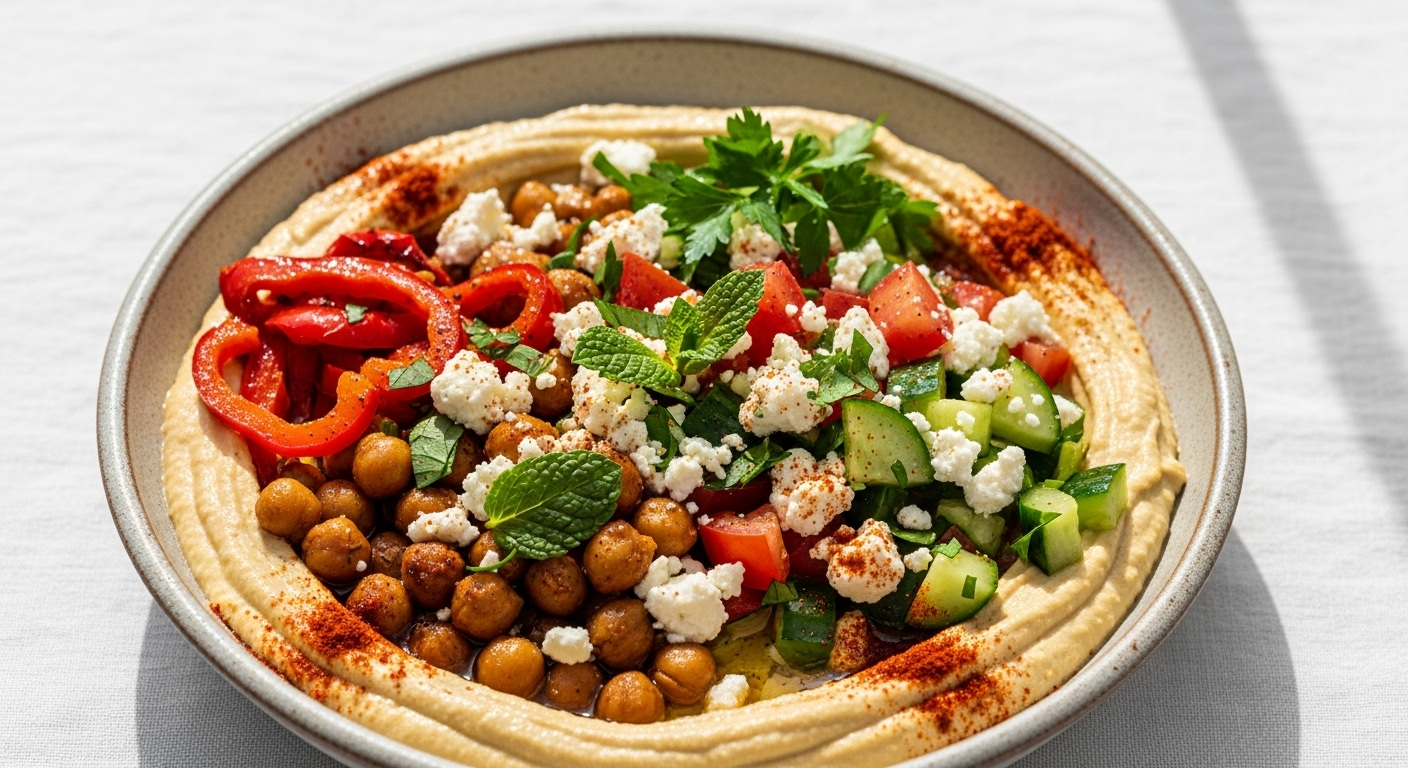
step into a world where vibrant spices dance on yoru palate, and every bite tells a story steeped in tradition. The Moroccan hummus bowl is more than just a dish-itS a culinary journey that marries the creamy richness of classic hummus with the bold, aromatic flavors of North Africa. From the smoky whispers of roasted cumin to the shining zest of fresh herbs and the subtle warmth of preserved lemons, this bowl invites you to explore a tapestry of tastes that capture the heart of Moroccan cuisine. Join us as we uncover the secrets behind crafting an authentic Moroccan hummus bowl, a vibrant festivity of flavor designed to delight both the curious food lover and the seasoned epicurean alike.
Discover the flavors of an Authentic moroccan Hummus Bowl by diving deep into its engaging origin and vibrant taste profile. This beloved dish, rooted in North African culinary traditions, showcases more than just mashed chickpeas – it’s a celebration of bold spices, fragrant herbs, and textural contrasts that create a uniquely Moroccan experience. Whether you’re drawn by the story behind its ingredients or by the inviting warmth of every spice, this recipe invites you to savor a bowl rich in history and flavor, perfect for sharing with friends and family.
Prep and Cook Time
- Preparation: 15 minutes
- Cooking: 40 minutes (including chickpea soaking)
- total Time: 55 minutes
Yield
- Serves 4-6 generously
Difficulty Level
- Medium – requires some ingredient prep and spice blending
Ingredients
- 1 ½ cups dried chickpeas (soaked overnight and drained)
- ¾ teaspoon baking soda (for cooking chickpeas)
- ¼ cup fresh lemon juice (about 1 large lemon)
- ¼ cup extra virgin olive oil, plus extra for drizzling
- 3 cloves garlic, finely minced
- ½ teaspoon ground cumin
- ½ teaspoon smoked paprika
- ½ teaspoon ground coriander
- ½ teaspoon ras El Hanout (a Moroccan spice blend)
- Salt to taste
- Water (as needed for blending)
- 1 tablespoon finely chopped fresh parsley, for garnish
- 1 tablespoon toasted pine nuts, for topping
- optional: pomegranate seeds and a sprinkle of Aleppo pepper for a pop of color and spicy tang
Instructions
- Prepare the chickpeas: Rinse the soaked chickpeas then place them in a large pot with ¾ teaspoon baking soda and cover with water by 2 inches. Bring to a boil, then reduce heat and simmer gently until very tender, about 35-40 minutes. Drain well, reserving some cooking water.
- Blend the base: In a food processor,combine cooked chickpeas,lemon juice,garlic,cumin,smoked paprika,coriander,Ras El Hanout,and salt. Pulse a few times to start mashing the mixture together.
- Add olive oil and water: with the processor running, slowly drizzle in olive oil and enough reserved cooking water (or plain water) to achieve a smooth, creamy texture. Scrape down the sides as needed. The final consistency should be luscious and spreadable.
- Adjust seasoning: Taste and adjust salt, lemon, or spices to ensure a well-balanced flavor with a hint of warmth from the Ras El Hanout blend.
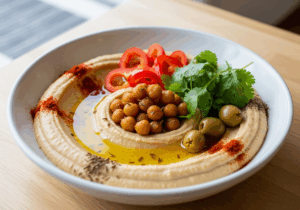
- Serve artfully: Spoon the hummus into a shallow bowl, creating a shallow well in the center with the back of a spoon. Drizzle with extra olive oil, sprinkle pine nuts, fresh parsley, and optional pomegranate seeds or Aleppo pepper.
Tips for Success
- Use dried chickpeas: For the creamiest texture and authentic taste, soaking and cooking dried chickpeas is key. Canned chickpeas can be used in a pinch but lack the same depth.
- Spice it right: Ras El Hanout varies by region; choose a complex blend with warm spices like cinnamon, cardamom, and turmeric to capture Moroccan essence.
- make ahead: This hummus can be stored in an airtight container in the refrigerator for up to 3 days. Bring to room temperature and stir before serving.
- Custom texture: For chunkier hummus, reserve a handful of chickpeas and gently fold them in after blending.
- Garlic infusion: If you prefer a mellower garlic flavor, lightly roast the garlic cloves before blending.
serving Suggestions
This hummus shines as the centerpiece of a Moroccan mezze platter alongside warm, fluffy pita bread, roasted eggplants, and crisp cucumber slices. For an elevated bowl, serve it atop a bed of couscous or alongside grilled lamb kebabs.Garnish extravagantly with fresh herbs, crunchy pine nuts, and jewel-toned pomegranate seeds for a visual feast. A drizzle of smoky olive oil and a light sprinkle of Aleppo pepper introduce layers of aroma and a hint of heat with every bite.

| Nutrient | per Serving (about 1/4 cup) |
|---|---|
| Calories | 160 kcal |
| Protein | 6 g |
| Carbohydrates | 18 g |
| Fat | 7 g |
For those interested in exploring more Moroccan spice blends and regional dishes, check out our complete guide to Moroccan spices. To deepen your knowledge on the health benefits of chickpeas and legumes, visit the Medical News Today article on chickpeas.
Q&A
Q&A: Discover the Flavors of an Authentic Moroccan Hummus Bowl
Q1: What makes a Moroccan hummus bowl different from regular hummus dishes?
A1: While customary hummus is a smooth blend of chickpeas, tahini, lemon, and garlic, a Moroccan hummus bowl is a vibrant tapestry of bold spices, fresh herbs, and complementary textures. It isn’t just a dip; it’s a wholesome meal bursting with warm cumin,smoky paprika,zesty preserved lemons,and often crowned with roasted vegetables or spiced lamb-transforming the humble hummus into an authentic Moroccan feast.
Q2: Which spices are essential to capture the true Moroccan flavor in a hummus bowl?
A2: The heart of moroccan flavor lies in spices like cumin, coriander, smoked paprika, and a touch of cinnamon or nutmeg. Adding ras el hanout-a traditional Moroccan spice blend-can elevate your hummus bowl with its complex layers of fragrant warmth,featuring cardamom,turmeric,ginger,and more. These spices create a rich, inviting base that’s unmistakably Moroccan.
Q3: How is the texture of a Moroccan hummus bowl different from classic hummus?
A3: Unlike the creamy, silky smooth traditional hummus, a Moroccan hummus bowl often embraces heartier textures. Think coarsely blended chickpeas mixed with a drizzle of velvety olive oil,crunchy toasted nuts like pine nuts or almonds,and fresh herbs sprinkled on top. Toppings such as roasted eggplant or caramelized onions add layers of texture that delight every bite.
Q4: what traditional Moroccan ingredients complement the hummus in the bowl?
A4: From briny preserved lemons and bright pomegranate seeds to smoky roasted red peppers and fragrant fresh cilantro or parsley, Moroccan cuisine dazzles with its bounty. Adding warm harissa sauce adds a spicy kick,while olives or grilled meats can turn the bowl into a full,satisfying meal steeped in tradition.
Q5: Can the moroccan hummus bowl be adapted for different diets?
A5: Absolutely! The base chickpea hummus is naturally vegan and gluten-free. For plant-based versions, pile on roasted vegetables, fresh herbs, and a dollop of harissa. Meat lovers might enjoy spiced ground lamb or chicken nestled on top. This bowl is as versatile as it is flavorful, embracing all kinds of dietary preferences while staying true to its Moroccan roots.
Q6: How can one serve and enjoy an authentic Moroccan hummus bowl?
A6: Serve your Moroccan hummus bowl with warm pita bread or crisp flatbreads for scooping, along with a side of refreshing mint tea to cleanse the palate. The key is to enjoy the bowl communally-dipping, sharing, and savoring the medley of flavors that reflect the warmth and hospitality of Moroccan culture.
Q7: Why should food enthusiasts explore Moroccan hummus bowls?
A7: Moroccan hummus bowls are a celebration of culture and creativity, turning a familiar staple into an exotic, layered experience. They offer an accessible doorway into the rich culinary traditions of morocco, introducing newcomers to intoxicating spices and vibrant colors that awaken the senses. For anyone craving nourishment with a soulful twist, this dish is a must-try!
Uncovering the layers of an authentic moroccan hummus bowl is more than a culinary journey-it’s a flavorful adventure infused with history, warmth, and spice. Ready to taste the magic?
Closing Remarks
As you savor the vibrant layers of an authentic Moroccan hummus bowl, you’re not just enjoying a meal-you’re experiencing a rich tapestry of culture, history, and tradition woven into every bite. From the aromatic spices to the creamy chickpeas, each element tells a story of Morocco’s diverse culinary heritage. Whether you’re a seasoned foodie or an adventurous beginner,this flavorful journey invites you to explore new tastes and appreciate the artistry behind a humble dish elevated to a feast for the senses. So next time you crave something both comforting and exotic, let the Moroccan hummus bowl transport you to the bustling markets and sun-kissed kitchens of North Africa-one spoonful at a time.