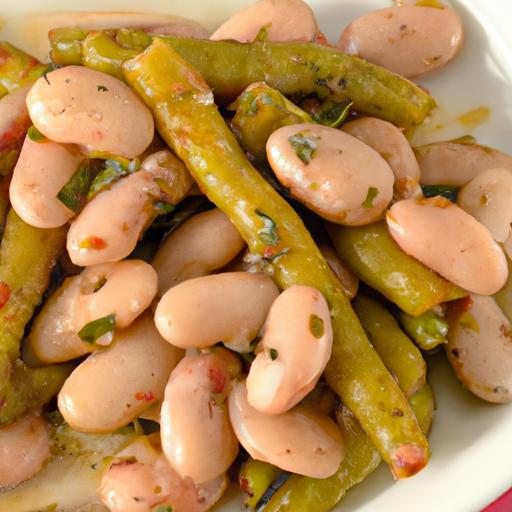

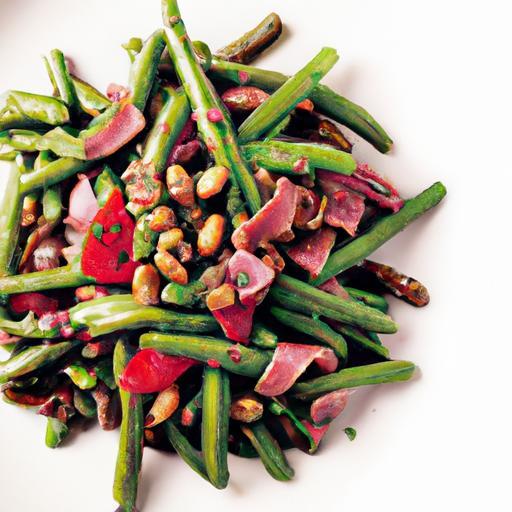
Nestled within teh vibrant tapestry of Greek cuisine, fasolakia holds a special place as a beloved comfort dish that brings the essence of sun-kissed gardens to the table. These tender green beans, slowly simmered in a fragrant blend of olive oil, tomatoes, and herbs, offer more than just a side-they tell a story of tradition, seasonality, and simple, wholesome flavors that have been cherished for generations. In this journey through fasolakia, we’ll explore not only the recipe behind Greece’s iconic green bean delight but also the cultural rhythms and culinary heritage that make this dish a green jewel of the Mediterranean kitchen.
Discovering the Cultural roots of Fasolakia in Greek Cuisine
Fasolakia, the beloved Greek green bean stew, is a soulful dish that carries with it centuries of tradition and familial warmth. Originating from the sun-drenched villages of greece, it reflects the simplicity and freshness of Mediterranean cooking. Every spoonful tells a story-a testament to seasonal ingredients and the art of slow simmering. I vividly recall my first encounter with fasolakia at a humble taverna in Crete,where the hearty aroma of tomatoes mingled with fresh herbs,bringing together a genuine sense of home and community.
This dish, though humble in appearance, captures the very essence of Greek cuisine: vibrant, wholesome, and approachable. The fresh green beans,lovingly hand-picked by local farmers,are cooked gently with fragrant olive oil,ripe tomatoes,and hints of lemon,creating a comforting yet lively flavour profile that enchants every palate.
Prep and Cook Time
- Preparation: 15 minutes
- cooking: 45 minutes
- Total time: 1 hour
Yield
Makes 4 hearty servings
Difficulty Level
Easy – Perfect for both novice and experienced home cooks
Choosing the Best Ingredients for Authentic Flavor
The key to mastering authentic fasolakia lies in selecting the freshest, high-quality ingredients. Opt for crisp, tender green beans-preferably organic and locally sourced. Avoid overripe or fibrous beans, wich can detract from the silky stew. Ripe plum tomatoes or high-grade canned San Marzano tomatoes provide the essential sweetness and acidity balance. Don’t skimp on extra virgin olive oil; this secret ingredient is the backbone of Greek cuisine,infusing the dish with richness and depth. Finish with fresh dill or parsley and a squeeze of lemon juice to brighten every bite.
Ingredients
- 1 lb (450g) fresh green beans, trimmed and cleaned
- 3 tbsp extra virgin olive oil
- 1 medium onion, finely chopped
- 3 cloves garlic, minced
- 4 medium ripe tomatoes, peeled and chopped (or 1 cup canned San Marzano tomatoes)
- 1 tbsp tomato paste
- 1 cup (240ml) vegetable broth or water
- 1 medium potato, peeled and cubed (optional for extra body)
- Juice of 1 lemon
- Salt and freshly ground black pepper to taste
- 2 tbsp fresh dill or parsley, chopped
Mastering the Art of Cooking Traditional Fasolakia
- Heat the olive oil in a large heavy-bottomed pot over medium heat. Add the chopped onion and sauté until soft and translucent, about 5 minutes.
- Stir in the garlic and cook for another minute,releasing its aroma but avoiding browning.
- Add the tomatoes, tomato paste, and vegetable broth, stirring to combine. Simmer gently for 8 minutes until a thick sauce begins to form.
- Introduce the trimmed green beans and diced potato (if using). Mix well,ensuring all the beans are submerged in the sauce. Season generously with salt and pepper.
- Cover and simmer on low heat for 35-40 minutes,stirring occasionally.The beans shoudl become tender but not mushy, and the sauce should thicken beautifully.
- remove from heat and stir in the fresh lemon juice and chopped dill or parsley. Adjust seasoning as needed.
- Let the dish rest covered for 5 minutes to allow flavors to meld before serving.
Chef’s Notes
- For a vegan twist that retains deep flavor, substitute vegetable broth with mushroom broth.
- If tomatoes are out of season,high-quality canned tomatoes provide consistent results and vibrant color.
- Make-ahead tip: Fasolakia tastes even better the next day; refrigerate and gently reheat, adding a splash of water if the sauce thickens too much.
- for a heartier version, add a handful of cooked chickpeas or top with crumbled feta cheese right before serving.
- Balance the acidity with a pinch of sugar if the tomatoes feel too tart after simmering.
serving Suggestions
Plate fasolakia warm, drizzled with a little extra virgin olive oil and a sprinkle of fresh herbs. Serve alongside crusty rustic bread for soaking up the luscious sauce, or as a vibrant side dish to grilled lamb or roasted chicken. A wedge of lemon on the side invites guests to brighten their bites further. For a vegetarian feast, pair with a Greek village salad and creamy tzatziki for a refreshing, complementary balance.
Pairing Fasolakia with Wine and Complementary Dishes
The bright herbal notes and gentle acidity of fasolakia make it an excellent partner to crisp, dry white wines, such as Assyrtiko or Sauvignon Blanc. These wines echo the citrus and herbal tones beautifully, cleansing the palate between bites. For red wine lovers, opt for a light-bodied Agiorgitiko, offering soft tannins that won’t overpower the delicate beans and tomatoes. Complement the meal with traditional Greek sides like spanakopita or grilled haloumi to elevate the dining experience.

| Nutrient | Per Serving |
|---|---|
| Calories | 180 kcal |
| Protein | 4.2 g |
| Carbohydrates | 22 g |
| Fat | 8 g |
For an in-depth look at other traditional Greek vegetable dishes that highlight local produce, check out our detailed guide. To learn more about the rich history of mediterranean cuisine, explore resources from the Greek Boston Culinary Project.
Q&A
Q&A: Fasolakia – Exploring Greece’s Iconic Green Bean Delight
Q: What exactly is Fasolakia?
A: Fasolakia (φασολάκια) is the quintessential Greek dish featuring tender green beans slow-cooked in a rich tomato sauce, frequently enough infused with fragrant olive oil, garlic, onions, and fresh herbs. It’s a beloved staple of Greek cuisine, celebrated for its simplicity, vibrant flavors, and wholesome goodness.
Q: Why are fasolakia so iconic in Greece?
A: Fasolakia epitomize the essence of Greek home cooking-using fresh, local ingredients that highlight the Mediterranean palate. This dish is a symbol of seasonal abundance and family tradition, frequently enough served as a comforting side or a light vegetarian main. Its popularity also stems from the Greek ethos of “kali kardia” (good heart)-nourishing both body and soul.
Q: How are Fasolakia traditionally prepared?
A: Traditionally, Fasolakia are prepared by sautéing green beans with onions and garlic in generous amounts of extra virgin olive oil, then simmering them slowly in a fragrant tomato sauce seasoned with herbs like dill or parsley. The slow cooking allows the beans to become melt-in-your-mouth tender, absorbing all the vibrant citrusy and savory notes.
Q: Are there regional variations of Fasolakia in Greece?
A: Absolutely! While the core ingredients remain consistent,some regions add potatoes to the mix for extra heartiness,others incorporate a splash of red wine or a sprinkle of cinnamon for a subtle twist. Coastal areas might serve Fasolakia with fresh fish, whereas inland, it’s more commonly enjoyed with rustic bread and feta cheese.Q: Can Fasolakia be served any way other than hot?
A: While Fasolakia are traditionally served warm, they are equally delightful at room temperature, especially during summer months. The dish also shines as part of a meze spread, offering a refreshing and healthy balance to richer fare.
Q: Is Fasolakia suitable for special diets?
A: Yes! Fasolakia are naturally vegan and gluten-free, perfect for those following plant-based or allergen-conscious diets. Their reliance on fresh vegetables and olive oil positions them as a healthful option loaded with fiber, vitamins, and antioxidants.Q: How can someone outside Greece best experience Fasolakia?
A: To truly capture the spirit of Fasolakia, seek out fresh, crisp green beans and ripe, flavorful tomatoes. Cook slowly with quality olive oil and don’t rush the simmering stage. Pair it with crusty bread, a glass of chilled Greek white wine, and maybe a side of tangy feta. This dish is best enjoyed in good company-as Greek food is all about sharing stories and savoring simple pleasures.
Q: What does Fasolakia teach us about greek culture?
A: Fasolakia reveal how Greek cuisine honors nature’s rhythms and values hospitality. They reflect a lifestyle that embraces patience, community, and respect for wholesome ingredients. This humble green bean dish invites us to slow down, appreciate the bounty of the earth, and gather around the table with loved ones-a timeless lesson wrapped in tomatoey goodness.
To Wrap It Up
As the final bite of fasolakia lingers on your palate, you’re left not just with the taste of tender green beans and fragrant herbs, but with a deeper connection to greece’s rich culinary heritage. This humble dish, simple yet bursting with vibrant flavors, is a testament to the country’s love for fresh, wholesome ingredients and seasonal eating. Whether savored in a sun-drenched taverna or prepared at home with care, fasolakia invites you to experience the heart of Greek cooking-where tradition, community, and nature’s bounty come together on a single plate. So next time you seek a dish that nourishes both body and soul, look no further than fasolakia, Greece’s iconic green bean delight, a timeless celebration of flavor and culture.