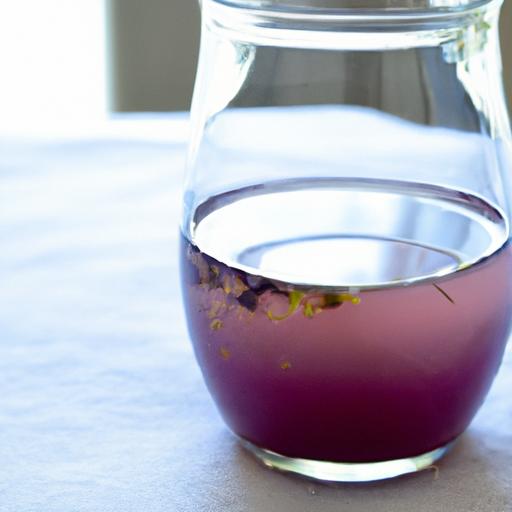

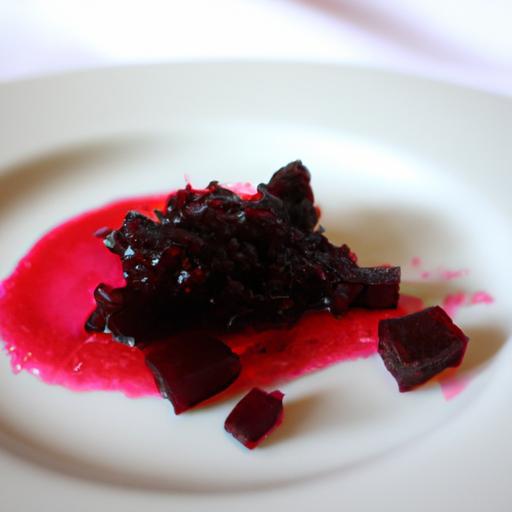
Beneath the vibrant ruby hue of a glass of beet kvass lies centuries of tradition and a bubbling world of beneficial microbes ready to nurture yoru gut and invigorate your senses. This ancient fermented elixir, cherished in Eastern European kitchens, is more than just a tangy, refreshing tonic – it’s a party of nature’s simplest ingredients transformed by time and touch into a powerhouse of probiotics and earthy flavor. Whether you’re a fermentation novice or a kitchen alchemist seeking your next project, crafting your own beet kvass is an inviting journey into the art and science of fermentation. Join us as we unravel the magic behind this vibrant drink and guide you step-by-step to fermenting your very own jar of liquid vitality.
Understanding the Health Benefits of Beet Kvass and Why It Deserves a Spot in Your Diet
Fermented Goodness welcomes you to the vibrant world of beet kvass, a conventional Eastern European elixir celebrated for its tangy, earthy flavor and remarkable health benefits. This naturally fermented tonic is not only a potent digestive aid but also a rich source of probiotics, antioxidants, and essential nutrients that promote liver health, support detoxification, and enhance gut balance.I vividly recall first tasting beet kvass on a chilly autumn afternoon at a countryside homestead in Ukraine, where its luminous ruby color and sharp, refreshing taste instantly piqued my curiosity. Since then, crafting this fermented gem at home has become a joyous ritual, connecting me deeply to age-old culinary traditions and nourishing my body from within.
Choosing the Perfect Beets and Ingredients for Optimal Fermentation
For an outstanding batch of beet kvass, selecting the right ingredients is key. Opt for fresh, organically grown beets with smooth skins and a deep, vibrant hue-these qualities indicate richer flavor and higher nutrient content. smaller to medium-sized beets tend to ferment more evenly and develop a balanced tartness. Beyond beets, pure water (preferably filtered or spring water) and unrefined sea salt are essential for fostering the ideal fermentative environment. Some artisans add a clove of garlic, a slice of ginger, or a handful of whey to encourage a firmer probiotic profile and nuanced complexity. Avoid metal containers and chlorinated water,as these can inhibit natural bacteria growth.
Step-by-Step Guide to Crafting Your Own Vibrant and Tangy Beet Kvass
Embark on your home fermentation journey with this approachable recipe that captures the essence of fermented goodness through every ruby drop.
Prep and Cook Time: 15 minutes prep + 4-7 days fermentation
Yield: Approximately 4 cups (1 liter)
Difficulty Level: Easy
Ingredients
- 3 medium organic beets, scrubbed and cut into 1-inch cubes (peeling optional)
- 1 tablespoon unrefined sea salt
- 4 cups filtered or spring water
- 1 garlic clove, peeled (optional)
- 1 inch piece fresh ginger, sliced (optional)
- A small handful of whey (optional, use as a starter culture)
Instructions
- Prepare your fermenting jar. use a clean 1-quart (1L) glass jar and sterilize it with boiling water. Allow to cool.
- Place the beet cubes into the jar along with the garlic clove,ginger slices,and whey if using. These additions lend depth and amiable bacteria to your kvass.
- Dissolve the sea salt thoroughly in the filtered water. Pour this brine over the beets until fully submerged, leaving about 1 inch (2.5 cm) of headspace.
- Weigh down the beets using a fermentation weight or a small, clean glass object to keep them below the brine and prevent mold growth.
- Cover the jar loosely. Use a cloth secured by a rubber band or a fermentation lid with an airlock to allow gases to escape.
- Place the jar in a cool, dark spot (around 65-75°F / 18-24°C) to ferment for 4-7 days. Check daily for bubbles and taste to monitor flavor progress.
- Once the kvass achieves a pleasantly tangy, slightly effervescent profile, strain out the solids and transfer the liquid to a clean bottle. Refrigerate to slow fermentation.
Tips for storing, Serving, and Enhancing the Flavor of Your Homemade Brew
Store your beet kvass in airtight glass bottles in the refrigerator for up to 2 weeks. the live cultures will continue evolving, making your brew delightfully unique each batch. serve chilled or at room temperature as a refreshing tonic shot or mixed into cocktails and salad dressings for a probiotic punch. For a zesty twist, add a splash of lemon juice, a sprinkle of fresh dill, or a pinch of cracked black pepper just before serving.Don’t hesitate to experiment by blending in other fermented vegetables like carrots or beets from last batch to deepen flavor complexity.
Chef’s Notes: Tips for Success
- Peeling beets: The skin contains nutrients and beneficial microbes; peeling is optional based on your preference and beet condition.
- Clear brine: Using filtered water prevents unwanted chlorine harming your ferment’s bacteria.
- Mold prevention: always keep beets submerged under the brine and use clean weights.
- Flavor adjustments: Adjust salt by ± 1 tsp to suit your taste or fermentation speed.
- Make-ahead: Start your kvass up to a week in advance for a healthy gut boost anytime.
Serving Suggestions
Pour your vibrant beet kvass into small glasses for an invigorating digestive health shot. Pair it with hearty soups, grilled meats, or vegetable platters. Garnish with a sprig of fresh mint or dill to uplift its bright earthiness and create an inviting presentation worthy of any table. Its deep ruby hue also makes it a fantastic natural food dye for summer cocktails or culinary photography.
| nutrient | Per 4 oz Serving |
|---|---|
| Calories | 15 |
| Protein | 1 g |
| Carbohydrates | 3 g |
| Fat | 0 g |
| Probiotics | Rich source |
Discover more on fermentation benefits and recipes in our Probiotic Fermented Foods Guide.
For a deeper dive into the science behind fermentation,visit the National Institutes of Health’s article on fermented foods and gut microbiota.

Q&A
Q&A: Fermented Goodness – Crafting Your Own Beet Kvass Recipe
Q1: What exactly is beet kvass, and why is it called a “fermented goodness”?
A1: Beet kvass is a traditional Eastern European beverage made by fermenting beets, water, and salt. It’s often dubbed “fermented goodness” because it’s packed with probiotics, enzymes, and vibrant nutrients that support digestion, boost immunity, and even enhance detoxification. The natural fermentation process transforms humble beets into a tangy,effervescent tonic brimming with health benefits.
Q2: Why should I try making beet kvass at home instead of buying it?
A2: Crafting your own beet kvass is like bottling up a little magic-complete control over ingredients, flavor tweaks, and freshness is all yours. Store-bought versions can sometimes be pasteurized,killing beneficial cultures,or loaded with sugars and additives. Homebrewing lets you tap into the ancient art of fermentation and enjoy a vibrant, living elixir as fresh as morning dew.
Q3: What basic ingredients do I need to get started?
A3: The classic trio includes fresh beets,non-chlorinated water (to keep your microbes happy),and good-quality sea salt or Himalayan salt. Optional extras like garlic, ginger, or herbs can add depth and complexity. Keep it simple, and the beets will do the heavy lifting with thier natural sugars feeding the fermentation process.
Q4: Can you walk me through the basic steps of making beet kvass?
A4: Absolutely! Start by chopping your beets into chunks-no peeling necessary; the skin adds wild microbes. Toss them in a clean jar, dissolve 1-2 tablespoons of salt in about a quart of water, and pour it over the beets to submerge completely. Cover with a breathable cloth or lid (loosening it to release gases), then let it cozy up at room temp for 3-7 days. You’ll notice bubbles and a pleasantly sour aroma-that’s your ferment in action!
Q5: How do I know when my beet kvass is ready?
A5: Taste is your best guide. When it turns tangy with a hint of earthiness and mild fizz, you’re there. The longer it ferments, the more pronounced the sour notes become. Once satisfied,strain out the beets and transfer the kvass to the fridge to slow fermentation-sip chilled,or use it as a vibrant cocktail mixer or digestive tonic before meals.
Q6: Is beet kvass safe for everyone?
A6: For the most part, yes! the probiotics and nutrients are generally beneficial, but if you have specific health conditions, immune issues, or are pregnant, it’s wise to consult a healthcare professional before introducing fermented foods. Also, start with small amounts to see how your body reacts.
Q7: Can I reuse the beets or the brine for another batch?
A7: Great question! You can actually toss the fermented beets into soups, stews, or salads-they’re tangy little flavor bombs. As for the brine, it’s better to make a fresh batch each time for proper salt balance and microbial activity. Some enthusiasts keep a “starter” from the first batch to kickstart the next ferment, but freshness is key.
Q8: Any tips to avoid fermentation disasters?
A8: simple! Always use clean equipment,keep beets fully submerged to prevent mold,and avoid using chlorinated water or iodized salt that can inhibit fermentation. If you spot fuzzy mold on top, discard that batch and start anew-better safe than sorry in the fermentation world.
Q9: How can I customize the flavor of my beet kvass?
A9: The beauty of beet kvass lies in its versatility.Add garlic cloves for pungent warmth, ginger slices for a spicy zing, or a sprig of dill for fresh notes. Experiment with different salts or even a splash of apple cider vinegar post-fermentation for extra tang. Your taste buds are the ultimate guide.
Q10: why is beet kvass considered a “superfood” in the fermentation community?
A10: Beyond its vibrant color and earthy sweetness, beet kvass delivers a powerhouse of probiotics that nourish gut microbiota, antioxidants that fight inflammation, and compounds like betaine that support liver health. This dynamic trio of nutrition, tradition, and taste makes beet kvass a beloved elixir-fermented goodness in a glass!
Concluding Remarks
As you embark on your journey to brew beet kvass at home, remember that each batch is a unique symphony of nature’s microbes and your own hands’ care. This ancient elixir not only offers a vibrant splash of color and tangy flavor but also invites a host of probiotics into your daily routine-nurturing your gut and enlivening your palate.Whether you choose to experiment with additional herbs, spices, or simply savor the pure, earthy essence of beets, crafting your own beet kvass is a tasty way to reconnect with time-honored fermentation traditions. So grab your jar, trust the gentle magic of fermentation, and toast to healthful sipping-fermented goodness is truly within your grasp.