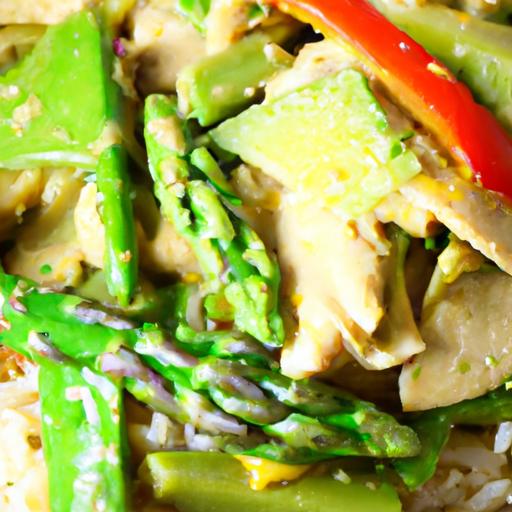

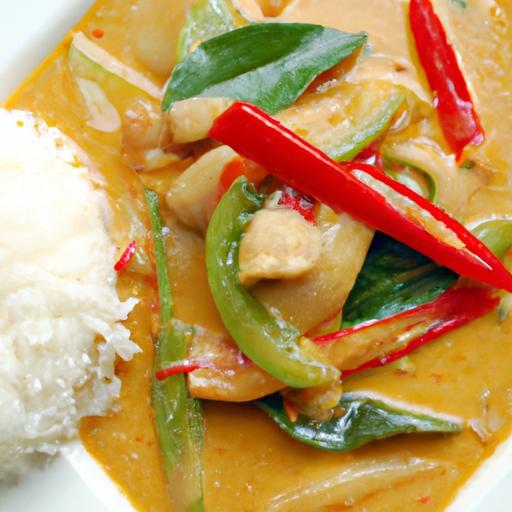
In the vibrant world of Thai cuisine, few dishes spark as much passionate debate as green adn red curry. Each boasts a rich tapestry of flavors, colors, and aromas that captivate the senses and tell stories of tradition and regional artistry. But what truly sets thes two iconic curries apart? Is it the fiery punch of the red chili,or the fresh,herbal brightness of the green? Join us as we dive into a flavorful culinary showdown,unraveling the ingredients,cultural roots,and unique taste profiles that make Green and Red Thai Curries equally beloved-and discover which might just win your palate’s heart.
Green vs. Red thai Curry offers a fascinating gateway into the vibrant culinary traditions of Thailand, showcasing the artful balance of bold spices, fresh herbs, and rich textures that have captivated food lovers worldwide. rooted deeply in Thailand’s rich history, these curries represent two distinct yet equally aromatic experiences, each telling a story of its unique origin and cultural significance.
Prep and Cook Time
- Readiness: 15 minutes
- Cooking: 30 minutes
- Total Time: 45 minutes
Yield
Serves 4 hearty portions
Difficulty Level
Medium – ideal for adventurous home cooks ready to explore vibrant flavors
Ingredients
- 2 tablespoons green or red Thai curry paste (depending on preference)
- 1 can (400 ml) coconut milk,well shaken
- 1 cup chicken broth or vegetable stock
- 500 grams boneless chicken thighs or tofu,diced
- 1 tablespoon palm sugar or brown sugar
- 2 tablespoons fish sauce (substitute soy sauce for vegetarian)
- 1 cup Thai eggplant or green beans,halved
- 1 red bell pepper,julienned
- 1/2 cup fresh Thai basil leaves
- 2 kaffir lime leaves,torn (optional but highly recommended)
- 1 tablespoon vegetable oil
- Fresh cilantro and sliced red chili,for garnish
- Steamed jasmine rice,to serve
Instructions
- Heat the oil in a large skillet or wok over medium heat. Add the Thai curry paste and sauté until fragrant and oily, about 2-3 minutes, stirring continuously to release its aromatic oils.
- Slowly stir in the coconut milk, blending it smoothly with the curry paste to create a creamy base. Bring to a gentle simmer.
- Add the chicken or tofu pieces, coating them well in the sauce. Let simmer for 5-7 minutes until the protein is cooked through or slightly firm for tofu.
- Pour in chicken broth, fish sauce, and palm sugar. Stir to combine, balancing the salty, sweet, and savory notes foundational to Thai curry.
- Add the vegetables including Thai eggplants, green beans, and bell pepper. Simmer for another 5-8 minutes until vegetables are tender but still vibrant.
- Just before removing from heat, tear in the kaffir lime leaves and toss in fresh Thai basil for a fragrant finish. Stir through gently.
- Serve piping hot over steamed jasmine rice, garnished generously with fresh cilantro and a few slices of red chili for extra heat and colour contrast.
Chef’s Notes
- Choosing Your Curry Paste: Green Thai curry tends to be fresh and herbaceous due to its heavy use of fresh green chilies and lemongrass, while red Thai curry is bolder and more robust with dried red chilies and coriander seeds providing depth.
- Spice Level: Adjust the curry paste quantity and garnish with chilies to tailor the heat to your liking.
- Vegetarian Variations: Swap fish sauce for soy sauce and use tofu or hearty vegetables like mushrooms or eggplants to maintain authenticity with a twist.
- Make Ahead: Curries often improve in flavor if made a few hours in advance or the day before, letting the spices meld beautifully.
- Storage: Keep leftovers refrigerated up to 3 days or freeze in portions for up to a month.
Serving Suggestions
For the perfect presentation, serve the curry in shallow bowls with a side of steaming jasmine rice.Garnish with fresh Thai basil leaves, a wedge of lime, and finely sliced red chili. A light cucumber salad or crunchy peanut garnish can add refreshing contrast. Pair with a chilled coconut water or light lager to balance the curry’s richness.
| Nutrient | Per Serving |
|---|---|
| Calories | 420 kcal |
| Protein | 30 g |
| Carbohydrates | 18 g |
| Fat | 28 g |

Discover how to master these curries and dive deeper into Thai cuisine with our Authentic Thai recipes Collection. For an exploration of Thai culinary heritage beyond curries, visit the official Thailand Tourism Culture portal.
Q&A
Q&A: Green vs. Red Thai Curry – A Flavorful Culinary Showdown
Q1: What are the key differences between green and red Thai curry?
A: At first glance, green and red Thai curries might look like colorful cousins, but their personalities differ significantly. Green curry boasts a vibrant, fresh, and herbaceous profile, thanks to ingredients like green chilies, cilantro, and Thai basil. Red curry, on the other hand, is deeper and smokier with a robust heat, anchored by dried red chilies, garlic, and sometimes a hint of sweetness from palm sugar. Texture-wise, both bathe your palate in creamy coconut milk, but their spice palettes set them apart.
Q2: How do the chili types influence the flavor and heat level of each curry?
A: The chillies are the crown jewels of these curries. green curry uses fresh green chilies, which bring a sharper, brighter spice with a crisp vegetal bite. Simultaneously occurring, red curry peppers are dried red chilies, offering a fuller-bodied heat that feels warming rather than sharp. This difference means green curry frequently enough hits you with a zesty, zingy punch, while red curry delivers a slow-building, smoky warmth.Q3: Which curry pairs best with certain proteins or vegetables?
A: Green curry’s lighter, herbal notes beautifully complement tender chicken, fish, or shrimp, as well as fresh veggies like eggplant, bamboo shoots, and snow peas. It’s like a garden party in a bowl. Red curry’s hearty, rich flavors are perfect for beef, pork, and duck or robust vegetables like pumpkin and bell peppers, adding depth and satisfying comfort to each bite.
Q4: Are green and red Thai curries equally spicy?
A: Spice is subjective, but generally, green curry can be spicier due to the concentration of fresh green chilies. However, red curry’s heat, fueled by dried chilies, is more rounded and can crescendo slowly. Both can be dialed up or down depending on the cook’s preference-Thai cuisine is famously flexible!
Q5: What cultural or regional factors influence these curry styles?
A: Both curries hail from central Thailand, where the climate lends itself to growing aromatic herbs and a bounty of chilies.Green curry emphasizes freshness, reflective of Thailand’s lush landscapes, while red curry’s warmth mirrors the rich, hearty flavors favored in festive or communal meals. Recipes can vary from family to family, and street vendors to high-end restaurants, each adding their own twist.
Q6: Can these curries be adapted for dietary preferences?
A: Absolutely! Both green and red curry pastes are naturally gluten-free and can be made vegan or vegetarian by swapping out conventional shrimp paste for fermented soy or mushroom-based alternatives. Coconut milk lends a creamy, dairy-free richness. You can also control saltiness and sweetness to fit your palate perfectly.
Q7: How should one serve these curries to maximize their flavor?
A: Serve both curries piping hot alongside fragrant jasmine rice to soak up every luscious drop. A sprinkle of fresh Thai basil, kaffir lime leaves, or a wedge of lime can brighten the dish. For a truly authentic experience, pair with simple side dishes like steamed vegetables, fresh herbs, or a crisp papaya salad to contrast the creaminess.
Q8: Why do green and red Thai curries remain favorites worldwide?
A: Their enduring popularity lies in the beautiful balance of bold flavors-spicy, sweet, salty, and sour-that Thai cuisine is famous for. Green and red curries each offer a distinct journey: one light and fresh, the other rich and smoky. Together, they showcase the extraordinary versatility and vibrant soul of thai cooking, captivating global food lovers bite after bite.
Insights and Conclusions
In the vibrant world of Thai cuisine, both green and red curries stand as tasty champions, each bringing its own unique blend of heat, aroma, and harmony to the table. Whether you’re drawn to the fresh, herbaceous brightness of green curry or the rich, bold intensity of red, understanding their distinct ingredients and flavor profiles adds a deeper recognition to every bite. So next time you find yourself at a crossroads, let your palate be the guide in this flavorful culinary showdown-and savor the colorful story behind each spoonful. After all,in the battle of green versus red,there’s really no losing taste.