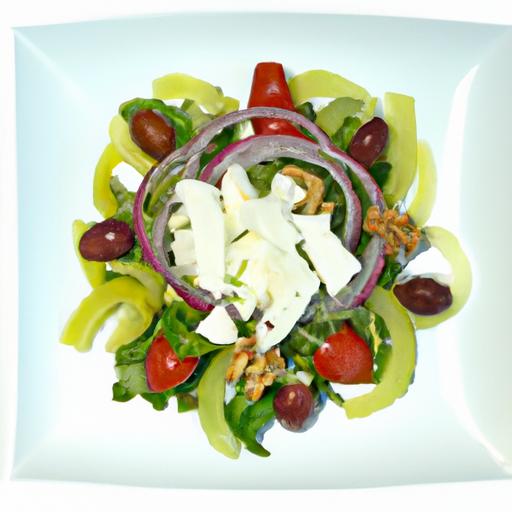

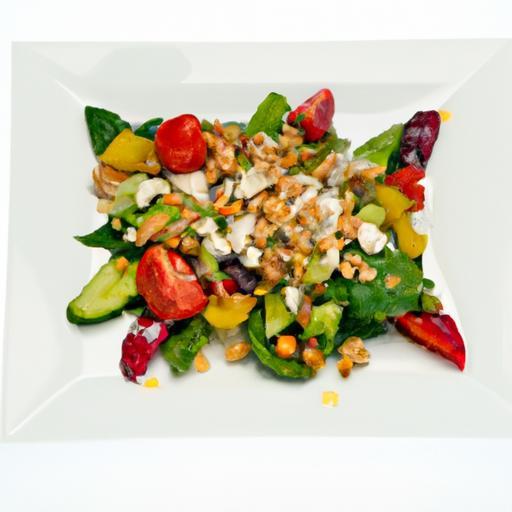
Beneath the sun-drenched skies of greece, amidst olive groves and rustic stone cottages, lies a culinary treasure that has captivated taste buds for centuries: the Horiatiki salad. Often simply called the Greek village salad, Horiatiki is far more than a medley of fresh vegetables-it’s a vibrant celebration of tradition, terroir, and timeless simplicity. In this exploration,we peel back the layers of this iconic dish to reveal the heart and soul behind it’s enduring authenticity,uncovering how each crisp cucumber,sun-ripened tomato,and briny crumble of feta tells a story steeped in heritage and the unhurried rhythms of village life. Join us as we unveil Horiatiki-the true essence of Greece served on a plate.
Horiatiki salad is a divine celebration of simple, vibrant ingredients that echo the sun-drenched villages of Greece. This recipe captures the authentic spirit of conventional Greek village flavors, offering a fresh and rustic salad that tastes like a Mediterranean breeze on your plate.Known also as the “Greek Village Salad,” Horiatiki embodies a culinary heritage rooted in communal tables and slow, joyful afternoons.
Prep and cook Time
Preparation: 15 minutes | Cooking: None | Total Time: 15 minutes
Yield
Serves 4 as a refreshing appetizer or side dish
Difficulty Level
Easy – Perfect for beginners and seasoned cooks alike
Key ingredients That Define Authentic Greek Village Flavor
- 3 large ripe tomatoes, cut into thick wedges
- 1 medium cucumber, peeled and sliced into half-moons
- 1 green bell pepper, thinly sliced
- 1 small red onion, thinly sliced
- 200g (7 oz) block of authentic Greek feta cheese, crumbled or cut into slabs
- 1/2 cup kalamata olives, pitted
- 2 tbsp extra-virgin olive oil
- 1 tbsp red wine vinegar
- 1 tsp dried oregano, preferably Greek
- Sea salt and freshly ground black pepper, to taste
Mastering the Art of Dressing and Presentation for Horiatiki
Unlike many salads, Horiatiki is traditionally dressed with just olive oil and vinegar, allowing the natural flavors of the produce to shine brilliantly. The trick is to use the best quality extra-virgin olive oil-fruity and peppery-to enhance each bite. The red wine vinegar should be added sparingly to balance acidity but never overpower the freshness. Sprinkle dried oregano last,as its aromatic notes bring an unmistakable Greek nuance that lingers delightfully on the palate.
Instructions
- Prepare the vegetables: gently wash and dry the tomatoes, cucumber, green pepper, and red onion. cut and slice as specified to maintain chunky, rustic pieces that hold texture and freshness.
- Assemble the base: In a large, shallow bowl or platter, layer the tomatoes, cucumbers, bell pepper, onion, and Kalamata olives. Avoid overmixing to preserve the vibrant colors and integrity of each ingredient.
- Add the feta: Place large slabs or big crumbles of feta cheese on top. Unlike crumbled feta typical in salads, serving slabs is more traditional and visually striking.
- Dress the salad: Drizzle the extra-virgin olive oil evenly over the salad, followed by a light splash of red wine vinegar. Season with a pinch of sea salt (keeping in mind feta’s saltiness) and freshly ground black pepper.
- Finish with oregano and serve: Sprinkle dried oregano liberally atop the salad for aromatic depth. Serve promptly at room temperature for optimal flavor.
Expert Tips for Sourcing Fresh Produce and Pairing Suggestions
To truly elevate your Horiatiki experience, sourcing fresh, seasonal ingredients is essential. Visit your local farmers’ market or specialty Greek grocers to find ultra-ripe tomatoes bursting with sweetness and freshly harvested cucumbers that retain a satisfying crunch. Authentic Kalamata olives and top-quality feta cheese are key-opt for PDO (Protected Designation of Origin) feta from Greece whenever possible to maintain authenticity.
For a complete, balanced meal, pair this salad with grilled lamb or seafood, crusty artisan bread, and a chilled glass of Assyrtiko white wine. These companions echo the rustic, sun-baked charm of a Greek village feast, bringing the Mediterranean spirit to your table.
Chef’s Notes
- Variation: Add a handful of capers for an extra briny kick, but avoid overloading to preserve simplicity.
- Substitution: If fresh oregano is available, use it rather of dried for a more vibrant taste.
- Make-ahead tip: Prepare all vegetables but dress and add feta just before serving to avoid sogginess.
- Presentation: Layer vegetables rather than toss to highlight each ingredient’s color and shape.
Serving Suggestions
Present Horiatiki in a wide, shallow bowl or a rustic wooden serving dish to echo traditional Greek hospitality.Garnish with a few fresh oregano sprigs or a lemon wedge on the side to add a bright touch and invite diners to customize their flavor profile. This salad pairs beautifully with warm pita bread or a drizzle of thick, peppery Greek olive oil on crusty bread.

| Nutritional Data (per serving) | Amount |
|---|---|
| Calories | 180 |
| Protein | 6g |
| Carbohydrates | 8g |
| Fat | 15g |
To explore more about Mediterranean flavors and dishes that complement this salad, check out our Mediterranean Dining Guide. For an authoritative take on Greek food traditions, the Greek Boston Food Culture offers rich insights and past context.
Q&A
Q&A: Horiatiki Unveiled – the Heart of Authentic Greek Village salad
Q1: What exactly is Horiatiki, and why is it called the “Greek Village Salad”?
A1: Horiatiki (χωριάτικη) literally means ”village-style” in Greek. it harks back to rustic, countryside roots where villagers crafted simple, fresh salads from their garden harvests. Unlike overly composed salads, Horiatiki celebrates the honest, unpretentious ingredients found in everyday Greek village life-making it an emblem of authenticity and tradition.
Q2: What are the essential ingredients in an authentic Horiatiki salad?
A2: At its core, Horiatiki is a vibrant mosaic of sun-ripened tomatoes, crisp cucumbers, pungent red onions, briny Kalamata olives, creamy cubes of feta cheese, crunchy green bell peppers, a sprinkle of dried oregano, and a generous drizzle of extra virgin olive oil. Sometimes a splash of red wine vinegar or a few capers join the mix, but these ingredients never overshadow the salad’s fresh simplicity.
Q3: How does Horiatiki differ from a typical garden salad?
A3: Unlike the finely chopped, tossed greens of a typical garden salad, Horiatiki embraces its natural geometry-thick chunks of vegetables rest side by side, not mingled. Feta is laid atop in generous slabs, not crumbled into bits, and the dressing is poured over with a light hand rather than mixed in. This intentional presentation honors each ingredient’s integrity and flavor, giving a rustic, hearty appeal.
Q4: Why is Horiatiki considered the heart of Greek cuisine?
A4: Horiatiki captures the essence of Greek culinary philosophy-fresh, high-quality ingredients treated with respect and minimal fuss.It brings together the Mediterranean’s bounty in a way that’s nourishing, colorful, and deeply connected to the land and culture. As a daily staple for locals and a beloved dish worldwide, it embodies hospitality, simplicity, and the joy of communal eating.
Q5: Can Horiatiki be adapted or customized while staying authentic?
A5: While tradition holds strong, regional and seasonal twists are part of Horiatiki’s charm. Some villages might add capers, others a splash of lemon juice, or slightly varying proportions of ingredients. However,the spirit remains: freshness,balance,and respect for simple flavors. Overcomplicating it with lettuce or fancy dressings strays from its true village roots.Q6: What wines or beverages pair best with Horiatiki?
A6: Crisp, dry white wines such as Assyrtiko or Moschofilero complement Horiatiki’s bright acidity and salty tang beautifully. Rosé wines from the Greek isles also offer a refreshing match. For a non-alcoholic option, a chilled glass of sparkling water with a slice of lemon keeps the palate lively and clean.
Q7: How can someone outside Greece enjoy an authentic Horiatiki experience?
A7: To truly savor Horiatiki, seek out the freshest local produce-ripe tomatoes, firm cucumbers, and good-quality feta. Use Greek extra virgin olive oil and Kalamata olives if possible. Serve it simply on a rustic plate,ideally outdoors or with friends,and resist the urge to over-mix. Remember, it’s as much about ambiance and connection as it is about taste-bringing a little Greek village heart into your home.
Concluding Remarks
As the sun sets over the rolling hills of Greece, the humble Horiatiki salad remains a vibrant emblem of the contry’s rich culinary heritage-simple yet profound, rustic yet refined. More than just a medley of fresh ingredients, it is a celebration of tradition, community, and the enduring connection between land and table.By embracing the essence of Horiatiki, we not onyl savor a dish but also taste the heart of authentic Greek village life, where every bite tells a story rooted in history, culture, and the joyful simplicity of honest food. Whether enjoyed in a bustling city or a quiet coastal village, Horiatiki invites us all to pause, share, and relish the true flavors of Greece.