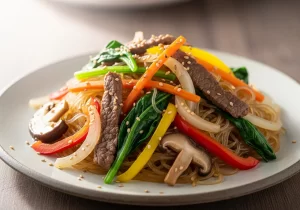

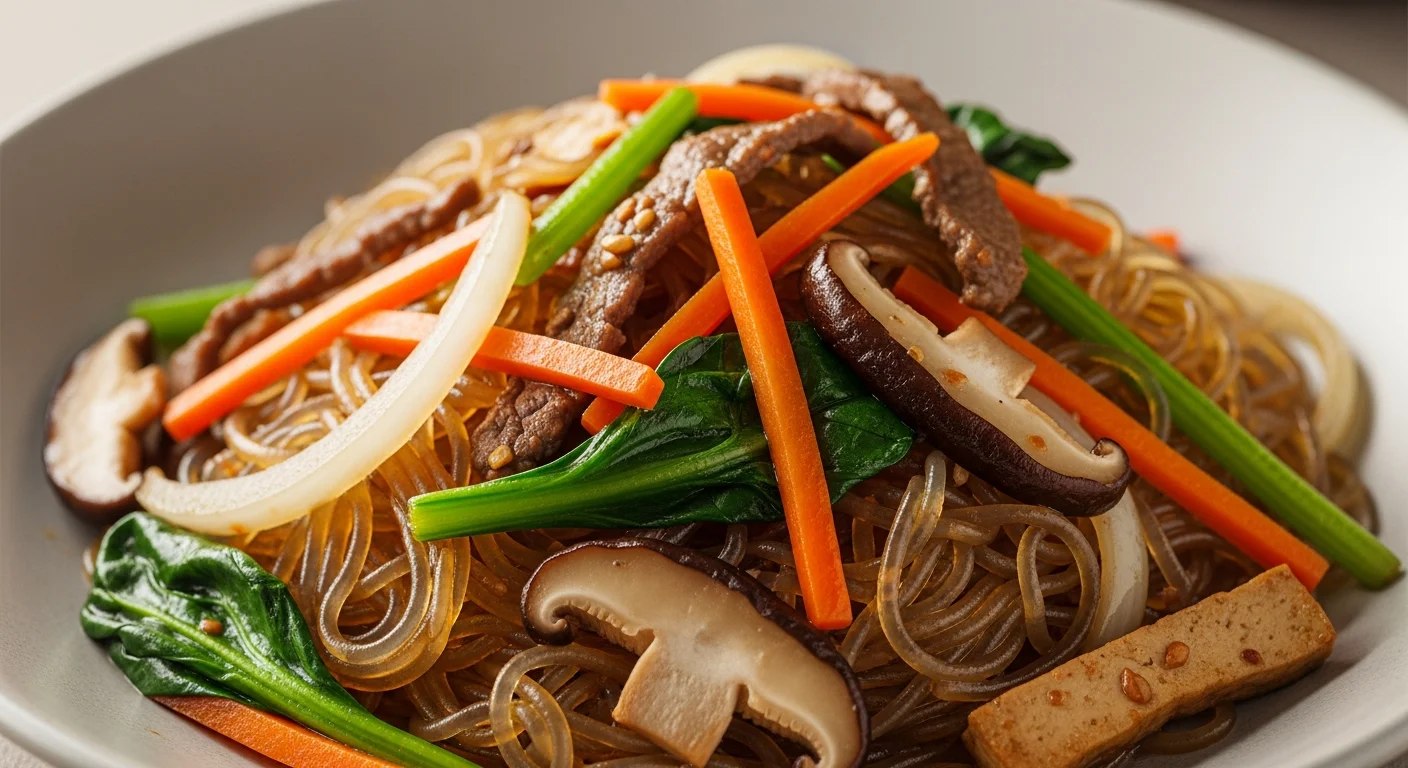
In the vibrant tapestry of Korean cuisine, few dishes captivate the senses quite like japchae. this luscious stir-fried delicacy weaves together translucent glass noodles, tender vegetables, and savory slices of meat into a harmonious symphony of flavors and textures. More than just a meal, japchae is a celebration of balance and tradition-its glossy strands shimmering with a delicate glaze that hints at centuries-old culinary artistry.Join us as we unveil the story behind Korea’s beloved japchae, exploring its origins, cultural significance, and the secrets that make each mouthful an irresistible dance between sweet, savory, and umami.
Japchae Unveiled: Korea’s Luscious Stir-Fried Glass Noodles is much more than just a visually stunning dish-it embodies centuries of korean history and cultural celebration. Originating in the royal courts during the Joseon dynasty, japchae blended humble ingredients like sweet potato starch noodles with vibrant vegetables and rich proteins to symbolize harmony and prosperity. I vividly recall the first time I tasted japchae at a bustling Korean market-the glistening noodles, the fragrant sesame oil, and the perfect balance of sweet and savory instantly spoke to me. This recipe invites you to explore the nuanced art of this beloved dish and recreate its rich textures and flavors right in your kitchen.
Prep and Cook Time
- Planning: 25 minutes
- Cooking: 15 minutes
- Total Time: 40 minutes
Yield
Serves 4 generously as a main or 6 as a side dish.
Difficulty Level
Medium – perfect for home cooks ready to master an iconic Korean classic.
ingredients
- 200g Korean sweet potato glass noodles (dangmyeon)
- 2 tbsp toasted sesame oil
- 3 tbsp soy sauce, preferably korean (ganjang)
- 2 tbsp granulated sugar
- 3 cloves garlic, finely minced
- 2 medium carrots, julienned
- 1 small yellow onion, thinly sliced
- 1 cup fresh spinach leaves
- 1/2 cup shiitake mushrooms, sliced thinly
- 100g beef sirloin, thinly sliced (optional)
- 1/4 cup green onions, chopped diagonally
- 2 tbsp vegetable or canola oil
- 1 tsp ground black pepper
- 1 tbsp toasted sesame seeds, for garnish
Instructions
- Prepare the noodles: Soak the sweet potato glass noodles in warm water for 20-25 minutes until softened but still slightly firm. Drain and set aside.
- Cook the vegetables: Heat 1 tbsp vegetable oil in a large skillet over medium heat. Sauté julienned carrots and sliced onions until tender and lightly caramelized, about 5 minutes. Add sliced shiitake mushrooms and cook for another 3 minutes.Remove vegetables and set aside.
- Sauté the beef (optional): Increase heat to medium-high and add a touch more oil. Quickly stir-fry the beef slices with minced garlic until browned but still juicy, about 2-3 minutes. Season lightly with salt and pepper. Remove and set aside.
- Blanch the spinach: Briefly blanch spinach in boiling water for 30 seconds, then immediately transfer to ice water to retain vibrant color. Squeeze out excess water and chop coarsely.
- Cook the noodles: In the same skillet, add remaining oil and add drained noodles. Stir-fry gently for 3-4 minutes, separating strands carefully to avoid clumping.
- Season and combine: Lower heat to medium, add soy sauce, sugar, toasted sesame oil, and black pepper to the noodles. Toss well until the noodles are evenly coated and glistening.
- Incorporate all ingredients: Return sautéed vegetables, beef, and spinach back into the skillet with the noodles. Toss thoroughly for 2 minutes to meld flavors and warm everything through.
- Finish and garnish: Remove from heat, sprinkle with chopped green onions and toasted sesame seeds before serving.
Tips for Success
- Mastering noodle texture: Avoid over-soaking or boiling sweet potato noodles; soaking keeps them firm and chewy.
- Ingredient swaps: For vegetarian japchae, omit beef and increase mushrooms or add firm tofu slices.
- Soy sauce alternatives: Use low-sodium soy sauce for a less salty finish or add a splash of mirin for extra sweetness.
- Make ahead: Japchae can be prepared a day in advance and tastes even better once flavors have melded; simply reheat gently in a pan with a splash of water.
- Visual appeal: Use a colorful mix of vegetables-red bell peppers, zucchini ribbons, and egg strips can add eye-catching contrast.
Serving Suggestions
Serve japchae warm or at room temperature on a lovely platter accented with fresh sesame sprigs or edible flowers for an elegant touch. Pair it alongside Korean BBQ or a crisp kimchi side for vibrant balance.For beverages, a chilled bowl of makgeolli (Korean rice wine) or a light green tea complements the dish’s rich umami layers perfectly.
| Nutrient | Per Serving |
|---|---|
| Calories | 320 kcal |
| Protein | 12 g |
| Carbohydrates | 45 g |
| Fat | 8 g |

Q&A
Japchae Unveiled: Korea’s Luscious Stir-fried Glass Noodles – Q&A
Q1: What exactly is japchae, and what makes it so unique among Korean dishes?
Japchae is a vibrant Korean stir-fry featuring glass noodles made from sweet potato starch, intertwined with an array of colorful vegetables, tender meat, and a subtle, savory-sweet sauce. Unlike many noodle dishes, Japchae’s glass noodles have a delightful chewy texture that absorbs flavors beautifully while remaining light, making it both comforting and refreshingly different.
Q2: Where did Japchae originate, and how did it become a beloved staple?
Japchae has royal roots tracing back to the Joseon Dynasty, where it was first enjoyed in the Korean royal court. The dish’s meticulous preparation and harmonious blend of ingredients reflected the elegance of palace cuisine. Over time, its delightful taste and versatility propelled it into homes and celebrations, becoming a symbol of festive joy and everyday indulgence alike.
Q3: What are the key ingredients that bring Japchae to life?
At its heart,Japchae features sweet potato starch noodles-made from translucent,elastic dangmyeon. The noodles mingle with sautéed spinach, carrots, mushrooms, onions, and sometimes bell peppers, while thinly sliced beef or pork adds a meaty depth. The finishing touch comes from a mixture of soy sauce, sesame oil, sugar, and roasted sesame seeds, weaving a symphony of flavors and textures.
Q4: How is Japchae typically served and enjoyed in Korean culture?
Japchae is a festive fixture on Korean tables, especially during birthdays, weddings, and holidays.It’s often served as a side dish alongside rice and kimchi or as a centerpiece during celebrations. Its vibrant colors and balanced taste also make it a popular bento and picnic food, showcasing Korean culinary artistry in a single, irresistible bowl.Q5: Can Japchae be adapted for vegetarian or vegan diets?
Absolutely! Japchae is wonderfully adaptable. Omitting the meat and substituting with tofu or extra mushrooms keeps the dish hearty and flavorful. The conventional sauce is naturally plant-based, and the medley of vegetables ensures Japchae remains a wholesome, satisfying choice for vegans and vegetarians without sacrificing any of its signature charm.
Q6: What tips can home cooks use to perfect thier Japchae?
Achieving the perfect Japchae is an art of balance. Soften the noodles just enough-they should be chewy but not mushy. Sauté vegetables separately to preserve their vibrant colors and crispness. Marinate the meat briefly for extra tenderness, and don’t skimp on the sesame oil-it’s the aromatic heart of the dish.Lastly, a sprinkle of toasted sesame seeds adds a toasty finish that elevates every bite.
Q7: Why has Japchae gained international popularity beyond Korea?
Japchae’s rise on the global stage owes to its harmonious blend of flavors, textures, and visual appeal. It strikes a perfect balance between comfort food and exotic flair, making it accessible yet exciting to international palates. Plus, with increasing interest in Korean cuisine worldwide, Japchae serves as an inviting introduction to Korea’s rich and diverse culinary heritage.
Key Takeaways
as the final strands of japchae twirl elegantly across your palate, it becomes clear that this humble stir-fried glass noodle dish is far more than just a meal-it is indeed a vibrant tapestry woven from Korea’s rich culinary heritage. Each bite captures a perfect balance of texture and flavor, a harmonious dance of sweetness, savoriness, and umami that has captivated generations. Whether enjoyed at festive celebrations or a simple family dinner, japchae continues to invite food lovers worldwide to savor its luscious charm. So next time you seek a taste of Korea’s soul,let japchae unveil its glassy glow and transport you to the heart of a timeless tradition.