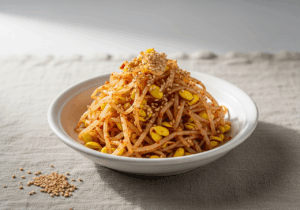

In the vibrant tapestry of Korean cuisine, few dishes capture the essence of simplicity and flavor as elegantly as Kongnamul Muchim. This humble yet irresistible seasoned soybean sprout side dish transforms everyday ingredients into a symphony of texture and taste, offering a refreshing crunch with every bite. More than just a staple on Korean tables, Kongnamul Muchim is a celebration of balance-melding nutty sprouts, aromatic seasonings, and a touch of heat into an artful harmony. Join us as we unravel the secrets behind this beloved banchan, exploring its history, cultural significance, and the delicate craft that turns modest soybean sprouts into a vibrant culinary delight.
Kongnamul Muchim is a quintessential Korean side dish that effortlessly blends crisp soybean sprouts with a vibrant, savory seasoning, creating a harmony of textures and flavors. This dish traces its roots deep into Korean home cooking, cherished for its refreshing crunch and the delicate umami kick that transforms humble sprouts into a culinary delight. Whether served as part of a banchan spread or nestled atop warm rice, Kongnamul Muchim awakens the palate with every bite, inviting you to master its flavor balance and textural finesse.
Prep and Cook Time
- Planning: 10 minutes
- Cooking: 7 minutes
- Total Time: 17 minutes
Yield
Serves 4 as a flavorful Korean side dish (banchan).
Difficulty Level
Easy – Perfect for both beginners and seasoned home cooks looking to expand their Korean cuisine repertoire.
Ingredients
- 1 pound fresh soybean sprouts, rinsed and trimmed
- 2 cloves garlic, minced
- 1 tablespoon sesame oil, toasted for depth
- 1 tablespoon soy sauce (use Korean soy sauce for authentic flavor)
- 1 teaspoon Korean red pepper flakes (gochugaru), adjust for mild spice
- 1 teaspoon toasted sesame seeds
- 2 stalks green onions, finely chopped
- Salt to taste
- Optional: A pinch of sugar to balance the seasoning
Instructions
- Blanch the soybean sprouts: Bring a large pot of water to a rolling boil. Add the rinsed soybean sprouts and blanch for 2 to 3 minutes until they turn radiant white and remain crisp-tender. Avoid overcooking to preserve their signature crunch.
- Drain and cool: promptly transfer the sprouts to a bowl of ice water to halt cooking and maintain crunch.Drain thoroughly, pressing gently with hands or a kitchen towel to remove excess moisture-this step prevents sogginess in your Kongnamul Muchim.
- Prepare the seasoning: In a mixing bowl, combine minced garlic, soy sauce, sesame oil, gochugaru, toasted sesame seeds, and salt. Stir until fully incorporated. Taste and add a pinch of sugar if a subtle sweetness is preferred.
- Toss the soybean sprouts: Add the drained sprouts and chopped green onions to the seasoning bowl. Using clean hands or tongs, gently toss to coat every sprout evenly without breaking them. Aim for balance so the seasoning enhances but doesn’t overpower.
- Rest and serve: Let the kongnamul Muchim sit for 5 minutes at room temperature to allow flavors to meld. Serve chilled or slightly warmed, garnished with an additional sprinkle of sesame seeds or a drizzle of sesame oil for an aromatic finish.
Tips for Success
- Freshness is key: Choose vibrant, firm soybean sprouts without yellowed tips or sliminess to ensure crisp texture.
- Drain thoroughly: Excess water dilutes flavor and creates a soggy dish. After blanching,pressing out moisture with a kitchen towel or paper towels is essential.
- Adjust spice level: Control the gochugaru according to your heat preference. For a mild version, reduce or omit entirely.
- Make ahead: Kongnamul Muchim can be prepped several hours in advance and stored covered in the refrigerator. Bring to room temperature before serving for the best taste.
- Alternative seasoning: For a gluten-free option, substitute soy sauce with tamari.
Serving suggestions
Kongnamul Muchim shines as a refreshing banchan alongside steamed rice,grilled meats,or spicy kimchi. For a more substantial meal, serve it atop bibimbap or mixed into a Korean-style salad with sesame dressing.Garnish with crisp seaweed flakes or toasted pine nuts to elevate presentation and add contrasting texture.
Pair with a light, cold Korean beer or a delicate green tea to complement the nuanced flavors.
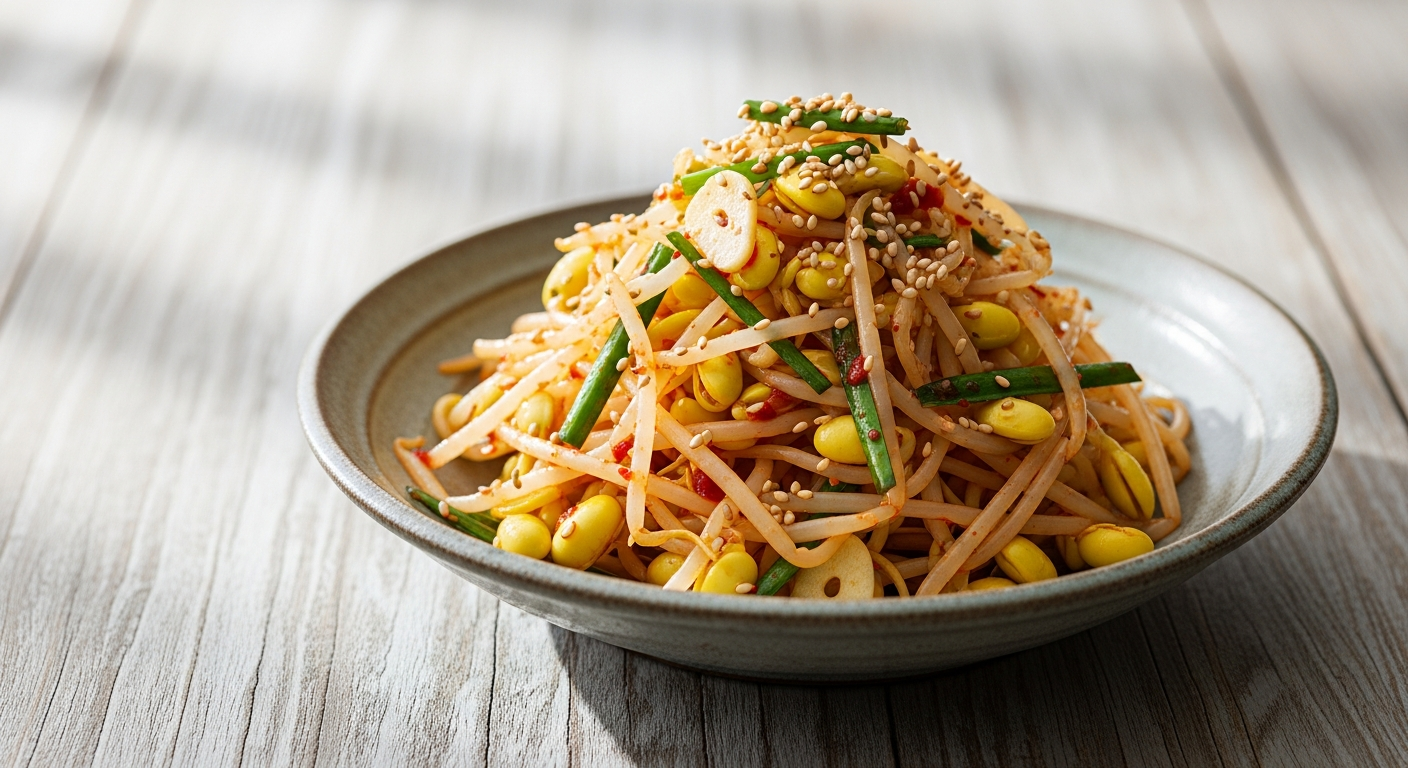
 seasoned soybean sprouts in a bowl” class=”wp-image-1234″ />
| Nutritional Info (Per Serving) | Calories | Protein | Carbs | Fat |
|---|---|---|---|---|
| Kongnamul Muchim | 70 kcal | 6 g | 5 g | 3 g |
To dive deeper into Korean side dishes, explore our Ultimate Guide to Korean Side Dishes.For more on soybean sprout nutrition and benefits, visit Healthline.
Q&A
Q&A: Kongnamul Muchim – The Art of Seasoned Soybean Sprouts Delight
Q1: What exactly is Kongnamul Muchim?
A1: Kongnamul Muchim is a beloved Korean side dish featuring fresh soybean sprouts that are lightly blanched and then thoughtfully seasoned.It’s a simple yet vibrant salad that offers a crunchy texture paired with a savory, slightly nutty flavor. Literally translating to “seasoned soybean sprouts,” it’s a staple on Korean tables and a cornerstone of home cooking.
Q2: Why are soybean sprouts used in this dish instead of other sprouts?
A2: Soybean sprouts boast a delightful crunch and a subtle sweetness that holds up beautifully after blanching. Unlike more delicate sprouts, they remain firm and offer a heartier bite, making them perfect for soaking up the seasonings without wilting. Plus,they’re packed with protein and nutrients,making Kongnamul Muchim both tasty and nourishing.
Q3: How do you achieve that perfect balance of flavor in Kongnamul muchim?
A3: The magic lies in the seasoning harmony. A classic Kongnamul Muchim combines toasted sesame oil, minced garlic, finely chopped green onions, a pinch of salt, and toasted sesame seeds.Sometimes a hint of chili flakes enters the scene, adding a playful kick. The key is to enhance the sprouts’ natural freshness without overpowering them-think of it as a delicate season’s whisper rather than a shout.
Q4: Is Kongnamul Muchim difficult to prepare?
A4: Not at all! Its charm is in its simplicity.Blanch the sprouts briefly to retain their crunch, then chill them to stop cooking. Toss with the seasonings,mix gently but thoroughly,and voilà-a colorful,flavorful side dish ready to enliven any meal.It’s a perfect beginner-amiable Korean recipe with impressive results.
Q5: How is Kongnamul Muchim traditionally served?
A5: Traditionally, it appears as a banchan (side dish) alongside rice and an assortment of other flavorful dishes. It’s often part of the soothing array of accompaniments in Korean meals, adding brightness and texture to heavier or richer mains. Kongnamul Muchim also complements Korean BBQ and bibimbap wonderfully.
Q6: Can Kongnamul Muchim be adapted or fused with other cuisines?
A6: Absolutely! While the classic Korean flavor profile is timeless, you can experiment by adding ingredients like a splash of soy sauce, a touch of lime juice for acidity, or even some chopped herbs like cilantro for a fresh twist. Its crunchy, mild nature makes it a versatile canvas-perfect for fusions that celebrate both tradition and innovation.
Q7: What cultural significance does Kongnamul Muchim hold?
A7: Beyond its humble ingredients, Kongnamul Muchim embodies Korean values of balance, thrift, and respect for natural flavors. Soybean sprouts have been a nourishing staple through various seasons, especially in times of scarcity. This dish symbolizes resourcefulness and the artistry of elevating simple ingredients into something joyous and healthful.Q8: Any tips for selecting and storing soybean sprouts for the best Kongnamul Muchim?
A8: Look for fresh, crisp sprouts with firm stems and bright white color. Avoid those that appear slimy or have a strong odor. Store them in a perforated container or loosely wrapped in a damp cloth inside the refrigerator to maintain freshness.Use them within a few days for peak texture and flavor.
Kongnamul Muchim may be deceptively simple, but its artful seasoning and lively crunch make it a perennial favourite, a tiny dish humming with Korean culinary soul. Whether enjoyed traditionally or creatively reimagined, it’s a vibrant testament to how humble sprouts can dance on your palate.
In Retrospect
As we wrap up our journey into the vibrant world of Kongnamul Muchim, it’s clear that this humble bowl of seasoned soybean sprouts is far more than just a simple side dish. It embodies the essence of Korean cooking-balancing texture, flavor, and nutrition with effortless grace. Whether enjoyed alongside sizzling barbecue or woven into a comforting bibimbap, Kongnamul Muchim invites us to appreciate the art of seasoning and the beauty of simplicity. So next time you crave a fresh, crunchy delight that dances on your palate, remember that this modest medley of sprouts holds a timeless place on the table-and in the heart-of Korean cuisine.