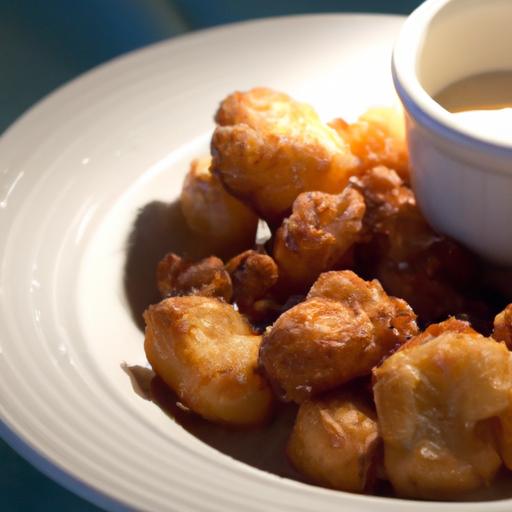

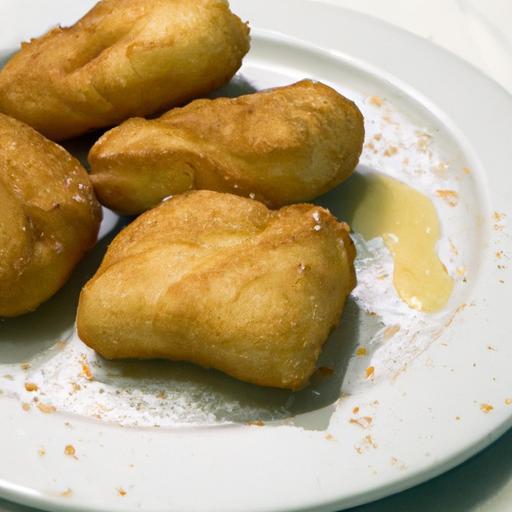
Imagine a dessert that marries the creamy comfort of custard with the irresistible crunch of a golden crust-a beloved Spanish treat known as Leche Frita. Translating to “fried milk,” this delightful delicacy transforms simple ingredients into an enchanting symphony of textures and flavors.From the bustling streets of Spain to cozy family kitchens, Leche Frita captivates with its silky interior wrapped in a crisp, caramelized shell. In this article, we’ll explore the origins, readiness, and cultural significance of this unique dessert that continues to charm taste buds across the world. Get ready to dive into the story behind the crispy Spanish delight of creamy fried milk.
Leche Frita: Crispy spanish Delight of Creamy Fried Milk
Leche frita is a beloved traditional Spanish dessert that perfectly marries the contrasting textures of crunchy golden edges with a luxuriously silky center. Rooted deep in northern Spain’s culinary history, this fried milk pudding carries centuries of cultural significance and nostalgia for many households. The dish’s origins trace back to Castilla y León, where resourceful cooks transformed simple pantry staples into an indulgent treat – an ode to simplicity, warmth, and communal gatherings.
Prep and Cook Time
- Preparation: 15 minutes
- Cooking: 25 minutes
- Chilling: 2 hours (minimum)
Yield
8 servings (about 8 pieces)
difficulty Level
Medium – Requires attention to texture and frying technique
Ingredients
- 4 cups whole milk, divided
- 1 cup granulated sugar, divided
- 1 cinnamon stick
- 1 lemon peel, large strip (avoid white pith)
- 1 cup all-purpose flour, sifted
- 2 tbsp cornstarch
- 2 large eggs
- 1 tsp vanilla extract
- Vegetable oil, for frying (about 2 cups)
- Cinnamon sugar mixture: ½ cup granulated sugar + 1 tbsp ground cinnamon
Origins and Cultural Significance of Leche Frita in Spanish Cuisine
Leche frita exemplifies Spain’s art of elevating humble ingredients into dishes steeped in tradition and flavor.Originally a peasant dessert, it was crafted when refrigeration was scarce, and preserving milk’s delicate sweetness was a craft in itself. It stands as testament to the resourcefulness ingrained in spanish kitchens – using milk, flour, and cinnamon to create a dessert both accessible and deeply comforting. Regional variations exist, but the core technique remains – gently cooking milk thickened with flour and starch, setting it into a soft custard, then frying to a crispy golden perfection.
mastering the Perfect Texture: How to Achieve Crispy Edges and Silky Centers
Achieving the iconic textural balance in leche frita requires patience and precision. The key lies in cooking the milk mixture slowly to thicken evenly without lumps and allowing it to chill thoroughly for firmness.When frying, use oil heated to 350°F (175°C) for a crisp outer layer without overcooking the interior.The batter’s thickness should be thick enough to hold shape but smooth enough to yield a creamy inside. Dredging the squares first in flour, then beaten egg, before frying, guarantees a beautifully even crust. Avoid overcrowding the pan to maintain oil temperature and even browning.
Step-by-Step Guide to Preparing Traditional Leche Frita at Home
- Infuse the milk: In a medium saucepan, combine 3 cups of milk, half the sugar, cinnamon stick, and lemon peel. Heat gently to just below boiling, then remove from heat and let steep for 15 minutes for aromatics to develop.
- Mix dry ingredients: In a bowl, whisk together flour, cornstarch, and remaining sugar.
- strain and combine: Remove cinnamon and lemon from milk. Gradually whisk the infused milk into your dry mixture to create a smooth batter.
- Cook the batter: Return the mixture to saucepan over medium heat. Stir constantly with a wooden spoon or silicone spatula until it thickens and pulls away from the sides forming a dense custard (about 8-10 minutes). remove from heat and stir in vanilla extract.
- Chill the custard: Transfer into a shallow square dish, smoothing the top. Cover with plastic wrap pressed onto the surface to avoid a skin. Refrigerate at least 2 hours or until fully set and firm.
- Prepare for frying: cut the chilled custard into uniform squares or rectangles. Prepare two shallow bowls: one with flour and one with beaten eggs.
- Coat and fry: Heat vegetable oil in a heavy skillet over medium-high heat to 350°F (175°C). Dredge each custard piece in flour, then dip in egg wash, and gently place in hot oil. Fry 2-3 pieces at a time, turning carefully until golden on all sides (about 2-3 minutes).
- Drain and coat: Remove with a slotted spoon, drain on paper towels, then instantly roll in the cinnamon sugar mixture while still warm.
- Serve warm for best texture contrast or at room temperature.
Chef’s Notes: Tips for Success
- Ingredient quality: Use whole milk for richness and a full flavor that makes the center silky and indulgent.
- Texture Balance: If your custard is too runny, add a bit more flour or cornstarch next time to ensure it sets firmly.
- Oil Temperature: Use a thermometer; frying too hot browns the crust but leaves the center cold, too cool and it absorbs excess oil.
- Make-Ahead: The custard base can be made the day before and stored tightly covered for convenience.
- Substitutions: For a dairy-free version, use coconut milk but expect a slightly different flavor and texture.
creative Variations and Serving Suggestions to Elevate Your Dessert Experience
Once you master this classic, the dessert becomes a playful canvas for creativity:
- Flavor the custard: Add zest from orange or a splash of anise liqueur for aromatic twists.
- Coatings: Experiment with a dusting of powdered matcha or crushed toasted almonds instead of cinnamon sugar.
- Presentation: Serve leche frita squares with a drizzle of rich caramel sauce or a dollop of whipped cream infused with cinnamon.
- Garnishes: Fresh berries, a sprig of mint, or a sprinkle of toasted coconut elevate its visual appeal and freshness.
- Pairings: Complement with a cup of strong Spanish coffee or a glass of sweet sherry for the ultimate indulgence.
Nutritional Data (per serving)
| calories | Protein | Carbohydrates | Fat |
|---|---|---|---|
| 210 kcal | 5 g | 30 g | 7 g |

for further insights into traditional Spanish desserts, explore our Spanish desserts guide. To deepen your understanding of millefeuille-style custards and pastry techniques, the Fine Cooking article on Fried Milk Custard is an excellent resource.
Q&A
Q&A: Leche Frita – Crispy Spanish Delight of Creamy Fried Milk
Q1: What exactly is Leche Frita?
A1: Leche Frita,literally translating to “fried milk,” is a traditional Spanish dessert that transforms simple milk into a crispy,golden treat. Its a luscious, creamy custard that’s chilled, cut into squares or rectangles, coated in flour and egg, then fried to create a crunchy outer shell encasing a silky smooth center. Imagine a bite of warm, velvety milk pudding wrapped in a delicate, crispy crust-pure Spanish comfort on a plate!
Q2: Where does Leche Frita come from?
A2: Leche Frita hails from the northern regions of Spain, particularly castilla y León, where humble ingredients were transformed into heartfelt dishes. This dessert originated as a clever way to use leftover milk and flour, turning pantry staples into a beloved community sweet. Its popularity quickly spread throughout Spain, finding a place on festive tables and local cafes alike.
Q3: How is Leche Frita made?
A3: The magic begins by simmering milk with sugar, lemon zest, cinnamon sticks, and vanilla to infuse warm, aromatic flavors. cornstarch or flour is whisked into the hot milk mixture until it thickens into a firm custard. Once chilled and set, the custard is sliced, then each piece is dipped in flour and beaten egg before being fried until golden. it’s sprinkled generously with cinnamon sugar for that signature sweet-spicy finish.
Q4: What makes Leche Frita unique compared to other fried desserts?
A4: Unlike typical fried sweets like doughnuts or churros, Leche Frita surprises you with its texture contrast-crispy crust meets creamy center. It’s a delicate balance of temperature and consistency, where the fried exterior adds crunch without overpowering the tender milk pudding inside. This interplay of textures and subtle flavors gives Leche Frita its unmistakable charm.
Q5: Can Leche Frita be customized or flavored differently?
A5: Absolutely! While the classic recipe highlights cinnamon and lemon, creative variations abound. Some add orange zest for a citrus twist, others infuse the milk with coffee or cocoa for a richer taste. It can be served with honey drizzles, berry compotes, or even a dollop of whipped cream, adapting seamlessly to personal taste and seasonal ingredients.
Q6: When is Leche Frita traditionally enjoyed?
A6: Traditionally, Leche Frita is a comforting dessert for cold days or festive occasions. It’s often served during celebrations like Carnival or local village festivals in Spain. But thanks to its delightful simplicity, you might find yourself craving it year-round, as a lovely finale to any meal or a sweet midday snack with coffee.
Q7: How can one best enjoy Leche Frita?
A7: Leche Frita shines when served warm or at room temperature, revealing its creamy center just perfectly. Pair it with a strong espresso or a cup of thick Spanish hot chocolate to balance the dessert’s sweetness. The sprinkle of cinnamon sugar on top adds a fragrant kick that will keep you reaching for one more bite.
Q8: where can I try authentic Leche frita if I visit Spain?
A8: Head to traditional eateries and taverns in Castilla y león, Madrid, or other Spanish regions where classic cuisine reigns. Small family-run restaurants and pastry shops often have their own treasured recipes. And don’t hesitate to ask locals for their favourite spots-frequently enough the best Leche Frita comes from humble kitchens with generations of know-how.
Leche Frita is a captivating dance of textures and flavors-simple yet sophisticated, modest yet indulgent. Dive into this crispy Spanish delight and experience how fried milk turns into culinary poetry.
Wrapping Up
in the vibrant tapestry of Spanish cuisine, Leche frita stands out as a brilliant thread-crispy on the outside, meltingly creamy within, a playful dance of textures and flavors that captures both tradition and indulgence. Whether enjoyed in a quaint village café or recreated in your own kitchen, this delightful fried milk dessert invites you to savor a piece of Spain’s rich culinary heritage with every bite. So next time you crave something sweet and unexpected, let Leche Frita transport you to sun-drenched plazas and festive gatherings, where crispy golden edges hide a tender, velvety surprise.Truly, it’s more than just a dessert-it’s a celebration of Spanish creativity and comfort in one unforgettable dish.